

Here we go, another special week of your pregnancy, week 33! You'll be holding your little one in your arms for a few more days, so you're probably feeling both excited and a little impatient, right? By this week, your baby is like a little, full-fledged human being inside the womb . He's learning a lot in his little world. Let's see how your baby is doing this week, what's new, and how you, as a mother, should take care of yourself and your baby during this time.
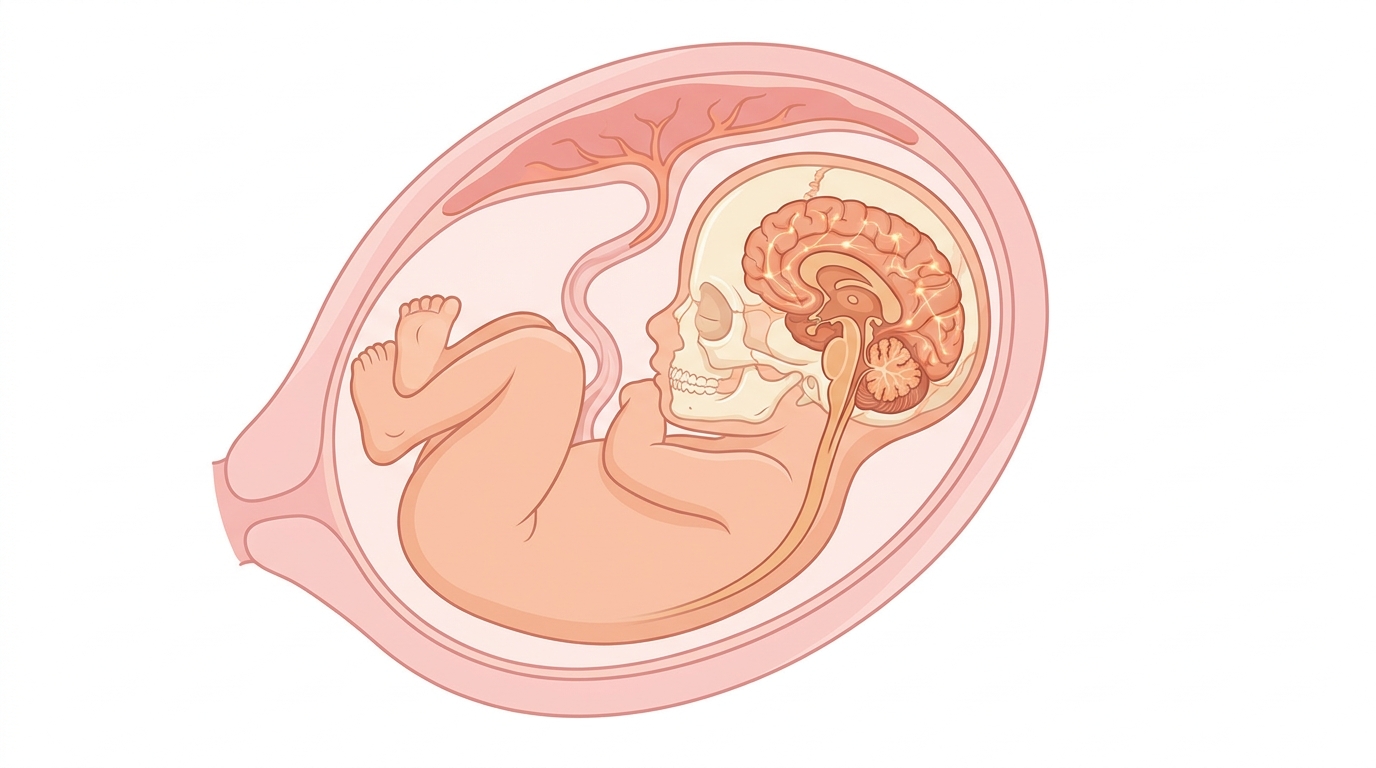
Your baby's amazing development at 33 weeks - big changes in a small world!
During this time, your baby is not only growing bigger every day, but almost all of his organs are coming out and getting ready to live. Isn't it amazing?
Brain work – the little genius is learning!
The billions of neurons ( brain cells) in your baby's brain are now very busy. Like a tiny computer, these neurons are connecting with each other, helping the baby learn about the environment inside the womb. Imagine, your baby can now hear you talking and singing. He can feel the touch when you touch his belly. Not only that, he can see to some extent! Yes, your baby's eyes can now distinguish light from darkness. Just like a good camera, the pupil in his eye has begun to constrict and dilate according to the light. That is, it gets smaller in bright light and bigger in dark light.
Do you know how a baby sleeps?
Just like a newborn baby, your baby spends most of the day sleeping . This sleep is very important for his development. Not only that, but he also gets a special sleep called REM `(Rapid Eye Movement)` sleep . This REM sleep is when we sleep deeply and dream. So, who knows, your baby might be having beautiful dreams right from the womb? Maybe even about you and daddy!
Ready to breathe – the lungs are now ready!
It goes without saying how important breathing is for all of us to live. One thing you can be happy about is that by this week, both of your baby's lungs are almost completely formed . The tiny air sacs (alveoli) in the lungs are like little balloons. These air sacs are inflated when the baby is born and they breathe. A special substance called surfactant , which helps keep these air sacs open without sticking together and collapsing, is also being produced in large quantities. This is very important, because it is thanks to this surfactant that the baby can breathe on its own, without difficulty, as soon as it is born.
A month has passed and the weight has increased!
Your baby is starting to get a little 'big' now.. That means a layer of fat is added to the body. This layer of fat is very important for the baby. One is that it helps to keep the baby warm after birth. The other is that it protects the baby from things like minor bruises. Also, this layer of fat gives the baby strength. Babies gain the most weight in these last few weeks before birth. Maybe 200 to 230 grams per week! Your baby may now weigh close to 2 kilos and be about 44 centimeters tall.
Other little things
- Bones: The baby's bones are gradually getting stronger, which means that calcium is being deposited in them. However, the skull bones in the head are not yet fully fused together, they are a little soft. They are arranged in a way that they can slide over each other. This is a wonderful thing in nature! Because this helps the baby's head to come out easily through the vagina during childbirth.
- Immunity: Some of the antibodies that protect your body from diseases are passed on to your baby through the placenta. This gives your baby some protection from minor illnesses in the first few months after birth. It's like a gift from you.
- Skin: As oil accumulates under the baby's skin, the skin is now pink, smooth, and plump. The white, thick coating called vernix caseosa and the fine down called lanugo that previously covered the baby's body are gradually decreasing. Some babies may still have some of these at birth.
- Position: Most of the time, by this week, the baby is ready to be born, with its head facing down (called a `cephalic presentation`). Otherwise, it may come into that position in a few days. Your doctor will tell you about this when you examine your baby.
What you feel as a mother at 33 weeks and your preparation
As your baby grows day by day, your body is feeling it too, isn't it? You may experience a few minor discomforts during this time. But don't worry, most of these things are normal at this time.
How are you feeling these days?
- Are you having a hard time breathing? The baby is bigger now, and your uterus is pushing up on your lungs. That's why it can sometimes feel a little hard to breathe, like you're gasping for air. As the baby descends a little (this is called `lightening`, and usually happens a few weeks before labor), this discomfort will ease.
- Do you need to urinate frequently? The baby's head is now lower in the uterus and is pressing on your bladder , so you may feel like you need to urinate frequently. This can be a bit of a bother at night, but this is also normal.
- Is your stomach getting tight? That's Braxton Hicks!You may feel your stomach tighten suddenly, then relax again after a while. These are called Braxton Hicks contractions . They are like your body preparing for labor. They are not as intense as real labor pains, and they are irregular. They may subside if you change positions, drink some water, or get some rest.
- Back pain : As your belly grows, your body's weight balance changes, so you may feel extra pressure on your back. Keep a pillow between your legs while sleeping. Keep your back well supported while sitting. Light exercise can also help.
- Fatigue: It's normal to feel more tired than usual during this time. It's not easy to create another life inside your body! Get as much rest as possible.
- Heartburn , indigestion: These conditions can be caused by pregnancy hormones and the pressure on the stomach from the growing uterus. Eat small meals rather than large meals. Reduce spicy, oily foods, chocolate, and coffee. Keep your head slightly elevated while sleeping.
- Swelling of the hands, feet, and ankles: Due to the accumulation of excess water in the body, your hands, feet, and ankles may swell slightly. This is something that happens to many people. Keep your legs elevated whenever possible. Don't stay in one position for too long. However, if you suddenly experience a lot of swelling, such as swelling in your face, headaches, or blurred vision, you should see a doctor immediately . This could be a sign of a dangerous condition called preeclampsia .
How are you feeling?
It's normal to experience a range of emotions during this time. You may feel excited, happy, and impatient to see your baby, but you may also feel a little nervous, scared, or anxious about the birth and the new responsibilities.
"Remember, you are not alone in this journey. Many other mothers are going through this experience just like you. Talk about what is on your mind with your husband, a close family member, or your doctor or midwife. It will give you a lot of comfort."
What are the important things you need to do this week?
- Keep an eye on your baby's movements (`Fetal Kick Counts` ): This is very important. Check how many times your baby moves per day. You should feel at least 10 movements within two hours. Not all babies are the same, so get to know your baby's normal pattern. If you feel that there is a lack of movements, don't panic, drink a glass of cold water, turn to your left and lie down for a while (about an hour). If you are still not satisfied with your baby's movements, go to the hospital or call your doctor immediately .
- Preparing for childbirth – now is the best time!
- Start packing your hospital bag now. Pack everything you need for you and your baby (cotton is best for babies), sanitary pads , baby diapers, blankets, soap, and toothbrushes. Make a list and gather the items.
- If you have a 'birth plan' , that is, a plan for what you want during labor, discuss it with your doctor.
- If you have attended classes on childbirth, pain management, and breastfeeding, refresh that knowledge. Read books.
- Nutrition and hydration – important for both you and your baby!
- As before, it is very important to eat a nutritious diet . Especially add foods containing iron (to make the baby's blood), calcium (to strengthen bones), protein (to grow bones), and folic acid (green vegetables, herbs, fruits, milk, yogurt, cheese, eggs, meat, fish, grains like lentils, and chickpeas) to your diet.
- Drink plenty of water . It is very important to drink at least 2-3 liters of water (8-12 glasses) per day. This prevents dehydration, reduces constipation, and controls swelling in the body.
- Rest and exercise – let's balance it!
- Get as much rest as possible. Try to get at least 8 hours of uninterrupted sleep at night. It's great if you can take a short nap during the day as well.
- Engage in appropriate, light exercise as advised by your doctor. You can do things like walking, yoga exercises specific to pregnant women, and swimming. These strengthen the muscles of the body, improve blood circulation, and provide mental well-being.
- Meeting the Doctor – Don't miss it!
- During this time, you will probably have to see the doctor at least once every two weeks. Follow the doctor's instructions exactly. Don't be afraid to ask any questions or doubts you have. The doctor is there to help you.
If you have these symptoms, go to the doctor immediately! (Warning signs)
"If you have any of these symptoms, you should go to the hospital immediately without delay or talk to your doctor. These are things that should definitely be taken into account."
- A continuous discharge of a watery fluid from the vagina (this could be amniotic fluid , which is when the sac of water surrounding the baby breaks)
- Bright red vaginal bleeding (a little brownish discharge may be normal, but red bleeding is dangerous)
- Severe or persistent abdominal pain or frequent, gradually increasing, continuous labor pains (usually more than 4-5 times an hour, lasting about 45-60 minutes, and not decreasing)
- Sudden decrease or loss of baby's movements
- Severe, unbearable headache, blurred vision, flashes of light before the eyes, seeing spots
- Sudden, excessive swelling of the face, hands, and feet (especially in the morning)
- Fever (over 38 Celsius / 100.4 Fahrenheit), feeling cold, shivering
- Persistent nausea and vomiting
- Burning and pain when urinating.
Finally, the most important thing you need to remember (Take-Home Message)
Week 33 is a very special and somewhat anxious time in your pregnancy journey. Your baby is now getting ready day by day, hour by hour, to come out. It's very important that you are both physically and mentally prepared for this big day.
Eat well, drink plenty of water, and get plenty of rest. Don't worry about minor discomforts, they are normal at this time. However, if you notice anything unusual or have any doubts, never hesitate to ask your doctor about it. It is best to listen to even the smallest things that are on your mind.
Following the instructions given by your doctor and midwife is the best thing you can do for yourself and your unborn baby. In a few days, you will be able to hold your little one in your arms. Until that beautiful moment arrives, stay happy, take care, and be positive! Best wishes to you!
` 33rd week of pregnancy, baby's development, mother's health, preparing for childbirth, pregnancy care, 33rd week baby, pregnant mother
ukat juk’ampinaka Doctoran qillqatapa
ukat juk’ampinaka Usutäki uka 33 semanakamajja, niya taqe chʼakhanakapajj suma chʼamañchtʼatäjjewa. Ukampis wawa pʼiqi chʼakhanakapan chʼakhanakapajj wali chʼamampiw maynit maynikam chiktʼatäsipki. Akax mä posición natural (moldeo) ukawa, ukax wawar p’iqip canal de nacimiento tuqit jank’ak mistuñapatakiw yanapt’i, yurïwipanxa. Taykax tobillos ukat kayunakapan punkipxaspawa (Edema) kunatix uka urunakanx cuerponx líquido ukaw tantachasi. Sapa kuti kayunak jach’anchayaña ukat calcetines impresos (Medias de apoyo) apnaqañax ukatakix mä samarañ apaniwayi.
❓ ukat juk’ampinaka Mä qawqha juk’amp jiskt’äwinakampiw jikisipxasma (FAQ) .
ukat juk’ampinaka ¿Kuna pesajesa ukat jachʼa wawajj 33 semananjja?▼
ukat juk’ampinaka Jichhax wawax niya 1,9-2,0 kg ukha pesa, ukatx niya 17,2 pulgadas ukch’a largo (mä jach’a piña ukham jach’a).
ukat juk’ampinaka ¿Kunapachas usuriptañ pachan kayunak punkiñax (Preeclampsia) jan walt’ayaspa?▼
ukat juk’ampinaka Chaki ch’uxu usump chikt’atax ajanu ukat amparanakas punki, p’iqi usu, jan sum uñjañ ukhamarak wilax wali ch’amanïchi ukhax preeclampsia ukan chimpupawa, ukhamax jank’akiw qullirir sarañama.
¿Aka pachanxa taykaxa kuna ikiñasa utjañapa?▼
ukat juk’ampinaka Ch’iqa tuqin ikiñax wali askiwa. Ukaxa yanapt’iwa suma wila suministro wawaru, placenta ukhamaraki taykan riñonanakaparu.


💬 Comments (0)
No comments have been posted yet. Add your comment here for the first time.
Add your comment