Is this the 34th week of your pregnancy? (Pregnancy Week 34) Let's see how the baby and you are doing?

Is this the 34th week of your pregnancy? (Pregnancy Week 34) Let's see how the baby and you are doing?

Hello! Here we go, another important week in your beautiful journey. Now that you're just a few weeks away from your baby, aren't you? You're probably feeling incredibly happy and a little impatient. Let's take a look at how your baby is developing at 34 weeks, and what you need to know.
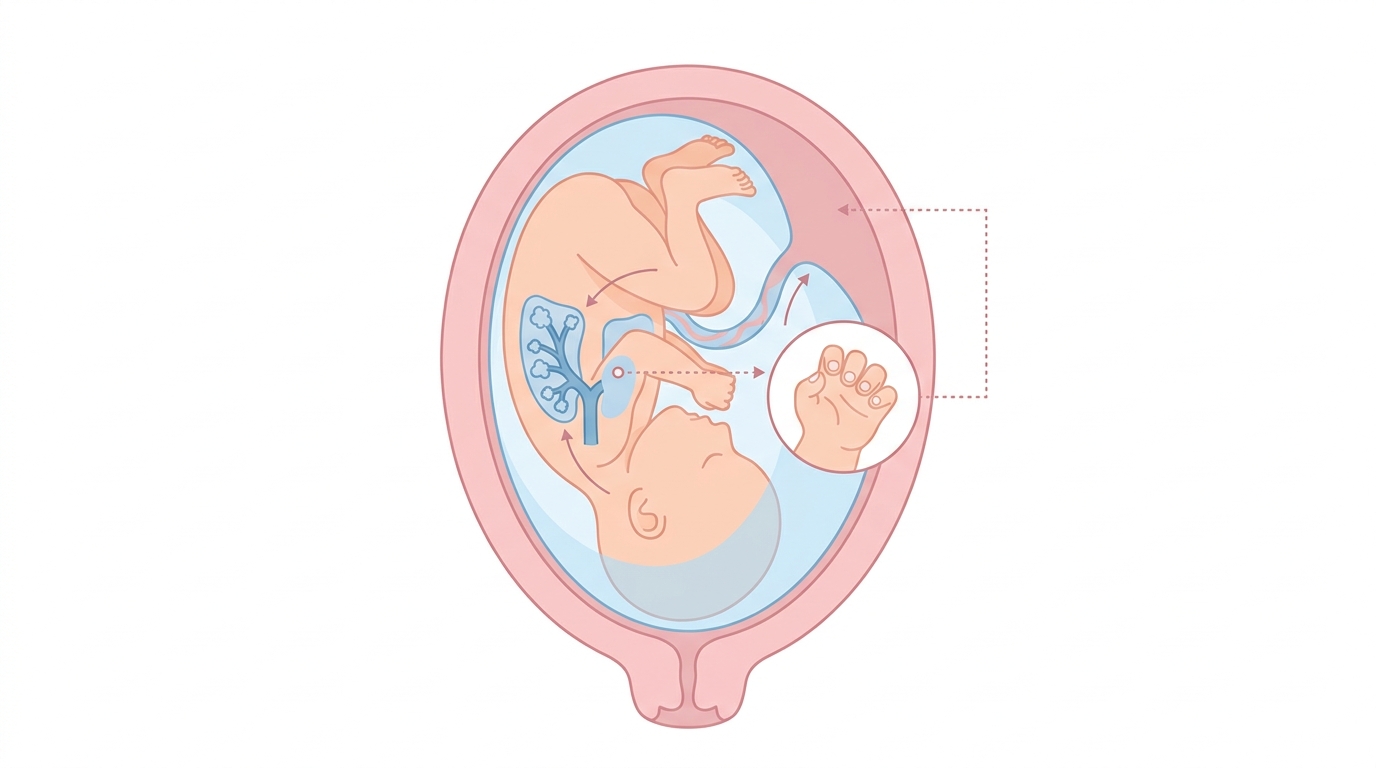
Is this the 34th week of your pregnancy? (Pregnancy Week 34) Let's see how the baby and you are doing? Infographic

Your baby's growth and your calcium needs

This week, your baby is getting a little bigger, and amazing things are happening inside him. The most important thing is that his bones are getting stronger. Just like bricks are needed to build a house, calcium is essential to build and strengthen his bones.

Now think about it, where does the baby get this valuable calcium? Yes, it comes from you. The baby gets the calcium it needs from the things you eat and drink. Therefore , it is very important for you to eat enough calcium-rich foods during this time.

"Mommy, I need calcium from you to build strong bones!" – This is what your baby would say if he could talk.

Why is calcium important for you?

Imagine what happens if you don't get enough calcium in your diet. The baby will take what it needs from you anyway. Then it will use the calcium in your bones. If that happens, your bones can gradually weaken. After giving birth, you are more likely to have back pain, joint pain, or other bone-related problems (like osteoporosis ) . So you need to think about your baby as well as yourself.

How do you meet this calcium requirement?

The prenatal vitamin your doctor gave you contains some calcium, but that may not be enough. So try adding these to your daily diet:

  • Milk and dairy products: A glass of milk, yogurt , cheese, and skim milk.
  • Green vegetables : Vegetables like spinach, kale, collard greens, and broccoli .
  • Soy products: Tofu is a good source of calcium.
  • Small fish : Fish like halibut and sardines that can be eaten with the bones (well cooked!).
  • Foods and drinks with added calcium: Some fruit drinks, soy milkThere are things like this on the market labeled "Calcium Fortified." Look for them when choosing.
  • Nuts like sesame seeds and almonds are also good.

Simply put, eating a balanced diet is the most important thing. If you have any questions, ask your doctor or family health worker.

Is the baby ready to be born? Let's find out what position he is in.

By now, your baby is likely in the birthing position. This means that the baby's head is most likely to be facing down and towards the vagina. This is called a cephalic presentation . This is the most suitable position for a normal vaginal delivery .

But sometimes the baby's buttocks or legs may be facing down. This is called Breech Presentation . There are other rarer positions as well. Your doctor or nurse will examine you (possibly with an ultrasound scan) and tell you exactly which way the baby is positioned.

Why is baby's posture important?

The doctor will decide whether you can have a normal delivery or whether you need to have a Caesarean section based on the baby's position. So don't worry about this. The doctor will choose the safest method for you and your baby.

Baby's readiness at 34 weeks: lungs and size

By this week, your baby's lungs are pretty well developed. This means that if your baby is born this week, he or she will be able to breathe on his or her own in the outside environment. Sometimes, a little help, maybe some oxygen, may be needed. But most babies don't need extensive medical intervention. This is really good news, isn't it?

How is the baby's weight and length?

At 34 weeks, the average baby weighs about 2.25 kilograms (2250 grams) . Also, the length from head to rump (also called Crown to Rump Length ) is about 32 centimeters (about 12.6 inches) . Think about it, it weighs about the same as a small water bottle!

Remember, these are average values. Your baby may be a little smaller or larger than this. That's normal. Not all babies are the same.

At this size, the baby has the strength and ability to survive in the outside world. However, it is best for the baby to remain inside the womb for as long as possible (up to 40 weeks).

How are you feeling these weeks?

You're probably feeling a little tired right now. As the baby grows, your body will feel it too.

  • Frequent urination : This may be because the baby's head is now pressing on the bladder .
  • Back pain:Back pain can occur due to weight gain and hormonal changes.
  • Difficulty breathing: You may sometimes feel a little short of breath as the enlarging uterus presses against your chest.
  • Braxton Hicks Contractions: These are like "training cramps." Your belly tightens a bit and then returns to its normal position. These aren't real contractions, but if they happen frequently or are too painful, tell your doctor .
  • Insomnia: It can be a little difficult to fall asleep at night due to the discomfort and frequent urination .

These things are normal. But if you have any unbearable discomfort, be sure to tell your doctor.

Things you can do and need to be aware of this week

  • Doctor's Appointments : Don't miss your doctor's appointments during this time. The doctor will examine you and your baby.
  • Fetal Movements : Keep a close eye on your baby's movements. Check how many times a day he or she moves. If you feel that the movements are less than normal, or if you don't feel any movements at all, see a doctor or go to the hospital immediately. This is very important.
  • Preparing for labor: Start packing your hospital bag. Think about what you'll need for your baby and yourself.
  • Be aware of the signs of labor: Know what it feels like when you're in labor, what it means when your water breaks, and more. Ask your doctor or midwife about this.

Take-Home Message

Week 34 is a very important milestone in your pregnancy. The baby is now quite big, his organs are developed, and he is ready to enter the outside world.

Remember:

  • Take care of your calcium needs. It is very important for both you and your baby.
  • Talk to the doctor about the baby's position. Don't worry about it.
  • Pay attention to the baby's movements.
  • Tell your doctor about any changes or discomfort you are experiencing.
  • Be happy, relax, and enjoy this beautiful experience.

You've come a long way on this journey. You only have a few more days to hold your baby. Be careful, and remember that everything will be fine! Best wishes to you!

👩🏽‍⚕️ Frequently Asked Questions (FAQ) from the Doctor


` Pregnancy, 34 weeks, baby's development, calcium, childbirth, mother's health, pregnancy week 34, fetal development

ukat juk’ampinaka Doctoran qillqatapa

ukat juk’ampinaka 34 semana ususiñkamaxa, wawax pulmones (Pulmón) ukat sistema nervioso central (Sistema nervioso central) ukanakax qhipa pacharuw puripxi, ukhamat yurïwipatx pachamamaru yatintañataki. Jichhax wawan uñnaqanakapax kayu puntakamaw taqpach jilsuwayxi. Taykax amparanakapan, muñecanakapan ukhamarak amparanakapan ch’amakt’ayaspawa (síndrome de túnel carpiano) aka simanax. Akax mä juk’a pachatakikiwa, ukax muñeca ukan nervios ukanakar presión ukamp utjatapata, kunatix extra líquidos ukanakax cuerpon usuriptañ pachanx katjatawa. Ukajj arumanthijj muñeca chiqapar uñjir férula uchasiñampiw askichasispa.

ukat juk’ampinaka Mä qawqha juk’amp jiskt’äwinakampiw jikisipxasma (FAQ) .

ukat juk’ampinaka ¿Kuna pesajesa ukat jachʼa wawajj 34 semananjja?

ukat juk’ampinaka Jichhaxa wawaxa niya jach’a cantaloupe ukjamawa, niya 2,1-2,2 kg ukja pesa ukatxa niya 17,7 pulgadas largo ukhamawa.

ukat juk’ampinaka ¿Túnel Carpiano ukax wawa ususiñ tukuyatat chhaqtayasispati?

ukat juk’ampinaka jïsa Yurïwi tukuyatatxa, kunjamatixa cuerponxa jilpacha umaxa chhaqtayatäxi ukhama, muñecaru presión ukaxa chhaqtxaniwa ukatxa aka llakt’asiñaxa taqpachawa qullatäxani.

¿Mamax aka simanax juk’amp secreción vaginal uñstayañax normalati?

ukat juk’ampinaka Jïsa, normal ukhamawa thiya, janq’u simple secreción (leucorrea) ukax qhipa usurïñ pachanxa, kunatix wilax juk’ampiw zona pélvica ukar puri. Ukampis mä muspharkañ thujsa, chhuxriñchjasiña jan ukax wilamp ch’allt’ata ukhaxa, qulliriruw uñjañama.

ukat juk’ampinaka 📖 Fuentes ukat científicas ukanakat yatxatatanaka (Referencias) .

⚠️ Important: The medical articles and information on Nirogi Lanka are for general awareness only, and are by no means a substitute for professional medical advice, diagnosis, or treatment. For any medical problem you have, consult a qualified physician immediately.

💬 Comments (0)

No comments have been posted yet. Add your comment here for the first time.

Add your comment

Please calculate: 1 + 8 =
Is this the 34th week of your pregnancy? (Pregnancy Week 34) Let's see how the baby and you are doing?

Is this the 34th week of your pregnancy? (Pregnancy Week 34) Let's see how the baby and you are doing?

Hello! Here we go, another important week in your beautiful journey. Now that you're just a few weeks away from your baby, aren't you? You're probably feeling incredibly happy and a little impatient. Let's take a look at how your baby is developing at 34 weeks, and what you need to know.

Is this the 34th week of your pregnancy? (Pregnancy Week 34) Let's see how the baby and you are doing? Infographic

Your baby's growth and your calcium needs

This week, your baby is getting a little bigger, and amazing things are happening inside him. The most important thing is that his bones are getting stronger. Just like bricks are needed to build a house, calcium is essential to build and strengthen his bones.

Now think about it, where does the baby get this valuable calcium? Yes, it comes from you. The baby gets the calcium it needs from the things you eat and drink. Therefore , it is very important for you to eat enough calcium-rich foods during this time.

"Mommy, I need calcium from you to build strong bones!" – This is what your baby would say if he could talk.

Why is calcium important for you?

Imagine what happens if you don't get enough calcium in your diet. The baby will take what it needs from you anyway. Then it will use the calcium in your bones. If that happens, your bones can gradually weaken. After giving birth, you are more likely to have back pain, joint pain, or other bone-related problems (like osteoporosis ) . So you need to think about your baby as well as yourself.

How do you meet this calcium requirement?

The prenatal vitamin your doctor gave you contains some calcium, but that may not be enough. So try adding these to your daily diet:

  • Milk and dairy products: A glass of milk, yogurt , cheese, and skim milk.
  • Green vegetables : Vegetables like spinach, kale, collard greens, and broccoli .
  • Soy products: Tofu is a good source of calcium.
  • Small fish : Fish like halibut and sardines that can be eaten with the bones (well cooked!).
  • Foods and drinks with added calcium: Some fruit drinks, soy milkThere are things like this on the market labeled "Calcium Fortified." Look for them when choosing.
  • Nuts like sesame seeds and almonds are also good.

Simply put, eating a balanced diet is the most important thing. If you have any questions, ask your doctor or family health worker.

Is the baby ready to be born? Let's find out what position he is in.

By now, your baby is likely in the birthing position. This means that the baby's head is most likely to be facing down and towards the vagina. This is called a cephalic presentation . This is the most suitable position for a normal vaginal delivery .

But sometimes the baby's buttocks or legs may be facing down. This is called Breech Presentation . There are other rarer positions as well. Your doctor or nurse will examine you (possibly with an ultrasound scan) and tell you exactly which way the baby is positioned.

Why is baby's posture important?

The doctor will decide whether you can have a normal delivery or whether you need to have a Caesarean section based on the baby's position. So don't worry about this. The doctor will choose the safest method for you and your baby.

Baby's readiness at 34 weeks: lungs and size

By this week, your baby's lungs are pretty well developed. This means that if your baby is born this week, he or she will be able to breathe on his or her own in the outside environment. Sometimes, a little help, maybe some oxygen, may be needed. But most babies don't need extensive medical intervention. This is really good news, isn't it?

How is the baby's weight and length?

At 34 weeks, the average baby weighs about 2.25 kilograms (2250 grams) . Also, the length from head to rump (also called Crown to Rump Length ) is about 32 centimeters (about 12.6 inches) . Think about it, it weighs about the same as a small water bottle!

Remember, these are average values. Your baby may be a little smaller or larger than this. That's normal. Not all babies are the same.

At this size, the baby has the strength and ability to survive in the outside world. However, it is best for the baby to remain inside the womb for as long as possible (up to 40 weeks).

How are you feeling these weeks?

You're probably feeling a little tired right now. As the baby grows, your body will feel it too.

  • Frequent urination : This may be because the baby's head is now pressing on the bladder .
  • Back pain:Back pain can occur due to weight gain and hormonal changes.
  • Difficulty breathing: You may sometimes feel a little short of breath as the enlarging uterus presses against your chest.
  • Braxton Hicks Contractions: These are like "training cramps." Your belly tightens a bit and then returns to its normal position. These aren't real contractions, but if they happen frequently or are too painful, tell your doctor .
  • Insomnia: It can be a little difficult to fall asleep at night due to the discomfort and frequent urination .

These things are normal. But if you have any unbearable discomfort, be sure to tell your doctor.

Things you can do and need to be aware of this week

  • Doctor's Appointments : Don't miss your doctor's appointments during this time. The doctor will examine you and your baby.
  • Fetal Movements : Keep a close eye on your baby's movements. Check how many times a day he or she moves. If you feel that the movements are less than normal, or if you don't feel any movements at all, see a doctor or go to the hospital immediately. This is very important.
  • Preparing for labor: Start packing your hospital bag. Think about what you'll need for your baby and yourself.
  • Be aware of the signs of labor: Know what it feels like when you're in labor, what it means when your water breaks, and more. Ask your doctor or midwife about this.

Take-Home Message

Week 34 is a very important milestone in your pregnancy. The baby is now quite big, his organs are developed, and he is ready to enter the outside world.

Remember:

  • Take care of your calcium needs. It is very important for both you and your baby.
  • Talk to the doctor about the baby's position. Don't worry about it.
  • Pay attention to the baby's movements.
  • Tell your doctor about any changes or discomfort you are experiencing.
  • Be happy, relax, and enjoy this beautiful experience.

You've come a long way on this journey. You only have a few more days to hold your baby. Be careful, and remember that everything will be fine! Best wishes to you!

👩🏽‍⚕️ Frequently Asked Questions (FAQ) from the Doctor


` Pregnancy, 34 weeks, baby's development, calcium, childbirth, mother's health, pregnancy week 34, fetal development

ukat juk’ampinaka Doctoran qillqatapa

ukat juk’ampinaka 34 semana ususiñkamaxa, wawax pulmones (Pulmón) ukat sistema nervioso central (Sistema nervioso central) ukanakax qhipa pacharuw puripxi, ukhamat yurïwipatx pachamamaru yatintañataki. Jichhax wawan uñnaqanakapax kayu puntakamaw taqpach jilsuwayxi. Taykax amparanakapan, muñecanakapan ukhamarak amparanakapan ch’amakt’ayaspawa (síndrome de túnel carpiano) aka simanax. Akax mä juk’a pachatakikiwa, ukax muñeca ukan nervios ukanakar presión ukamp utjatapata, kunatix extra líquidos ukanakax cuerpon usuriptañ pachanx katjatawa. Ukajj arumanthijj muñeca chiqapar uñjir férula uchasiñampiw askichasispa.

ukat juk’ampinaka Mä qawqha juk’amp jiskt’äwinakampiw jikisipxasma (FAQ) .

ukat juk’ampinaka ¿Kuna pesajesa ukat jachʼa wawajj 34 semananjja?

ukat juk’ampinaka Jichhaxa wawaxa niya jach’a cantaloupe ukjamawa, niya 2,1-2,2 kg ukja pesa ukatxa niya 17,7 pulgadas largo ukhamawa.

ukat juk’ampinaka ¿Túnel Carpiano ukax wawa ususiñ tukuyatat chhaqtayasispati?

ukat juk’ampinaka jïsa Yurïwi tukuyatatxa, kunjamatixa cuerponxa jilpacha umaxa chhaqtayatäxi ukhama, muñecaru presión ukaxa chhaqtxaniwa ukatxa aka llakt’asiñaxa taqpachawa qullatäxani.

¿Mamax aka simanax juk’amp secreción vaginal uñstayañax normalati?

ukat juk’ampinaka Jïsa, normal ukhamawa thiya, janq’u simple secreción (leucorrea) ukax qhipa usurïñ pachanxa, kunatix wilax juk’ampiw zona pélvica ukar puri. Ukampis mä muspharkañ thujsa, chhuxriñchjasiña jan ukax wilamp ch’allt’ata ukhaxa, qulliriruw uñjañama.

ukat juk’ampinaka 📖 Fuentes ukat científicas ukanakat yatxatatanaka (Referencias) .

⚠️ Important: The medical articles and information on Nirogi Lanka are for general awareness only, and are by no means a substitute for professional medical advice, diagnosis, or treatment. For any medical problem you have, consult a qualified physician immediately.

💬 Comments (0)

No comments have been posted yet. Add your comment here for the first time.

Add your comment

Please calculate: 1 + 8 =