
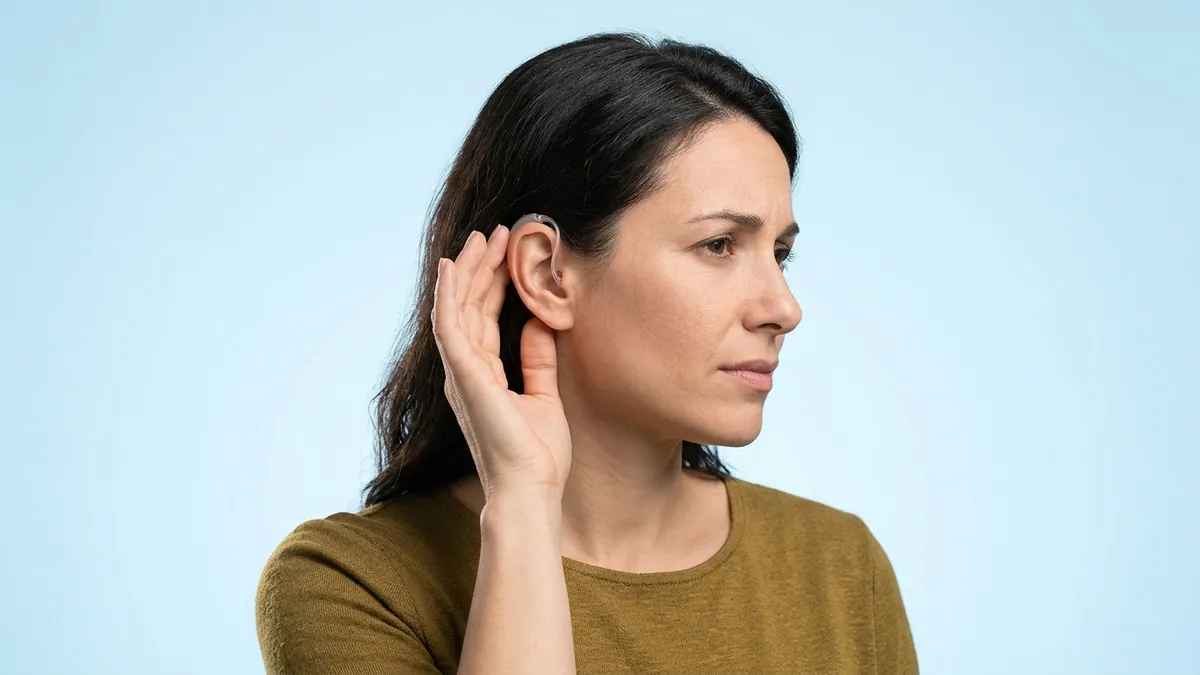
Have you ever woken up in the morning and looked in the mirror and noticed that one side of your face, especially in front of your ear, is swollen? Or do you feel a little pain when you eat or talk? You may have a condition called parotitis. Don't worry, let's talk about it in detail.
What is Parotitis?
Simply put, parotitis is an inflammation of the parotid glands, which are located on either side of our cheeks, in front of our ears and above our jawbone. These are two of the main glands that produce saliva in our mouths. Some people confuse it with mumps. Indeed, mumps is one cause of parotitis. However, there are many other causes of parotitis. This condition can be acute or chronic.
Who is more likely to get parotitis?
Actually, parotitis can affect people of any age . Because, as mentioned earlier, there are many causes for this. Not only the flu, colds (flu), HIV , some bacterial infections (staph infections), but also COVID-19 , which we are talking about these days, can be a cause. In childhood, this condition was commonly seen due to mumps (viral parotitis). But now, thanks to the MMR vaccine , it has decreased a lot. Anyone can develop this, regardless of race or color.
How does it feel when you have parotitis?
A person with parotitis will have a very swollen face, sometimes bilateral, as if it were filled with air. Some people may also have swelling on only one side (unilateral). This swelling is the main symptom.
What are the symptoms of a swollen thyroid gland?
These symptoms may vary depending on the cause of the parotitis. However, there are some common symptoms:
- Pain at the site of swelling
- Fever
- Feeling cold and shivering (Chills)
- Headache
- Sore throat
- General malaise
- Appetite
- Dry mouth or dry eyes (this is especially common with conditions like Sjogren's syndrome )
People with acute parotitis often experience severe pain when touching the parotid glands. However, people with chronic parotitis usually do not experience much pain or discomfort.
What causes this parotid gland swelling?
There are many reasons why a person's parotid gland may become swollen. The risk factors are not always clear. Things that may be associated with this swelling include:
- Mumps
- Herpes virus
- Epstein-Barr virus
- Influenza (common flu)
- COVID-19
- Bacterial infections such as staph infections
- Fungal infections such as Candida
- Diabetes Mellitus)
- Sialadenitis
- Sialolithiasis - Just like kidney stones, stones can form in the salivary glands.
- Salivary gland tumors (noncancerous or cancerous)
- Poor oral hygiene
- Dehydration
- Sjogren's syndrome - This is an autoimmune disease that affects the glands that produce moisture in the body.
- Sarcoidosis
- Tuberculosis
- Cystic fibrosis
- Eating disorders such as anorexia and bulimia
- Certain medications , for example, some antihistamines , antidepressants , and antipsychotics
- HIV infection
- Trauma to the mouth
- Teeth grinding or clenching (Bruxism)
- Dental malocclusion - This means that the teeth do not fit together properly.
- Alcohol use disorder
- Smoking or tobacco use
What virus causes parotitis?
Many different viruses can cause parotid gland swelling. However, the most common is the virus called MuV - the virus that causes mumps. In addition, viruses such as Herpes , HIV , Epstein-Barr, and COVID-19 can also cause this condition.
Is parotitis contagious?
Yes, if the cause of mumps is a viral or bacterial infection, it can easily be spread to others through saliva droplets . For example, when you cough, sneeze, or talk, saliva droplets are released. So, if you have contagious mumps, do not share your towels, eating utensils, or other items with others . Follow your doctor's instructions exactly and take your medication on time.
How does a doctor diagnose parotitis? (Diagnosis)
A doctor will first take a close look at your face. They may also examine the skin in front of your ears and along your jawbone.
To confirm parotitis, your doctor may massage your parotid gland from back to front. This will allow him to see if there is drainage/pus in your saliva.
Then, he or she may do bacterial culture testing to determine what type of treatment is best. For example, if bacteria are found in the pus, he or she will prescribe the appropriate antibiotics .
What is the best treatment for parotitis?
If the cause of parotitis is a viral, bacterial, or fungal infection, your doctor will prescribe antivirals, antibiotics, or antifungals . You can take painkillers like acetaminophen or ibuprofen to reduce pain. Your doctor may also recommend massaging or applying heat to the swollen parotid glands.
On the other hand, the treatment of parotitis often depends on the underlying condition that caused it. For example, if the parotitis is related to an autoimmune disease, your doctor may prescribe steroids . If it is caused by salivary gland stones, eating citrus fruits (e.g., lemon toffee) can sometimes help.
Important: It's best not to use any medication without consulting a doctor.
If nonsurgical treatments don't help, a surgery called a parotidectomy may be necessary. This involves removing all or part of the parotid gland. However, this surgery is usually only done for people with parotid gland tumors or parotid gland cancers.
Will parotitis get better on its own?
In some cases, the swelling of the parotid gland will go away on its own . However, your doctor may recommend treatments to help reduce symptoms and help you recover faster. So it's best to see a doctor.
How can you prevent parotitis?
The best way to prevent acute mumps is to get the MMR vaccine . You can reduce your risk of developing other types of mumps by:
- Stay hydrated. It is very important to drink at least 8 glasses of water a day.
- Wash your hands frequently, especially before eating and after using the bathroom.
- Get adequate nutrition. Eat a balanced diet.
- Practice good oral hygiene.Brush your teeth twice a day and use dental floss.
- Don't smoke.
- Reduce or stop alcohol consumption (Avoid alcohol).
- Practice safe sex ( to protect yourself from things like HIV)
What happens if I have mumps? Will I get better?
The prognosis for people with mumps is generally very good with treatment . The condition usually gets better in about seven to ten days. Even without treatment, most people recover completely without complications. However, it is important to see a doctor to find out exactly what is wrong.
When should I see a doctor?
If you suddenly develop a large swelling on your face, especially if it is accompanied by signs of infection such as fever and chills, you should see a doctor immediately.
Because the symptoms of parotitis can sometimes be similar to those of salivary gland cancer , it is important to seek immediate medical attention and receive the necessary treatment.
What questions should you ask the doctor?
If you have mumps, you may want to ask your doctor questions like:
- "What is causing my parotid gland to swell?"
- "Do I have a parotid gland infection? If so, is it viral, bacterial, or fungal?"
- "Do I need a prescription?"
- "What can I take for the pain?"
- "How long should I stay away from work/school? (If it's contagious)"
- "Will I need surgery?"
💡 Finally, take-home message:
Mumps is usually not dangerous, but it can be very uncomfortable. If you have a parotid gland infection, it's best to stay isolated until you're no longer contagious. Most people recover within 10 days.
But remember, parotitis can often be a symptom of an underlying medical condition, so it's best to see a doctor for an accurate diagnosis and appropriate treatment. Don't try to self-medicate, okay?






Janiw kuna arsuwinakas jichhakamax uñt’ayatäkiti. Aka chiqanx amuyt’awim jan ukax jiskt’awim yapxatañamawa.