
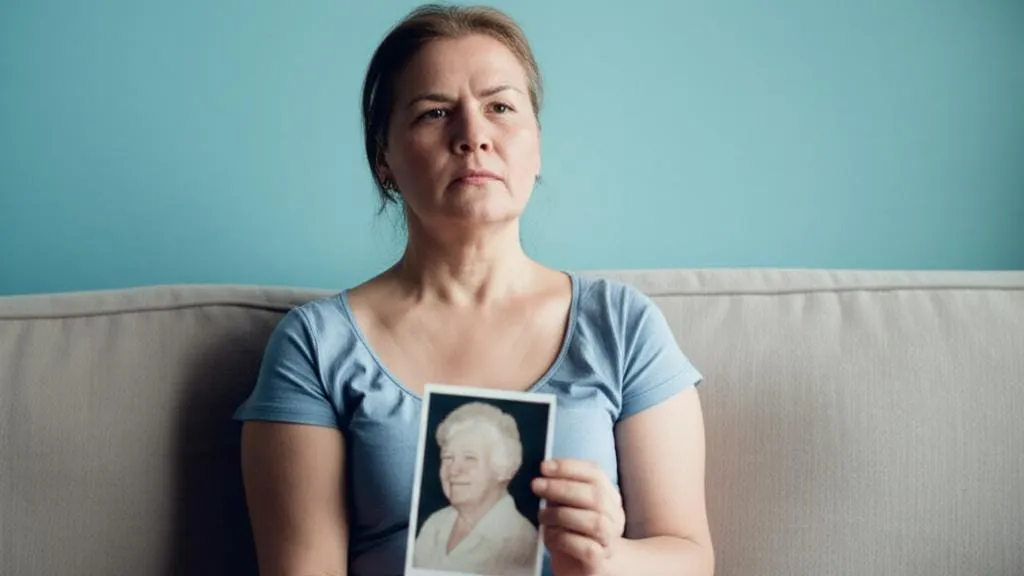
When someone you love, whether it's your mother, father, partner, or child, is sick, caring for them adds a huge responsibility to your life. You may not have even thought about the immense stress that comes with that responsibility. Because your full attention is focused on the patient, it's easy to forget about yourself. But this can be very dangerous. Because, if this stress is not controlled, it can turn into a condition called depression .
It is normal to feel sad and depressed when faced with life's challenges, setbacks, or losses. But sometimes, this sadness and depression become so intense and long-lasting that it makes it impossible to live your normal life. This is what we call depression, or in medical terms, Major Depressive Disorder''.
The important thing is that depression is not a personal weakness or a sign that you are unable to care for your loved one. It is a condition that can be completely cured with treatment.
Studies have even found that more than half of caregivers show signs of depression. They are also more likely to take medication for depression and anxiety than others their age. Therefore, it is very important to be aware of this early and seek treatment if necessary.
GAD-7 ukax llakisiñ uñakipiri. 7 jiskt’awinakaru jaysaña, trastorno de ansiedad generalizada uñakipañataki. Sapa kutiw mä profesional de salud mental ukar jiskt’asiñama, ukhamat diagnostico lurañataki.
Why is it important to seek treatment for depression quickly?
Thinking "it's just fine" can be dangerous. There are several reasons:
- If left untreated, depression can get worse day by day.
- Severe depression that is left untreated can even lead to suicide .
- Many people who do not seek treatment do not fully recover from depression.
- Proper treatment can prevent relapse of depression.
- Your depression may be a symptom of another illness that can become serious if left untreated.
What are the symptoms of depression?
If you have had the symptoms in the table below for more than two weeks , be sure to see your doctor and discuss this.
| Symptom category | Feelings and changes |
|---|---|
| Mental and emotional | Feeling "empty" in the mind, constant sadness and anxiety. Seeing the future in a gloomy way, feeling guilty, helpless, and worthless. Feeling constantly angry and stressed. |
| Energy and enthusiasm | Feeling constantly tired and lacking energy, both mentally and physically. Losing interest and pleasure in things that used to be enjoyable. |
| Sleep and food | Changes in sleep patterns - waking up early in the morning, insomnia, or sleeping too much. Eating and weight problems (weight gain or loss). |
| Physical characteristics | Frequent crying. Body aches that come for no reason and don't go away no matter how much medication you take. Stomach upset and digestive problems. Decreased sexual desire. |
| Thinking ability | Difficulty concentrating, remembering things, or making decisions. |
| The worst symptoms | Thoughts about death or suicide. |
What if I feel like committing suicide?
If you are having any thoughts of suicide, please seek professional help immediately . Don't delay. Call the National Mental Health Helpline in Sri Lanka on 1926. Or, go to the Emergency Treatment Unit (ETU) of the nearest hospital.
What are the treatments for depression?
The good news is that most people with depression can be successfully treated. There are two main types of treatment. Sometimes both can be used together.
1. Antidepressant Medication:
There is no single cause of depression. It is a complex condition. It is believed to be related to problems in the functioning of the circuits in the brain that control mood. Antidepressant medications work by balancing the activity of chemicals in the brain called neurotransmitters , which help improve communication between brain cells. This improves mood. Your doctor will prescribe the right medication for your condition.
2. Psychotherapy:
Simply put, this is a talking therapy . In this, you talk to a trained professional (a counselor or psychiatrist) to focus on the behaviors, feelings, and thoughts (especially negative thought patterns) that are causing your depression. Through this therapy, you can help people understand how situations, such as caring for a sick person, can contribute to depression and what can be done to address those issues. This can be a great way to regain control and happiness in your life.
When should I seek medical advice?
If you experience one or more of the following, seek professional help immediately, i.e. your doctor.
| When to see a doctor | |
|---|---|
| Depressive symptoms lasting more than two weeks | A clear setback in work or education |
| Excessive worry | Alcohol or drug addiction |
| Inability to handle daily life responsibilities | Irrational fear without reason |
| A major change in sleep or eating patterns | Ongoing physical pain and illnesses |
| Being isolated and isolated from others for a long time | |
| Situations that require immediate hospitalization (go to the ETU) | |
| Suicidal thoughts or thoughts of harming others. | |
| Self-harm, self-destructive or dangerous behavior. | |
Can't depression be prevented?
Yes, there are some practical things you can do to reduce your risk of depression.
- By staying physically fit and eating a balanced diet , you can prevent other illnesses that can cause depression.
- If you are taking medication for other conditions, follow your doctor's instructions carefully . Depression can also occur as a side effect of some medications.
- Most importantly, seek medical advice as soon as you begin to feel overwhelmed by your caregiving responsibilities, or if you notice any changes in your health, thoughts, or behavior.
💡 Take-Home Message
- The stress of caring for someone you love is normal, but if ignored, it can develop into depression.
- Depression is not a weakness, it is a condition that can be completely cured with treatment.
- Be aware of symptoms such as prolonged sadness, lack of energy, and loss of interest in things you used to enjoy.
- Taking care of yourself is just as important as taking care of others. If you need help, never hesitate to talk to your doctor.
- If you have suicidal thoughts, call 1926 immediately or go to the nearest hospital Emergency Department (ETU).






Janiw kuna arsuwinakas jichhakamax uñt’ayatäkiti. Aka chiqanx amuyt’awim jan ukax jiskt’awim yapxatañamawa.