
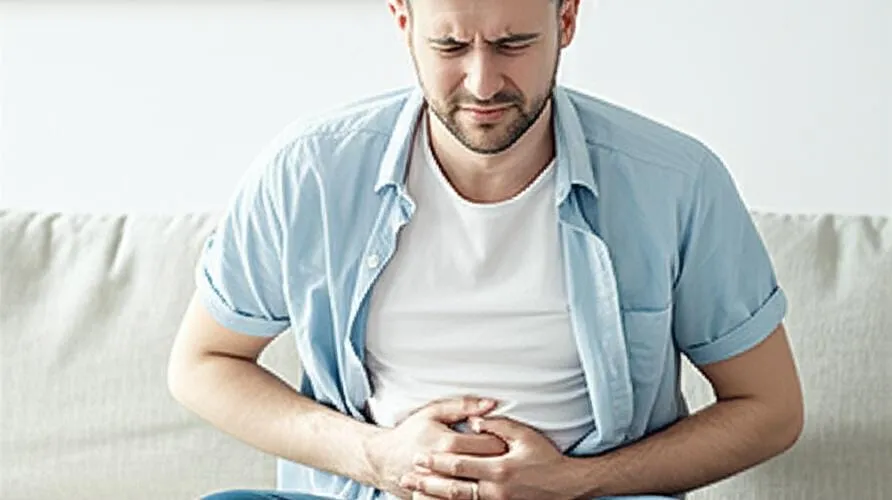
It seems a bit embarrassing to talk about flatulence and flatulence, doesn't it? While little children laugh when they hear these words, adults like us try to pretend it didn't happen. But sometimes, there are times when we can't control this and get into trouble. We all produce gas in our bodies, but many people don't know about it. So today, let's put this embarrassment aside and talk in detail about what is called flatulence.
The one that goes up and the one that goes down... How do these two come together?
Simply put, there are two main ways that gas is produced in our body.
The first is the air we swallow . We unconsciously swallow air when we breathe, when we swallow food in a hurry, when we drink carbonated drinks (like soda), or when we chew gum. The gases in this air, such as oxygen, nitrogen, and carbon dioxide, enter the body.
"We expel most of the air that enters the body in this way as gas," doctors explain. "If it is not expelled in this way, that air can travel down our digestive tract and cause discomfort such as flatulence or bloating."
The second process occurs inside our intestines. After we eat food, our bodies absorb the nutrients it needs. Then the remaining food, the indigestible parts, are broken down by the good bacteria in our large intestine. This process produces gas. This gas is what we usually call farting.
Normally, this type of breath does not have an odor. However, eating certain foods, especially foods that contain sulfur (for example, eggs, meat, cabbage, etc.), can add a pungent odor to the breath. Also, some bacteria can produce gases such as methane or hydrogen sulfide, which can cause an odor.
What foods cause gas in the stomach?
Remember the poems you used to read when you were in school? The poems about beans are actually true. Some foods are a little harder for our bodies to digest, so they cause more gas. Let's see what these foods are.
| Type of food | Description |
|---|---|
| Legumes such as lentils, beans, and chickpeas | The complex carbohydrates in these foods are difficult to digest, resulting in more gas production. |
| Some vegetables | Vegetables like broccoli, cauliflower, Brussels sprouts, cabbage, and onions. |
| Whole-grain | Things like whole grain bread and bran cereals. |
| Types of sugar | Sugar in fruits and fruit drinks, as well as high-fructose corn syrup in artificially made foods. |
| Artificial sweeteners | Artificial sweeteners found in diet drinks and sugar-free foods, especially sorbitol, are known to cause gas. |
Additionally, some people cannot digest lactose, a sugar found in milk and dairy products. This condition is called Lactose intolerance.'' If you have this condition, you may experience gas and bloating after drinking milk or eating yogurt.
But remember, don't stop eating fruits, vegetables, and grains just because they cause gas. They are very good for our health. You just have to be a little careful about what foods cause you the most discomfort.
Do you think this will be 'too much'?
It is normal for a healthy person to pass gas 10 to 20 times a day. Most people who come to a doctor saying, "I have a lot of gas," do not actually have abnormal gas buildup in their bodies.
Some people may be a little more sensitive than others. That is, even if they have a normal amount of gas in their stomach, it feels very uncomfortable. Even with X-rays, they don't see an abnormal amount of gas in their intestines. That means the problem isn't the amount of gas, it's how you feel.
Holding in air doesn't cause any major health problems, but it can cause stomach pain or discomfort.
However, if you are passing gas more than 50 times a day, and are also experiencing other symptoms such as severe abdominal pain, bloating, or passing blood or oily material in your stool , it is very important to see your doctor for advice.
Simple ways to reduce gas
If you're feeling physically or socially uncomfortable because of this gas problem, there are a few simple things you can do to reduce it.
- Eat slowly and chew your food well. When we eat in a hurry, we swallow air without realizing it.
- Reduce chewing gum.
- Avoid drinking carbonated drinks like soda.
- Limit foods and drinks containing artificial sweeteners.
- Eat foods that are known to cause gas (e.g. beans, cabbage, lentils) in moderation.
- If you have lactose intolerance , limit milk and dairy products.
- Exercise can help with digestion.
Are there any medications for this?
Although there is no single cure for this, some over-the-counter medications can provide some relief. But remember, it is always safest and best to talk to your doctor before using any medication.
- Simethicone: (Brand names include Gas-X, Mytab, Phazyme). These work by breaking up gas bubbles that form in the intestines, allowing them to pass more easily.
- Alpha-galactosidase: (Example: Beano). This is an enzyme. It helps break down the hard-to-digest sugars found in vegetables and grains.
- Lactase: (Ex: Lactaid, Surelac). This enzyme helps people who are lactose intolerant. When taken before eating dairy, it helps digest lactose.
Even if these provide some relief, if your problem persists or other symptoms develop, be sure to seek medical advice.
💡 Take-Home Message
- Having a bowel movement and passing gas is nothing to be ashamed of, it's a very normal process that happens in everyone's body.
- The types of foods we eat and the way we eat them directly affect the formation of gas in the stomach.
- This condition can be largely controlled with simple lifestyle changes, such as eating slowly, limiting certain foods, and exercising.
- It's normal to pass gas up to 20 times a day. However, if you have other symptoms, such as severe abdominal pain or blood in your stool , see your doctor immediately.






Janiw kuna arsuwinakas jichhakamax uñt’ayatäkiti. Aka chiqanx amuyt’awim jan ukax jiskt’awim yapxatañamawa.