

Have you ever wondered what the difference is between a "Gynecologist" and an "Obstetrician"? Although we often think of them as the same, there are slight differences in the responsibilities of the two. But don't worry, both of them work for the health and well-being of women. Today, we will talk about this in a very simple way that you can understand.
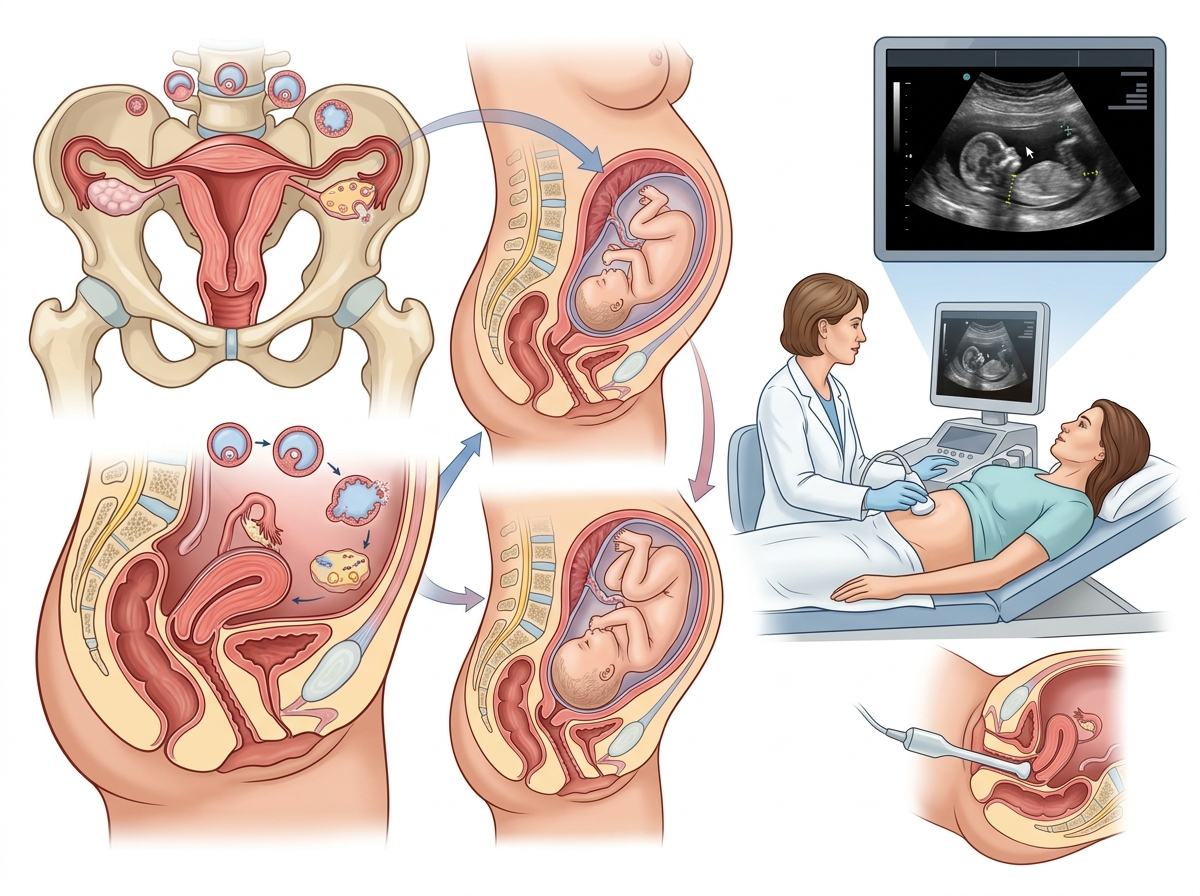
Who are these gynecologists and obstetricians?
Simply put, these two are doctors who specialize in the female reproductive system, that is, the uterus , vagina , and related health issues.
A gynecologist is a doctor who focuses on a woman's general reproductive health . This means that whenever you are not pregnant, you will be referred to a gynecologist for any problem or examination related to your reproductive system.
An obstetrician is a doctor who specializes in pregnancy , childbirth , and the postpartum period. This means that if you are expecting a baby, an obstetrician will take care of you throughout your pregnancy and until the baby is born.
But many doctors in our country have specialized knowledge in both these fields. We call them Visiting Obstetrician and Gynaecologist (VOG) . Such a doctor can take care of your general gynecological problems, look after you during pregnancy, deliver your baby, and check on your health after that. This is very convenient, because the same doctor knows your entire health history.
What are the main responsibilities of these doctors?
Please refer to the table below to clearly separate the responsibilities of these two.
| Obstetrician - Pregnancy and childbirth | Gynecologist - General women's health |
|---|---|
| Fertility treatment for those who have difficulty having children | Annual health check-ups and advice |
| Taking care of the health of the mother and child during pregnancy | Cervical and breast cancer screening (e.g. Pap Smear, Mammogram) |
| Childbirth (normal and Cesarean Section) | Treatment for urinary tract problems |
| Coordination of newborn health issues (NICU care) | Diagnosing and treating sexually transmitted diseases (STDs) |
| Checking on the mother's health after childbirth (Post-natal care) | Treatment of uterine diseases (e.g. fibroids) |
| Management of complications during pregnancy (e.g., preeclampsia) | Treatment for menstrual cycle problems (heavy bleeding, pain) |
When should you see a doctor?
How often you should see a gynecologist depends on your age, health, and whether you are pregnant. Here are some examples.
Pap Smear
In general, it is very important for any woman with a cervix after the age of 21 to have a Pap test every three years . This can help identify if you are at risk of developing cervical cancer early. A gynecologist will help you do this test.
Birth Control and Family Planning Methods
A gynecologist will help you choose the birth control method that is best for you. Your health historyHe or she can decide what method is best for you, taking into account factors such as your lifestyle.
Sexually transmitted diseases (STDs)
If you experience unusual itching, pain, or unusual vaginal discharge after sex, you should see a gynecologist to investigate and receive the most appropriate treatment .
Pregnancy
From the moment you find out you're pregnant, you come under the care of an Obstetrician or VOG. These doctors are best versed in the special health needs that arise during pregnancy.
What happens when you go to see the doctor?
Many people, especially young people, are a little scared and embarrassed to go see a gynecologist. But it doesn't have to be that way. The doctor is there to help you. Here's what usually happens.
When visiting a gynecologist
First, your height, weight, and blood pressure will be checked. Then, the doctor will ask you a few questions about your health history and menstrual cycle. Next, if necessary, a breast exam and a pelvic exam will be performed. If you are feeling embarrassed or scared, don't hesitate to tell your doctor . If you are having a Pap test, a special instrument will be used to take a sample of cells from your cervix. It may be a little uncomfortable, but it is not painful.
When visiting an obstetrician during pregnancy
Visiting the doctor during pregnancy is a little different. Your weight and blood pressure will be checked at each visit. A urine sample will be tested to check for signs of conditions that can occur during pregnancy, such as preeclampsia or gestational diabetes. The doctor will listen to the baby's heartbeat, feel your belly, and check the size and position of the baby. In addition, they will order tests such as scans depending on your health.
Take-Home Message
- A gynecologist is your doctor for general women's health, things like Pap tests, birth control, and menstrual problems.
- An obstetrician is a doctor who specializes in pregnancy, childbirth, and the postpartum period.
- Most doctors in our country are obstetrician-gynecologists (VOG) who cover both.
- If you notice any changes in your body, unusual pain, or any other problem, don't be shy or afraid to see a doctor. The earlier it is detected, the easier it is to treat.
- Ask your doctor any questions you have. Don't think, "What will he think if I ask this?" You have every right to be informed about your health.
ukat juk’ampinaka Doctoran qillqatapa
ukat juk’ampinaka Warminakan k’umaräñapataki, sistema reproductivo ukan seguridad ukat taykan k’umaräñapatakix chiqapuniw taqpach familian k’umaräñapatakix jan walt’ayi.
- ukat juk’ampinaka Ukax wali askiwa, sapa kutiw Pap Smear ukar yant’añax wakisi, ukhamat cáncer de cuello uterino ukar jan usuntañataki.
- ukat juk’ampinaka Janiwa jani yäqañakiti ciclo menstrual ukanxa jan wali mayjt’awinaka, sinti calambres abdominales jan ukaxa sinti wila mistuña ukatxa ginecólogo ukar sarañawa.
- Usuñ pachanx clínicas antenatales programadas ukar sum sarañax taykax wawarux jan kuna jan walt’äwin uñjasiñapatakiw yanapt’i.
❓ ukat juk’ampinaka Mä qawqha juk’amp jiskt’äwinakampiw jikisipxasma (FAQ) .
ukat juk’ampinaka ¿Kunatsa Ginecólogo ukat Obstetra ukanakax mayj mayjaxa?▼
ukat juk’ampinaka Mä Ginecólogox warmin sistema reproductivo ukat hormonas ukanakan usunakap qulli, ukatx Obstetrax tayka ukat wawar usuriptañ pachan, ususiñ pachan ukhamarak ususiñ pachan k’umaräñapatakiw yatxati. Walja qullirinakax uka pä tuqit yatxatatäpxiwa (OB-GYN).
ukat juk’ampinaka ¿Kuna maranisa warmixa ginecólogo ukar uñjañapa?▼
ukat juk’ampinaka 13-15 maranitpachaw ginecólogo ukar uñjañ qalltasma, ukhamat iwxt’awinaka jan ukax ciclo menstrual ukan jan walt’awinakapata.
ukat juk’ampinaka ¿Kunatsa Pap sat qullax lurañapa?▼
ukat juk’ampinaka Mä prueba de Pap Smear ukax sapa kutiw lurasispa, ukhamat cáncer de cuello uterino ukan jan walt’awinakapat nayrïr pachat yatiñataki ukhamarak jark’aqañataki.





💬 Comments (0)
No comments have been posted yet. Add your comment here for the first time.
Add your comment