
⚡ Herramienta Clínica de Salud uka tuqita
Jilïr jaqinakan TDAH Autoinforme Screener Calculadora (WHO ASRS-v1.1) .
Escala de Autoinforme de TDAH Adulto de la OMS (ASRS-v1.1 Parte A) ukan 6 jiskt’äwin validada ukan uñakipirip apsuñamawa, ukhamat jilïr jaqinakan jan yäqawipa, disfunción ejecutiva ukat hiperactividad ukanakat uñakipañataki.
Simply put, what is the Feingold Diet ?
The Feingold Diet is a dietary regimen that completely eliminates certain foods and their ingredients from a child's daily diet. To be precise, it's called an 'elimination diet'. The proponents of this diet believe that artificial food coloring, artificial sweeteners, preservatives, and even certain chemicals naturally found in some fruits and vegetables can exacerbate a child's attention and behavior problems.But there 's one very important thing to remember. If your child has been prescribed medication or other therapy for a condition like ADHD by a doctor, it's best not to use this type of diet in place of that treatment . This can be done as an add-on, but only after talking to your doctor and with his approval and advice.
What things need to be removed according to this method?
In this diet, some foods have to be completely avoided. These can be found not only in food, but also in the medicines and toothpastes that the child uses. Therefore, you need to be very careful about this. You can clearly understand this from the two tables below. Table 1: Artificial Substances to be Removed
In addition to these artificial ingredients, this method also removes foods containing salicylates , a special chemical found in some natural foods.| Type | Description and examples |
|---|---|
| Artificial food coloring and flavorings | Artificial substances used to give color and flavor to many things like biscuits, cakes, toffees, and soft drinks. |
| Artificial fragrances | Artificial fragrances are added to some foods, as well as home air fresheners, some soaps, and lotions. |
| Artificial sweeteners | Sugar substitutes like Aspartame, Sucralose, and Saccharin are found in many drinks and foods that are labeled 'sugar-free'. |
| Preservatives | Especially BHA, BHT, and TBHQ . These are used to preserve packaged foods, cereals, and oils. |
Table 2: Natural foods high in salicylates
| Food category | Examples |
|---|---|
| Fruit | Apples, apricots, berries (strawberries, raspberries), cherries, grapes, raisins, nectarines, oranges, peaches, plums. |
| Vegetables | Cucumbers and pickles, bell peppers (chili peppers), tomatoes. |
| Other | Almonds, coffee, tea. |
How do you do this diet?
This diet is done in two main stages.Stage 1: Complete elimination of food
In this phase, all the foods and substances listed in the above tables are completely eliminated from the child's diet. This can be a bit difficult, as many foods fall into this list. Some people who follow this method say that they have seen a positive change in their child's behavior and attention span within a few days.Phase 2: Re-introducing food
After the first phase, the foods that were eliminated are reintroduced to the child one by one, very carefully. Imagine that you are acting like a detective. You only introduce one food at a time. For example, you can give the child an apple and see if there is a change in their behavior for a few days. You see if the previous symptoms such as mischievousness and lack of attention reappear. If so, we can think, "Oh... this is the type of food that my child does not like." This way, we can find out exactly what foods are harmful to the child and what foods he is sensitive to.Does this really work? What is the scientific basis?
This is the most important question. The Feingold Diet was introduced in the 1970s by Dr. Benjamin Feingold, a former pediatrician and allergist in the United States. The results of the research on this are really mixed. Some studies say that this method can help reduce ADHD symptoms in children who are particularly sensitive to these foods. But this is not something that gives the same results for every child .The important thing is that these foods have not yet been scientifically proven to cause ADHD or learning disabilities. However, they may exacerbate symptoms in children who are sensitive to them.Even the US Food and Drug Administration (FDA) says that things like artificial colors can only cause adverse effects in children who are genetically sensitive to them. That doesn't mean everyone.
Other things to consider besides the Feingold Diet
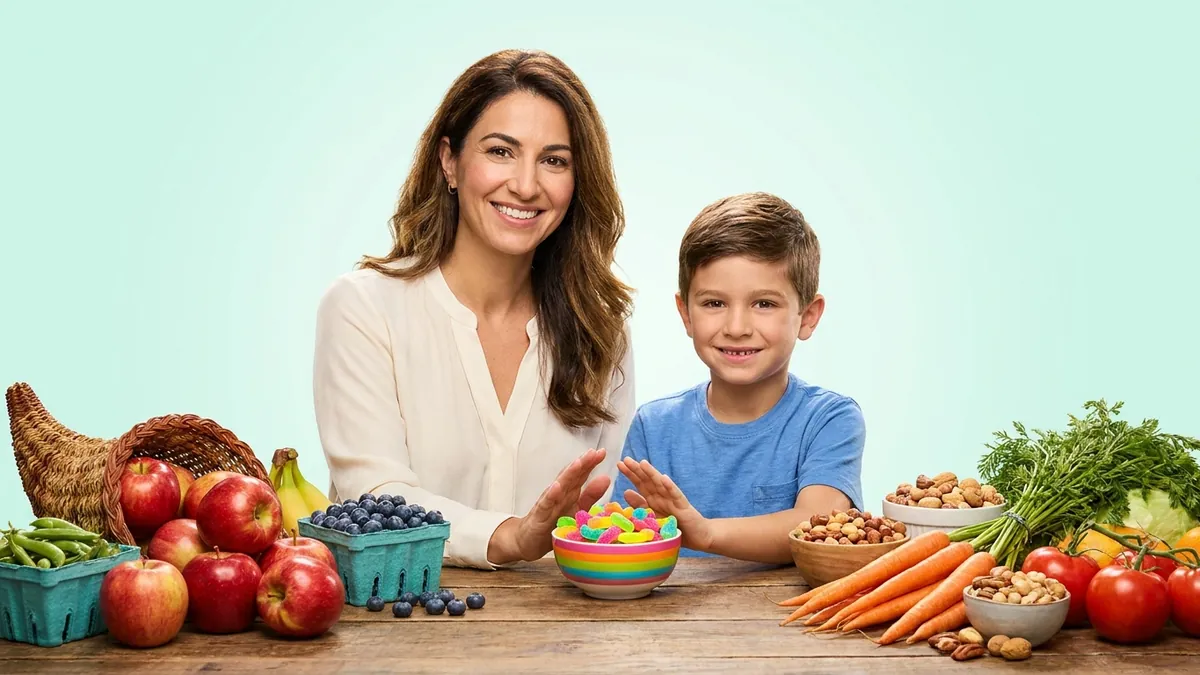
If following a specific diet like this is difficult, there are other good habits that are beneficial to the child's overall health.- A balanced, healthy diet: Research has shown that children who eat a lot of packaged foods, foods high in sugar and salt, but low in nutrients like omega-3, fiber and folate, are more likely to develop ADHD. Similarly, children who eat a diet rich in fish, fresh fruits, vegetables, nuts and whole grains are less likely to develop ADHD. So, it's always best to feed your child as much natural, homemade food as possible.
- Blood sugar control: Artificial coloringGiving a fruit or yogurt instead of toffee, biscuits, or sugary drinks will prevent your child's blood sugar levels from suddenly rising and falling. Keeping blood sugar levels stable in this way can also help control ADHD symptoms .
- Be careful with gluten: Another small study found that about 15% of children and adults with ADHD also have a condition called celiac disease. This is a condition in which the body cannot digest gluten, a protein found in grains like wheat and barley. When these people are given a gluten-free diet, their attention and behavior problems have improved to some extent. While this may not apply to everyone, you may want to talk to your doctor about this.
💡 Take-Home Message
- The Feingold Diet is a special diet that eliminates artificial colors, flavors, preservatives, and even natural foods that contain salicylates.
- This is not a proven treatment for conditions like ADHD, but it may help relieve symptoms in some children who are sensitive to certain foods.
- Very important: Never stop taking any medication or treatment prescribed by your doctor and start this type of diet.
- Before making any major changes to your child's diet, be sure to discuss it with your doctor.
- Rather than following a specific diet, feeding your child a balanced diet consisting of fresh fruits, vegetables, and home-cooked meals is very beneficial for his overall health and brain function.






Janiw kuna arsuwinakas jichhakamax uñt’ayatäkiti. Aka chiqanx amuyt’awim jan ukax jiskt’awim yapxatañamawa.