
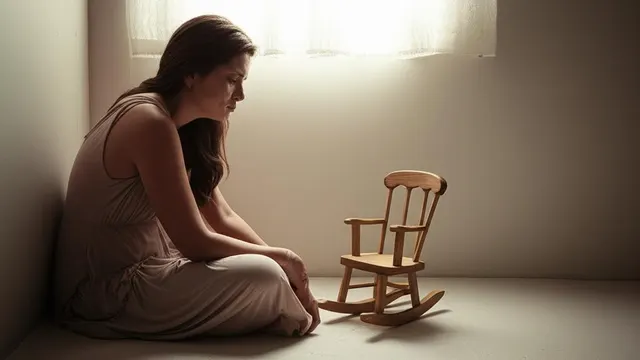
We all think and say that parents should die before their children. But life doesn't always work out the way we think it "should." Sometimes, in unexpected ways, parents have to face the unbearable pain of losing their own child . It's a pain that can't be described in words.
Know your body mass index (BMI) and weight classification
What is the grief of losing a child?
Grieving the loss of a child is a long, difficult journey. You've probably heard about the stages of grief. But the truth is, while these stages are common, not everyone grieves the same way. It's especially different when grieving for a child.
You may experience only a few of these reactions. These stages may come out of order. The amount of time each person spends in each stage is different. Sometimes you may experience the same stage over and over again.
The five commonly discussed stages of grief are:
1. Denial
2. Anger
3. Bargaining
4. Depression
5. Acceptance
Now let's talk about each of these stages in a little more detail.
1. Denial
This is often the first stage of grief. It's actually your brain's way of protecting you from an overwhelming shock. It involves thinking, "No, that didn't happen," or pretending not to feel what you're feeling.
| How you feel inside | How it looks outside |
|---|---|
| A feeling of no feeling (like numbness) | Postponement of work |
| Confusion, inability to concentrate | Skipping things |
| A big shock | Forgetting things |
| Feeling like everything is "shut down" | Diverting attention by engaging in other things |
| - | Telling others "I'm fine" |
2. Anger
This anger can be directed at anyone, at anything. It can be directed at yourself, at God, at the doctors, or at anyone you feel is responsible for this death. Sometimes this anger can be justified. But getting angry will only alienate the people who are supposed to help you.
| How you feel inside | How it looks outside |
|---|---|
| Intense anger, rage | Speaking sarcastically |
| Hatred, resentment | Always thinking negatively |
| Lack of patience | Constantly angry |
| A shame | Being aggressive or getting into fights |
| Feeling out of control | Increased alcohol or drug use |
At times like these, the best ways to manage these intense feelings are to exercise, connect with others, and seek therapy.
3. Bargaining
This is not always about making a deal with God. Often, this is the time to try to find the root cause of the tragedy you are facing. You may ask yourself questions like, "Why did this happen to us?" "For what crime did I get this punishment?" And you may feel a strong sense of guilt as you search for a reason. Thoughts like, "If only I had done that back then..." and "If only I had done this..." may fill your mind.
4. Depression
It is at this stage that you really begin to feel the full gravity of the event, the pain of loss, the disappointment, and the intense sadness. This is deeper than normal grief.
Remember, grief-related depression and clinical depression are two different things. However, grief-related depression can become severe and can progress to clinical depression. If you are unable to cope, be sure to see your doctor for advice.
Here are some common symptoms that can be seen at this stage:
- Frequent crying
- Sleep changes (not sleeping or sleeping too much)
- Changes in eating habits (anorexia or overeating)
- Loss of interest in social interactions
- Losing motivation for anything
- Increased drug or alcohol use
5. Acceptance
This is the stage where your mind can finally process this loss and begin to move on. You may still feel other emotions (sadness, anger), but at this stage you have come to some kind of resolution, an agreement.
Acceptance doesn't mean you don't feel sad, or that you forget about your child. It means that you no longer fight reality, no longer avoid it, but start living with it.
How do you deal with grief?
There is no one right way to grieve. The loss of a child is especially painful, so no one can predict what your grief journey will be like. However, some ways of dealing with grief are healthier than others.
Unhealthy practices to avoid
- Excessive alcohol consumption or drug use.
- Drunk driving.
- Uncontrolled spending (compulsive spending).
- Risky sexual behavior.
- Trying to control others or being abusive.
- Hoarding.
- Self-harm and suicidal ideation.If you have these thoughts, see your doctor immediately or admit yourself to the hospital's Emergency Treatment Unit (ETU).
Tips for coping with grief in a healthy way
- Allow yourself to feel all the emotions you feel. Even if those emotions are contradictory, even if you think, "I don't want to feel this way," let them all be. That's part of the process.
- Keep a journal. Writing down your feelings can be a great help in understanding and releasing them.
- Don't put a time frame on your grief. Don't force yourself to say, "I need to get over this now." It takes time to heal.
- Find a way to remember your child who died. For example, you could create a tradition, such as giving alms on the child's birthday or doing something they liked.
- Use your support system. That means your family, friends, religious groups, or grief support groups. Don't try to carry this burden alone.
- Seek professional help. If these healthy methods don't help, and you feel like you're resorting to unhealthy coping mechanisms, consider seeking grief therapy . It's important to see a qualified counselor or psychiatrist who specializes in grief.
Life after losing a child
There is a saying that "time heals all wounds," but that's not entirely true when it comes to grief. No matter how much you "accept" the loss, you will always live with the pain of losing your child. From time to time, you will feel sadness, the pain of loss, and despair.
But, time will heal your grief. As you begin to heal, the pain will become less intense and less excruciating. You will adjust to a new way of life. Your life will move forward. In the meantime, the memory of your child will always be held in a special place in your heart.
💡 Take-Home Message
- Grief over the loss of a child is a very personal and individual journey. There is no "right" or "wrong" way to deal with it.
- The stages of grief are not a fixed order. They are just commonly observed responses.
- Allow yourself to feel every emotion you feel (sadness, anger, guilt) without judgment.
- Seek support from your family, friends, and support groups if needed. Don't suffer alone.
- If you are having difficulty coping with your grief or are having thoughts of harming yourself, seek professional help from your doctor or a mental health counselor immediately.
- Remembering your child with love can be a beautiful part of the healing process.





No comments yet. Be the first to share your question or experience below.