Aka qillqatan qillqatanakapa (Tabla de Contenidos) .▾
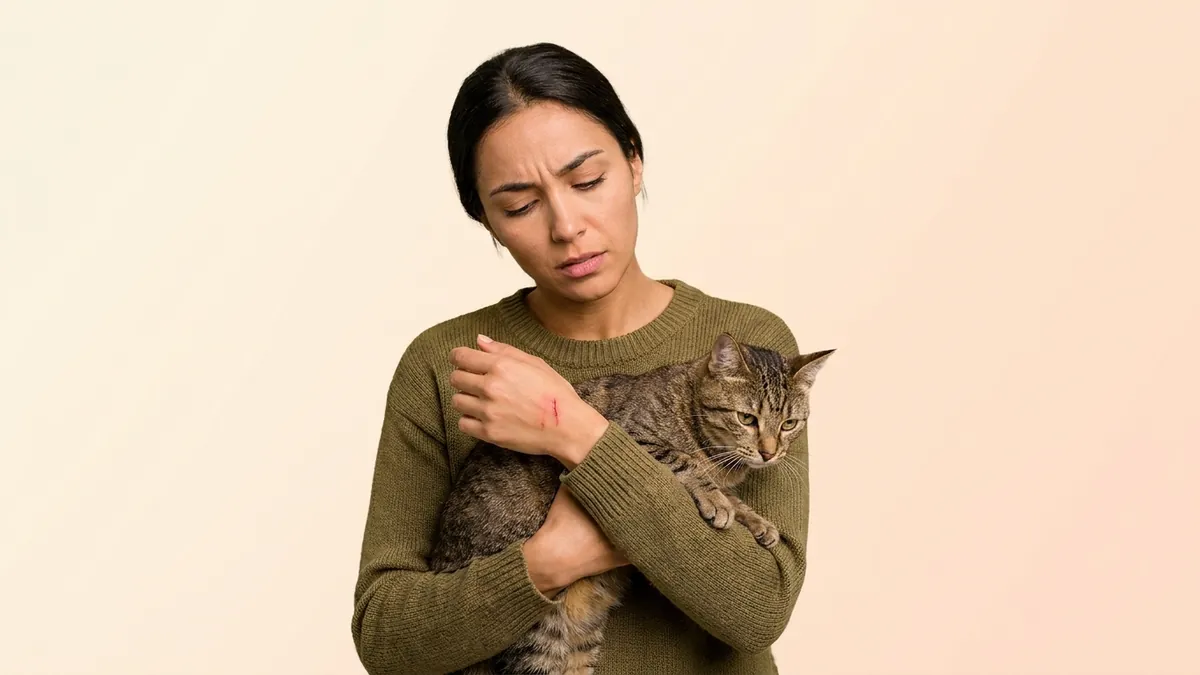
We don't really care if our beloved cat or dog at home gets a little scratched or bitten while playing, do we? Most of the time, we just wash the wound and leave it alone. But did you know that even a small wound like that can introduce dangerous germs into our bodies in ways we never thought possible? Today we're talking about a bacteria that lives in the saliva of animals, especially in their mouths.
What is Pasteurella?
Simply put, Pasteurella is a group of bacteria that live in the bodies of animals, especially in their respiratory tracts and mouths. They are also called zoonotic bacteria. This means that they can easily be transmitted from animals to humans. We most often get this infection from pets like dogs and cats. The most common species found in humans is Pasteurella multocida . This bacteria is normally found in the saliva and feces of dogs and cats. It is not a problem for them, and it does not make them sick. However, if this bacteria gets into humans or other animals, the situation can be a little more serious. Just think about how serious this bacteria can cause other animals:
Pigs: Atrophic rhinitis is a disease in which the bones in the nose melt away.
Birds like chickens and turkeys: Causes deadly, rapidly spreading cholera (fowl cholera).
In animals such as deer, cattle, and goats: It causes a severe condition called hemorrhagic septicemia, which causes internal bleeding and death within 24 hours.
There are also other types of Pasteurella that can cause infections in humans. For example , Pasteurella canis, a bacteria that is common in dogs, can cause skin infections in humans.
The most important thing is to remember that even if our pet is healthy and has no illness, this bacteria can still be present in the saliva in their mouth.
What are the symptoms of a Pasteurella infection?
Often, the first and most common symptom of this infection is a soft tissue infection at the site of the animal bite or scratch . Typically , swelling, redness, severe pain, and pus can be seen around the wound within 24 hours. However, sometimes this can be more serious than a simple wound infection. If this bacteria gets inside the body, it can cause serious complications, especially in people with weakened immune systems, the elderly, people with chronic diseases such as diabetes, or young children.
Potentially serious condition
Symptoms felt
Cellulitis
The infection spreads deep into the skin. The skin around the wound becomes red, swollen, and feels warm. There may also be blisters, fever, and chills.
Necrotizing fasciitis
This is a very dangerous condition. It is also called "flesh-melting disease." The infection causes the tissue under the skin to begin to die. It can spread quickly and lead to organ failure, sepsis, and even death.
Arthritis
Bacteria entering a joint. The joint becomes red, swollen, feels warm, has a fever, and is too painful to use.
Osteomyelitis
The infection spreads to the bone itself (bone spur). Symptoms include swelling, pain, redness, and fever at the affected site.
Meningitis
Swelling of the membranes surrounding the brain and spinal cord. Fever, severe headache, stiff neck, nausea, vomiting, and sensitivity to light. This is a very serious emergency.
Septicemia/Sepsis
Infection in the blood poisoning). Symptoms include fever, rapid heartbeat, difficulty breathing, and confusion. It can even be life-threatening.
How is this treated and diagnosed?
If you have been bitten or scratched by an animal and the wound is unusually swollen and painful, see a doctor immediately.Yes. He will examine the wound.
Diagnosis
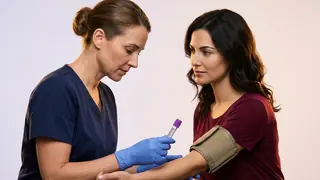
The doctor will often diagnose the condition based on symptoms. If necessary, a blood test may be done to check the extent of the infection. Sometimes, especially if the wound is deep or there is a suspicion of bone damage, an X-ray may be done. This can help to check for a fracture or a condition such as osteomyelitis.
Treatment methods
Treatment depends on the severity of the infection.
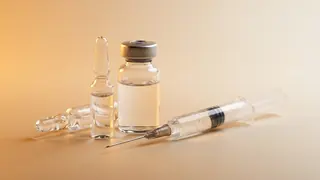
Antibiotics: The main treatment for Pasteurella infections is antibiotics . This bacteria is highly susceptible to common antibiotics such as amoxicillin and penicillin . A course of treatment is usually prescribed for 7-10 days. However, if the infection is severe, you may need to take the medication for a longer period of time.
Surgery : In cases of very severe, deep infections like necrotizing fasciitis, surgery may be necessary. Here, doctors remove all the tissue that has been destroyed by the infection.
Other vaccinations: Since you were infected by an animal bite, your doctor may also recommend that you get vaccinated for tetanus and possibly rabies as a precaution.
How to prevent a Pasteurella infection?
The best way to avoid this infection is to avoid being bitten or scratched by pets. And be careful about these things too.
If you have a cut, scrape, or open wound on your body, do not let your pets lick it . Be careful not to get their saliva on the wound.
If you are accidentally bitten or scratched by an animal, the first and most important thing to do is to immediately clean the wound thoroughly with soap and running water. Wash for at least a few minutes.
After cleaning the wound, be sure to see your doctor for advice. Even if the wound is small, it's safest to see a doctor. Then, if necessary, treatment can begin.
💡 Take-Home Message
Pasteurella is a bacteria commonly found in the saliva of pets like dogs and cats.
Even a small scratch or bite can introduce this bacteria into the body and cause serious infections.
Watch for signs of redness, swelling, severe pain, and pus at the wound site.
If you are bitten or scratched by an animal, the first step is to immediately wash the wound thoroughly with soap and running water.
After any animal bite, no matter how small the wound, be sure to consult your doctor for advice.
📚 Cite This Medical Article (Vancouver / APA 7th / HTML Link)▾
Vancouver (ICMJE): Sammani P. Is your pet sick? Be aware of this dangerous bacteria (Pasteurella)! [Internet]. Nirogi Lanka Medical Encyclopedia; Nov 25, 2026. Available from: https://nirogilanka.com/aym/what-to-know-about-pasteurella/
APA 7th: Sammani, P. (2026). Is your pet sick? Be aware of this dangerous bacteria (Pasteurella)!. Nirogi Lanka. https://nirogilanka.com/aym/what-to-know-about-pasteurella/
<a href="https://nirogilanka.com/aym/what-to-know-about-pasteurella/" target="_blank" rel="noopener">Is your pet sick? Be aware of this dangerous bacteria (Pasteurella)! — Nirogi Lanka</a>
🔍 Search Keywords:pasteurella infection pet bite • Is your pet sick • what to know about pasteurella • Pasteurella • Emergencies And First





Janiw kuna arsuwinakas jichhakamax uñt’ayatäkiti. Aka chiqanx amuyt’awim jan ukax jiskt’awim yapxatañamawa.