Our body's little servants: Let's learn about the exocrine glands in simple terms!

Our body's little servants: Let's learn about the exocrine glands in simple terms!
Have you ever thought about how important the tiny, invisible parts of our bodies are? Even though we think that things like sweating, tears, and salivation just happen, there is an amazing mechanism behind all of them. The main players in that mechanism are the exocrine glands . Today, we will talk about these little workers in a very simple way, in a way that is easy for you to understand.

What are these exocrine glands?

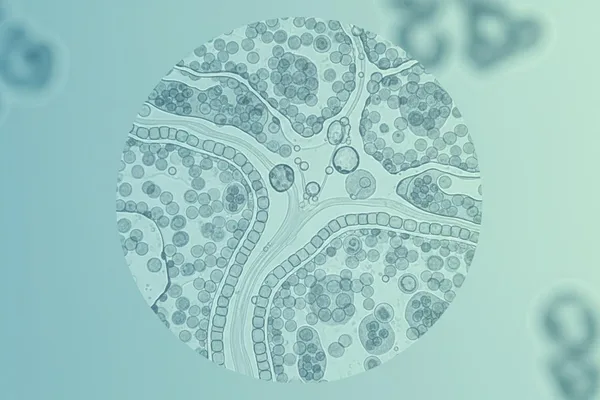
Simply put, exocrine glands are groups of cells in our body that produce various substances and release them through special ducts onto the surface of our body or into a body cavity. Think of it this way: sweat, tears, saliva, breast milk, digestive juices, all of these come out of these glands. They are like little factories, each producing something special. Exocrine glands can be found in many organs of our body. They do different things.

So, are these the same as endocrine glands? Or are they different?

Now that's a good question! Many people get the two confused. While exocrine glands secrete their secretions through ducts, endocrine glands release their secretions directly into the blood. That's why they are also called "ductless glands." These endocrine glands are the ones that produce hormones as part of our endocrine system . You've probably heard of the pituitary gland, the thyroid gland, and the adrenal glands. Those are examples of endocrine glands. Now, the difference is clear, right? One secretes through ducts, and the other releases them directly into the blood.

What are the types of exocrine glands in our body?

These exocrine glands help a lot in the proper functioning of various organs in our body. Let's look at a few of the main types.

1. Sweat Glands

These are the ones that produce sweat. You know, we have these sweat glands all over our bodies. Specifically, the type called eccrine sweat glands . These are the ones that produce clear, non-oily sweat. This sweat is what helps regulate our body temperature. That's what makes us sweat when we run and play, or when we're in the sun.

2. Sebaceous Glands

These are also present in our skin. But these open into the hair follicles. Sebum is an oily substance secreted by the sebaceous glands. This sebum keeps our skin and hair moist and protected. Sometimes, when these glands become overactive, acne occurs.

3. Salivary Glands

Come on, you know these very well. The saliva in our mouth is the work of these glands. Saliva helps us chew, swallow, and digest food. Not only that, but this saliva helps to keep the delicate tissues inside our mouth moist and protect them. It's not for nothing that our mouths salivate when we see delicious food, right?

4. Lacrimal Glands

These are the glands that supply tears to our eyes. These lacrimal glands are located above our upper eyelids. Every time we blink, a fluid produced by these glands is added to our eyes. This is what keeps our eyes moist and healthy. Tears come from these glands when we are tired or sad.

5. Mammary Glands

These are the glands that produce breast milk. These mammary glands are located in a mother's breasts. Breast milk is a valuable food that is full of all the nutrients a baby needs and strengthens the baby's immune system.

6. Ceruminous Glands

These are located inside our ears. These glands help produce ear wax, or cerumen . Cerumen is not just a pile of dirt. It protects the inside of our ears from physical damage and infection.

7. Stomach Glands

The glands in our stomach, or stomach lining, release enzymes that help with digestion. They also help the body absorb important nutrients. These glands are essential for the body to properly digest the food we eat and provide energy.

8. Brunner's Glands

These are located in the first part of our small intestine, called the duodenum . Brunner's glands produce mucus, a mucus -like substance. This protects the duodenum from the harsh acids from the stomach. They also help digest food and absorb nutrients.

Do the liver and pancreas also fall into this category?

Yes, our liver and pancreas are also organs that function as exocrine glands. The liver secretes bile into our gastrointestinal tract through ducts. The pancreas secretes pancreatic juices into our gastrointestinal tract through ducts. These are very important for digestion. But surprisingly, the liver and pancreas also function as endocrine glands. That is, they make hormones and release them directly into the blood. So they have a dual role.

What service do exocrine glands provide to our body?

Now you understand how much work these exocrine glands do for our body. They are connected to each organ and perform various functions. The main purpose is to produce and release various substances that help our body. In simple terms, they help with things like:
  • Digest the food we eat. (e.g., stomach glands , pancreas )
  • Absorb nutrients into the body. (e.g. Brunner's glands)
  • Protect the inner layers of our organs. (e.g. mucus produced by Brunner's glands)
  • Control body temperature . (e.g. sweat glands)
  • Keep hair and skin moist and smooth. (e.g. sebaceous glands)
  • Keep the eyes moist. (e.g. tear glands)
  • Protect the ears. (e.g. ear wax glands)
Imagine how difficult our lives would be without these little glands!

How do these exocrine glands work? Do they have any ways of excreting substances?

Yes, there are different ways in which these exocrine glands secrete their substances. We will talk about three main ways.

1. Merocrine method

In this method, glandular cells release their substances through a process called exocytosis . The amazing thing about this is that the cells are not harmed. The substances just leave the cell. This is how our sweat glands (especially eccrine sweat glands) work.

2. Apocrine system

In this system, a small part of the cell membrane of the glandular cell emerges like a bud, breaks off and goes into the duct. That is, when the substance is excreted, a small piece of the cell membrane also goes with it. Our mammary glands are an example of this system.

3. Holocrine system

This is a little different. In holocrine glands, the entire cell bursts to release the substance. That means the entire cell is destroyed and the substance is released. The sebaceous glands in our skin work in this way. You see, each gland works differently. Our bodies are very complex, aren't they?

What are the common diseases that affect the exocrine glands?

Since these exocrine glands are located throughout our bodies, there are many diseases that can affect them. Let's learn about a few of them.
  • Hyperhidrosis: This is when the sweat glands produce too much sweat. For some people, this can be a big problem.
  • Bromhidrosis: This is when bacteria on the skin combine with dried sweat to create a foul odor.
  • Acne Vulgaris: Acne occurs when sebum and dead skin cells from the sebaceous glands clog the ducts.
  • Sjögren's Syndrome: This is an autoimmune disorder . This means that the body's immune system works against itself. In this, the amount of fluid produced by the salivary glands and tear glands decreases. As a result, symptoms such as dry mouth and dry eyes may occur.
  • Mammary Duct Ectasia : In this condition, the milk ducts that carry milk to the breasts become swollen and thickened. This can lead to blockage of the milk ducts.
  • Cystic Fibrosis: This is a genetic disease. It is caused by a mutation in a protein involved in the production of sweat, mucus, and digestive juices. This causes a thick, sticky mucus to build up in organs such as the lungs and pancreas.
  • Brunner's Gland Hyperplasia: This is a non-cancerous (benign) tumor that occurs in the duodenum.
  • Pancreatitis: In this condition, the pancreas becomes inflamed and may stop producing enzymes needed for digestion.
There are many other conditions like this. If you notice any of these symptoms, anything new, or anything that makes you suspicious, you should definitely see a doctor for advice. They can properly diagnose your health and provide the necessary treatment.

The most important things we need to remember from this story are

Okay, so I hope you have a good understanding of the exocrine glands that we talked about today. It is very important that we take care of these glands, which, although small, play a big role in our body.
Remember, our bodies are amazing machines. Every part of them is valuable. These exocrine glands are just a few of those valuable parts. Without the sweat, tears, saliva, and breast milk they produce, we would be unable to stay healthy.
Be aware of any unusual changes in your body. If you have any concerns, don't hesitate to seek medical advice. It will help you live a healthy life!
Glands, exocrine glands, endocrine glands, sweat, tears, saliva, body functions, skin diseases, digestion
⚠️ Important: The medical articles and information on Nirogi Lanka are for general awareness only, and are by no means a substitute for professional medical advice, diagnosis, or treatment. For any medical problem you have, consult a qualified physician immediately.

💬 Comments (0)

No comments yet. Be the first to share your thoughts here.

Add Your Comment

Please calculate: 7 + 7 =
Our body's little servants: Let's learn about the exocrine glands in simple terms!
How the Body WorksFebruary 21, 2026

Our body's little servants: Let's learn about the exocrine glands in simple terms!

Have you ever thought about how important the tiny, invisible parts of our bodies are? Even though we think that things like sweating, tears, and salivation just happen, there is an amazing mechanism behind all of them. The main players in that mechanism are the exocrine glands . Today, we will talk about these little workers in a very simple way, in a way that is easy for you to understand.

What are these exocrine glands?

Simply put, exocrine glands are groups of cells in our body that produce various substances and release them through special ducts onto the surface of our body or into a body cavity. Think of it this way: sweat, tears, saliva, breast milk, digestive juices, all of these come out of these glands. They are like little factories, each producing something special. Exocrine glands can be found in many organs of our body. They do different things.

So, are these the same as endocrine glands? Or are they different?

Now that's a good question! Many people get the two confused. While exocrine glands secrete their secretions through ducts, endocrine glands release their secretions directly into the blood. That's why they are also called "ductless glands." These endocrine glands are the ones that produce hormones as part of our endocrine system . You've probably heard of the pituitary gland, the thyroid gland, and the adrenal glands. Those are examples of endocrine glands. Now, the difference is clear, right? One secretes through ducts, and the other releases them directly into the blood.

What are the types of exocrine glands in our body?

These exocrine glands help a lot in the proper functioning of various organs in our body. Let's look at a few of the main types.

1. Sweat Glands

These are the ones that produce sweat. You know, we have these sweat glands all over our bodies. Specifically, the type called eccrine sweat glands . These are the ones that produce clear, non-oily sweat. This sweat is what helps regulate our body temperature. That's what makes us sweat when we run and play, or when we're in the sun.

2. Sebaceous Glands

These are also present in our skin. But these open into the hair follicles. Sebum is an oily substance secreted by the sebaceous glands. This sebum keeps our skin and hair moist and protected. Sometimes, when these glands become overactive, acne occurs.

3. Salivary Glands

Come on, you know these very well. The saliva in our mouth is the work of these glands. Saliva helps us chew, swallow, and digest food. Not only that, but this saliva helps to keep the delicate tissues inside our mouth moist and protect them. It's not for nothing that our mouths salivate when we see delicious food, right?

4. Lacrimal Glands

These are the glands that supply tears to our eyes. These lacrimal glands are located above our upper eyelids. Every time we blink, a fluid produced by these glands is added to our eyes. This is what keeps our eyes moist and healthy. Tears come from these glands when we are tired or sad.

5. Mammary Glands

These are the glands that produce breast milk. These mammary glands are located in a mother's breasts. Breast milk is a valuable food that is full of all the nutrients a baby needs and strengthens the baby's immune system.

6. Ceruminous Glands

These are located inside our ears. These glands help produce ear wax, or cerumen . Cerumen is not just a pile of dirt. It protects the inside of our ears from physical damage and infection.

7. Stomach Glands

The glands in our stomach, or stomach lining, release enzymes that help with digestion. They also help the body absorb important nutrients. These glands are essential for the body to properly digest the food we eat and provide energy.

8. Brunner's Glands

These are located in the first part of our small intestine, called the duodenum . Brunner's glands produce mucus, a mucus -like substance. This protects the duodenum from the harsh acids from the stomach. They also help digest food and absorb nutrients.

Do the liver and pancreas also fall into this category?

Yes, our liver and pancreas are also organs that function as exocrine glands. The liver secretes bile into our gastrointestinal tract through ducts. The pancreas secretes pancreatic juices into our gastrointestinal tract through ducts. These are very important for digestion. But surprisingly, the liver and pancreas also function as endocrine glands. That is, they make hormones and release them directly into the blood. So they have a dual role.

What service do exocrine glands provide to our body?

Now you understand how much work these exocrine glands do for our body. They are connected to each organ and perform various functions. The main purpose is to produce and release various substances that help our body. In simple terms, they help with things like:
  • Digest the food we eat. (e.g., stomach glands , pancreas )
  • Absorb nutrients into the body. (e.g. Brunner's glands)
  • Protect the inner layers of our organs. (e.g. mucus produced by Brunner's glands)
  • Control body temperature . (e.g. sweat glands)
  • Keep hair and skin moist and smooth. (e.g. sebaceous glands)
  • Keep the eyes moist. (e.g. tear glands)
  • Protect the ears. (e.g. ear wax glands)
Imagine how difficult our lives would be without these little glands!

How do these exocrine glands work? Do they have any ways of excreting substances?

Yes, there are different ways in which these exocrine glands secrete their substances. We will talk about three main ways.

1. Merocrine method

In this method, glandular cells release their substances through a process called exocytosis . The amazing thing about this is that the cells are not harmed. The substances just leave the cell. This is how our sweat glands (especially eccrine sweat glands) work.

2. Apocrine system

In this system, a small part of the cell membrane of the glandular cell emerges like a bud, breaks off and goes into the duct. That is, when the substance is excreted, a small piece of the cell membrane also goes with it. Our mammary glands are an example of this system.

3. Holocrine system

This is a little different. In holocrine glands, the entire cell bursts to release the substance. That means the entire cell is destroyed and the substance is released. The sebaceous glands in our skin work in this way. You see, each gland works differently. Our bodies are very complex, aren't they?

What are the common diseases that affect the exocrine glands?

Since these exocrine glands are located throughout our bodies, there are many diseases that can affect them. Let's learn about a few of them.
  • Hyperhidrosis: This is when the sweat glands produce too much sweat. For some people, this can be a big problem.
  • Bromhidrosis: This is when bacteria on the skin combine with dried sweat to create a foul odor.
  • Acne Vulgaris: Acne occurs when sebum and dead skin cells from the sebaceous glands clog the ducts.
  • Sjögren's Syndrome: This is an autoimmune disorder . This means that the body's immune system works against itself. In this, the amount of fluid produced by the salivary glands and tear glands decreases. As a result, symptoms such as dry mouth and dry eyes may occur.
  • Mammary Duct Ectasia : In this condition, the milk ducts that carry milk to the breasts become swollen and thickened. This can lead to blockage of the milk ducts.
  • Cystic Fibrosis: This is a genetic disease. It is caused by a mutation in a protein involved in the production of sweat, mucus, and digestive juices. This causes a thick, sticky mucus to build up in organs such as the lungs and pancreas.
  • Brunner's Gland Hyperplasia: This is a non-cancerous (benign) tumor that occurs in the duodenum.
  • Pancreatitis: In this condition, the pancreas becomes inflamed and may stop producing enzymes needed for digestion.
There are many other conditions like this. If you notice any of these symptoms, anything new, or anything that makes you suspicious, you should definitely see a doctor for advice. They can properly diagnose your health and provide the necessary treatment.

The most important things we need to remember from this story are

Okay, so I hope you have a good understanding of the exocrine glands that we talked about today. It is very important that we take care of these glands, which, although small, play a big role in our body.
Remember, our bodies are amazing machines. Every part of them is valuable. These exocrine glands are just a few of those valuable parts. Without the sweat, tears, saliva, and breast milk they produce, we would be unable to stay healthy.
Be aware of any unusual changes in your body. If you have any concerns, don't hesitate to seek medical advice. It will help you live a healthy life!
Glands, exocrine glands, endocrine glands, sweat, tears, saliva, body functions, skin diseases, digestion
⚠️ Important: The medical articles and information on Nirogi Lanka are for general awareness only, and are by no means a substitute for professional medical advice, diagnosis, or treatment. For any medical problem you have, consult a qualified physician immediately.

💬 Comments (0)

No comments yet. Be the first to share your thoughts here.

Add Your Comment

Please calculate: 7 + 7 =