

Today we are going to talk about something that is important to many people, but perhaps not exactly known. Have you ever heard of 'Atheroma' or fatty deposits in the blood vessels ? This condition is something to be concerned about, because it can affect the health of our heart as well as the blood circulation throughout the body. So let's talk about it simply, in a way that you can understand.
What exactly is atheroma?
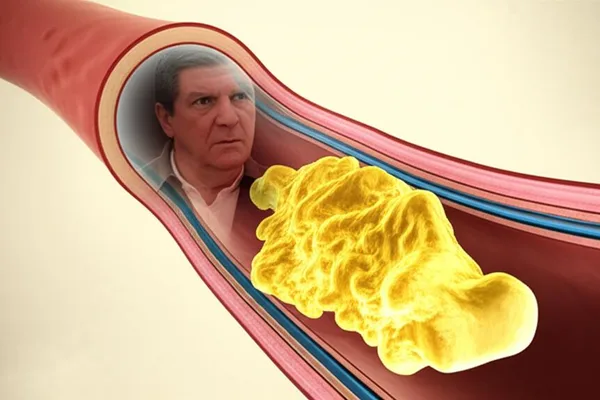
Simply put, atheroma is a fatty substance that builds up inside our blood vessels, especially our arteries, over time. It's like dirt building up in a water pipe over time. Some people call this 'atherosclerotic plaque', or simply 'plaque'. So this 'plaque' builds up on the inner walls of the arteries, gradually narrowing the passageway for blood.
There are several reasons why this atheroma is dangerous:
- First, these gradually grow larger and take up more space inside the artery. This reduces the amount of room for blood to flow through, much like a traffic jam on a road.
- Second, sometimes these deposits can burst suddenly. When that happens, a blood clot can form there. This blood clot can either completely block the blood flow there, or it can break loose and block a blood vessel elsewhere in the body.
Imagine, what happens if an artery that supplies blood to the heart becomes blocked like this? That's when a heart attack occurs. Similarly, if an artery that supplies blood to the brain becomes blocked , a condition called a stroke can occur. Therefore, it is very important to be aware of these atheroma and reduce the risk of developing them.
What is this atheroma made of?
These deposits, called atheroma, are formed by the accumulation of various substances that circulate in our blood. They mainly include:
- Types of cells in the blood.
- Calcium . This calcium is what causes atheroma to become a little hard and coarse. This is called "hardening of the arteries" or "hardening of the arteries."
- Cholesterol and other fats. These are the main ingredients.
- Inflammatory cells.
- Different types of proteins.
All of this together creates that dangerous deposit on the artery wall.
What is Aortic Atheroma?
Aortic atheroma is a condition where atheroma builds up in our main artery, the aorta. The aorta is the largest blood vessel in our body. It starts at the heart and runs down through the chest and all the way to the abdomen. When atheroma forms in such an important blood vessel, it can cause a number of complications . For example:
- Aortic aneurysm
- Heart attack
- Stroke
Is this something like cancer?
No, atheroma is not cancer. It is just a fatty deposit that forms inside our blood vessels. Sometimes medical terms can sound similar, so it can be confusing. For example, the word 'atheroma' is similar to words like 'carcinoma' (a type of cancer), so some might think that this is also cancer. But there is no such connection. This is completely related to our blood vessel system and heart health.
Why does this atheroma form?
The main cause of atheroma is damage to the inner lining of our arteries (called the endothelium). Scientists are still researching many of the reasons for this damage. But one thing is clear: when this endothelium is damaged, that's where atheroma begins to form. Then, over time, it gradually grows larger.
There are several risk factors that contribute to the development of atheroma:
- Diseases that cause inflammation: For example, diseases like rheumatoid arthritis.
- Diabetes Mellitus: This risk is higher in people with diabetes.
- Unhealthy diet: Consuming too much food high in saturated fat, trans fat, and cholesterol.
- High blood pressure.
- High cholesterol.
- High triglyceride levels.
- Aging: The risk increases after age 45 for men and after age 55 for women.
- Smoking and tobacco use: This is a very major risk factor.
Although atheroma can form in any artery in our body, they are most likely to form at branch points, or where one artery divides into two (bifurcations).
Think of our circulatory system as a network of roads. Traffic congestion usually occurs at intersections, where roads meet, rather than on straight roads. Similarly, fatty deposits in our arteries tend to form more where arteries meet and divide. Scientists are still trying to figure out why this happens.
What is the difference between atheroma and atherosclerosis?
This may seem a bit complicated, but to put it simply:
Atheroma is the fatty substance. Atherosclerosis is the disease caused by the deposition of that substance in the arteries.
To explain a little more, atheroma is the fatty substance that clogs your arteries. It builds up over time and causes various complications. This atheroma (or plaque) buildup is the main symptom of a disease called atherosclerosis. If you have atherosclerosis, it means that you have this plaque buildup in your arteries. This plaque can grow slowly over years, without causing any symptoms .
This plaque buildup can begin as early as your twenties or early thirties, and then continues throughout your life. It is influenced by our diet, lifestyle, and genetic factors. But in some people, this process happens faster than others. And some people may develop complications early in life. This is mainly due to risk factors such as smoking or a family history of heart disease at a young age.
Atherosclerosis can reduce blood flow to various parts of the body. As atheroma grows, it takes up more space inside the arteries. Over time, this plaque buildup can lead to conditions such as:
- Aortoiliac occlusive disease (blockage of the arteries supplying blood to the abdomen and legs)
- Carotid artery disease (blockage of the arteries that supply blood to the brain)
- Coronary artery disease (blockage of the arteries that supply blood to the heart)
- Mesenteric ischemia (reduced blood supply to the intestines)
- Peripheral artery disease (blockage of arteries in the arms and legs)
- Renal artery disease (blockage of the arteries that supply blood to the kidneys)
- Vertebral artery disease (blockage of the arteries associated with the spine)
How do you know if you have atheroma? What are the symptoms?
It's often difficult to know if you have plaque buildup in your arteries, because there may be no symptoms in the early stages. In fact, you may not notice any symptoms until your arteries are at least 70% blocked . What symptoms you have will depend on which arteries are blocked.
- If the arteries that supply blood to the heart (coronary arteries) are blocked: You experience chest pain or discomfort when you are active and it decreases when you rest (`Stable angina`).
- If the arteries that supply blood to the hips and legs (iliac or femoral arteries) are blocked: Pain in the legs occurs during activity, such as walking, and is relieved when resting (`Claudication`).
- If the arteries that supply blood to the brain (carotid arteries) become blocked: Stroke can occur.
- If the arteries that supply blood to the intestines (mesenteric arteries) are blocked: Stomach pain after eating (also called `Postprandial cramps` or `abdominal angina`).
- If the arteries that supply blood to the kidneys (renal arteries) become blocked: Secondary hypertension and decreased kidney function can occur.
Because atheroma can develop without any symptoms, it's important to see your doctor at least once a year for a checkup. Your doctor will discuss your risk factors, your family history of heart disease, and, if necessary, order tests to check your heart and blood vessels.
Can this atheroma be completely eliminated once it forms?
In fact, once atheroma forms , it is impossible to completely reverse it. That is, it is difficult to completely dissolve and remove it.
But don't worry! There are many things you can do to slow the progression of atherosclerosis.
Lifestyle changes and prescribed medications play a big role in this. If you have been diagnosed with atherosclerosis, it is essential to talk to your doctor and get advice on how to manage this condition.
So what can be done to control and reduce the formation of atheroma?
In general, the following things help control the buildup of atheroma in the arteries:
- Quit smoking and using tobacco products completely. Tobacco use is one of the biggest risk factors for cardiovascular diseases. Ask your doctor for help quitting.
- Adopt a heart-healthy diet. Avoid foods high in saturated fat (such as fatty meats, high-fat dairy products). Eliminate foods containing trans fat (fast food, packaged foods). Limit sugar, salt, and refined carbohydrates (such as bread).
- Exercise. Try to get at least 150 minutes of moderate-intensity exercise per week. This could be walking for 30 minutes a day, 5 days a week. Or you could do another activity that you enjoy (like cycling or swimming). It's important to check with your doctor before starting a new exercise plan.
- Take your prescribed medications exactly as prescribed. Medications can help control risk factors for atherosclerosis (such as high blood pressure and cholesterol). Tell your doctor right away if you experience any side effects. Never stop taking any medication without talking to your doctor.
- Go for a medical check-up at least once a year. Your doctor will assess your risk for atherosclerosis and other cardiovascular diseases. Be sure to go to your doctor's appointments on time, and talk to your doctor about any questions or concerns you may have.
In summary (Take-Home Message)
So, whether you call it atheroma or plaque, this fatty material that builds up inside your arteries is not good for your health. But you are not alone in your fight against atherosclerosis. Talk to your doctor about ways to slow the buildup of plaque in your arteries. Lifestyle changes like quitting smoking and eating a healthy diet can help protect your arteries for years to come. Remember, a healthy heart is the key to a healthy life! So take care of your heart.
` Atheroma, Atherosclerosis, Cholesterol, Heart disease, Blood vessel blockage, Heart attack, Stroke




💬 Comments (0)
No comments yet. Be the first to share your thoughts here.
Add Your Comment