

If you are pregnant or expecting a baby soon, you have probably heard the words 'high-risk pregnancy'. It's normal to feel a little nervous when you hear something like that. You may be worried, "What will happen to me and my baby?" But don't worry! There are very skilled doctors who can provide special care and help to you and your unborn baby in such a situation. One such specialist is a 'perinatologist' . Some people also call them 'maternal-fetal medicine (MFM) specialists '. In this article, we will talk about who this specialist is, what he does, and how you can get help from him.
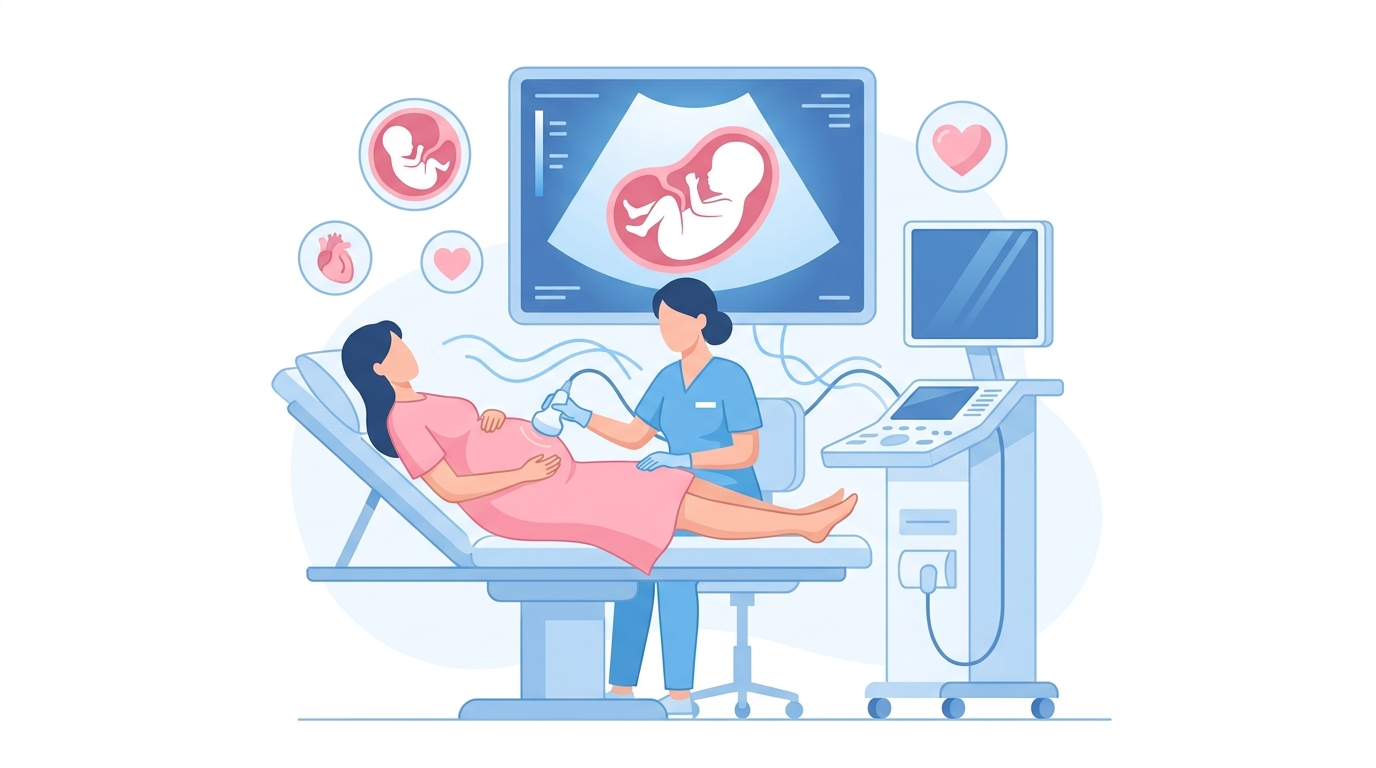
Who is a Perinatologist? Simply put...
Simply put, a Perinatologist is an Obstetrician-Gynecologist (OBGYN) . But he or she has received more specialized training than a regular obstetrician. Do you know why? They specifically look into and treat high-risk pregnancies . That means that if either the mother or the baby in the womb has any health problems, these doctors are trained to provide special care for both of them throughout the pregnancy, during delivery, and afterward.
Imagine that you have a chronic medical condition that you had before you became pregnant. Then you may need to see a specialist like this when you are planning to get pregnant, or even in the early stages of your pregnancy. Or, if a new condition arises during pregnancy that requires additional testing and care, then you may also need the help of a perinatologist. Sometimes, if there is a suspicion that the baby in the womb has a congenital disorder or birth abnormality , these specialists can also investigate it.
So, what exactly does a perinatologist do?
A perinatologist is a doctor who specializes in the care of mothers and babies who have complications during pregnancy, childbirth, or the postpartum period. They treat pre-existing conditions as well as new conditions that develop during pregnancy. They specialize in treating pregnant women, diagnosing health problems in their babies, and managing them.
A perinatologist mainly contributes to the following:
- Preconception counseling:You will be advised in advance if you have any pre-existing health conditions that could cause complications during pregnancy. For example, if you have diabetes , high blood pressure , or heart disease, it is important to discuss these before you become pregnant.
- Routine prenatal care and testing for high-risk pregnancies: If your pregnancy is high-risk, you may need more tests and more frequent doctor visits than a normal pregnancy. This specialist will plan all of this.
- Management of existing or new health conditions in the pregnant mother: If a mother's existing condition worsens during pregnancy, or if a new condition develops (e.g., gestational diabetes , preeclampsia ), it is treated.
- Using ultrasound or other tests to detect genetic diseases or birth defects: They can perform special scans and genetic tests to find out if the baby has any congenital diseases. They can also give you clear information about how a certain condition will affect the baby.
- Assisting with childbirth if necessary: In some complex cases, the participation of this specialist may be necessary even during childbirth .
- Managing postpartum complications: If the mother experiences any complications (e.g., excessive bleeding) after giving birth , those are also treated.
What is a 'High-Risk Pregnancy'? Is it really something to be afraid of?
When you are told that your pregnancy is 'high-risk', it means that you need extra care and attention to ensure a successful pregnancy and delivery. Don't be afraid to ask yourself, "Is there something wrong with my baby?" or "Is my pregnancy really dangerous?"
The most important thing: Being 'high risk' doesn't always mean there's a problem with the baby or that your pregnancy is dangerous. It just means that you and your baby are being monitored more closely because there's a higher than normal risk of some problem. It's like being a little extra careful when you're going on an important trip.
Here are some factors that can cause a high-risk pregnancy:
- Increasing maternal age: Especially if over 40 years old.
- Multiple pregnancies:That is, if there is more than one baby in the womb, such as twins or triplets.
- Having had previous miscarriages or stillbirths.
- Having genetic disorders in someone in the family.
- Having had complications during previous pregnancies: For example, conditions such as preeclampsia , preterm labor, or gestational diabetes .
- You have a serious health condition: things like heart disease, diabetes , high blood pressure, inflammatory bowel disease, or autoimmune disorder.
Why am I being referred to a perinatologist?
Your general obstetrician and gynecologist (OBGYN) may refer you to a perinatologist if your pregnancy is high-risk, or if there is a suspicion that your unborn baby has a complex medical problem or congenital condition.
Most of the time, general obstetricians can manage minor complications during pregnancy (e.g., well-controlled high blood pressure, gestational diabetes ). However, if the condition becomes severe, or if it is beyond the general obstetrician's expertise, they will refer you to a maternal-fetal medicine specialist, called a perinatologist. Sometimes, obstetricians will also consult with a perinatologist for a second opinion.
You may know before you get pregnant that your pregnancy will be high-risk. In that case, you may meet with a perinatologist before you get pregnant. In other cases, a pregnancy may cause a sudden health condition to arise.
Here are some reasons why your obstetrician may refer you to a perinatologist:
- Pre-existing medical conditions: such as heart disease, lupus , or diabetes .
- Severe high blood pressure or preeclampsia.
- If there is a risk of pre-term labor.
- If you have a history of heart disease, seizures, or kidney problems.
- If you have had multiple miscarriages or stillbirths.
- If you have an abnormal result from a prenatal screening test.
- If you are expecting multiples, such as twins or triplets.
After having a baby, you may need to see a perinatologist if you have excessive vaginal bleeding, an infection, or other health complications.
What conditions does a perinatologist treat?
Perinatologists help treat chronic diseases that you have and that can affect your pregnancy or baby. Some of these conditions include:
- Diabetes
- High blood pressure
- Bleeding and clotting disorders
- Heart disease
- Kidney disease
- Autoimmune diseases (e.g., lupus)
- Genetic disorders , for example , cystic fibrosis or sickle cell disease .
Also, if you have had high-risk or complicated pregnancies in the past, you may need to see a perinatologist. Examples of complications from previous pregnancies include:
- Premature labor or premature rupture of the membranes.
- Miscarriages or stillbirths.
- Fetal growth restriction.
- Congenital or genetic disorders.
- Placental disorders, for example , placental abruption or placenta previa .
What is the difference between an obstetrician and gynecologist (OBGYN) and a perinatologist?
This is a question that many people have. A perinatologist is also an obstetrician and gynecologist (OBGYN). However, they have received two to three years of additional specialized training (fellowship) in high-risk pregnancies. This training teaches them in-depth how to treat complex medical and surgical problems that arise during pregnancy, as well as how to identify and manage conditions such as genetic diseases in the fetus (baby).
Just because you see a perinatologist doesn't mean they'll be your primary care provider. In most cases, your pregnancy care will involve both your general obstetrician (OBGYN) and a perinatologist. Your obstetrician will decide how often you need to see a perinatologist. The perinatologist may be involved in many aspects of your pregnancy and delivery. Or, you may only see them once or twice during your pregnancy.
Are 'Maternal-Fetal Medicine' and 'Perinatologist' the same thing?
Yes! Both of these names refer to the same specialist.That means, whether you call it a 'Maternal-Fetal Medicine specialist' or a 'Perinatologist', both are doctors who take care of high-risk pregnancies or complex medical conditions during pregnancy.
How long does it take to become a perinatologist?
This is good to know, isn’t it? Perinatology is a sub-specialty of Obstetrics and Gynecology. To become a perinatologist, you first need to get a bachelor’s degree and then go to medical school. After four years of residency training in obstetrics and gynecology, you need to complete an additional two to three years of fellowship training in perinatology. It is during this specialized training that you learn in depth how to treat pregnancy complications and how diseases affect the pregnant woman and the fetus.
What should you expect at your first appointment with a perinatologist?
This may vary depending on the reason you were referred to a perinatologist and your situation. Most often, your first appointment will involve taking your health history , or discussing your medical condition and how it may affect your pregnancy.
Your perinatologist can advise you about any genetic or congenital conditions your baby may have, and can also discuss the type of medical care your baby will need after birth. Sometimes, a perinatologist will also perform genetic testing, ultrasound scans , fetal monitoring, and other tests to diagnose a condition.
You should expect your perinatologist to work with your obstetrician (OBGYN) and other healthcare providers on your care team throughout your pregnancy and during delivery. They may also work with a neonatologist or pediatrician .
What tests does a perinatologist perform?
Perinatologists perform various tests during pregnancy to detect genetic conditions and diseases. Some of them are:
- Ultrasound tests: These can be general scans, but sometimes they can be more detailed.
- Blood tests: Identify certain conditions in the mother and possibly the baby.
- Prenatal screening: Tests to see if the baby has a genetic condition.
- Amniocentesis: This involves taking a small sample of the amniotic fluid surrounding the baby and testing it.
- Chorionic Villus Sampling (CVS): This involves taking a small sample of tissue from the placenta and testing it.
Do perinatologists deliver babies? Do they perform surgeries?
Sometimes yes. It depends on your medical condition and any complications that may arise. In most cases, your obstetrician (OBGYN) will deliver the baby. However, a perinatologist may be present in the delivery room if needed.
Your obstetrician-gynecologist will manage most of your care. They will discuss your needs related to your pregnancy, delivery, and related medical conditions with your perinatologist.
Perinatologists perform some specialized surgeries . For example:
- Complex Caesarean sections (C-sections)
- Cervical Cerclage (a procedure to strengthen the cervix if it is weak)
- Emergency Hysterectomy
The most important thing we want to take home from this story (Take-Home Message)
Perinatologists are specialists who specialize in high-risk or complicated pregnancies. When you're referred to a perinatologist, it can be a little scary. But it doesn't mean there's a big problem with your pregnancy. It just means your medical team is trying to provide you and your baby with the best and most appropriate care .
Remember: Feel free to talk to your obstetrician (OBGYN) and perinatologist about any questions, concerns, or concerns you may have. Don't be afraid to ask them questions. It's important for you to have a clear understanding of your condition and treatment. They will explain everything to you. You are not alone, and there is a team of qualified doctors to help you.
`Perinatologist, High-Risk Pregnancy, Maternal-Fetal Medicine, Pregnancy Care, Obstetrics, Fetal Health, Specialist
Doctor's Note
A Perinatologist or Maternal-Fetal Medicine Specialist is a doctor specially trained to care for mothers with high-risk pregnancies and their unborn children (Fetus). Mother's diabetes, kidney disease, high blood pressure or growth problems and birth defects of the unborn child get special attention under this. In addition to the general obstetrician (Obstetrician), getting the help of these doctors in case of complications leads to saving the lives of the mother and the baby.
❓ Some more questions you may encounter (FAQ)
When is a pregnancy "high-risk"?▼
If the mother is over 35, has diabetes or high blood pressure, is pregnant with twins, or has had a previous miscarriage.
What specific tests do they perform?▼
Three-dimensional/four-dimensional ultrasound waves (Detailed scan / 3D-4D Ultrasound) tests, fetal genetic tests (Amniocentesis) and unborn baby's heartbeat monitoring tests.
Should you switch from your general obstetrician?▼
no Often the perinatologist will co-manage the patient with the general obstetrician.





💬 Comments (0)
No comments yet. Be the first to share your thoughts here.
Add Your Comment