

After battling cancer, undergoing treatment, and feeling somewhat better, it can be overwhelming to hear that the cancer may come back, right? It's really hard. But remember that you're not alone in this time. Let's talk about cancer recurrence, what it means, why it happens, and what you can do about it in a simple, understandable way.
What does cancer recurrence mean?
Simply put, recurrent cancer is when cancer comes back after treatment. This can happen months or years after you finish treatment. Sometimes the cancer has almost completely disappeared, no symptoms have occurred, and it can no longer be detected on tests. We call this "remission." However, even during this "remission," the cancer can come back. If that happens, your doctors will recommend further treatment. Depending on your condition, you may be able to live well for many more years even if the cancer comes back.
What are the different types of cancer recurrence?
Doctors classify cancer based on where it comes back. There are three main types:
Local Recurrence
This means that the same type of cancer will develop again in the same place where the cancer was first. Imagine that you have prostate cancer and it is removed by surgery (Prostatectomy). Then, cancer can develop again in the same place where the prostate was. That is called ``Local Recurrence``.
Regional Recurrence
This is when the cancer spreads to nearby lymph nodes or surrounding tissue. Some types of cancer, such as Triple Negative Breast Cancer, are more likely to spread this way.
Distant Recurrence
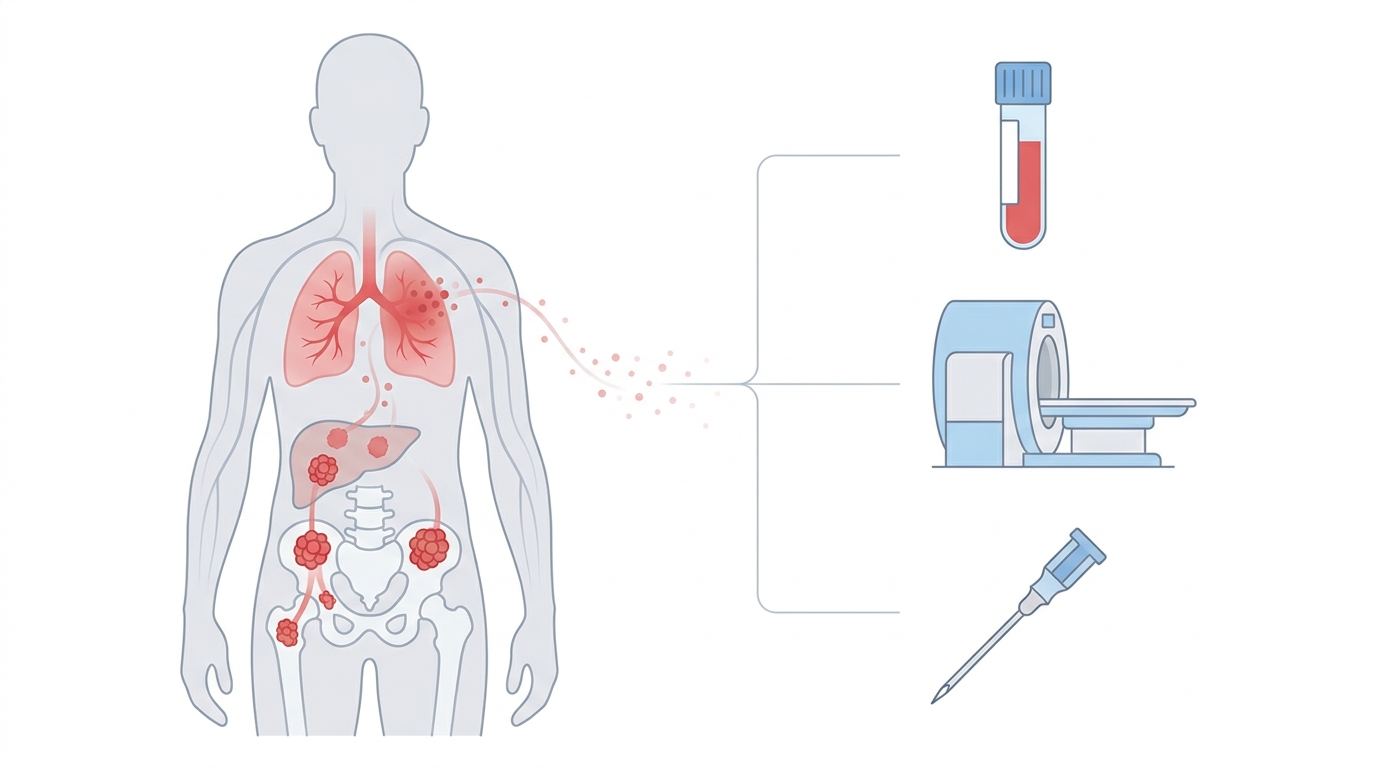
In this, cells from the original cancer spread to distant organs or tissues in the body, where they form a new cancer. For example, lung cancer can sometimes spread to the central nervous system, or brain, and recur there.
What types of cancer are most likely to come back?
In fact, any type of cancer can come back. However, research has found that some types of cancer are at a slightly higher risk. Some of them include:
- Ovarian Cancer
- Metastatic Melanoma , a skin cancer that had spread to other parts of the body when it was diagnosed
- A type of lymphoma called Peripheral T-cell Lymphoma (PTCL).
However, the important thing here is that these percentages are just general estimates. This can vary depending on many things, such as the type of cancer you had, the initial treatment you received, etc. So, if your cancer comes back, the best way to know for sure is to talk to your doctor.
What are the symptoms of cancer recurrence?
The symptoms of cancer coming back can be similar to those of other conditions. So, while you're taking care of your health, it's important to ask your doctor about common symptoms that may be related to the type of cancer you had. He or she will then tell you what symptoms you should look for and what tests you should do to check if the cancer has come back. See your doctor if you experience any of the following:
- If symptoms that were present when the cancer was first present reappear. For example, a lump or something similar may return where the cancer started.
- A constant pain.
- A persistent cough.
- If you are losing weight for no reason.
- If you are bleeding abnormally or have bruising on your body.
- Persistent fever.
- If you often get headaches .
- Difficulty breathing (Dyspnea).
- If there is blood in the stool or urine .
- Nausea and vomiting.
- Difficulty swallowing food (Dysphagia).
Why does cancer recur?
Cancer is like a moving target. Therefore, it is very difficult for any treatment to catch and destroy all the cancer cells. For example, during surgery to remove a tumor, some cells may be too small to be caught. Cancer cells are constantly mutating and changing. Sometimes, cancer treatments do not affect all cancer cells in the same way. Cells that are resistant to those treatments may continue to grow despite treatment. These are only discovered later during ``Follow-up`` tests.
How to recognize recurrent cancer?
Many of the same tests that doctors use to diagnose cancer in the first place are also used to diagnose cancer that has come back. Some of them include:
Blood Tests
Blood tests to check for cancer recurrence may include:
- Complete Blood Count:This checks the number of blood cells and platelets in your blood sample. This allows doctors to assess your overall health and check for signs of cancer recurrence.
- Immunophenotyping: This identifies specific cell types. If you have a blood cancer like leukemia that has come back, your doctor can use this test to find out more about your condition.
- Liquid Biopsy: This tests your blood for cancer cells or DNA fragments from cancer cells.
- Tumor Marker Tests: Tumor markers are substances released by cancer cells or by other cells in response to cancer. Doctors use these tests to look for signs that the cancer is coming back.
Imaging Tests
If your cancer comes back, doctors will use imaging tests to learn more about new tumors that have developed from the original cancer. These may include:
- CT Scan (Computed Tomography - CT Scan): This is used to see if the cancer has come back, or to find the size and location of the tumor.
- MRI scan (Magnetic Resonance Imaging - MRI): An MRI can take detailed pictures of specific areas inside your body. This can help find out if the cancer has come back.
- PET Scan: A PET scan looks at the areas of your body that use the most glucose. Glucose is a type of sugar. Cancer cells use more glucose than normal cells.
Urinalysis
A urinalysis measures the amount of blood cells, sugar, and protein in your urine . Doctors can use this to check for bladder cancer or kidney cancer.
Biopsies
To diagnose cancer, even if it has come back, doctors do biopsies. In a biopsy, doctors take a sample of tissue and a medical pathologist examines it under a microscope to see if there are any signs of cancer. There are several types of biopsies:
- Image-Guided Biopsy: Doctors use a CT scan or ultrasound to look at the tumor and take a small sample of the tumor with a needle.
- Endoscopic or Laparoscopic Biopsy:Doctors use an endoscope or a laparoscope to look inside your body. An endoscope is a thin, flexible tube with a camera on the end and a tool to remove the sample. The endoscope is not inserted through an incision. A laparoscope is a slightly different tool. It is inserted through a small incision in the abdomen. This tool allows tissue to be removed without making a large incision.
- Excisional or Incisional Biopsy: In these open biopsies, a surgeon makes an incision in your body and removes either the entire tumor (Excisional Biopsy) or part of the tumor (Incisional Biopsy) for examination or treatment.
- Bone Marrow Biopsy: To see if the cancer has come back, doctors take a sample of blood and bone from inside the bone marrow.
What are the treatments for recurrent cancer?
Treatment for cancer that has come back will vary depending on your situation. Your doctor may:
- Repeating the first-line treatment that was initially given.
- Surgery to remove new cancerous tumors.
- Using different chemotherapy drugs or combinations of drugs.
- Trying a different treatment method, such as targeted treatments or immunotherapy.
If your cancer has come back, your doctor will talk to you about your options and what you can expect from treatment. In general, treatments for cancer that has come back are designed to control the cancer, stop it from getting worse, or stop it from spreading. They are not designed to cure the cancer completely. Some factors that can affect treatment decisions include:
- The type of cancer you have.
- It's time to come back. Treating cancers that come back quickly after treatment can be difficult.
- Where the cancer has come back. In general, it may be easier to treat a cancer that comes back in or near the original site than a cancer that comes back in organs or tissues far from the original site.
- Your overall health. Different or more aggressive treatments for cancer that has come back can have serious side effects. Your overall health will affect how well you do during treatment.
Whatever treatment you choose, consider palliative care to help manage cancer symptoms and the side effects of treatment. Palliative care is something that gives you extra support and symptom control while you're undergoing cancer treatment.
What will the future hold if the cancer comes back? (Prognosis)
The future of your disease, or prognosis, depends on your condition. Many factors that affect treatment choices, such as the type of cancer you have, how you respond to treatment, how you manage side effects, and your overall health, also affect your prognosis. The best information about this is from your doctor.
When the cancer comes back, how do you live with it?
Cancer recurrence can feel like a "déjà vu" experience. You've fought cancer once, and now it's back. But this time, you may feel overwhelmed and overwhelmed by the thought of having to deal with cancer again. Your feelings are real, and they matter. If you're someone who has had cancer recurrence and is living with it, the first thing you need to do is give yourself time and space to understand your situation. Then, start thinking about steps you can take to live as well as possible, even if the cancer has returned. Here are some suggestions:
- Ask your doctor about cancer survivorship programs. These programs help you understand and manage the challenges of living with cancer.
- Eat a nutritious, balanced diet. Ask your doctor to talk to a nutritionist who can help you create a meal plan that suits your needs.
- Get some exercise. Exercise can help reduce stress and increase strength and endurance. However, be sure to check with your doctor before starting an exercise program.
- Establish or maintain good lifestyle habits. If you use tobacco products or drink alcohol, try to stop.
- Get enough sleep. Cancer and cancer treatments can take a toll on your body. So, make sure you get enough sleep. Talk to your doctor if you're having trouble sleeping.
- Consider Advance Care Planning. This includes Advance Directives. In advance care planning, you think about your health in advance and decide what should happen if you are unable to speak for yourself. Advance care directives are legal documents that provide written instructions about your wishes for the end of your life and who can make medical decisions for you.
What is the difference between recurrent cancer and second cancer?
If you have had cancer, you can develop a second cancer. This is a completely new, different cancer. On the other hand, recurrent cancer is when the same type of cancer comes back.
Can a cancer that has recurred go into complete remission again?
Yes, it is possible. Sometimes, patients go through cycles called "remission" (the absence of symptoms) and "recurrence" (the reappearance of the cancer). When the cancer comes back, doctors may try the same or different treatments, with the goal of putting the cancer back into "remission."
My cancer has come back. How do I decide if I need more treatment?
It's not an easy decision. Once you find out that your cancer has returned, you need to take some time to understand your treatment options and think about what you want for yourself, your family, and others who care about you. Here are some steps that can help you make this decision:
- Take the time to understand your treatment options and their possible side effects. Your oncologist and medical team will give you as much information as you need to make informed decisions.
- Talk to your family and other loved ones and let them know about your condition. Whatever decision you make, it is important that your family and others understand your decision and know what you expect from your care.
- Consider getting a second opinion from another oncologist. Other hospitals can sometimes offer you different treatment options.
- Ask your doctor about participating in a clinical trial. Clinical trials are research projects designed to determine whether a new treatment is safe and effective.
If I decide not to have further cancer treatment, what happens next?
There are many reasons why people decide to stop cancer treatment. Get advice from your doctor, your family, and other loved ones, but know that at any given time, the final decision to continue or stop treatment is yours.
If I stop treatment, is hospice care an option?
It is possible, but it depends on your overall health and the prognosis of your illness. Usually, doctors recommend hospice care if they believe that your condition cannot be cured with treatment and you have less than six months to live. Here's what you can expect if your doctor recommends hospice care:
- Holistic End-of-Life Care: Cancer affects everyone affected by it, including your family and those who care for you. Hospice Care helps you and your family. While doctors take care of your physical needs, other specialists provide you with mental, emotional, spiritual and psychological support.
- Comfort Care: You will receive medication and other treatments to manage pain and the side effects of the condition.
- Caregiver Support: Your primary caregivers may need help with your caregiving. They may also need help managing their own physical and mental health. Hospice connects them with resources your family needs.
- Medical supplies and equipment: While some people receive hospice care at home, they may need special beds and other equipment. Hospice can also provide care in a short-term care facility or in a residential hospice facility.
Finally, things to remember
When you are successfully treated for cancer, you probably know that the cancer can come back. However, when you find out that you have cancer again, you may be shocked and upset. You may feel hopeless and scared. But with cancer, there is always hope, and cancer that comes back is no exception. There is hope for new treatments or the opportunity to participate in a clinical trial. In addition, even if treatment cannot control the cancer that has come back, no matter how long you live, there is hope to live the life you want. If your cancer comes back, your oncologist and medical team will support your decisions and help you as much as they can. Don't be afraid, stay strong.
` Cancer recurrence, cancer symptoms, cancer treatment, cancer diagnosis, living with cancer, cancer care
Doctor's Note
Recurrence of cancer in the same place or another place in the body after cure or treatment is called cancer recurrence. This is because microscopic cancer cells remain hidden in the body, which cannot be completely destroyed by basic treatments. In order to reduce the risk of cancer returning and to detect it at an early stage, it is extremely important to attend follow-up clinics and get tests done after treatment.
❓ Some more questions you may encounter (FAQ)
What are the types of cancer recurrence?▼
This is mainly in three parts: Local (recurrence at the original site), Regional (recurrence in nearby lymph nodes) and Distant/Metastatic (spread to another distant organ of the body).
How to detect that the cancer has returned?▼
Constant fatigue, new lumps in the body, unrelieved pain, breathing difficulties or through medical tests (CT/MRI/PET scans, Blood tests).
Can cancer be cured when it comes back?▼
Modern treatments (Chemotherapy, Immunotherapy, Surgery) are available to successfully control or completely cure many types of cancer even when they return.


💬 Comments (0)
No comments yet. Be the first to share your thoughts here.
Add Your Comment