
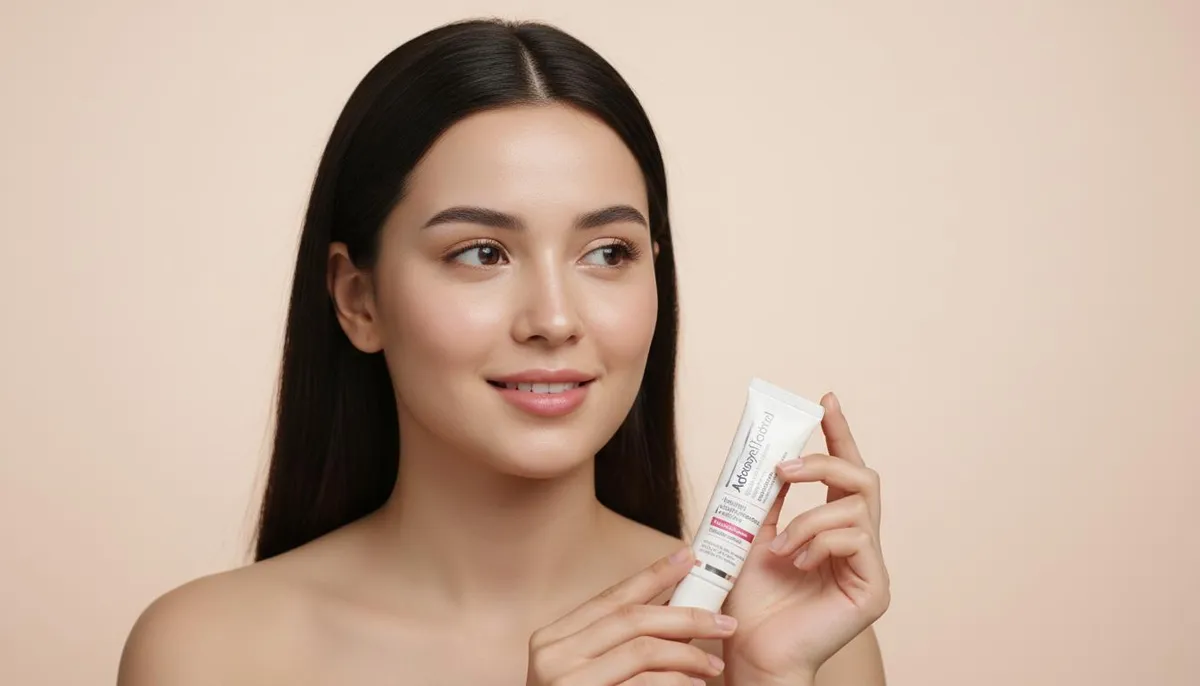
Dealing with stubborn acne breakouts can feel frustrating and exhausting, especially when over-the-counter washes and creams fail to deliver results. When standard skincare routines fall short, your doctor might prescribe a topical gel containing adapalene and benzoyl peroxide. This powerful medicine combines two active ingredients to target acne at its root, helping you achieve smoother and healthier skin.
Understanding how to use this medicine correctly is essential for getting the best results while keeping your skin calm and protected. Let us walk through everything you need to know about this gel, from your very first application to managing side effects and storing it safely at home.
Key Takeaways.
- Dual Action Power: Combines adapalene and benzoyl peroxide to clear pores and fight acne-causing bacteria.
- External Use Only: Apply a thin layer to clean, dry skin as directed by your doctor, avoiding your eyes and lips.
- Sun Sensitivity: This gel makes your skin more sensitive to sunlight, so daily sunscreen is essential.
- Fabric Bleaching: Be careful with towels, sheets, and clothing because benzoyl peroxide can bleach fabrics.
- Patience is Key: It may take several weeks of consistent use before you see noticeable improvements in your skin.
Know your body mass index (BMI) and weight classification
What is This Medicine?
Simply put, this medicine is a prescription gel that you apply directly to your skin to treat acne breakouts. It contains two active ingredients: adapalene and benzoyl peroxide. Adapalene is a type of retinoid that helps unclog pores and normalize skin cell turnover. Benzoyl peroxide is an antimicrobial agent that kills the bacteria responsible for pimples and inflammation.
You might recognize this combination under popular brand names like Epiduo, though generic versions are also widely available. Sometimes, doctors may prescribe this medicine for other skin conditions based on your person needs. If you have any questions about why this gel was prescribed for you, feel free to ask your doctor or pharmacist.
Things to Tell Your Doctor Before Using This Gel.
Before you start using this prescription gel, you need to share your complete medical history with your doctor. Not every medicine suits every person, and certain health factors require extra caution.
Make sure to inform your doctor if any of the following apply to you:
- You have large areas of sunburn, windburn, broken skin, or cuts on the areas where you plan to apply the gel.
- You have other skin conditions, or your skin is naturally very sensitive, easily irritated, or prone to redness.
- You have had an allergic reaction to adapalene, benzoyl peroxide, other retinoids, or any other medicines, foods, dyes, or preservatives.
- You are pregnant, planning to become pregnant soon, or actively trying to conceive.
- You are breastfeeding a baby or nursing an infant at home.
How to Use This Gel Correctly.
Using this medicine correctly ensures you get the maximum benefit while minimizing potential skin irritation and dryness. Always follow your doctor's instructions closely.
- This medicine is for external use on the skin only. Never take it by mouth or apply it inside your nose, mouth, or eyes.
- Wash your hands thoroughly with soap and water both before and after applying the gel, unless you are treating your hands.
- Keep the gel away from your eyes, eyelids, and lips. If accidental contact happens, rinse your eyes right away with plenty of cool tap water.
- Apply the gel around the same time every day, following the exact schedule recommended by your doctor or pharmacist.
- Do not use more gel or apply it more often than instructed. Using extra medicine will not clear your acne faster and may severely irritate your skin.
- Continue using the product for the full duration prescribed by your doctor, even if your skin starts clearing up early.
- If you are giving this medicine to a child, note that it is sometimes prescribed for children as young as nine years old under strict medical supervision. Always consult a pediatrician first.
Important Overdose Note: If you suspect you or someone else has accidentally swallowed this gel or used far too much, contact your local poison control center right away. In the US, call 1-800-222-1222, or call 911 / 999 for emergency medical help depending on your location.
Remember that this prescription medicine is meant specifically for you. Never share your acne gel with friends or family members.
What to Do If You Miss a Dose.
It is normal to sometimes forget a daily application. If you miss a dose, apply the gel as soon as you remember later that day.
However, if it is almost time for your next scheduled application, skip the missed dose entirely and stick to your normal routine. Never apply a double dose or extra gel to make up for a missed application.
Other Products to Avoid Using With This Gel.
When using this combination topical gel, you must be careful about what else you put on your skin. Certain products can interact with the medicine, reducing its effectiveness or causing severe skin irritation.
Pay special attention to these potential interactions:
- Other prescription or over-the-counter acne treatments that dry or peel the skin.
- Skin products containing salicylic acid, sulfur, or resorcinol.
- Topical antibiotic creams or lotions, such as clindamycin or erythromycin, unless explicitly approved by your doctor.
This list may not include every possible interaction. Always give your doctor and pharmacist a complete list of all prescription drugs, over-the-counter medicines, herbal supplements, and vitamins you take. Also mention if you smoke, drink alcohol, or use recreational substances, as these factors affect your overall skin health.
Precautions While Using This Medicine.
To keep your skin healthy and protected during your acne treatment, keep several practical daily precautions in mind:
- Attend all scheduled follow-up appointments with your doctor so they can monitor your skin's progress.
- Remember that acne treatments take time. Do not get discouraged if your skin does not clear up overnight. Visible improvements often take several weeks.
- Avoid using other harsh drying products, such as abrasive facial scrubs, medicated soaps, or high-alcohol toners.
- Do not apply other acne treatments to the exact same skin areas unless your doctor specifically told you to do so.
- This medicine makes your skin more sensitive to ultraviolet light. Limit your time in the sun, wear protective clothing, and apply a broad-spectrum sunscreen daily. Avoid sunlamps and tanning booths entirely.
- Be aware that benzoyl peroxide can bleach colored fabrics. Use white or light-colored pillowcases and towels to avoid ruining your favorite items.
Possible Side Effects.
Like all medicines, this topical gel can cause side effects, though not everyone experiences them. Most skin irritation occurs during the first few weeks of treatment and gradually improves as your skin adjusts.
Side Effects Requiring Immediate Medical Attention.
Stop using the gel and contact your doctor right away or seek emergency medical care if you experience any of these serious signs:
- Severe Allergic Reactions: Skin rash, widespread itching, hives, swelling of your face, lips, tongue, or throat, or sudden difficulty breathing.
- Severe Skin Reaction: Intense burning, stinging, blistering, severe redness, crusting, or painful peeling of the treated skin areas.
Common Mild Side Effects.
These symptoms are usually mild and temporary. If they persist or become bothersome, discuss them with your doctor:
- Mild skin redness, warmth, or a mild stinging sensation after application.
- Mild dryness, flaking, or scaling of the skin.
- Temporary changes in skin pigmentation or tone in the treated area.
- Increased sensitivity to wind and sunlight.
This list does not cover every possible side effect. If you notice unusual symptoms, report them to your doctor. You can also report side effects to the US FDA at 1-800-FDA-1088.
When to Seek Emergency Help.
Call 911 (US/Canada) or 999 (UK) or go to the nearest Emergency Department right away if you experience:
- Sudden swelling of the face, lips, tongue, or throat making it hard to breathe.
- Widespread severe blistering and peeling across large areas of the body.
- Signs of a severe systemic allergic reaction with dizziness or rapid heartbeat.
How to Store Your Medicine.
Proper storage keeps your medicine safe and effective throughout its shelf life.
- Store the tube or pump container out of the reach of children and pets.
- Keep it at room temperature, ideally between 20°C and 25°C (68°F and 77°F).
- Protect the product from excessive heat and direct light. Do not leave it in a hot car.
- Keep the cap tightly closed when not in use to prevent air exposure and contamination.
How to Dispose of Unused or Expired Medicine.
Safe disposal protects your household and the environment:
- The best method is to return unused medicine to an official community medicine take-back program at your local pharmacy or police station.
- If a take-back option is not available, check the package insert for specific disposal instructions, or ask your pharmacist for guidance.
- If allowed in your local trash, mix the unneeded gel with an unpalatable substance like used coffee grounds, cat litter, or dirt. Seal the mixture in a disposable bag before throwing it in your household garbage.
| Recommended Practices (Do's). | Practices to Avoid (Don'ts). |
|---|---|
| Wash your hands before and after application. | Do not apply the gel near your eyes or mucous membranes. |
| Apply a thin layer once daily as directed. | Do not use extra amounts to speed up healing. |
| Wear daily sunscreen and protective clothing outdoors. | Do not use harsh drying scrubs or tanning beds. |
| Use white or light-colored towels and pillowcases. | Do not share your prescription acne gel with anyone. |
Summary: Key Points to Remember.
Managing acne takes consistency, patience, and the right medical guidance. Keep these core takeaways in mind as you begin your treatment journey:
- Adapalene and benzoyl peroxide topical gel is a prescription treatment designed to clear pores and fight acne bacteria.
- Always disclose your complete medical history, pregnancy status, and allergies to your doctor before starting.
- Apply the gel strictly as directed, taking care to avoid your eyes, lips, and broken skin.
- Protect your skin from excessive sun exposure and avoid harsh facial scrubs or drying products.
- Report severe or unusual side effects to your doctor right away.
- Store your medicine safely at room temperature and keep it out of reach of children.
Sources & References:
- Cleveland Clinic. Adapalene and Benzoyl Peroxide Topical Gel: Uses and Side Effects. Available online: Cleveland Clinic Health Library.
- Mayo Clinic. Acne - Diagnosis and Treatment Overview. Available online: Mayo Clinic Patient Care.
- NHS UK. Treating Acne with Topical Retinoids and Benzoyl Peroxide. Available online: National Health Service.
- U.S. Food and Drug Administration (FDA). medicine Guide and Safety Data on Topical Acne Products. Available online: FDA Drugs.
- National Institutes of Health (NIH) / PubMed Central. Efficacy and Safety of Adapalene-Benzoyl Peroxide Combination Gel in Acne Vulgaris.
Tags: adapalene, benzoyl peroxide, acne treatment, topical gel, skincare, dermatology, clear skin, skin health




No comments yet. Be the first to share your question or experience below.