
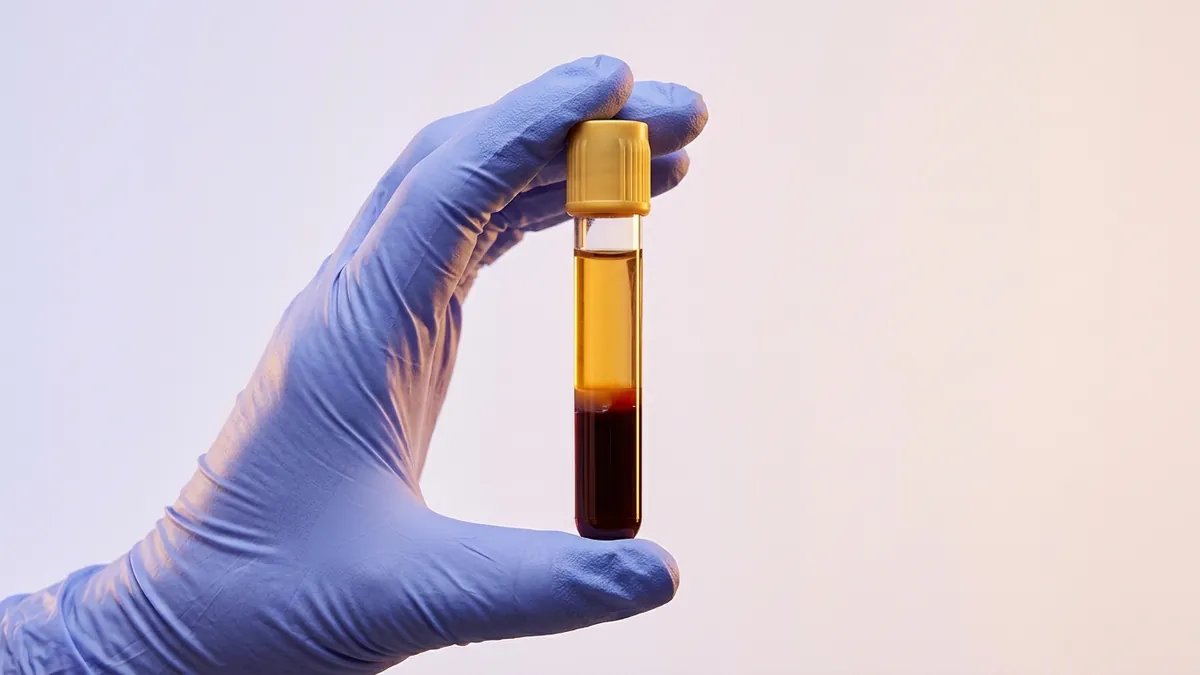
Opening your online patient portal after a routine checkup and spotting a bold red flag next to your lab numbers can make your stomach drop, can't it? If you just typed Alkaline Phosphatase Blood Test High: Clinical Meaning, Causes, Normal Ranges & Next Steps into your search bar, take a slow, reassuring breath right now. We doctors review elevated alkaline phosphatase—often shortened to ALP on your lab printout—every single week in everyday practice, and a high reading on its own is a diagnostic clue, never an automatic worst-case diagnosis.
Have you ever wondered why a single blood enzyme could connect parts of your body as different as your liver and your skeleton? Your routine blood chemistry screen (Comprehensive Metabolic Panel or Liver Function Test) includes ALP because this hardworking protein sits mainly along your tiny bile ducts and inside your bone-building cells. When either tissue gets irritated, works overtime, or goes through a completely natural growth phase, extra ALP spills harmlessly into your bloodstream.
Whether you received your results through Quest or Labcorp in the US, your NHS GP app in the UK, LifeLabs in Canada, or a local pathology clinic in Australia, context is everything. Let us walk through what your exact number means, how we doctors tell liver causes apart from bone causes, and the calm, practical steps you should take next.
📌 Key Takeaways at a Glance
- Two Primary Sources: Over 80% of circulating alkaline phosphatase comes from your liver bile ducts and your bones, with smaller amounts made by the intestines, kidneys, and placenta during pregnancy.
- Adult Normal Range: Most laboratories define normal adult ALP between 44 and 147 IU/L (or 30 to 130 U/L depending on the assay), while children, teens, and pregnant women naturally run much higher.
- Mild Spikes Are Common: A borderline elevation (less than 1.5 times the upper limit) often stems from low vitamin D, a healing bone bruise, fatty liver changes, certain medications, or even eating a rich meal before your blood draw.
- The Simple Tie-Breaker Test: We doctors routinely order a quick blood enzyme check called gamma-glutamyl transferase (GGT) alongside liver transaminases (ALT and AST) to see instantly whether excess ALP comes from your liver or your bones.
- Red Flags Need Prompt Care: Seek urgent medical evaluation if high ALP appears alongside yellowing eyes or skin, dark tea-colored urine, fever with chills, or sharp upper-right belly pain.
What Does an Alkaline Phosphatase Blood Test High Result Actually Mean?
An alkaline phosphatase blood test high result means your bloodstream contains elevated levels of the ALP enzyme—typically above 130 to 147 IU/L in adults—most often pointing to slowed bile flow in the liver, active bone remodeling or vitamin D deficiency, normal pregnancy changes, or temporary medication effects.
Think about ALP as a microscopic helper enzyme anchored to the outer walls of specific cells throughout your body. Its main chemical job is removing phosphate groups from molecules in an alkaline environment—a process called dephosphorylation. In your bones, specialized bone-forming cells (osteoblasts) use ALP to lay down sturdy calcium-phosphate mineral crystals. In your liver, cells lining the microscopic bile canals use ALP to help move digestive fluid smoothly toward your gallbladder and small intestine.
Look at what happens when something disrupts either system. If a tiny gallstone, liver inflammation, or medication slows down bile drainage—a pattern we doctors call slowed or blocked bile flow (cholestasis)—accumulating bile salts stimulate liver cells to manufacture fresh ALP, which then leaks into your circulation. On the flip side, if your skeleton is repairing a hairline fracture or scrambling to rebuild bone softened by low vitamin D, your osteoblasts ramp up ALP production. Pretty fascinating how one lab marker bridges two completely separate body systems, right?
What Are the Normal ALP Reference Ranges by Age, Sex, and Pregnancy?
Before worrying about a flagged result, you always want to check the exact reference interval printed right next to your number. Different pathology labs use slightly different chemical reagents, which shifts the upper cutoff. In the United States and Canada, standard adult reference ranges typically span 44 to 147 IU/L, whereas NHS laboratories in the UK and Australian pathology providers commonly use harmonized adult intervals of 30 to 130 U/L (or up to 115 U/L in younger adult women).
Have you ever noticed how age and life stage completely change what counts as "normal" for ALP? Here is why we doctors never interpret this test in a vacuum:
- Children and Teenagers: Growing bones remodel at lightning speed! Healthy kids and adolescents going through puberty routinely show ALP readings 2 to 3 times higher than adult limits (often 150 to 420 IU/L) without anything being wrong at all.
- Pregnancy (Especially Second & Third Trimesters): The growing placenta manufactures its own placental ALP isoenzyme, frequently pushing levels up to double normal non-pregnant values until a few weeks after delivery.
- Adults Over Age 60: Mild physiological rises occur naturally with aging, particularly in postmenopausal women experiencing faster skeletal turnover.
- The Fatty-Meal Quirk: People with blood types O or B naturally release intestinal ALP into their blood for several hours after eating a high-fat meal—like bacon and eggs or fish and chips. We rarely stop to think about breakfast skewing a liver panel, do we? That is why fasting for 8 to 10 hours before a repeat ALP check gives the cleanest reading.
Why Is Your Alkaline Phosphatase High? Liver and Bile Duct vs. Bone Causes
When your Primary Care Physician (PCP) or family GP reviews an elevated ALP, our first job is sorting possibilities into two main buckets—plus a handful of everyday medications. Let us break down the culprits we look for most often.
Liver and Bile Duct Causes (Hepatobiliary Origin)
Whenever bile flow slows down inside the liver or along the main bile duct, ALP climbs noticeably—often rising faster and higher than standard liver cell enzymes like ALT and AST. Common triggers include gallstones slipping into the common bile duct (choledocholithiasis), metabolic fat buildup in the liver (metabolic dysfunction-associated steatotic liver disease, or MASLD), heavy alcohol intake, viral hepatitis recovery, and autoimmune bile duct conditions such as autoimmune bile duct inflammation (primary biliary cholangitis). Certain prescription drugs—including specific antibiotics like amoxicillin-clavulanate, anti-seizure medicines like phenytoin, oral estrogens, and even high-dose herbal extracts—can also mildly nudge liver ALP upward.
Bone, Endocrine, and Benign Causes (Skeletal & Extrahepatic Origin)
What if your liver is completely healthy, yet your ALP stays stubbornly high? Remember how we talked about bone-building osteoblasts earlier? Anything that speeds up bone turnover releases skeletal ALP. Everyday examples include widespread low vitamin D leading to softened, under-mineralized bone (osteomalacia), a healing wrist, rib, or stress fracture you might have brushed off weeks ago, an overactive parathyroid gland pulling calcium from bone (hyperparathyroidism), or disorganized bone remodeling in older adults (Paget's disease of bone). Less commonly, chronic kidney disease or thyroid overactivity drives skeletal enzyme release.
How Do Doctors Pinpoint the Exact Source? Stepwise Lab & Imaging Evaluation
You do not need invasive procedures right out of the gate to figure out why your ALP is up. At your Primary Care Physician (PCP) or family GP clinic, we follow a logical, step-by-step detective checklist that starts with your symptoms, medication list, and companion blood markers.
First, we inspect the rest of your liver panel. Are your liver cell enzymes (ALT and AST) and yellow bile pigment (bilirubin) also elevated, or is ALP standing completely alone? Next comes our favorite tie-breaker test: a bile duct enzyme check (gamma-glutamyl transferase, or GGT). Think about it for a second—GGT lives alongside ALP in your liver and bile ducts, not inside your bones. So if both ALP and GGT are elevated together, we know right away the extra enzyme is coming from your hepatobiliary system! If GGT is rock-solid normal, our spotlight shifts straight toward your bones, gut, or placenta. Makes sense, right?
When a liver or bile duct source is confirmed, we typically refer you for a painless, radiation-free abdominal ultrasound (right upper quadrant ultrasound) at a local radiology center or hospital outpatient department to visualize your liver texture, gallbladder, and bile duct diameter. Conversely, if normal GGT points toward bone, we check blood levels of 25-hydroxy vitamin D, calcium, phosphate, and parathyroid hormone (PTH), or order specialized ALP isoenzyme fractionation and targeted bone X-rays if needed.
Comparing High ALP Patterns: What Your Lab Numbers Mean & Next Steps
How high your number climbs—and what companions rise alongside it—gives us doctors huge reassurance or tells us when to move quickly. Use this straightforward comparison guide to understand how clinicians categorize different ALP patterns.
| Lab Result Pattern or Elevation Level | Clinical Meaning & Recommended Action Step |
|---|---|
| Mild Isolated Elevation (Less than 1.5x upper limit; normal ALT, AST & bilirubin) | Very common and frequently transient. Often linked to low vitamin D, recent fatty meal before draw, mild fatty liver, healing minor bone injury, or medication effect. What you should do: Schedule a routine visit with your family GP or PCP; ask whether repeating a fasting ALP alongside GGT and vitamin D in 4 to 8 weeks makes sense. |
| High ALP + Elevated GGT (With normal or mildly raised ALT/AST) | Confirms that excess ALP originates from the liver or bile ducts rather than bone, pointing toward slowed bile flow, gallstone irritation, alcohol effect, or medication sensitivity. What you should do: Review all prescriptions, over-the-counter pain relievers, and herbal supplements with your doctor, and arrange a non-invasive liver and gallbladder ultrasound. |
| High ALP + Normal GGT (Normal bilirubin and liver enzymes) | Points strongly away from the liver toward active skeletal bone turnover (vitamin D deficiency, healing fracture, Paget's disease, hyperparathyroidism) or normal pregnancy/adolescent growth. What you should do: Have your doctor check serum vitamin D, calcium, and parathyroid hormone levels, and mention any localized deep bone aching or recent falls. |
| Moderate-to-Marked Elevation (More than 2x to 4x upper limit of normal) | Signals more pronounced bile duct obstruction (such as an impacted gallstone or stricture), infiltrative liver inflammation, or brisk bone remodeling requiring timely diagnostic clarity. What you should do: Book a prompt appointment with your PCP or GP within days for comprehensive blood work, abdominal imaging, and potential gastroenterology or endocrinology referral. |
| High ALP + Jaundice, Fever, or Right Upper Belly Pain | Suggests acute bile duct blockage or ascending bile duct infection (acute cholangitis), where trapped bile backs up rapidly into the bloodstream. What you should do: Do not wait for a routine clinic slot—go immediately to your nearest hospital Emergency Room (ER / A&E) for urgent imaging and specialist care. |
While we investigate the root cause, everyday habits genuinely support healthier liver and bone numbers. Enjoy whole foods familiar to your kitchen—fiber-rich oatmeal, leafy greens, grilled salmon or mackerel for natural vitamin D, olive oil, and plenty of plain water—while cutting back on sugary sodas, ultra-processed snacks, and evening wine, beer, or spirits. Safe, brief midday sunshine (around 10 to 15 minutes depending on skin tone and local UV index) and brisk daily walks also nourish both skeletal strength and metabolic liver health.
✔️ What You Should Do & ❌ What to Avoid
- ✔️ DO fast for 8 to 10 hours before a repeat test: Drinking plain water is encouraged, and skipping a greasy breakfast prevents temporary intestinal ALP spikes—especially if you have blood type O or B.
- ✔️ DO bring a complete list of pills and supplements: Include prescription medications, over-the-counter painkillers, hormone therapy, protein powders, and herbal teas (like green tea extract, ashwagandha, or kava), as several can elevate liver enzymes.
- ✔️ DO ask about GGT and vitamin D testing: Pairing these two simple blood checks with your repeat panel saves guesswork and unnecessary anxiety.
- ❌ DON'T abruptly stop prescribed medications on your own: Even if a blood pressure, cholesterol, or seizure tablet can nudge ALP up, always talk to your prescribing doctor before pausing treatment.
- ❌ DON'T buy unregulated "liver detox" cleanses: Be honest—those flashy online flush kits look tempting when a lab value turns red, don't they? Unfortunately, concentrated herbal detox pills are a notorious cause of drug-induced liver injury!
- ❌ DON'T drink alcohol before follow-up labs: Give your liver a complete break from beer, wine, and liquor while we clarify your numbers.
🚨 When to Seek Immediate Emergency Care (Red-Flag Symptoms)
If you or someone near you develops any of these red-flag symptoms, do not wait — call 911 (or 999 in the UK / 000 in Australia) immediately or go straight to the nearest hospital Emergency Room (ER / A&E):
- Yellowing of the whites of your eyes or skin (jaundice), accompanied by dark cola- or tea-colored urine and pale, clay-colored stools.
- Severe, steady, or cramping pain in your upper-right abdomen (just beneath your right ribcage) that may radiate to your right shoulder blade or back.
- High fever with shaking chills (rigors) alongside belly pain or jaundice—a classic warning triad for an infected bile duct requiring emergency antibiotics and drainage.
- Persistent vomiting, inability to keep fluids down, or sudden confusion and extreme drowsiness, which can signal acute liver stress or dangerously high blood calcium.
- Sudden, severe localized bone pain or inability to bear weight without a major trauma, which needs prompt urgent care or emergency X-ray assessment (in the UK, you can also dial 111 for urgent guidance if symptoms are rapidly worsening).
💡 Key Take-Home Message
- An isolated high alkaline phosphatase reading is a common clue—not a diagnosis—pointing mainly toward either your liver's bile ducts or your bones.
- Age, teenage growth spurts, pregnancy, recent meals, and vitamin D status all dramatically influence what is normal for your body.
- A quick follow-up blood check with GGT, liver transaminases, and vitamin D—guided by your family GP or primary care physician—almost always reveals the exact source calmly and clearly.




No comments yet. Be the first to share your question or experience below.