
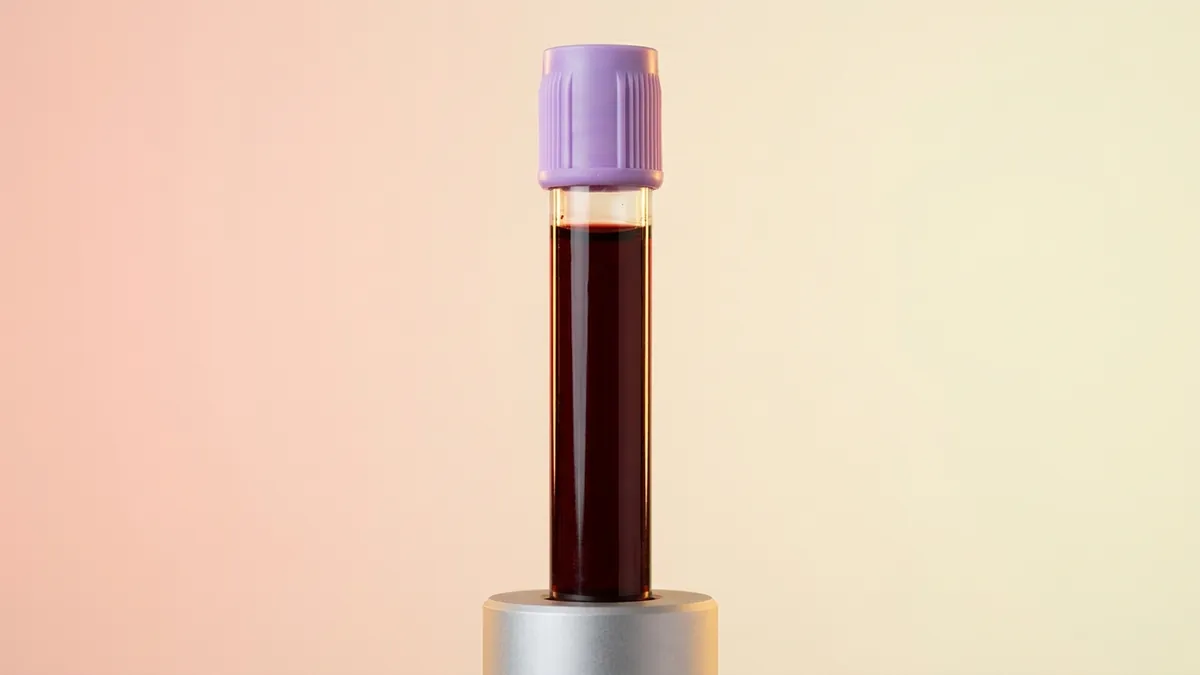
Opening your online patient portal late at night and spotting an RDW Cv high blood test flag in bright red letters can instantly trigger a wave of worry. Be honest—you scrolled straight past ten normal numbers right to that single bold exclamation mark, didn't you? Whether your blood draw is called a Complete Blood Count in the US and Canada or a Full Blood Count in the UK and Australia (CBC / FBC), seeing an unfamiliar abbreviation like RDW-CV sitting above range leaves most people wondering if something serious is hiding in their bloodstream.
First, let us put your mind at ease. When we doctors review blood panels at a Primary Care Physician (PCP) or family GP clinic, we never panic over an isolated RDW-CV elevation. Think about it for a second: your body manufactures roughly two million fresh red blood cells every single second! RDW-CV simply measures how uniform in size those millions of cells are as they circulate from head to toe.
In the vast majority of everyday clinic visits, an elevated RDW-CV acts like a helpful early-warning dashboard light rather than an emergency alarm. Often, it quietly tips us off that your body is running low on essential building blocks—like iron, vitamin B12, or folate—weeks before full-blown low red blood cell levels (anemia) even show up. Let us walk through what this test actually measures, what normal ranges look like, and the exact next steps you should discuss with your doctor.
📌 Key Takeaways at a Glance
- What it measures: RDW-CV stands for red blood cell size variation (red cell distribution width – coefficient of variation). It checks whether your red blood cells are roughly the same size or an uneven mix of tiny and oversized cells.
- Typical normal range: Most certified labs define a normal adult RDW-CV as roughly 11.5% to 14.5% (some analyzers read up to 15.0%), so always check the specific reference column printed on your lab report.
- Most common causes: Early or established iron deficiency, low vitamin B12 or folate levels, recent blood loss, chronic inflammation, or healthy bone marrow recovery after starting nutritional supplements.
- Context is everything: We doctors never interpret a high RDW-CV alone—we always pair it with your oxygen-carrying protein (hemoglobin) and average red blood cell size (mean corpuscular volume, or MCV).
- Actionable next step: Never self-prescribe high-dose iron tablets before speaking with your PCP or family GP, as targeted follow-up tests like an iron storage test (serum ferritin) pinpoint the real cause safely.
What Does an RDW Cv High Blood Test Result Mean?
An RDW Cv high blood test result (typically above 14.5% to 15.0%) means your circulating red blood cells vary much more in size than normal, a medical finding called anisocytosis. Rather than diagnosing one specific illness, it signals nutrient deficiencies—most commonly low iron, vitamin B12, or folate—recent blood loss, or active bone marrow recovery.
To picture how this works in everyday life, imagine a bakery assembly line turning out hamburger buns. Normally, every bun comes out virtually identical in diameter. Healthy bone marrow works the exact same way, releasing flexible, disc-shaped red blood cells that measure right around 6 to 8 micrometers across so they can squeeze smoothly through tiny capillaries.
Now, look at what happens inside your bloodstream when your bone marrow starts running short on iron or vitamins. Newly baked red blood cells come off the line noticeably smaller—or noticeably larger—than the older, normal-sized cells still floating around from two or three months ago. Because red blood cells live for roughly 120 days, both generations mingle together in the same blood sample. Pretty fascinating, right? That mixed crowd of big and small cells is exactly what pushes your RDW-CV percentage above the upper cutoff.
How Does RDW-CV Work in Your Body, and How Is It Different From RDW-SD?
Have you ever glanced further down your lab printout and noticed two nearly identical lines—RDW-CV and RDW-SD—and wondered why labs bother reporting both? We rarely stop to think about how automated blood analyzers do their math, do we? Both measurements track unequal red blood cell sizes (anisocytosis), yet they calculate that spread in two slightly different ways.
RDW-CV (Coefficient of Variation) expresses the size spread as a percentage by dividing the width of your red cell size curve by your average red blood cell size (MCV). Because MCV sits on the bottom of that math fraction, a naturally small MCV can nudge your RDW-CV percentage higher even when the actual physical spread of cell sizes is modest. Conversely, if almost all of your cells are uniformly enlarged, a high MCV can occasionally mask a borderline RDW-CV.
RDW-SD (Standard Deviation), by contrast, measures the actual physical width of your cell-size bell curve in tiny volume units called femtoliters (fL), usually reported as normal between 39 and 46 fL. Because RDW-SD does not rely on MCV math, we doctors love looking at RDW-CV and RDW-SD side by side. Together, they give your PCP or family GP crystal-clear insight into how steadily your bone marrow is producing fresh red blood cells.
What Is the Normal Range for RDW-CV, and What Counts as High?
In most major diagnostic laboratories across the United States, the United Kingdom, Canada, and Australia, a standard adult RDW-CV normal range sits between 11.5% and 14.5% (with certain lab machines setting the upper normal limit between 14.6% and 15.0%). Any result flagged above your specific lab's upper cutoff is classified as an elevated or high RDW-CV.
Why does one hospital lab cut off at 14.5% while a neighborhood clinic lab down the street allows up to 15.0%? Different hematology analyzers use slightly different laser and electrical sensors to size millions of cells in seconds, and each lab calibrates its range to local healthy volunteers. That is why we doctors always tell patients to compare their number against the exact reference bracket printed right beside their result.
How high is yours? A mildly high RDW-CV (around 14.6% to 16.0%)—especially when your hemoglobin and MCV look completely normal—is remarkably common and often reflects subtle, early iron depletion, recovery from a recent viral bug, or minor lab variation. A moderately to markedly high RDW-CV (above 16.5% to 20%+), however, tells us there is a genuine, wide size gap among your red cells that deserves a focused follow-up checkup at your family clinic. Makes sense, right?
What Causes an RDW-CV Blood Test High Result?
Remember how we talked about your bone marrow needing steady raw ingredients to build uniform cells? Whenever that supply chain slows down, speeds up suddenly, or faces chronic stress, cell sizes start drifting apart. When we doctors investigate an rdw cv blood test high reading, we systematically check five common everyday categories:
- Iron Deficiency (Early or Established): Whether from heavy menstrual periods, slow digestive tract oozing (such as from regular ibuprofen use or stomach ulcers), frequent blood donation, or plant-forward diets low in absorbable iron, falling iron stores force new red blood cells to shrink while older normal cells remain in circulation.
- Vitamin B12 or Folate (Vitamin B9) Deficiency: Your marrow needs B12 and folate to copy DNA properly as cells divide. Without enough—often due to low animal-food intake, gut absorption conditions like celiac disease or pernicious anemia, long-term acid-blocker or metformin use, or heavy alcohol intake—new cells grow oversized (macrocytic), widening your RDW-CV.
- Healthy Treatment Recovery (The "Good" High RDW!): Just started iron tablets or B12 injections a couple of weeks ago? Your bone marrow rapidly releases youthful, slightly larger immature red blood cells (reticulocytes) alongside your older deficient cells. Temporarily, that healing surge actually pushes RDW-CV higher before normalizing! Pretty surprising, right?
- Chronic Inflammation, Liver, or Kidney Conditions: Ongoing systemic inflammation, chronic liver disease, underactive thyroid (hypothyroidism), or chronic kidney trouble can disrupt smooth hormone signaling to the bone marrow and shorten red cell lifespan.
- Inherited Red Cell Traits or Blood Transfusions: Certain inherited hemoglobin patterns (such as sickle cell disease or mixed traits), premature red cell breakdown (hemolytic anemia), or a blood transfusion within the last three months naturally mix two distinct populations of red blood cells.
How Do We Doctors Read High RDW-CV Alongside MCV and Hemoglobin?
See? That is exactly why we doctors never read RDW-CV in a vacuum. The real diagnostic magic happens when we pair your RDW-CV with your average red blood cell size (MCV, typically 80–100 fL) and your hemoglobin. Look at the comparison table below to see how your PCP or family GP connects these clues during your consultation:
| Lab Pattern on Your CBC / FBC | Clinical Meaning & Practical Next Steps |
|---|---|
| High RDW-CV + Low MCV (Smaller cells on average) | Strongly points toward iron deficiency anemia (or occasionally certain complex inherited hemoglobin traits), because newer cells are coming out tiny and pale while older normal-sized cells still circulate. What you should do: Ask your family doctor about checking an iron storage protein test (serum ferritin) and full iron studies, and discuss potential sources of hidden blood loss or low dietary iron. |
| High RDW-CV + Normal MCV (Normal average cell size) | Often signals very early iron, B12, or folate depletion before average cell size shifts—or a mixed deficiency (for example, low iron shrinking some cells while low B12 enlarges others, canceling each other out in the average!). What you should do: Book a routine review with your PCP or GP clinic to test ferritin, vitamin B12, and folate rather than assuming a normal MCV rules out nutrient shortages. |
| High RDW-CV + High MCV (Larger cells on average) | Classic pattern for vitamin B12 or folate deficiency, excess regular alcohol use, certain medications, chronic liver conditions, or brisk young red cell release (reticulocytosis) after bleeding or hemolysis. What you should do: Share a complete list of your daily prescriptions, supplements, and alcohol habits with your doctor so we can run targeted B12, folate, liver, and reticulocyte blood checks. |
| Normal RDW-CV + Low MCV (Uniformly small cells) | When cells are small yet remarkably uniform in size, we doctors often think first of a mild inherited genetic trait like thalassemia minor or stable anemia of chronic inflammation rather than simple iron deficiency. What you should do: Never start over-the-counter iron pills on your own here—excess iron can be harmful in thalassemia trait. Let your doctor confirm iron stores and hemoglobin electrophoresis if needed. |
| Mildly High RDW-CV + Completely Normal CBC (No symptoms at all) | Frequently represents a harmless lab borderline reading, recovery after a recent viral illness or blood donation, or the earliest whisper of dipping iron reserves. What you should do: Stay calm, focus on balanced whole-food nutrition, and ask your doctor whether a simple repeat blood panel or baseline ferritin check in 4 to 12 weeks makes sense. |
How Should You Prepare for Follow-Up Tests and Support Healthy Red Blood Cells?
What do you think happens when someone spots a high RDW-CV online and immediately buys high-strength iron pills at the pharmacy before seeing their doctor? Not only can unnecessary iron trigger stubborn constipation and stomach cramps, it can also muddy follow-up lab results—or worse, overload your liver if you carry an inherited iron-storage condition (hemochromatosis) or thalassemia trait!
Instead, jot down any subtle symptoms you have brushed off lately—like afternoon exhaustion, brittle nails, restless legs at night, weird cravings to chew ice, tingling fingers, or heavier menstrual cycles—and schedule a calm visit with your PCP or family GP clinic. Depending on your full blood panel, we doctors typically order targeted second-step tests such as serum ferritin, transferrin saturation, vitamin B12, serum folate, reticulocyte count, thyroid-stimulating hormone (TSH), and liver or kidney panels. If fasted iron studies are ordered, your clinic may ask you to come in the morning after drinking plain water only.
Alongside medical guidance, everyday kitchen habits across the US, UK, Canada, and Australia go a long way toward nourishing steady red blood cell production. Include natural iron sources like lean beef or lamb, roast chicken, lentils, chickpeas, tofu, and fortified breakfast oats, paired with vitamin C-rich foods—like bell peppers, strawberries, or a small glass of orange juice—to boost plant-iron absorption. Add eggs, salmon, dairy, or fortified nutritional yeast for B12, and dark leafy greens like baby spinach and broccoli for folate. And here is a simple trick many patients love: enjoy your English breakfast tea, builder's brew, or morning coffee at least an hour away from iron-rich meals, because tannins and polyphenols can block gut iron absorption by up to half!
✔️ What You Should Do & ❌ What to Avoid
- ✔️ DO review the entire CBC / FBC together: Check whether your hemoglobin, MCV, and platelet counts are totally normal or also flagged alongside your RDW-CV.
- ✔️ DO ask for targeted nutrient blood work: Requesting ferritin, iron studies, vitamin B12, and folate gives your doctor exact answers before starting treatment.
- ✔️ DO mention every medication and supplement: Acid-reducing proton pump inhibitors (PPIs), metformin, regular NSAID painkillers (ibuprofen, naproxen), and daily alcohol all influence red cell size.
- ✔️ DO pair iron-rich meals with vitamin C: Squeezing lemon over spinach or eating berries alongside fortified cereal helps your gut absorb dietary iron far more efficiently.
- ❌ DON'T take high-dose iron supplements blindly: Taking iron when your high RDW-CV is actually caused by B12 deficiency, liver strain, or thalassemia trait delays proper care and risks iron overload.
- ❌ DON'T wash iron tablets or iron-rich dinners down with tea, coffee, or milk: Calcium and tea/coffee polyphenols bind iron in your digestive tract; stick to plain water or citrus juice instead.
- ❌ DON'T ignore slow, hidden bleeding signs: Heavy periods, dark tarry stools, or persistent indigestion always deserve prompt evaluation by your GP or specialist referral if needed.
🚨 When to Seek Immediate Emergency Care (Red-Flag Symptoms)
If you or someone near you develops any of these red-flag symptoms, do not wait — call 911 (US & Canada), 999 or 111 (UK), or 000 (Australia) immediately or go straight to the nearest hospital Emergency Room (ER / A&E):
- Chest pain, tightness, or crushing pressure, or a racing, pounding, irregular heartbeat even while sitting quietly at rest.
- Severe shortness of breath when walking across a room or lying flat in bed, or bluish/pale lips and fingernails.
- Sudden dizziness, confusion, near-fainting, or collapsing (syncope) when standing up.
- Signs of active internal or external bleeding: black, sticky, tar-like stools, bright red blood from the bowel, vomiting blood or dark material that looks like coffee grounds, or soaking through menstrual pads/tampons every hour for two or more hours.
- Yellowing of the whites of your eyes or skin (jaundice) paired with dark cola-colored urine and sudden, extreme weakness, which can signal rapid red blood cell breakdown.
💡 Key Take-Home Message
- An RDW Cv high blood test simply tells us your red blood cells differ in size right now—most often pointing to fixable iron, vitamin B12, or folate gaps, or even healthy bone marrow recovery.
- Normal adult RDW-CV generally falls between 11.5% and 14.5%, and its true clinical meaning always comes into focus when paired with your hemoglobin and MCV.
- Team up with your PCP or family GP clinic for quick, targeted follow-up tests so you treat the exact root cause safely and effectively.



No comments yet. Be the first to share your question or experience below.