

What exactly is pruritus ani?
Simply put, pruritus ani is an itchy rash around your anus. It is considered a dermatological condition . This itching is often worse at night . It can also be worse after a bowel movement. This can be very annoying, as the more you scratch, the more you scratch.What are the main types of itching?
There are two main types of pruritus ani. 1. Primary (Idiopathic) Pruritus Ani: This type of pruritus cannot be identified for a specific cause. This type of pruritus is most often seen. 2. Secondary (Secondary) Pruritus Ani: This type of pruritus can be caused by a variety of factors . Examples include infections, systemic diseases, contact dermatitis, and other skin conditions.Who is affected the most by this situation?
Actually, anyone can get anal itching. However, research has found that if you are a man between the ages of 40 and 70, you are slightly more likely to develop this condition. That doesn't mean that women don't get it, but it is more common among men.How common is this situation?
It is reported that between 1% and 5% of the population has anal itching. Also, men are four times more likely to develop the condition than women.How does anal itching affect the body?
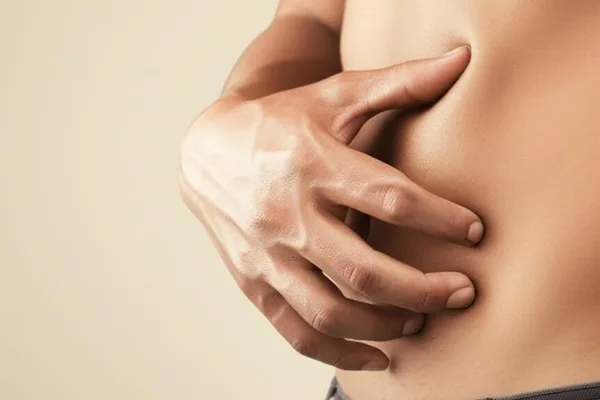
The main thing is that you have an irresistible urge to scratch your anus . However, the problem is that no matter how much you scratch, it only provides temporary relief.In fact, scratching your anus will only make the area itchier . Instead of reducing the itching , it may actually make it worse.Think about it, the skin around your anus is very delicate. Your nails are much stronger than that. So when you scratch with your nails , the chances of damaging the skin, causing scratches, or even infection are very high . If this "itch-scratch cycle" continues, it can cause severe discomfort, pain, and inflammation.
What are the symptoms of anal itching?
In this case, you may experience symptoms such as:- Severe itching (Itchiness)
- Skin irritation and discomfort
- Burning sensation
- Soreness
- Excoriations ( scratches ) caused by itching
- Thick or leathery skin on or around your anus - perianal area
Why do we have to scratch our anus like this? What are the reasons?
There can be many causes of anal itching. Let's look at them one by one.Skin sensitivity and cleanliness
The skin around your anus (perianal area) is very sensitive.- Scented soaps, powders, lotions, and creams can sometimes cause allergic reactions.
- Also, wiping with rough toilet paper , cleaning the area with a rough cloth , or hot water can also be harmful to the skin.
Food and drink
Some of the foods and drinks you eat can also cause this itching.- Dairy products
- Carbonated drinks
- Caffeinated beverages (e.g. coffee, tea, soda)
- Acidic or spicy foods (e.g. tomatoes, citrus fruits, chilies, raw garlic)
Clothing
Even the clothes you wear can affect this. Tight underwear or pants can trap heat and moisture (sweat) in the area around the anus, making itching worse.Other medical conditions
Hemorrhoids
Hemorrhoids are swollen, enlarged blood vessels that occur inside and outside the anus. Large hemorrhoids outside the anus (external hemorrhoids) can make it difficult to pass stool after going to the bathroom. Internal hemorrhoids can cause bleeding or fecal soiling or incontinence. This can also cause itchy skin.Yeast infections (Yeast infections - Candida)
Yeast infections are caused by a type of fungus called Candida . These infections can start in the vagina or rectum. They can cause skin discoloration, swelling, or small cuts and cracks in the skin in that area.Anal fissures
These are tears or cracks in the skin around the anus or anal canal. The main cause of this is some kind of trauma to the area. Examples include constipation, straining during bowel movements, prolonged diarrhea, and anal sex.HPV and Warts
Human Papillomavirus (HPV) is a virus that most commonly affects the genitals, anus, and rectum. HPV causes genital warts . These are sexually transmitted infections. They cause small bumps or growths (warts) on the genitals and around the anus. These warts can sometimes cause minor bleeding, discomfort, and inflammation.Worms (Pinworms / Threadworms)
Pinworms, especially pinworms, are very small, white or light gray worms. They are parasites , meaning they depend on another host to survive. These worms live in the intestines and rectum of infected people. They lay eggs around the anus at night . That is the main cause of anal itching. This is very common among young children.How do you know for sure if you have this itch? (Diagnosis)
When you go to see a doctor, he or she will first do a physical examination . This will include a thorough examination of the area around your anus, looking for any changes in skin color, texture, rashes, or lesions. In addition, the doctor may ask you questions such as:- Are you currently taking any medications?
- How often do you poop ?
- What is the consistency of your stool? (Is it liquid or lumpy?)
- What kind of foods do you eat the most?
- What kind of drinks do you drink?
- What kind of soap do you use when you shower?
- What kind of toilet paper do you use?
- Do you usually wear tight clothes (underwear, pants)?
- Do you have any food allergies?
What tests are being done?
There is a simple test called the tape test to determine if pinworms are causing the itching. Pinworms are most active at night. If you suspect your child has this condition, you can stick a small piece of tape near the anus before your child goes to bed. When your child wakes up in the morning, take the tape out and check for worms or eggs.How do you treat this anal itching?
Often, when treating this, the first thing to focus on isPractice good anal hygiene. This means cleaning the anus thoroughly after a bowel movement, keeping the area dry, and applying a small amount of nonmedicated talcum powder. If you have secondary pruritus ani , which means that the itching is caused by another condition, treatment will depend on the specific cause . Treatment options include:Creams and ointments
There are creams available at the pharmacy, such as hydrocortisone . These are ointments that belong to the corticosteroid class, combined with a painkiller. These can be applied to the affected area two or three times a day. Some studies suggest that creams containing capsaicin are a good alternative to corticosteroids for chronic anal itching.Antibiotics and antifungal medications
If your doctor suspects that the itching is caused by an infection, he or she may prescribe antibiotics or antifungal medications .Methylene blue injection / Anal tattooing
If other treatments don't work, doctors sometimes use an injection called methylene blue . This involves injecting this medicine under the skin around the anus. Methylene blue works by numbing the nerve endings in that area, reducing pain and itching.Are there any remedies that can be done at home?
Yes, there are several things you can do at home to reduce anal itching:- Use toilet paper that is free of dyes and scents: Some toilet paper contains dyes or scents that can cause skin allergies. So choose products that say things like "dye-free," "unscented," "unbleached," and "hypoallergenic."
- Avoid using harsh soaps, perfumes, and deodorants on your skin: These may also contain allergens or chemicals .
- Wear cotton underwear: Cotton underwear absorbs moisture well. Also, make sure your underwear fits properly and change it regularly. Use a fragrance-free detergent when washing your underwear.
- Avoid certain foods and drinks: Dairy, carbonated drinks, caffeinated drinks, and acidic/sour foods can all make your itching worse. But don't stop eating them all at once. Try cutting out one thing at a time for a few days to see which food/drink triggers your itching.
What should I expect with this situation?
With proper hygiene and treatment, people with anal itching can recover quickly.Symptoms usually resolve within one to three weeks. However, in severe cases, recovery may take longer.How do I take care of myself? (Self-care tips)
If you have anal itching, follow these self-care tips:- Control your urge to scratch: Itching can be worse at night. You may scratch your nails in your sleep without realizing it. So, wear a pair of clean, soft cotton gloves when you sleep at night. This can help prevent skin damage and infection.
- Keep the area around the anus clean and dry: After a bowel movement or bath, clean the area around the anus with clean water (from a shower or bidet), moistened toilet paper, or baby wipes. Then, pat dry with a paper towel or towel. You can also use a hair dryer on low heat.
- Use absorbent materials: A little cornstarch, a little non-medicated talcum powder, or a piece of cotton wool can help absorb moisture in the area.
- Don't clean too vigorously: Avoid using soap when cleaning around the anus. Don't rub too hard with toilet paper or a cloth.
- Avoid products containing fragrances: Scented creams, lotions, bubble baths, and powders can increase itching.
- Eat foods rich in fiber : A balanced diet helps prevent constipation or diarrhea and regularize bowel movements.
- Use creams/ointments as directed: Do not apply more than the doctor has prescribed. If itching does not subside or worsens, stop using and tell your doctor.
When should I see a doctor?
If you have treatment but the itching around the anus does not subside, if the itching worsens after treatment, or if the area appears infected (skin discoloration, inflammation, swelling), see a doctor immediately .What questions should I ask my doctor?
When you see your doctor, you can ask questions like these:- Do I have Primary Pruritus Ani or Secondary Pruritus Ani?
- If I have secondary pruritus ani, what is the cause?
- What medications do you recommend?
- Can those medications cause any side effects ?
- What home treatments do you recommend?
- Is there a cream or ointment you can prescribe?
- Should I see a dermatologist or other specialist?
Why does my anus itch at night?
As we've talked about before, parasites like pinworms lay their eggs around the anus at night. That's why they're more active at night. That's why you might itch more at night than at other times of the day.Should I be worried about scratching my anus?
In most cases, you don't need to see a doctor if you have anal itching. Many people find relief with proper hygiene and some over-the-counter medications.Anal itching is a very unpleasant condition. It's annoying, embarrassing, and sometimes so unbearable that you can't think about anything else. But remember, there is relief!Proper hygiene, medication if necessary, and gentle care can help relieve anal itching. If your symptoms don't go away despite treatment, see your doctor right away.
Remember the most important thing (Take-Home Message)
So, anal itching is not something to ignore.- Cleanliness is the most important thing. Always keep the area around the anus clean and dry.
- Try to find out what's causing your itching. It could be a food, a type of soap, or another medical condition.
- Don't scream! That will only make the situation worse.
- If home remedies don't help, don't be shy and see a doctor . He or she will prescribe the right treatment for you.
👩🏽⚕️ Additional questions (FAQs)
💬 Why do I constantly get anal itching?
There can be many reasons for this. The main reasons are that the area is not properly cleaned or that it has been damaged by washing it too hard. Pinworms, fungal infections, or hemorrhoids can also cause this itching.
💬 What should we do at home when we get an itchy rectum?
When you get an itch, don't scratch it and injure yourself. After using the toilet, instead of scratching, wash it with water and pat it dry with a soft cloth. Also, make a habit of wearing only loose, cotton underwear.
💬 Are there any ointments that can be applied to stop this itching?
You can apply a small amount of a cream like hydrocortisone, which you can buy from a pharmacy, to reduce the itching. However, if the itching lasts for more than a week or if it bleeds, you should definitely see a doctor.




💬 Comments (0)
No comments yet. Be the first to share your thoughts here.
Add Your Comment