

Are you scheduled to have a small or large surgical operation soon? When doctors recommend surgery, they always evaluate your overall health status before giving you anesthesia, which is the medicine that keeps you pain-free during your procedure. This evaluation process is known as the American Society of Anesthesiologists physical status classification system, or ASA classification for short.
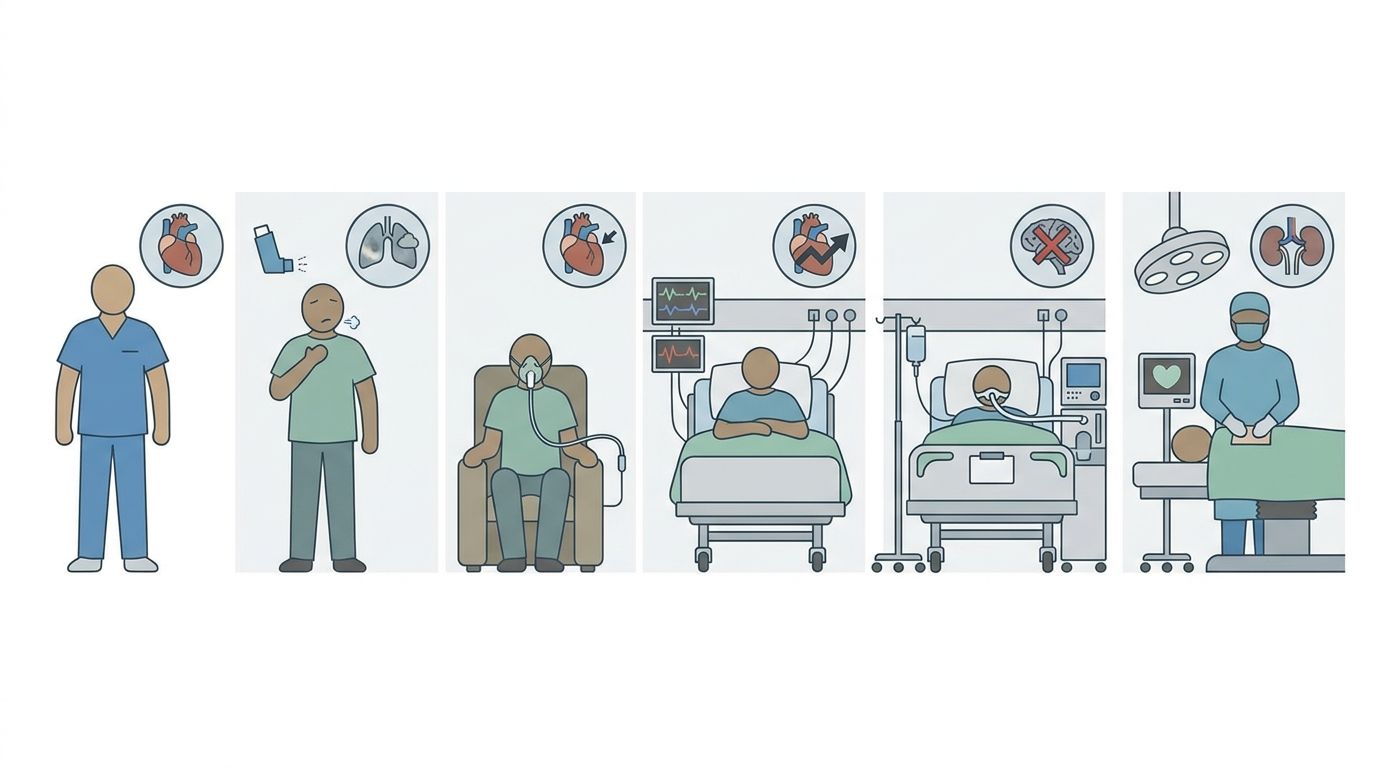
Hearing about health scores before surgery can sometimes feel a bit stressful or intimidating. You might wonder if your body is being graded or judged by your care team. However, this system actually exists to help your medical team protect you and provide the safest possible care tailored to your exact needs. Let us explore this important medical topic in detail so you can feel fully prepared and confident.
What Is the ASA Classification and Why Is It Important?
Simply put, the ASA physical status classification system is a standardized method used to assess your overall physical health before you receive anesthesia for surgery. The American Society of Anesthesiologists originally created and maintains this global standard. Imagine if every anesthesiologist used the exact same evaluation scale for every single patient. It creates a universal language of safety.
There are several key reasons why medical teams use this classification system every day:
- Recording baseline health: It provides a clear, documented record of your exact health status before you enter the operating room.
- Universal medical language: Anesthesiologists anywhere in the world can instantly understand your general health fitness level just by knowing your ASA number.
- Assessing surgical risks: While it does not predict surgical outcomes on its own, it helps doctors estimate potential risks when combined with your age and the specific type of surgery.
Important takeaway: The ASA classification is never a prediction of how your surgery will turn out. While it helps your care team assess risk, your doctors look at many other clinical factors before making final decisions. Never let an ASA number cause you unnecessary worry or anxiety.
Key Takeaways About Your ASA Score.
- It is a quick, standardized health evaluation performed right before your scheduled operation.
- It helps your anesthesia doctor choose the safest medicines and monitoring tools for your body.
- Scores range from ASA I for completely healthy people to ASA VI for organ donors.
- It is designed entirely for your protection and to ensure personalized surgical care.
Who Is the ASA?
ASA stands for the American Society of Anesthesiologists, a prominent professional organization dedicated to patient safety and excellence in anesthesiology. This classification system was first introduced back in 1941 when the organization was known as the American Society of Anesthetists. Ever since that time, medical professionals worldwide have relied on this trusted framework.
How Is the ASA Classified? What Are the Levels?
The ASA classification system uses Roman numerals ranging from I to V, with a sixth level designated as VI. ASA I represents a completely healthy patient, while ASA V describes someone with a severe, life-threatening condition. The final level, ASA VI, is reserved strictly for brain-dead patients who are undergoing surgery for organ donation.
Let us examine what each specific grade means in everyday clinical practice. Depending on the hospital where you receive treatment, your doctors may adapt these examples to fit their specific medical specialties.
- ASA I: A completely healthy patient. This means you have no chronic illnesses, organic diseases, or systemic health issues. Examples include a healthy person undergoing minor skin surgery or an emergency appendectomy without any underlying medical conditions.
- ASA II: A patient with mild systemic disease. This means you have a minor health issue that is well-controlled and does not limit your daily activities. Examples include well-controlled diabetes mellitus, well-controlled high blood pressure, mild obesity with a body mass index between 30 and 40, being a smoker without major lung disease, or normal pregnancy.
- ASA III: A patient with severe systemic disease. This means your condition limits your daily activities to some extent, though it is not an immediate threat to your life. Examples include poorly controlled diabetes or hypertension, a heart attack that occurred more than three months ago, moderate chronic obstructive pulmonary disease, or chronic kidney disease requiring regular dialysis.
- ASA IV: A patient with severe systemic disease that is a constant threat to life. These people are generally in critical or unstable condition. Examples include a recent heart attack or stroke within the past three months, severely reduced heart pumping function, severe sepsis, or advanced kidney failure without dialysis.
- ASA V: A moribund patient who is not expected to survive for 24 hours without the surgical procedure. Surgery is performed as a last life-saving measure with an uncertain outcome. Examples include a ruptured abdominal aortic aneurysm, massive traumatic injury, or severe bleeding inside the skull.
- ASA VI: A declared brain-dead patient whose organs are being removed for donation to save other lives.
When Is the ASA Classification Used?
Once your surgery date is officially scheduled, your medical team determines your ASA classification right before your operation begins. Doctors do this to ensure they gather the most accurate and up-to-date information about your immediate health status. For instance, catching a mild cold a few days before surgery can temporarily shift your health status score. Performing the evaluation at the final moment ensures maximum safety.
Who Is the Anesthesiologist?
An anesthesiologist is a specialized medical doctor with advanced training who provides anesthetic medicines to keep you comfortable and pain-free during surgery. Some anesthetic medicines numb a specific part of your body, such as an epidural used during childbirth. Other medicines put you into a deep sleep during major surgical procedures.
Throughout your entire operation, your anesthesiologist constantly monitors your vital signs, including your heart rate, blood pressure, and breathing. They make sure you remain completely safe and pain-free from start to finish. The ASA classification gives your anesthesiologist the precise data they need to design your customized anesthesia plan.
Comparison of ASA Physical Status Levels.
To help you understand how doctors differentiate these health categories, review the comparison table below:
| ASA Level. | Health Status Description. | Common Clinical Examples. |
|---|---|---|
| ASA I. | Normal healthy patient. | No chronic illness, healthy young adult having minor repair. |
| ASA II. | Mild systemic disease. | Controlled hypertension, controlled diabetes, mild obesity. |
| ASA III. | Severe systemic disease. | Stable angina, chronic kidney disease on dialysis, severe asthma. |
| ASA IV. | Severe life-threatening disease. | Recent heart attack, severe heart failure, active sepsis. |
| ASA V. | Moribund patient. | Ruptured aneurysm, severe multi-organ trauma. |
| ASA VI. | Brain-dead organ donor. | Patient undergoing organ harvesting surgery. |
Take-Home Message.
When you look back at everything we discussed regarding the ASA classification system, several key points stand out:
- The ASA system evaluates your health status before surgery to help your anesthesia team prepare.
- It provides a universal communication tool for doctors across hospitals and countries.
- Scores range from ASA I for healthy people to ASA VI for organ donors.
- Your assigned score is never a permanent judgment or a prediction of surgical success.
- Your medical team combines your score with your age and surgical needs to minimize risk.
- Every step of this process aims to deliver the safest anesthesia experience possible for you.
If you have an upcoming operation and your medical team mentions your ASA level, you now understand that it is simply a helpful tool for your protection. Never hesitate to talk openly with your surgeon or anesthesiologist if you have lingering questions or worries. They are always happy to explain every detail.
When to Seek Emergency Medical Attention.
If you are recovering at home after a surgical procedure and experience severe chest pain, sudden shortness of breath, heavy bleeding from your incision site, confusion, or a high fever, call 911 (US/Canada) or 999 (UK) right away, or go straight to the nearest Emergency Department (ER or A&E) for urgent medical evaluation.
A Note from Dr. Priya Sammani.
Preparing for surgery can feel overwhelming, but understanding medical evaluations like the ASA classification helps put you in control of your health journey. Always share your complete medical history, current medicines, and herbal supplements with your doctor so your care team can keep you safe and comfortable.


💬 Comments (0)
No comments yet. Be the first to share your thoughts here.
Add Your Comment