
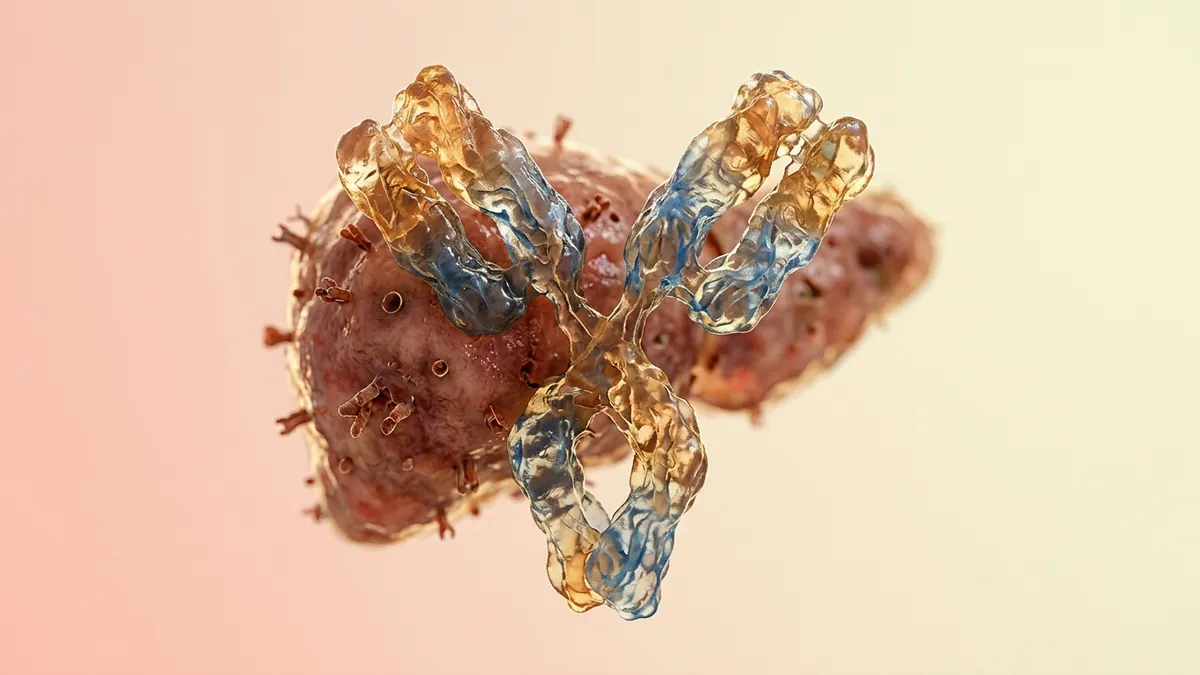
Testing positive for an antibody for autoimmune hepatitis on a routine blood panel can stop you right in your tracks. Be honest, you have probably opened your online patient portal late in the evening, spotted an unfamiliar flagged result like "ANA positive" or "anti-smooth muscle antibody detected," and immediately started worrying about your liver, haven't you? When routine liver blood tests come back elevated, we doctors order specialized immune markers to check for immune-driven liver inflammation (autoimmune hepatitis, or AIH)—a treatable condition where the body's defense system mistakenly irritates healthy liver tissue.
Here is the reassuring clinical truth right upfront: a single positive antibody test is only one clue, never a final verdict. Up to one in five completely healthy adults can carry low levels of certain self-directed immune proteins (autoantibodies) without ever developing liver disease. Pretty surprising, right? Together, let's walk through what each marker actually measures, what lab numbers like 1:40 or 1:80 mean, what triggers these results, and how your Primary Care Physician (PCP) or family GP clinic guides your next steps safely.
📌 Key Takeaways at a Glance
- Main screening markers: Doctors primarily test nuclear antibodies (antinuclear antibodies, or ANA), smooth muscle antibodies (anti-smooth muscle antibodies, or SMA), and liver-kidney microsomal antibodies (anti-LKM-1).
- Normal reference ranges: In adults, titers strictly below 1:40 are considered normal or negative; readings of 1:80 or higher carry stronger clinical weight, while children have lower cutoffs (1:20 or 1:10).
- Never a standalone diagnosis: Confirming autoimmune hepatitis requires combining antibody titers with liver enzymes, infection-fighting blood proteins (immunoglobulin G, or IgG), viral exclusions, and usually a liver biopsy.
- Highly treatable: When caught and treated properly with targeted anti-inflammatory medications, the vast majority of people achieve lasting remission and protect their long-term liver health.
Free FIB-4 Liver Fibrosis Calculator. Enter Age, AST, ALT, and Platelet count to screen for hepatic fibrosis in fatty liver (MASLD/NAFLD) and chronic hepatitis.
What Is an Antibody for Autoimmune Hepatitis, and How Does This Blood Test Work?
An antibody for autoimmune hepatitis is a specialized blood protein, most commonly antinuclear antibody (ANA), anti-smooth muscle antibody (SMA), or anti-LKM-1, that shows your immune system may be targeting liver cells. Still, a positive antibody test alone never confirms autoimmune hepatitis without checking liver enzymes, IgG levels, and biopsy findings.
Have you ever wondered why your immune system would suddenly treat your own liver like an invading germ? Normally, white blood cells manufacture protective proteins (antibodies) to neutralize viruses and bacteria. In autoimmune conditions, that recognition radar misfires. Instead of ignoring your own tissues, B-cells produce self-reactive proteins (autoantibodies) directed against microscopic structures inside liver cells (hepatocytes)—such as cell nuclei, structural muscle-like fibers called F-actin, or specific drug-processing liver enzymes.
Think about it for a second: these circulating antibodies are more like smoke alarms than the fire itself. In the lab, technicians mix diluted drops of your blood serum onto prepared slides using a glowing microscope method called indirect immunofluorescence (IIF) or run an automated protein assay (enzyme-linked immunosorbent assay, or ELISA). When those markers light up alongside elevated liver cell enzymes (alanine aminotransferase [ALT] and aspartate aminotransferase [AST]), we doctors know to look closer at immune-mediated liver irritation rather than gallstones or alcohol-related strain. Makes sense when you picture it that way, doesn't it?
Which Specific Autoantibodies Test for Type 1 vs. Type 2 Autoimmune Hepatitis?
Not every antibody points to the exact same subtype of liver inflammation. We doctors group autoimmune hepatitis into two clinical patterns—Type 1 and Type 2—based on which autoantibodies show up in your bloodstream, while also ruling out neighboring conditions that can mimic it on paper.
- Type 1 markers (ANA, SMA, and Anti-SLA/LP): Accounting for roughly 80% to 90% of cases across the United States, the UK, Canada, and Australia, Type 1 can start at any age. It typically features nuclear antibodies (ANA) and/or smooth muscle antibodies (SMA), especially the more specific anti-F-actin subtype. A third marker, soluble liver antigen antibody (anti-SLA/LP), appears in 10% to 30% of patients and is the single most specific blood marker for autoimmune hepatitis.
- Type 2 markers (Anti-LKM-1 and Anti-LC1): Much rarer and seen mostly in children, teenagers, and young adults, Type 2 isflagged by liver-kidney microsomal type 1 antibodies (anti-LKM-1)—which target an enzyme called cytochrome P450 2D6—or liver cytosol type 1 antibodies (anti-LC1).
- Distinguishing look-alike liver conditions: Look at what happens here when labs overlap. If mitochondrial antibodies (anti-mitochondrial antibodies, or AMA) turn positive alongside high alkaline phosphatase (ALP), we doctors check for bile duct inflammation (primary biliary cholangitis, or PBC) rather than classic autoimmune hepatitis. Meanwhile, white blood cell antibodies (atypical pANCA) can appear in both Type 1 AIH and bile duct scarring (primary sclerosing cholangitis, or PSC).
What Are the Normal Ranges and Positive Titers for Autoimmune Hepatitis Antibodies?
Lab reports for autoantibodies rarely give a simple "yes" or "no"—instead, they list a ratio called a dilution titer, such as 1:40, 1:80, or 1:320. A titer tells us how many times the lab diluted your blood with saline before the antibody glow disappeared. So 1:160 means antibodies were still visible even at one part blood to 160 parts fluid—stronger than 1:40! Now that makes sense, right?
Because labs using ELISA platforms report numerical units (often negative under 20 Units) rather than ratios, always check the reference column printed on your own report. Under international liver guidelines from the American Association for the Study of Liver Diseases (AASLD) and the International Autoimmune Hepatitis Group (IAIHG), standard immunofluorescence cutoffs work like this:
- Normal / Negative range in adults: Titers strictly less than 1:40 (or under 20 Units on standard ELISA).
- Low-positive / Borderline adult titer (1:40): Contributes 1 point on the simplified IAIHG diagnostic score; very common in fatty liver or viral recovery, so we interpret it cautiously.
- Clinically significant positive adult titer (1:80 or higher): Contributes the maximum 2 points on diagnostic scoring when paired with matching clinical labs, or any positive anti-SLA/LP test regardless of titer.
- Pediatric cutoffs (children and teens under 18): Because healthy kids rarely carry background autoantibodies, titers as low as 1:20 for ANA/SMA or even 1:10 for anti-LKM-1 are already clinically meaningful.
- Total Immunoglobulin G (IgG): Alongside antibodies, total blood IgG above the upper limit of normal (typically over 16 g/L or 1,600 mg/dL, especially above 1.1 times normal) strongly supports active autoimmune hepatitis.
What Causes Autoimmune Hepatitis Antibodies to Appear, and Can Results Be False Positive?
Patients almost always ask us, "Did something I ate or did cause these antibodies to switch on?" Please take a deep breath and let go of any self-blame—nothing in your everyday diet or routine caused your immune system to make them. Autoimmune hepatitis develops through a "two-hit" combination: first, an inherited genetic susceptibility (most often immune-response genes called HLA-DR3 or HLA-DR4), and second, an environmental spark that confuses immune surveillance.
What kinds of sparks can trigger these antibodies—or even produce a temporary "false positive" look-alike? Common culprits include:
- Medications and herbal supplements: Prescription antibiotics like nitrofurantoin (often used for urinary tract infections) and minocycline (used for acne), certain biologic infusions like infliximab, statins, and concentrated herbal products like black cohosh or high-dose green tea extract can trigger drug-induced autoimmune-like liver injury.
- Recent viral infections: Hepatitis A, B, C, or E, as well as glandular fever / mononucleosis (Epstein-Barr virus, or EBV) and cytomegalovirus, can stir up transient SMA or anti-LKM-1 antibodies.
- Metabolic fatty liver and other autoimmune conditions: Up to 20% to 30% of adults with metabolic dysfunction-associated steatotic liver disease (MASLD, formerly NAFLD) have a mild ANA or SMA titer despite having zero autoimmune liver damage! Similarly, autoimmune thyroid disease (Hashimoto's), celiac disease, rheumatoid arthritis, or lupus can raise ANA without touching the liver. We rarely stop to think about how connected those conditions are, do we?
How Should You Prepare for the Blood Test, and What Happens Step-by-Step Next?
Getting tested at your Primary Care Physician (PCP) / family GP clinic or local outpatient pathology draw center is straightforward. You do not need to fast for ANA, SMA, anti-LKM-1, or IgG antibody tests—drinking plenty of plain water beforehand actually plumps up your arm veins for an easier blood draw! However, if your doctor bundled a fasting lipid panel or liver ultrasound into the same morning visit, follow their fasting instructions. Also tell your clinician if you take high-dose biotin (vitamin B7) hair-and-nail supplements, as biotin can skew certain automated lab immunoassays; pausing it for 48 hours before your draw is often wise.
Remember how we talked earlier about antibodies being just one piece of the puzzle? If your antibodies and liver transaminases (ALT/AST) both come back elevated, your family GP or PCP will arrange a stepwise evaluation and refer you to a liver specialist (hepatologist) or digestive specialist (gastroenterologist):
- Rule out look-alikes: Blood panels check viral hepatitis A, B, and C, iron overload (hemochromatosis), copper storage (Wilson disease in younger patients), celiac antibodies, and total IgG, alongside an abdominal ultrasound.
- Confirm with a liver biopsy: Before prescribing months or years of immune-suppressing therapy, specialists almost always perform a brief, numbed tiny tissue sample examination (percutaneous liver biopsy) at your local hospital day unit. Under the microscope, characteristic "interface hepatitis" and plasma cells confirm the diagnosis and grade any scarring (fibrosis).
- Targeted remission therapy: Standard care pairs a corticosteroid—such as prednisone/prednisolone, or liver-focused budesonide in patients without cirrhosis—to calm inflammation fast, followed by a steroid-sparing tablet called azathioprine (after checking a safety enzyme test called TPMT) to maintain gentle, long-term remission.
How Do Autoimmune Hepatitis Antibody Results Compare? (Quick Clinical Guide)
See? That's exactly why we doctors never react to one lab line in isolation. Use the two-column clinical guide below to match the specific finding on your blood report with what it usually signals and your smartest next move:
| Lab Marker or Result Pattern | Clinical Meaning & Recommended Next Step |
|---|---|
| ANA and/or SMA below 1:40 (Adults) | Considered negative/normal in adults. Note that roughly 10% of genuine autoimmune hepatitis cases are "seronegative" at first presentation or carry rarer markers. What you should do: Share results with your PCP or family GP; if liver enzymes (ALT/AST) remain persistently elevated, ask whether testing anti-SLA/LP or specialist referral is still needed. |
| Mild ANA or SMA at 1:40 with Normal ALT, AST & IgG | Borderline low-titer result. Very frequently seen in healthy individuals, thyroid conditions, or everyday fatty liver without true autoimmune liver attack. What you should do: Avoid panic; review medications and supplements with your family doctor and arrange a simple repeat liver enzyme check in 3 to 6 months if advised. |
| ANA or SMA 1:80+ with High ALT/AST & Elevated IgG | Classic laboratory pattern pointing strongly toward Type 1 autoimmune hepatitis, though drug reactions and viral hepatitis must still be excluded. What you should do: Book a prompt follow-up at your PCP or GP clinic for a referral to a hepatologist or gastroenterologist to discuss ultrasound and confirmatory liver biopsy. |
| Positive Anti-SLA/LP Antibody (Any Titer) | Highly specific marker (nearly 99% specificity) for autoimmune hepatitis, often indicating a form that benefits from steady long-term maintenance therapy to prevent relapse. What you should do: Arrange timely specialist liver clinic evaluation even if standard ANA or SMA tests came back negative. |
| Positive Anti-LKM-1 (1:40+ Adults; 1:10+ Kids) | Hallmark antibody for Type 2 autoimmune hepatitis (especially in children and young adults), though chronic hepatitis C infection can occasionally cross-react. What you should do: Ensure hepatitis C testing is completed and seek prompt pediatric or adult hepatology referral, as Type 2 flares benefit from early treatment. |
| Positive AMA with High Alkaline Phosphatase (ALP) | Points primarily toward bile duct inflammation (primary biliary cholangitis, or PBC) or an "overlap syndrome" combining features of PBC and autoimmune hepatitis. What you should do: Discuss specialized bile-duct evaluation and ultrasound imaging with your gastroenterologist or liver specialist. |
While your specialist team works through your results, everyday daily habits go a long way toward protecting your liver cells. Focus on balanced, whole-food meals familiar to any kitchen—think morning oatmeal or porridge topped with berries, leafy greens, olive oil, beans, and omega-3-rich grilled salmon or trout—alongside regular brisk walks to prevent extra fatty liver strain. Unsweetened black coffee (two cups daily, if you tolerate caffeine) has even shown gentle liver-protective benefits in clinical studies! Just like we mentioned earlier about drug triggers, steer completely clear of alcohol (wine, beer, spirits) while your liver enzymes are high, and never start "liver detox" teas.
✔️ What You Should Do & ❌ What to Avoid
- ✔️ Bring a complete medication and supplement list: Write down every prescription, antibiotic (especially nitrofurantoin or minocycline), pain reliever, protein powder, and herbal capsule for your family GP or PCP.
- ✔️ Ask about routine protective vaccines: Before starting immune-calming medications like prednisone or azathioprine, ask your clinic to check protection against hepatitis A and hepatitis B, plus seasonal flu and pneumonia vaccines.
- ✔️ Support bone health if prescribed steroids: Discuss dietary calcium (yogurt, fortified milk, leafy greens), vitamin D checks, and weight-bearing exercise with your doctor if steroid therapy begins.
- ❌ Do NOT drink alcohol during active liver elevation: Even moderate weekend beers or glasses of wine add unnecessary toxic workload onto inflamed liver cells.
- ❌ Do NOT self-medicate with over-the-counter painkillers or herbals: Check with your doctor before taking acetaminophen (Tylenol) or paracetamol (Panadol), avoid anti-inflammatory NSAIDs like ibuprofen (Advil/Nurofen) if liver scarring is suspected, and skip "liver cleanse" supplements.
- ❌ Do NOT stop prescribed treatment abruptly: Once remission starts, stopping steroids or azathioprine on your own carries a high risk of a sudden, severe liver flare.
🚨 When to Seek Immediate Emergency Care (Red-Flag Symptoms)
If you or someone near you develops any of these red-flag symptoms, do not wait — call 911 (US & Canada), 999 or 111 (UK), or 000 (Australia) immediately or go straight to the nearest hospital Emergency Room (ER / A&E):
- Sudden yellowing of your eyes or skin (jaundice) accompanied by dark tea-colored or cola-colored urine and pale, clay-colored stools.
- New confusion, unusual drowsiness, slurred speech, or shaky hands (signs of toxin buildup affecting brain alertness, called hepatic encephalopathy).
- Vomiting blood, coffee-ground-like material, or passing black, tarry stools, which signal urgent internal digestive bleeding.
- Rapidly worsening abdominal swelling (ascites), severe upper-right belly pain, or a high fever with chills—especially if you are already taking immune-suppressing medications.
💡 Key Take-Home Message
- A positive antibody for autoimmune hepatitis—whether ANA, SMA, anti-LKM-1, or anti-SLA/LP—is an important early signpost, not a standalone diagnosis.
- Context is everything: titers of 1:80 or higher paired with raised ALT, AST, and IgG warrant specialist hepatology assessment and usually a quick, safe liver biopsy.
- Early diagnosis and tailored medical therapy calm liver inflammation in over 80% to 90% of patients, preventing long-term scarring and keeping you feeling well.




No comments yet. Be the first to share your question or experience below.