
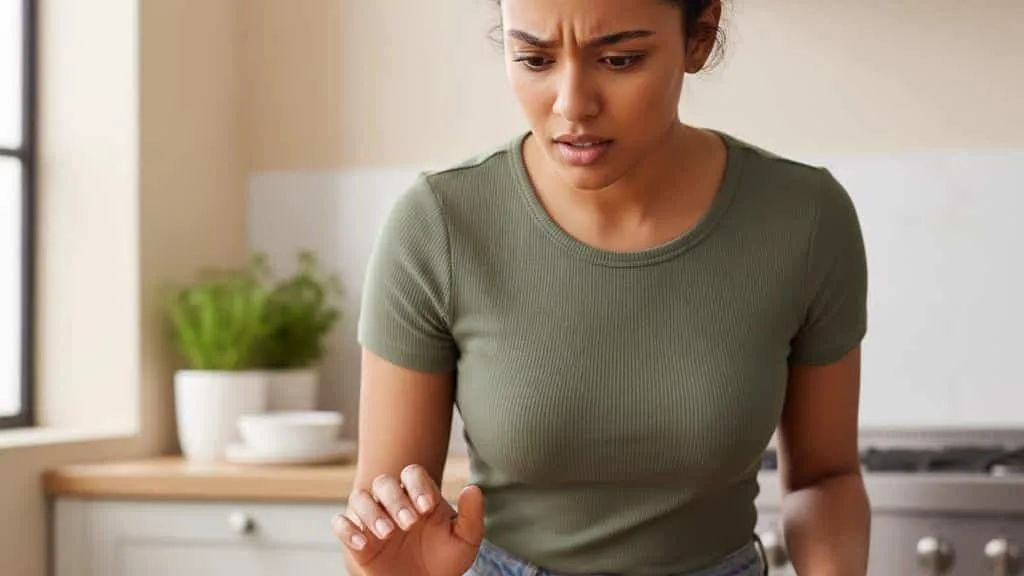
Be honest, you've grabbed a can of aerosol bug spray the second you spotted a trail of ants marching across your kitchen counter, haven't you? That quick blast feels satisfying in the moment, yet it is actually one of the biggest household mistakes we doctors see. Not only do indoor chemical sprays leave irritating residues near your food and trigger asthma or airway inflammation, they also cause certain ant colonies to panic and split into multiple new nests behind your walls. Pretty surprising, right? When ants invade your living space, protecting your family's health means outsmarting the colony rather than filling your air with harsh fumes. Let's walk through what truly kills indoor ants safely, why they show up in the first place, and how to handle bites or accidental exposures without putting anyone at risk.
📌 Key Takeaways at a Glance
- Skip aerosol sprays indoors: Surface sprays only kill visible scout ants while exposing your lungs to chemical irritants and causing colonies like pharaoh ants to split into new nests.
- Target the hidden queen with baits: Slow-acting bait stations containing boric acid or fipronil allow worker ants to carry the formula back to wipe out the entire underground colony.
- Erase chemical trails first: Wiping ant lines with warm, soapy water destroys the invisible pheromone scent signals guiding other workers into your kitchen.
- Monitor stings for red flags: Most ant bites cause mild localized itching, but sudden throat tightness, dizziness, or widespread hives require immediate emergency care.
How Do You Get Rid of Ants in the House Safely and What Actually Kills Them?
To get rid of ants in the house permanently, combine strict kitchen sanitation with slow-acting bait stations rather than aerosol sprays. Wiping away scent trails with soapy water, sealing entry cracks, and placing boric acid or fipronil baits lets worker ants carry the active ingredient back to eliminate the entire hidden colony.
Think about it for a second—when you see fifty ants near your toaster, you are looking at less than five percent of the actual population. The real problem lives underground or inside wall voids, where a fertile queen continuously lays thousands of eggs. In preventive health, we doctors recommend a structured approach known as Integrated Pest Management (IPM). Instead of reaching straight for heavy chemical killers, IPM layers smart physical barriers, thorough cleaning, and targeted low-toxicity baits so you solve the infestation at its source.
What do you think happens when you cut off an ant colony's food supply while offering a single, irresistible bait station? Worker ants eagerly feed on the sweet or protein-based bait and share it through mouth-to-mouth feeding—called trophallaxis—across the whole nest. Within several days, the queen and larvae perish, and the trails vanish without contaminating your countertops or indoor air.
Who Are Ants and Are Household Ants Really Bad for Your Health?
Before we declare war on every six-legged visitor in your backyard, it helps to understand what ants actually are. Scientifically, ants belong to the insect order Hymenoptera, making them close evolutionary cousins to bees and wasps. Outdoors, they are ecological powerhouses. When ants tunnel beneath your lawn, they aerate compacted soil so water and oxygen reach plant roots. They also act as nature's cleanup crew by scavenging dead insects, recycling organic waste, serving as vital food for birds, and preying on destructive pests like fleas and termite larvae.
We rarely stop to think about how helpful outdoor ants are, do we? The trouble starts the moment those foraging scouts cross your threshold. Inside a home, ants shift from helpful recyclers to mechanical disease vectors. Because they crawl across garbage cans, pet waste, soil, and drains before walking over your cutting boards, cereal boxes, and fruit bowls, they can transfer harmful bacteria such as Salmonella, Escherichia coli (E. coli), and Staphylococcus onto your food.
Beyond food contamination, certain species deliver painful bites or venomous stings. While common sugar ants are mainly a hygiene nuisance, aggressive species inject venom that triggers intense local inflammation—and in sensitized individuals, life-threatening allergic reactions.
What Are the Most Common Types of Ants That Come Into Our Homes?
Although entomologists have identified more than 12,000 ant species worldwide, only a handful regularly invade homes across the United States, the United Kingdom, Canada, and Australia. Have you ever wondered why a bait that worked wonders for your neighbor failed completely in your kitchen? Different species crave different nutrients—some hunt strictly for sugars, while others prefer proteins and grease.
- Odorous house ants (sugar ants): Tiny dark brown or black ants that release a distinct rotten-coconut smell when crushed. They love sweet spills, honey jars, and damp bathroom baseboards.
- Pavement and black garden ants: Familiar dark ants that nest under driveways, patio stones, and foundations, marching indoors in neat lines during warm weather for crumbs and pet food.
- Carpenter ants: Large black or reddish-black ants that excavate damp, decaying wood inside window frames or roof eaves. They do not eat wood like termites, but they cause serious structural damage.
- Pharaoh ants: Tiny pale-yellow ants notoriously drawn to warm buildings and hospital wards. Spraying them triggers colony "budding," making infestations dramatically worse.
- Imported fire ants and bull ants: Reddish-brown or large aggressive ants found in warmer regions of the southern US and Australia that inflict burning, venomous stings capable of triggering severe allergies.
Why Do Ants Suddenly Come Into Your House?
Just like humans, ants need three non-negotiable resources to survive: food, water, and safe shelter. Look at what happens here—your home offers a climate-controlled buffet protected from predators. Even microscopic toast crumbs beneath the fridge, an unsealed bag of brown sugar, a sticky maple syrup ring, or a bowl of dry cat kibble acts like a neon sign to foraging scout ants.
Moisture is an equally powerful magnet, especially during dry summer months. A slow-dripping kitchen faucet, condensation around cold basement pipes, damp bathroom grout, or water pooling under indoor potted plants gives thirsty colonies everything they need without ever leaving your walls.
Weather extremes and neighborhood disruption also drive sudden indoor invasions. When torrential rain floods underground tunnels, or when severe drought bakes the soil dry, colonies migrate indoors seeking stable humidity. Similarly, if a neighbor digs up their yard for landscaping or nearby construction disturbs buried anthills, displaced colonies immediately scout the nearest foundation cracks—which might just be yours. Makes sense, right?
What Step-by-Step Non-Toxic Steps Should You Try First Before Using Ant Killers?
Remember how we talked about Integrated Pest Management earlier? Before buying a single drop of pesticide, you can eliminate most minor ant intrusions using simple, health-safe physical steps that protect children, pets, and indoor air quality:
- Wash away pheromone trails immediately: When a scout ant finds food, it lays down an invisible chemical scent trail for hundreds of nestmates to follow. Wipe the entire path—not just the ants—with hot soapy water or a 50/50 white vinegar and water solution to erase their GPS map.
- Seal structural entry points: Follow active ant lines back to where they enter your baseboards, window frames, or utility pipes, then seal those tiny gaps with silicone caulk.
- Lock down pantry staples: Transfer sugar, flour, oats, biscuits, and pet food into airtight glass or heavy-duty plastic containers with rubber gaskets.
- Eliminate standing water: Repair leaky taps, insulate sweating pipes, wipe bathroom sinks dry before bed, and empty pet water bowls overnight if ants are swarming them.
- Sanitize surfaces and trash bins daily: Wipe counters after every meal, sweep crumbs promptly, and rinse recycling cans before tossing them into a tightly lidded bin.
How Should You Use Ant Baits and Pesticides Safely Without Harming Your Family?
If strict sanitation and sealing cracks do not stop a deeply established nest after a week or two, targeted low-toxicity treatments are your smartest next move. Enclosed plastic ant bait stations are vastly safer and more effective than open powders or aerosol sprays. Look for baits formulated with slow-acting active ingredients like boric acid, fipronil, or hydramethylnon. Place them directly along active ant trails—but tucked safely behind appliances or inside cabinets where toddlers and pets cannot reach—and resist the urge to squish the ants visiting the bait.
Another natural mechanical option is food-grade diatomaceous earth, a fine powder made from fossilized aquatic algae. When dusted lightly into wall crevices, its microscopic sharp edges absorb the waxy outer coating of ants, causing them to dehydrate naturally without synthetic neurotoxins. Avoid pool-grade diatomaceous earth, however, as crystalline silica dust can damage lung tissue if inhaled.
See? That's exactly why we doctors warn against indoor aerosol foggers and broad-spectrum sprays. Pyrethroid and organophosphate sprays hang in the air, irritate sensitive airways, and carry real risks of accidental ingestion or skin absorption if sprayed near dishes or children's toys.
How Can You Tell a Normal Ant Bite From a Dangerous Allergic Reaction?
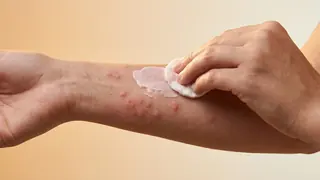
Most household ants simply pinch the skin with their mandibles, causing mild, fleeting redness. However, stinging species—such as red imported fire ants in North America or jumper and bull ants in Australia—anchor themselves with their jaws and inject alkaloid or protein venom multiple times in a circular cluster. Understanding how your body responds helps you decide whether simple home care is enough or whether you need urgent medical evaluation.
| Reaction Type & Symptoms | Clinical Explanation & Action Plan |
|---|---|
| Normal Local Reaction Mild stinging pain, a small red bump, and localized itching lasting 24 to 48 hours. | Your immune system releases localized histamine in response to minor saliva or venom irritation without spreading beyond the immediate skin site. What you should do: Wash the area gently with soap and cool water, apply a wrapped ice pack for 10 to 15 minutes, and use over-the-counter 1% hydrocortisone cream or a non-drowsy oral antihistamine for itching. |
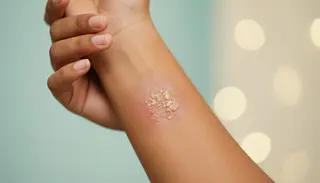
| Sterile Pustule (Fire Ant Sting) A cloudy, white fluid-filled blister appearing within 24 hours that feels intensely itchy. | Fire ant venom contains piperidine alkaloids that destroy local skin cells, creating a sterile, non-infectious blister that looks like a pimple. What you should do: Leave the blister completely intact—popping or scratching it introduces bacteria from your fingernails. Keep it clean, cover lightly with a bandage if clothing rubs against it, and let it heal over 7 to 10 days. |
| Secondary Bacterial Infection (Cellulitis) Spreading redness, warmth, throbbing pain, pus, or red streaks worsening after 48 hours. | Scratching an itchy bite breaks the skin barrier, allowing bacteria like Staphylococcus or Streptococcus to infect deeper skin layers. What you should do: Draw a pen line around the border of the redness to track spread and visit your Primary Care Physician (PCP), family GP clinic, or local Urgent Care center promptly for prescription antibiotic evaluation. |
| Severe Allergic Reaction (Anaphylaxis) Difficulty breathing, wheezing, lip or throat swelling, dizziness, or full-body hives within minutes. | A rapid, life-threatening immunoglobulin E (IgE) immune overreaction causes blood vessels to dilate dangerously and airways to constrict. What you should do: Inject an epinephrine auto-injector immediately if prescribed, lay the person flat with legs elevated (unless struggling to breathe), and call 911 (or 999 in the UK / 000 in Australia) for immediate hospital transport. |
What Should You Do If You Develop a Severe Allergic Reaction or Accidentally Ingest Ant Bait?
Do you recall what we mentioned earlier about how rapidly systemic insect allergies can escalate? Even if you have been stung by ants before with only minor itching, your immune system can become sensitized and react severely on a future sting. If you experience trouble swallowing, a hoarse voice, chest tightness, lightheadedness, or hives spreading far from the sting site, treat it as a medical emergency. After emergency stabilization at the nearest Emergency Room (ER / A&E), follow up with your family doctor for a referral to an allergist for venom immunotherapy testing and an epinephrine prescription.
What if a curious toddler or pet gets into an ant bait station, or someone accidentally swallows ants crawling inside a drink? Swallowing a stray ant in your tea or cereal is harmless—stomach acid destroys the insect immediately, unless you have a known severe ant venom allergy and get stung inside your mouth or throat. On the other hand, if someone ingests liquid ant killer, granules, or concentrated pesticide spray, do not induce vomiting unless instructed by a specialist. Call your local Poison Control center immediately—1-800-222-1222 in the US, 111 in the UK, 13 11 26 in Australia, or your regional Canadian poison center—or head straight to Urgent Care or the ER with the product container in hand.
✔️ What You Should Do & ❌ What to Avoid
- ✔️ Do place enclosed bait stations along active trails so worker ants carry the slow-acting formula back to eliminate the hidden queen.
- ✔️ Do clean kitchen surfaces with hot soapy water to strip away invisible pheromone scent trails after every food spill.
- ✔️ Do wash ant stings promptly with soap and water and apply a cold compress to calm histamine swelling safely.
- ❌ Don't spray aerosol bug killers indoors near food or children—inhaled chemical droplets irritate airways and scatter colonies into new walls.
- ❌ Don't pop or scratch white fire ant blisters, as breaking the skin barrier invites painful secondary bacterial skin infections.
- ❌ Don't leave pet food bowls or damp sponges out overnight, as constant moisture and protein crumbs keep indoor nests thriving.
🚨 When to Seek Immediate Emergency Care (Red-Flag Symptoms)
If you or someone near you develops any of these red-flag symptoms, do not wait — call 911 (or 999 in the UK / 000 in Australia) immediately or go straight to the nearest hospital Emergency Room (ER / A&E):
- Shortness of breath, wheezing, persistent coughing, or a tight, closing sensation in your chest or throat.
- Rapid swelling of your lips, tongue, eyelids, face, or neck after an ant sting or accidental oral sting.
- Dizziness, sudden drop in blood pressure, confusion, pale clammy skin, or fainting.
- Widespread hives, flushing, or severe itching spreading rapidly across your chest, back, or limbs.
- Suspected swallowing or heavy inhalation of household ant pesticides, granules, or concentrated sprays, especially in a young child.
💡 Key Take-Home Message
- Starve and seal first: Tightly sealed food containers, dry sinks, and caulked foundation cracks remove the exact resources ants need to survive indoors.
- Outsmart the colony with baits: Enclosed boric acid or fipronil baits eliminate the entire nest cleanly without polluting your home's air.
- Keep chemicals child- and pet-safe: Always tuck ant baits out of reach of children and pets, and keep original packaging handy in case of accidental exposure.
- Respect venom allergies: Treat simple stings with soap, ice, and antihistamines, but never delay emergency care if breathing or facial swelling develops.



No comments yet. Be the first to share your question or experience below.