
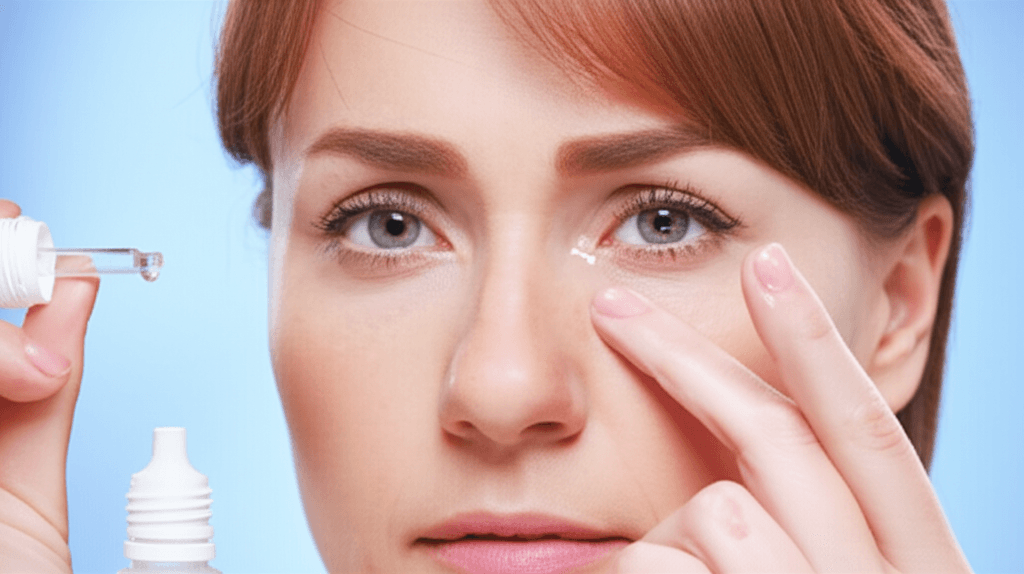
Do your eyes feel tired, scratchy, and dry at the end of a long day? Spending hours staring at a computer screen, sitting in an air-conditioned room, or walking in dusty wind can leave your eyes feeling raw and irritated.
When this happens, many people reach for artificial tears to soothe the discomfort. These simple eye drops can make a big difference in how your eyes feel.
Let us walk through everything you need to know about using artificial tears safely and effectively. We will cover how they work, how to apply them, and what to watch out for.
Key Takeaways About Artificial Tears
- Artificial tears mimic your natural tears to keep your eyes moist and comfortable.
- Always wash your hands thoroughly before and after putting drops in your eyes.
- Never touch the tip of the bottle to your eye, fingers, or any other surface.
- Throw away standard multi-dose eye drop bottles 30 days after opening them.
- Call your doctor if your eye pain, redness, or blurry vision lasts more than three days.
BMI Calculator
Know your body mass index (BMI) and weight classification
What Are Artificial Tears?
Simply put, artificial tears are liquid drops made to act just like your own natural tears. When your eyes do not make enough moisture, they can feel dry, burning, and itchy.
Artificial tears add a soothing layer of moisture and lubrication to your eyes. They help wash away irritation and calm down the burning feeling.
You can buy these helpful eye drops over-the-counter at most local pharmacies. They come in many different brand names to suit your daily needs.
Whether your eyes sting from dust or strain from reading, these drops offer quick relief. They work best when used exactly as directed by your doctor or the product package.
Things to Tell Your Doctor Before Using This Medicine
Before you start using artificial tears, you should talk to your doctor about your health history. Sharing this information helps keep you safe and ensures the treatment is right for you.
Let your doctor know right away if any of these situations apply to you:
- You have noticed any sudden changes in your vision recently.
- You have an active eye infection, eye disease, or physical eye injury.
- You wear contact lenses to correct your eyesight.
- You have had an allergic reaction to artificial tears, preservatives, or other medicines in the past.
- You are pregnant, planning to become pregnant, or currently breastfeeding.
Giving your doctor a complete health picture is a very smart step. It prevents unexpected allergic reactions and protects your vision.
How to Use Eye Drops Correctly
Learning the proper way to put drops in your eyes makes the process quick and easy. Follow these simple steps every time you use your eye drops:
1. Wash your hands well with soap and water. Always do this before and after handling your eye medicine to keep germs away.
2. Tilt your head back slightly and pull your lower eyelid down. Use your clean index finger to create a small pocket between your eyelid and your eye.
3. Keep the bottle tip away from your eye and fingers. Never let the tip touch your eye, eyelashes, or skin to prevent spreading germs into the liquid.
4. Squeeze one or two drops into the pocket. Follow your doctor's exact instructions on how many drops to use.
5. Close your eyes gently for a few seconds. Do not squeeze your eyes shut. This helps the medicine spread evenly across your entire eye surface.
6. Use your medicine only as directed. Never use more drops than your doctor recommended.
Using Eye Drops for Young Children
While some artificial tears are safe for older children, you must be very careful. If you need to give eye drops to a child under six years old, always talk to a pediatrician first.
Children need expert medical guidance to ensure the medicine is safe and properly dosed. Never guess the dose for a child.
When to Seek Emergency Help
If you accidentally swallow artificial tears or use far too much, do not panic. Call your local emergency services right away (911 in the US/Canada, 999 in the UK) or go straight to the nearest hospital Emergency Department (ER or A&E). Take the medicine bottle with you so medical staff can see what you took.
Important Safety Tips and Special Instructions
What to Do If You Miss a Dose
If you forget to use your eye drops on time, put them in as soon as you remember. However, if it is almost time for your next scheduled dose, skip the missed dose entirely.
Stick to your normal dosing schedule. Never use a double dose to make up for a missed one.
Using Other Eye Drops Together
If you use more than one kind of eye drop, you must wait at least five minutes between them. This waiting period stops the first medicine from washing away the second one.
Using Eye Ointments Together
If your doctor prescribed an eye ointment along with your drops, apply the drops first. Wait about ten minutes before putting the ointment in your eye.
This gap gives the liquid drops enough time to soak into your eye properly.
Special Care for Contact Lens Wearers
If you wear contact lenses, check the product label carefully. Many standard drops with preservatives require you to take your lenses out before putting the drops in.
Wait at least 15 minutes after using your drops before putting your contact lenses back in your eyes.
Possible Side Effects of Artificial Tears
Most people tolerate artificial tears very well without serious problems. However, mild side effects can sometimes happen while your eyes adjust to the medicine.
Review the table below to see which side effects are normal and when you need to contact a doctor.
| Side Effect Type | Description and What You Should Do |
|---|---|
| Allergic Reactions | Rarely, you might get a rash, itching, or swelling of your face, lips, or tongue. Stop using the drops and get medical help right away if this happens. |
| Vision Changes | If blurry vision does not clear up quickly or if you notice other vision changes, stop using the drops and call your doctor. |
| Worsening Symptoms | If your eye pain, redness, or dryness gets worse or lasts more than three days, stop the medicine and see a doctor. |
| Temporary Irritation | You might feel a mild sting or blur for a few seconds right after putting the drops in. This usually goes away fast. Call your doctor if it lingers. |
How to Store Your Eye Drops Properly
Keeping your medicine stored correctly protects its quality and keeps your eyes safe from contaminated liquids.
- Store your eye drops safely out of the reach of children and pets.
- Keep the bottle at room temperature, ideally between 15°C and 30°C (59°F to 86°F).
- Keep the bottle away from extreme heat, direct sunlight, and damp bathroom cabinets.
- Never store your eye drops in the freezer. Freezing ruins the chemical balance of the solution.
- Always throw away expired medicines right away.
- Most important rule: Throw away multi-dose eye drop bottles 30 days after you first open them, even if there is liquid left inside. Germs can grow in opened bottles over time.
💡 Take-Home Message
Artificial tears are safe, helpful eye drops designed to soothe dry, burning, and irritated eyes. They restore moisture and comfort when your eyes feel tired from screens or wind.
Before starting any new eye treatment, always tell your doctor about your health history, allergies, and other medicines. Practice good hygiene by washing your hands and never letting the bottle tip touch your skin.
If your eye discomfort does not improve after three days, or if it gets worse, stop using the drops and schedule an appointment with your eye doctor. Keep your bottles at room temperature and discard opened bottles after 30 days.






No comments yet. Be the first to share your question or experience below.