
Have you ever noticed how old habits from your grandparents' generation suddenly become popular again? Especially on social media platforms like TikTok and Instagram, traditional remedies and foods from the past are constantly making a major comeback in our daily lives. One particular trend that has taken over cooking channels and skincare feeds everywhere lately is beef tallow. Some online creators claim it is the ultimate cooking oil. This others swear by it as a magical, all-natural skin cream. Today, let's take a close look at what beef tallow really is, whether it offers true health benefits, and if you should be careful before trying it yourself.
When you hear about new food and beauty trends online, it is very easy to feel confused about what to believe. Nutrition experts and medical doctors often remind us that just because something is marketed as natural does not automatically mean it is safe or healthy for your body. By understanding the science and history behind beef tallow, you can make smart, informed choices for your kitchen and your skincare routine. Let's break down everything you need to know in plain, simple English.
Key Takeaways
- Beef tallow is rendered cow fat that solidifies at room temperature into a creamy, solid white texture.
- It features a very high smoke point, making it popular for high-heat frying, searing, and traditional cooking.
- Tallow is very high in saturated fats, which requires careful moderation to protect your heart health.
- While some people use it as a skin moisturizer, it can trap oils and clog pores for acne-prone skin.
- Always talk to your doctor before making major changes to your diet or skincare routine.
TDEE Calculator
Calculate the number of calories needed per day to lose, gain or maintain weight
What Is Beef Tallow?
Beef tallow is simply rendered cow fat. To make it, food preparers take the hard fat gathered around a cow's internal organs—such as the kidneys and loins—and melt it down slowly over low heat. Once the fat melts completely into a clear liquid, all the solid meat bits, connective tissue, and impurities are strained out. When the filtered liquid cools down to room temperature, it hardens into a solid cooking fat. This process is very similar to how traditional households render coconut oil in rural villages.
Once fully cooled, beef tallow looks like a solid white or yellowish fat. At first glance, it looks very similar to vegetable shortening or solid butter. People have used this animal fat for hundreds of years across many different cultures around the world. Long before modern vegetable oils and hydrogenated shortenings existed, humans relied heavily on tallow for cooking daily meals, making traditional soap, crafting long-burning candles, and moisturizing dry winter skin.
In recent years, the ancestral health movement has brought animal fats back into the spotlight. Fans of traditional diets argue that processed seed oils are harmful and that traditional fats like tallow are more natural for human digestion. However, medical researchers encourage patients to look beyond internet hype and evaluate the actual biochemical properties of these fats before adding them to their daily routines.
Tallow Versus Lard
Even though both tallow and lard are animal fats, they come from different animals and serve distinct culinary purposes. Knowing the difference between them helps you choose the right fat for your specific recipes.
| Fat Type | Source | Flavor and Best Uses |
|---|---|---|
| Beef Tallow | Cow fat (specifically around organs) | Has a mild meaty flavor. Best suited for high-heat frying, searing, and savory cooking. |
| Lard | Pork fat | Has a neutral flavor. Highly popular for baking flaky pastries, pie crusts, and biscuits. |
Understanding these differences prevents kitchen mistakes. For instance, using beef tallow in a sweet apple pie crust would impart an unwanted savory meat flavor. This lard works wonderfully in baking because of its neutral taste profile.
How Is Beef Tallow Used?
Beef tallow has gained massive popularity because it serves several practical purposes in both the kitchen and the bathroom. Let us examine the most common ways people use it in modern times.
Cooking and Kitchen Uses
One of the biggest advantages of beef tallow in the kitchen is its extremely high smoke point. Smoke point refers to the specific temperature where an oil or fat starts breaking down, smoking, and releasing harmful free radicals. Tallow can reach around 250 degrees Celsius (480 degrees Fahrenheit) before it begins to smoke. This makes it fantastic for deep-frying, searing thick steaks, and roasting vegetables without breaking down into bitter compounds.
Did you know that the famous fast-food chain McDonald's used beef tallow to fry their delicious French fries until the mid-1990s? They later switched to liquid vegetable oils in response to growing public health campaigns. However, many food enthusiasts still praise tallow for giving fried foods an unmatched crispy exterior and rich savory flavor.
In home kitchens, you can use beef tallow for many everyday cooking tasks:
- Greasing baking trays and roasting pans before cooking potatoes or root vegetables.
- Replacing butter or margarine when making savory baked goods and dinner rolls.
- Frying morning eggs, searing meats, and sautéing garden vegetables over high heat.
- Seasoning cast-iron frying pans and skillets to build a natural, long-lasting non-stick coating.
Skincare and Beauty Uses
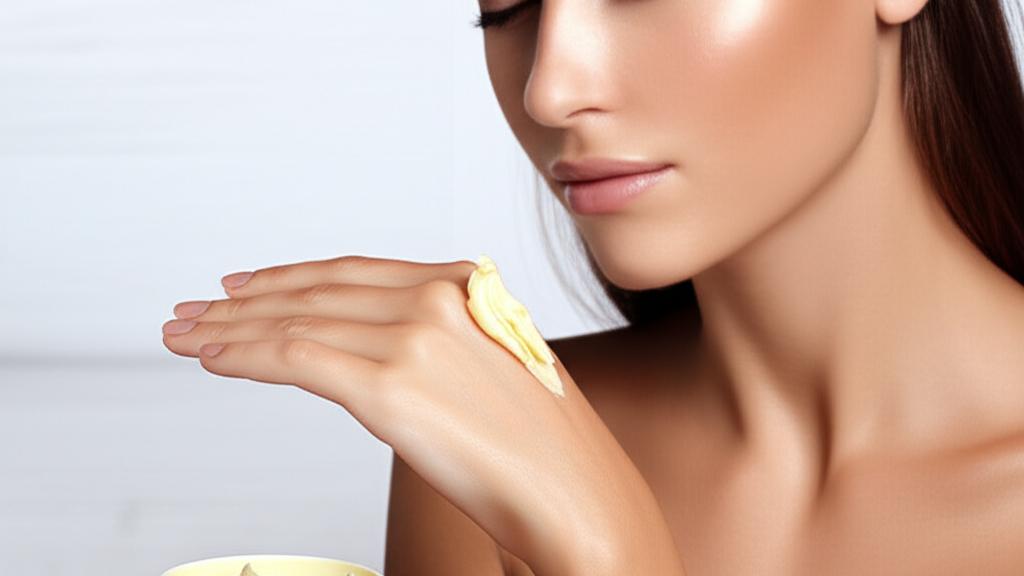
Using animal fat on your face is currently a major social media beauty trend. Wellness influencers claim that beef tallow makes an amazing natural moisturizer because its fatty acid profile resembles the natural oils produced by human skin. Some skincare enthusiasts note that tallow can soften dry winter patches and soothe irritated skin.
However, dermatologists advise caution before slathering heavy animal fat on your face. Tallow acts as an occlusive agent, meaning it forms a thick physical barrier over your skin to trap existing moisture inside. While this keeps water from evaporating into dry air, it does not actually add new hydration to your skin cells. Also, this heavy occlusive layer can trap dirt, sweat, and dead skin cells, leading directly to clogged pores and painful acne breakouts.
If you suffer from chronic skin conditions like eczema or rosacea, applying unrefined animal fats can sometimes trigger allergic contact dermatitis or worsen inflammation. Always perform a patch test on your inner forearm before trying any new DIY skincare remedy.
Is Beef Tallow Actually Good for Your Health?
When evaluating any food or skincare product, you must look closely at its scientific health impacts. Let us separate social media hype from medical facts by examining both dietary and topical effects in detail.
Skin Benefits and Drawbacks
Dermatologists explain that beef tallow is rich in natural fatty acids and small amounts of fat-soluble vitamins. Yet, does that make it a miracle cure for dermatological problems? Most skin doctors say no.
While tallow helps seal in hydration for people with severely cracked or dry skin, it is not ideal for every skin type. If you have oily, combination, or acne-prone skin, using heavy animal fat can trigger severe breakouts and blackheads. Also, unless the tallow has been thoroughly purified and deodorized, it can retain a strong meaty odor that many people find unpleasant on their skin throughout the day.
Medical experts always recommend choosing scientifically tested, hypoallergenic skincare products tailored to your specific skin condition. Just because a skincare ingredient is labeled as natural does not mean it is safe, clean, or effective for every person.
Nutritional Value in Your Diet
When you eat beef tallow as part of your regular diet, you need to be very mindful of its fat composition. Tallow is extremely high in saturated fats, often making up around 50 percent of its total fat content. Compared to liquid plant oils like extra virgin olive oil, avocado oil, or canola oil, this saturated fat level is exceptionally high.
Medical science has long linked diets high in saturated fats to increased levels of low-density lipoprotein (LDL) cholesterol—often referred to as bad cholesterol—and higher risks of cardiovascular disease. However, some recent nutritional studies suggest that specific fatty acids found in tallow, such as stearic acid, may behave differently than other saturated fats, having a neutral effect on blood cholesterol levels.
Tallow also contains small amounts of heart-healthy monounsaturated fats, polyunsaturated fats, and trace vitamins like vitamin D and vitamin E. Even so, it is not considered a primary or reliable health food source for these essential vitamins.
Major global health organizations, including the American Heart Association and the World Health Organization, advise limiting dietary saturated fats to protect your long-term heart health. They consistently recommend replacing solid animal fats with unsaturated plant-based oils whenever possible.
Therefore. This using beef tallow sometimes for its unique flavor and high heat tolerance in cooking is acceptable, eating it on a daily basis is not recommended as a healthy dietary choice for most people.
How to Make Beef Tallow at Home and Where to Buy It
If you want to try making your own beef tallow at home, the process is straightforward but requires patience and attention to detail. Follow these simple steps carefully:
- Visit your local butcher shop and ask for fresh, high-quality beef fat trimmings (suet is best).
- Carefully trim away any remaining bits of meat, blood vessels, or connective tissue from the fat.
- Chop the cleaned fat into small, uniform pieces and place them into a heavy-bottomed pot or Dutch oven.
- Heat the pot on very low heat for three to four hours. Never let the fat bubble or boil rapidly.
- Stir the mixture gently every hour until all the solid fat melts completely into a clear liquid.
- Remove the pot from the heat once all impurities separate and settle at the bottom.
- Strain the warm liquid slowly through a clean cotton cheesecloth or a very fine wire mesh strainer.
- Pour the strained liquid into clean, airtight glass jars and let it cool completely on your counter.
When stored properly in a sealed, airtight glass container at room temperature, homemade beef tallow can last for several months without spoiling. If you keep it stored inside your refrigerator, it will easily stay fresh for up to one full year.
If you do not have the time or space to render fat at home, you can find commercially prepared beef tallow in select butcher shops, specialty grocery stores, and online health food marketplaces.
When to Call the Doctor / Emergency Red Flags
If you experience severe allergic reactions, sudden skin rashes, or blistering after applying animal fats to your skin, wash the area right away with mild soap and water and consult a dermatologist. If you experience chest pain, sudden shortness of breath, dizziness, or signs of acute cardiovascular distress after major dietary changes, call 911 (US/Canada) or 999 (UK) right away or visit your nearest Emergency Department right away.
💡 Take-Home Message
Beef tallow is a traditional cooking fat made by melting, filtering, and cooling cow fat. While it remains popular for high-heat cooking and historic crafts, you must evaluate its health impacts carefully before incorporating it into your lifestyle.
Here are the key points to remember from this guide:
- Beef tallow is high in calories and saturated fats, making it less heart-friendly than liquid plant oils.
- It has a very high smoke point, making it excellent for high-temperature frying, roasting, and searing.
- Skincare uses can help lock in existing moisture, but may clog facial pores and cause acne breakouts.
- Always consult your doctor or registered dietitian before making major changes to your diet or health routine, especially if you have existing heart conditions, high cholesterol, or skin sensitivities.






No comments yet. Be the first to share your question or experience below.