
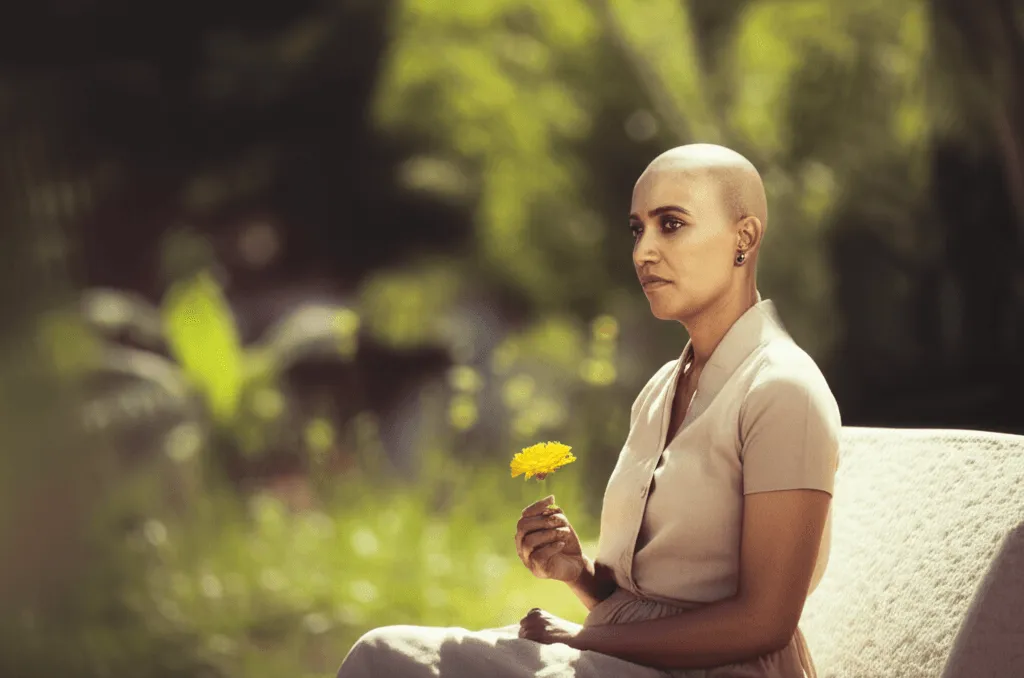
Do you remember the exact day your doctor told you that you have cancer? Or perhaps you remember when someone you love dearly received that frightening diagnosis. The moment those words are spoken, your entire world can feel like it is crashing down around you. Everything you built and trusted in life seems to vanish in a single second. It is truly a difficult and overwhelming experience that shakes your mind and spirit to their very core.
After that difficult news sinks in, a dark and confusing time often begins. Your mind fills with countless questions and worries. Almost all of those difficult questions start with the word why. You might ask yourself why this is happening to your body. You might wonder if you did something wrong in your past to cause this illness. Trying to find answers to these painful questions often makes you feel even more emotionally exhausted. In many cases, clear answers to these heavy questions never arrive, leaving you to find a way forward through the uncertainty.
Key Takeaways for Your Cancer Support Journey
- Receiving a cancer diagnosis brings natural feelings of shock, fear, and confusion that take time to process.
- Well-meaning friends and family often say awkward things because they do not know how to handle your pain.
- Connecting with strangers who share your medical journey provides profound emotional relief and practical guidance.
- Open communication and active listening help your loved ones support you better through every stage of treatment.
- Life after cancer brings a renewed sense of empathy, purpose, and deep appreciation for everyday moments.
Know your body mass index (BMI) and weight classification
When You Are Strong - Are These Words Really Comforting?
During this difficult time in your life, your friends and family want to comfort your heavy heart. However, the things they say often end up hurting you even more than they realize. You have likely heard people tell you that you are strong. They might say that you were given this heavy burden because you are strong enough to bear it. Other people might tell you not to worry because everything will get better very quickly.
The people who say these things almost never have bad intentions in their hearts. They genuinely want to make you feel better and bring light into your day. Even so, people who have never fought cancer do not truly understand your physical pain and fear. Because they lack that understanding, their words fail to bring any real peace to your mind. Instead of feeling comforted, you often end up feeling even more isolated and alone in your struggle.
As your medical treatments begin, your body goes through intense physical changes. This is especially true after harsh treatments like chemotherapy. One of the most difficult physical challenges many people face is hair loss. When your physical appearance changes rapidly, people who know you well may act awkward around you. You might start to feel like your friends and neighbors are actively avoiding you.
Have you ever noticed that people you know well seem awkward when talking to you as your appearance changes? Have you ever felt the painful sensation that friends are trying to avoid you?
Most of the time, people do not avoid you because they mean to be cruel or unkind. They simply do not know what words to say to you. They worry about saying the wrong thing or making your emotional pain worse. Because they feel so helpless, they choose to stay away or avoid looking you in the eye. When all these difficult feelings pile up together, you may feel entirely alone in the world.
What to Say and What Not to Say When Talking to Someone with Cancer
If a close friend or family member receives a cancer diagnosis, offering steady support is vital for their healing. However, knowing how to express that support correctly is just as important. Many people struggle to find the right words when talking to someone undergoing serious medical treatment. To help guide your conversations, look at the comparison table below.
| Things That Hurt and Should Be Avoided | Helpful Things That Bring Comfort |
|---|---|
| "I know exactly how you feel." (You truly do not know their personal pain.) | "If you want to talk about what you are going through, I am here to listen." |
| "Just stay positive. Everything will turn out fine very soon." | "How are you feeling today? Is there any practical way I can help you?" |
| "My neighbor had this exact same disease and recovered completely." (Every medical journey is unique.) | "I am so inspired by the courage you show every single day." |
| "It is only hair, it will grow back soon enough." | "No matter what changes happen to your body, you remain just as precious to me." |
Simply Put, Try to Understand Rather Than Pity Them
If you cannot find the right words to say, do not panic or stay away. Sometimes, simply holding your loved one by the hand speaks louder than words. You can sit quietly and tell them that you are staying right by their side. If they want to talk about their fears, listen with an open and patient heart. Respect their heavy emotions without trying to fix or dismiss them. Offering this genuine presence is what true cancer support is all about.
The Power of Unexpected Support
While you navigate feelings of loneliness and physical pain, unexpected help often arrives from surprising places. You might be running a routine errand at a local shop or riding public transportation. During these normal daily routines, you may cross paths with someone who shares your exact medical experience. They might have walked this difficult road themselves or are currently fighting their own battle.
When a stranger notices the soft cap you wear to cover your head during treatment, everything changes. They might walk right up to you with a warm smile and share their story. They may tell you that they walked this exact path and survived to tell the tale. Hearing their personal story gives you an immediate sense of connection and deep comfort.
Even a brief conversation with a stranger can lift a massive weight off your shoulders. You suddenly realize that you are not walking this terrifying road alone. You understand that other human beings share your exact pain, fear, and daily struggles. This emotional support provides profound comfort that money cannot buy. It acts like a bright beam of light cutting through a dark and stormy night.
Why Sharing These Experiences Matters
Connecting with peers who understand your medical condition offers several distinct benefits for your mental health:
- Your loneliness fades away: You realize right away that you are not the only person in the world facing this illness.
- Your emotions find a safe home: You can talk openly about your deep fear, sadness, and anger without fear of judgment.
- You gain practical advice: You learn useful tips from real-world experience on how to manage treatment side effects and daily discomfort.
- Hope begins to grow: Seeing people who successfully finished treatment and returned to normal life fills your heart with fresh hope.
If you feel you need this kind of peer connection, speak with your doctor right away. Your doctor can guide you toward local or online cancer support groups where you can share openly.
Life After Cancer: A Precious Gift
Facing cancer is an extremely painful and frightening experience for anyone to endure. However, for those who successfully complete treatment and achieve remission, life changes forever. You begin to look at the world around you through an entirely different lens. It feels almost like receiving a brand-new gift of life that you must cherish.
You start viewing other human beings with much greater kindness, patience, and deep understanding. You feel the physical and emotional pain of others much more deeply than before. Most importantly, you now possess the exact knowledge and empathy needed to help others. If you see someone struggling in a supermarket or on the street, you know what to say.
You can walk right up to them, share your personal survival story, and offer them strength. Providing that unexpected moment of support can mean the world to someone who is currently suffering. Your past pain becomes a powerful tool to bring light into someone else's darkest hour.
💡 Take-Home Message
- Having fear, sadness, anger, and loneliness after a cancer diagnosis is entirely normal and valid.
- Do not blame yourself or feel isolated if your physical appearance changes or if people around you act awkwardly.
- Connecting with others who share your medical journey provides immense emotional strength and restores your hope.
- When supporting a loved one with cancer, active listening and deep understanding matter far more than giving advice.
- This journey is undeniably hard, but you are never truly alone. Always reach out to your doctor and support networks for help.
When to Seek Emergency Medical Attention
During cancer treatment, your immune system may weaken greatly. If you experience severe warning signs such as a fever of 100.4°F (38°C) or higher, sudden shortness of breath, severe chest pain, uncontrolled bleeding, or sudden confusion, do not wait. Call 911 (US/Canada), 999 (UK), or go to your nearest Emergency Department (ER / A&E) right away.




No comments yet. Be the first to share your question or experience below.