

Starting cancer treatment with chemotherapy can bring many new questions and changes to your daily life. It is completely normal to wonder what side effects might happen and how you can manage them safely. This guide is here to walk you through what to expect, how your body reacts, and practical ways to feel your best during treatment.
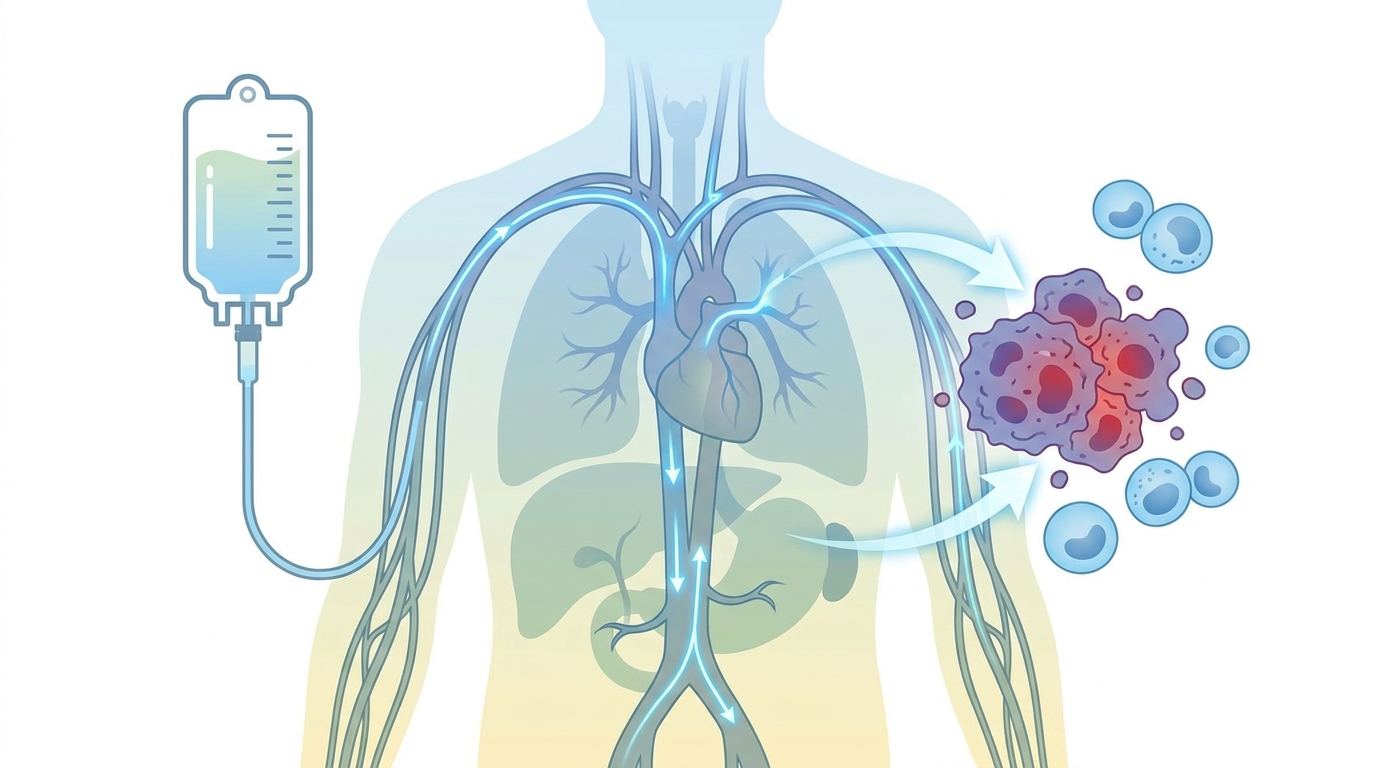
Chemotherapy uses powerful medicines designed to destroy fast-growing cancer cells in your body. Because these medicines stop cancer cells from growing and dividing, they serve as a vital tool in fighting the disease. Understanding how these treatments work helps you prepare for the journey ahead with confidence and peace of mind.
- Chemotherapy targets fast-growing cells, which can also affect healthy cells and cause side effects.
- Common side effects include fatigue, hair loss, nausea, and changes in appetite or skin.
- Every person experiences treatment differently, and symptoms often change over time.
- Open communication with your doctor helps you find effective ways to manage symptoms.
- Most side effects improve gradually after your treatment course finishes.
Why Does Chemotherapy Cause Side Effects?
Chemotherapy medicines are very strong, but they cannot always tell the difference between fast-growing cancer cells and fast-growing healthy cells. When these medicines affect healthy cells, side effects occur in your body. Certain types of cells have a higher chance of being affected by treatment.
The parts of your body most likely to experience these effects include your skin cells and hair roots. The cells inside your mouth, digestive system, and reproductive tract can also be impacted. also, the blood-forming cells inside your bone marrow—such as white blood cells, red blood cells, and platelets—often experience temporary changes.
Fortunately, your healthy cells have a remarkable ability to recover and repair themselves over time. Doctors usually give chemotherapy in scheduled rounds or cycles to give your body adequate time to heal between treatments. This planned recovery period makes managing side effects much easier and protects your overall health.
No one can predict exactly which side effects you will experience or how severe they might feel. However, learning about potential symptoms and how to manage them helps you face your treatment with greater confidence and readiness.
Most Common Chemotherapy Side Effects.
The specific side effects you experience depend heavily on which healthy cells are affected by your medicine. Your doctor chooses your specific medicine and dosage based on your unique health needs. Several common side effects often appear during treatment courses.
- Fatigue: This is the most common side effect of chemotherapy. Your body works hard to fight cancer and recover from treatment, leaving you feeling exceptionally tired. Low red blood cell counts, known as anemia, can also contribute to this persistent exhaustion.
- Hair Loss: Hair often starts to thin or fall out within the first few weeks of starting treatment. While this can feel overwhelming, hair typically grows back within two to three months after treatment ends. Your new hair may temporarily have a slightly different color or texture.
- Skin Changes: Treatment can cause your skin to become dry, itchy, or red. Some people develop tender bumps or redness on their palms and soles, known as hand-foot syndrome. Your skin also becomes much more sensitive to sunlight, raising your sunburn risk.
- Nausea and Vomiting: Often called chemotherapy-induced nausea and vomiting, this affects many people undergoing treatment. Keeping your stomach comfortable requires careful attention to your diet and prescribed anti-nausea medicines.
- Changes in Bowel Habits: Chemotherapy can disrupt your digestive system, leading to either constipation or diarrhea. Some people also experience a temporary sensitivity to dairy products during their treatment cycle.
- Loss of Appetite: Your sense of taste can change during treatment, making favorite foods taste different or metallic. These taste changes often reduce your overall desire to eat regular meals.
- Difficulty Eating: Mouth sores and throat irritation can make chewing and swallowing food uncomfortable. These issues require gentle dietary adjustments to protect your mouth lining.
- Bladder and Kidney Problems: Certain medicines can irritate your bladder or make complete urination difficult. You might feel a burning sensation, need to use the restroom often, or experience mild urinary leakage.
- A Weakened Immune System: Chemotherapy lowers your white blood cell count, making it harder for your body to fight off infections. A specific drop in infection-fighting cells, called neutropenia, requires careful infection prevention steps.
- Bruising and Bleeding: Low platelet counts, or thrombocytopenia, reduce your blood's ability to clot properly. You may notice easy bruising or small red spots on your skin from minor bumps.
- Peripheral Neuropathy: Nerve damage in your hands and feet can cause numbness, tingling sensations, or sharp pain. This condition can also affect your fine motor skills and muscle coordination.
- Trouble Thinking and Remembering: Often referred to as chemo brain, this temporary mental fog affects your concentration and short-term memory. Organizing daily tasks with written notes helps manage these cognitive shifts.
- Sex and Fertility Issues: Chemotherapy can lower key hormone levels, affecting your libido and fertility. These changes may trigger early menopause in some women and require careful family planning discussions before treatment begins.
How to Manage Chemotherapy Side Effects.
Your healthcare team can provide expert guidance on managing any symptoms you experience. Alongside professional medical care, several practical daily strategies help you stay comfortable throughout your recovery.
Managing Fatigue.
Coping with exhaustion during and between your treatment cycles becomes easier with targeted daily habits:
- Track Your Energy Levels: Keep a simple daily journal to note when you feel most tired and why. Understanding your personal energy patterns helps you plan daily tasks effectively.
- Plan Daily Activities: Recognize that your energy levels are lower than usual. Set realistic daily priorities and feel comfortable asking family members or friends for help with demanding chores.
- Balance Work and Rest: Take short walks or gentle daily exercises while scheduling frequent rest breaks throughout the day. Short afternoon naps under thirty minutes refresh your body without disrupting your nighttime sleep.
- Prioritize Good Health: Eat nutrient-rich foods, stay physically active within your comfort limits, and practice gentle stress relief techniques. Consult a clinical dietitian or counselor if you need personalized wellness support.
Adapting to Hair Loss.
Preparing for and managing hair changes involves several comforting steps:
- Plan Ahead: Consider exploring wigs, soft caps, or stylish headscarves before treatment starts. Ask your care team about supportive community programs like Look Good Feel Better.
- Treat Your Hair Gently: Switch to gentle hair care routines, avoid harsh styling products, and skip heated styling tools. Wash your hair with lukewarm water and pat it dry softly with a clean towel.
- Protect Your Scalp: Wear soft cotton caps or scarves when going outdoors to shield your sensitive scalp from sun and wind exposure.
Caring for Your Skin.
Protecting your sensitive skin requires a thoughtful daily routine:
- Use Gentle Products: Avoid strong soaps, heavily scented lotions, and powders that irritate delicate skin. Cleanse with mild cleansers and lukewarm water, patting your skin dry instead of rubbing.
- Avoid Extreme Temperatures: Keep heating pads and ice packs away from your skin unless specifically advised by your doctor. Never apply medical tape or strong bandages to vulnerable skin areas.
- Protect Against Sunlight: Apply a broad-spectrum sunscreen with an SPF of 30 or higher every time you go outside. Wear wide-brimmed hats and protective clothing for extra defense.
- Wear Breathable Fabrics: Choose loose-fitting clothing made from natural fibers like soft cotton to let your skin breathe comfortably.
Controlling Nausea and Digestive Changes.
Protecting your digestive comfort involves careful planning around meals and hydration:
- Time Your Meals Wisely: Avoid eating heavy meals right away before or after receiving your chemotherapy treatments. Give your digestive system adequate time to settle.
- Eat Small, Frequent Portions: Eat small meals throughout the day and chew your food slowly. Limit spicy, greasy, or heavy foods that burden your stomach.
- Sip Fluids Between Meals: Drink plenty of water throughout the day, separating your fluids from your meal times. Enjoy cold clear liquids or fruit pops to soothe mild stomach upset.
- Rest Quietly After Eating: Relax in a comfortable position after meals to give your digestive system time to process food smoothly.
- Take Prescribed Medicines: Always take your anti-nausea and digestive support medicines exactly as your doctor prescribes.
Coping with Appetite Changes and Eating Challenges.
Making mealtimes manageable helps ensure your body receives vital nutrition:
- Enhance Food Flavors: Combat metallic taste changes by eating tart citrus fruits or sucking on sugar-free lemon drops. Avoid metal utensils if they alter your food's taste.
- Keep Your Mouth Moist: Sip liquids often or try liquid nutritional drinks to keep your mouth comfortable. Sucking on ice chips or sugar-free hard candies also helps.
- Sooth Mouth Sores: Eat soft, room-temperature foods that do not irritate mouth sores. Avoid citrus fruits, spicy dishes, alcohol, and caffeinated beverages until your mouth heals.
Managing Bladder and Kidney Health.
Supporting your urinary and renal health requires consistent hydration habits:
- Drink Adequate Fluids: eat plenty of water daily while limiting caffeinated or alcoholic beverages that increase bathroom urgency.
- Prevent Urinary Infections: Practice good personal hygiene, wear breathable cotton underwear, and follow your doctor's specific catheter care instructions if applicable.
- Plan Restroom Breaks: Empty your bladder regularly throughout the day, especially before starting physical activities or going to sleep.
Strengthening a Weakened Immune System.
Minimizing infection risks during treatment requires strict hygiene habits:
- Keep Up With Vaccinations: Receive recommended vaccines as advised by your doctor to protect your health.
- Practice Excellent Hygiene: Wash your hands often with soap and water, keep your living space clean, and promptly bandage any minor cuts.
- Oavoid Germ Exposure: Stay away from people who are actively sick until they recover. Wear a protective face mask in crowded public areas if advised.
- Support White Blood Cell Counts: Your doctor may prescribe white blood cell booster injections, such as G-CSF, to help your bone marrow recover faster.
If you develop a fever, chills, or sudden shaking, contact your doctor or seek emergency medical care right away by calling 911 (US/Canada) or 999 (UK) / going to the nearest Emergency Department. Infections during chemotherapy can escalate quickly and require urgent medical evaluation. Also seek immediate care for uncontrolled bleeding lasting over a few minutes, blood in your urine or stool, or severe allergic symptoms.
Minimizing Bruising and Bleeding.
Protecting your low platelet levels requires extra caution during daily routines:
- Prevent Falls: Keep your home walkways clear and well-lit to avoid accidental slips or falls.
- Avoid Cuts: Use a soft-bristled toothbrush to protect your gums and an electric razor instead of manual blades for shaving. Keep your skin well-moisturized to prevent painful cracking.
- Check Safe medicines: Avoid over-the-counter pain relievers like aspirin or ibuprofen, as they increase bleeding risks. Always confirm safe medicines with your doctor.
Relieving Peripheral Neuropathy.
Report any tingling, numbness, or shooting pain in your hands and feet to your care team right away. Your doctor can evaluate your symptoms and adjust your chemotherapy dosage or prescribe specialized medicines to protect your nerves and ease your discomfort.
Managing Cognitive Changes and Chemo Brain.
Supporting your mental clarity and memory during treatment involves practical organization:
- Seek Mental Health Support: Connect with a professional counselor or therapist to process the emotional stress of your cancer journey.
- Get Restful Sleep: Aim for at least eight hours of quality sleep each night to help your mind and body recharge.
- Exercise Your Mind: Engage in light reading, puzzles, or new hobbies that gently stimulate your cognitive functions.
- Stay Organized: Use planners, calendars, and designated storage spots for daily items to reduce mental strain.
Addressing Sex and Fertility Concerns.
Maintaining intimacy and discussing family planning with your partner and care team is vital:
- Seek Professional Guidance: Talk openly with your doctor about physical intimacy challenges. They can recommend safe lubricants or specialist referrals.
- Plan for Family Goals: Discuss your future family aspirations with your doctor before treatment begins. Preservation options such as sperm banking or embryo cryopreservation can protect your future fertility.
| Side Effect Category. | Common Symptoms. | Effective Management Tip. |
|---|---|---|
| Fatigue. | Persistent tiredness, low stamina. | Balance short walks with regular rest breaks. |
| Nausea. | Stomach upset, vomiting. | Eat small, frequent meals and sip cold water. |
| Skin Issues. | Dryness, redness, sun sensitivity. | Use gentle moisturizers and apply daily SPF 30+. |
When Do Chemotherapy Side Effects Begin?
Most people experience side effects like fatigue and nausea within the first few days after receiving chemotherapy. Digestive changes like constipation or diarrhea also tend to appear shortly after treatment sessions. Symptoms often follow a predictable pattern, peaking right after your infusion and gradually improving before your next treatment cycle.
Hair loss and fatigue follow slightly different timelines. Hair thinning usually starts within the first three weeks of treatment. This fatigue often builds cumulatively across multiple treatment cycles. You may feel more tired after your third or fourth session than you did after your first.
However, every treatment schedule is unique. Some side effects may appear only midway through your overall treatment plan. Your overall health and specific medicine regimen ultimately shape your personal experience.
Does Your Body Fully Recover After Chemotherapy?
Most acute side effects fade within a few months after your final treatment session. Many people gradually return to their usual energy levels within six months to a year following successful therapy completion.
Some side effects can persist for many months or even years, becoming long-term considerations. These long-term effects can include chronic cancer-related fatigue, lingering peripheral neuropathy, ongoing brain fog, or reduced bone density leading to osteoporosis risks.
Discuss your person risk of long-term side effects with your oncologist. If symptoms become difficult to manage independently, ask your care team about palliative care services. Palliative care focuses entirely on relieving symptoms and improving your quality of life at any stage of treatment.
What You Should Remember From This Guide.
Navigating chemotherapy side effects requires patience, self-care, and strong communication with your medical team. Keep these core points in mind:
- Chemotherapy destroys cancer cells effectively, but temporary effects on healthy cells cause side effects.
- Common symptoms include fatigue, hair loss, nausea, and appetite changes.
- Every person's experience is unique, and symptoms vary widely between people.
- Most side effects are temporary and improve after your treatment finishes.
- Always communicate any discomfort openly with your doctor so they can provide timely relief.
- You are never alone on this journey. Your healthcare team, family, and friends are here to support you.
Tags: chemotherapy, cancer treatment, side effects, patient health, medical guidance, symptom management
Managing your personal and family health during cancer treatment is a deeply important journey. If you experience signs of inflammation, severe fatigue, or infection symptoms during chemotherapy, taking prompt action is essential. Always consult your medical care team rather than relying on self-care, as professional guidance ensures your safety and comfort every step of the way.


💬 Comments (0)
No comments yet. Be the first to share your thoughts here.
Add Your Comment