
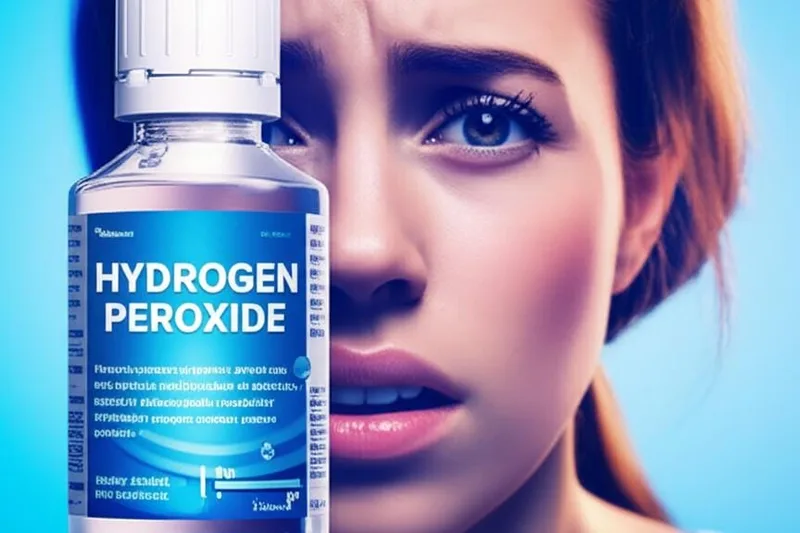
Hydrogen peroxide is a very common thing in most of our homes. We use it all the time for things like cleaning small wounds and rinsing our mouths. But have you ever wondered what would happen if you drank it? We hear that some people are even trying to drink it as a 'natural cure'. Is it really safe? Or what harm can it do? Today, we will talk about this in detail.
What types of hydrogen peroxide do we use?
First, let's understand this. The bottle of hydrogen peroxide we buy at the pharmacy is not 100% hydrogen peroxide. It is only 3% hydrogen peroxide. The remaining 97% is water. This low concentration is why we can use it for things like cleaning wounds .
But these may also be contained in other products.
- Hair Bleach: This can have a higher concentration, from 6% to 10%.
- Toothpaste , mouthwash: These may also contain very small amounts due to their whitening properties.
- Bathroom cleaning liquid: This is also included because it is a powerful disinfectant.
In addition, there are “food grade” or industrial-strength hydrogen peroxides. They have concentrations of 35% or even higher. These are extremely dangerous and are not suitable for household use for any reason.
Benefits and risks of hydrogen peroxide
It's true that hydrogen peroxide has antiseptic properties, which is why it's used for some minor health problems.
- To clean minor scratches and wounds.
- Mix with water and gargle (gargle) for sore throats.
- As a treatment for some skin conditions.
But the most important thing here is that all of this is for external use only . You have to be very careful when using these treatments. If you use the wrong concentration or use too much, you can even damage the skin. Therefore, drinking something just because it is beneficial is never a good thing to do.
What happens if a small amount accidentally goes into the stomach?
Imagine that you accidentally swallow a very small amount of the 3% solution you can buy at the pharmacy, like a mouthwash. It won't do much harm if you swallow a small amount, like a couple of sips. However, you should be very careful to see if there are any changes in your body after that.
Pay special attention to the following symptoms.
| Symptom | Description |
|---|---|
| Stomach ache or pain | Abdominal discomfort or pain. |
| Difficulty breathing | Difficulty breathing or feeling suffocated. |
| Chest pain | Tightness or pain in the chest area. |
| Nature of the burn | A burning sensation in the throat, mouth, or stomach. |
| Filling the stomach | A gassy or bloated feeling in the stomach. |
| Vomiting or nausea | Feeling like vomiting or vomiting. |
If you have any of these symptoms, you should see your doctor immediately without delay. That's the safest thing to do.
The worst side effects of drinking hydrogen peroxide
If someone ingests high concentrations or large amounts of hydrogen peroxide, the dangerous conditions that can occur can be divided into three main categories.
1. Direct Caustic Injury
Simply put, this is a chemical burn. Hydrogen peroxide is a strong oxidizer. This means it can destroy the tissues it comes into contact with. The delicate tissues of the throat, esophagus, and stomach can be burned and ulcerated. This can cause severe pain, vomiting , and even internal bleeding.
2. Oxygen Gas Formation
This is a little complicated, but it's easy to understand. When we drink hydrogen peroxide, it quickly breaks down into water and oxygen gas inside our bodies. If these oxygen gas bubbles get into our blood vessels , we call it a gas embolism . This is very dangerous. These gas bubbles can block blood vessels . Just like a blood clot. If this happens in a blood vessel leading to the brain, heart, or lungs, it can cause a stroke , heart attack, or even death .
3. Lipid Peroxidation
This starts a chain reaction that damages the cells in our body. The walls of our cells are made up of lipids (fats). Hydrogen peroxide damages these lipids and starts a process that destroys the cells. This has been linked to serious diseases such as asthma, Parkinson's disease , and kidney damage in the long term.
What should we do if someone drinks hydrogen peroxide?
This is the most important part. If someone in your home, especially a small child, drinks this by mistake, don't panic and follow these steps.
Most importantly: Do not try to induce vomiting! Doing so without medical advice will only cause the chemical to re-enter the burned tissue and cause further damage.
The immediate action is to call the National Poisons Information Centre at the Colombo National Hospital . Or, without delay, take the person to the Emergency Treatment Unit (ETU) of the nearest hospital.
Providing accurate information to the doctor or emergency services is very important for treatment. If possible, have this information ready.
| Information to be given to the doctor | |
|---|---|
| Patient information | Age and weight. |
| Current symptoms | Things like difficulty breathing, pain, vomiting. |
| Drink product | It's best to carry the bottle with you. The concentration (e.g. 3%, 6%) is important. |
| Time and amount of time it happened | What time did you drink it? How much did you drink? (e.g., a sip, a cupful) |
Once you get to the hospital, doctors will assess your condition and begin any necessary treatment. This may include blood tests, a chest X-ray, an ECG, or an endoscopy to examine your stomach. They may also give you saline solution, give you medication for pain and other symptoms, insert a tube to remove gas from your stomach, or connect you to a ventilator if you have difficulty breathing.
Take-Home Message
- Hydrogen peroxide is a chemical that is only for external use.
- Do not drink hydrogen peroxide for any reason, or on anyone's advice. Especially high concentrations are extremely dangerous.
- If swallowed by mistake, do not induce vomiting and go immediately to the nearest hospital Emergency Department (ETU) or contact the National Poisons Information Centre.
- Always keep chemicals like this safely out of the reach of small children.
Hydrogen peroxide, poisoning, first aid, emergency treatment unit, ETU, National Poison Information Centre


💬 Comments (0)
No comments yet. Be the first to share your thoughts here.
Add Your Comment