
Does the food you eat really affect cholesterol? Let's find out for sure!

Does the food you eat really affect cholesterol? Let's find out for sure!
Many people wonder whether what we eat and drink affects our cholesterol levels. Yes, the foods we eat affect the amount of cholesterol in our blood. Cholesterol is a waxy substance that our bodies need to function. Our liver actually makes the cholesterol we need. So we don't need to get cholesterol from food, which is like adding sand to the ocean. But the most important thing to know is that the food you eat only affects 20% to 30% of the cholesterol in our blood. There are some foods that increase our "bad" cholesterol, or LDL cholesterol, more than the recommended amount. There are also some foods that help lower this LDL cholesterol. So, by knowing what foods to eat and what foods to avoid, you can control your cholesterol levels and reduce your risk of heart disease.

What foods have the most cholesterol?

The cholesterol we get from food is called dietary cholesterol . It is found mostly in animal foods. For example, in meat, cheese, and dairy products. However, research has shown that when it comes to lowering cholesterol levels, it is not dietary cholesterol that we should be most concerned about. Instead, two types of unhealthy fats , saturated fat and trans fat, are the main causes of high levels of bad cholesterol. Unfortunately, many foods that are high in dietary cholesterol can also contain these unhealthy fats.

How to reduce cholesterol through diet?

You can lower your cholesterol by following these steps when preparing your meals:
  • Add more soluble fiber to your diet.
  • Limit your intake of saturated fat .
  • Avoid eating trans fats .
  • Eat balanced meals.

Add soluble fiber to your diet.

There are some foods that can help lower your LDL cholesterol levels. One of the most important of these is soluble fiber . This is a type of fiber that dissolves in water. This soluble fiber binds to our bile (which is made from cholesterol) and is excreted with waste products. Try to get between 10 and 25 grams of fiber per day. Ask your doctor about the right amount for you based on your calorie needs. Here are some foods you can add to your diet that contain soluble fiber:
  • Brown rice.
  • Dried beans like lentils, chickpeas, and green beans.
  • Citrus fruits like apples, blackberries, and oranges.
  • Oats and oat bran.

Should we control saturated fat?

Saturated fat is a type of fat that is solid at room temperature. These are the most common foods:
  • Processed meats: Things like hot dogs, sausages, bacon, pepperoni.
  • Fatty meats: Pork ribs, skinless chicken, and fatty meats.
  • Full-fat dairy products: butter, heavy cream, cream cheese, sour cream.
  • Coconut oil and palm oil.
  • Fried food.
In fact, our bodies need some saturated fat to stay healthy. However, if we don't read the nutrition labels on the foods we eat, it's easy to add too much saturated fat to our bodies. Once you know how much saturated fat is in the foods you eat, it's easier to find ways to reduce it. You may be wondering, "How much is too much?" Only 5% to 6% of your total calories per day should come from saturated fat.
Important: These ranges are just suggestions, not hard-and-fast rules. Constantly obsessing over numbers and eating restrictively can lead to unhealthy eating habits like orthorexia . Nutritionists also warn that if you get hung up on these numbers, you may miss out on some really healthy foods.
For example, olive oil, although it does contain some saturated fat, is worth adding to your diet in moderation (up to four tablespoons per day) due to its health benefits. Similarly, there are foods that contain saturated fat, such as avocados and walnuts, but we should keep them in our diet. The key is to look at where the fat comes from. Since saturated fat comes from healthy foods, it's okay to go a little over the recommended limit. If in doubt, talk to a nutritionist to find out which sources of saturated fat you should eliminate and which you can keep in moderation.

Don't eat trans fat!

Trans fats are made by adding liquid vegetable oil and hydrogen. Fast foods and processed foods are the main sources of trans fats in people's diets. This is because those foods contain partially hydrogenated oils.Trans fats are added during the manufacturing process of these oils. However, in 2018, the US Food and Drug Administration (FDA) banned the use of these partially hydrogenated oils in foods. While that’s good news, it doesn’t mean that fast food and processed foods are harmless. They can still be high in saturated fat. Also, the way they’re cooked (e.g., deep-frying) can still contain trans fats. Your body doesn’t need trans fats. They’re bad for you, and the foods they contain have no health benefits. It’s best to avoid them altogether if possible. To reduce trans fats in your diet, avoid these things:
  • Fast food.
  • Fried food.
  • Bakery products (Commercial baked goods) - such as cookies, donuts, pastries.

Eat balanced meals.

When trying to achieve healthy cholesterol levels through diet, it's important to eat a balanced diet that includes the following:
  • Fruits.
  • Vegetables.
  • Grains - like bran rice, buckwheat, and oats.
  • Protein foods - fish, skinless chicken, lentils, chickpeas.
  • Dairy/dairy alternatives - low-fat milk, yogurt.
  • Fats - Healthy fats (e.g. olive oil, avocado, nuts - in moderation).
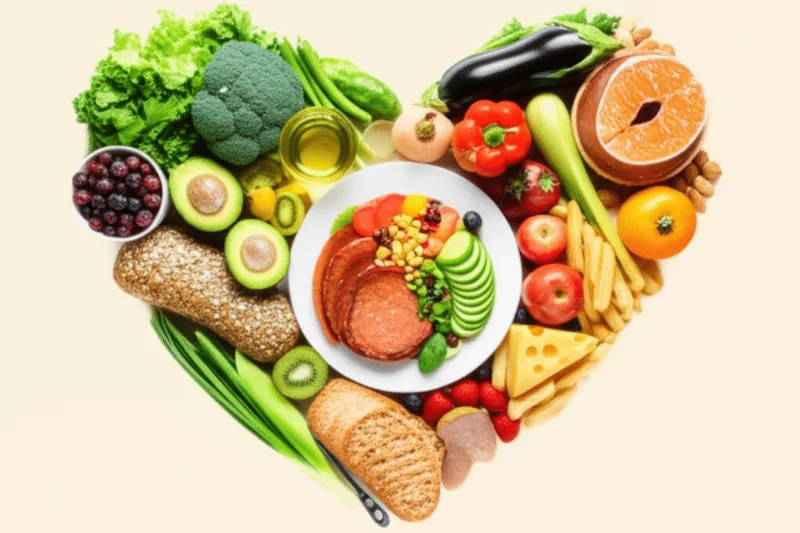
You can get a little idea of ​​what to choose and what to avoid. This knowledge will help you plan a balanced, heart-healthy meal.

Can I eat snacks or desserts?

If you do snack, eat very little, and be careful about what you choose. Choose snacks that are low in saturated fat, sugar, and sodium (salt). Here are some healthy snacks and suggested serving sizes:
  • Nuts like walnuts, almonds, pecans, and pistachios (1/4 cup).
  • Pumpkin seeds or sunflower seeds (1/4 cup).
  • Roasted chickpeas (1/2 cup).
  • A fresh fruit (a small orange or apple) and a few nuts.
  • Unsweetened peanut butter or almond butter.
  • Popcorn (3 cups, popped) and a piece of cheese.
  • Raw vegetables (1 cup)
  • Whole grain cereal with Greek yogurt (1/2 cup).
  • Cheese with boiled vegetables (1 cup).
Be careful when buying low-fat snacks or desserts from the store. Many of these are low in fat but can be high in sugar. Be careful about the amount of sugar. Talk to your doctor about the right amount of sugar for you. You have diabetes (Diabetes Mellitus)This is especially important if you have diabetes or high blood sugar levels. One way to eat something delicious that is low in sugar and fat is to try healthy dessert recipes at home. There are many recipes that can be made without sugar or with very little sugar, and they still taste good.

Think about these things when cooking!

Cooking at home can help you control your diet. However, not everything you cook at home is healthy or good for your cholesterol. Keep these cooking tips in mind to help you stick to your healthy eating plan. Your doctor or nutritionist can give you more tips like this.
  • Add more fish to your diet. Try to eat at least 8 ounces (about 225 grams) a week. But don't fry it!
  • Avoid using butter, lard, and shortening. Instead, use healthy cooking oils (such as olive oil), but only in small amounts. Try using low-salt vegetable stock instead of oil when sautéing or baking vegetables, fish, and poultry.
  • Bake, broil, or steam your food. Avoid frying.
  • Look for alternatives to butter and oil in recipes.
  • When making soup , double the amount of vegetables . This will increase the fiber content of your soup. To make room for that, reduce the amount of rice or noodles by half.
  • Find herbs and spices that you like and use them to flavor your food instead of butter, salt, or high-fat sauces.
  • Make your own salad dressing. Use olive oil and balsamic vinegar (or a similar combination). Salad dressing is a sneaky way to add saturated fat to your diet.
  • When making soup or gravy , remove the layer of fat on top. After the soup or gravy has cooled, place it in the fridge for a few hours. When you take it out, you will see a thick layer of fat on top, which can be easily removed.
  • Remove the skin from the chicken before cooking. Rub the spices on the meat, not on the skin.

What is the TLC Diet and the Mediterranean Diet?

The TLC diet is part of the Therapeutic Lifestyle Changes (TLC) program . It is a three-part program that aims to lower cholesterol through diet, physical activity, and weight control. The program was developed by the US National Institutes of Health in 1985. Some people still follow it today. However, there is a problem. According to the latest research, this diet is very low in total fat and very high in carbohydrates. So , this will lower your blood sugar levels,Triglyceride levels can also increase, especially if you don't eat healthy carbohydrates. That's why nutritionists now recommend the Mediterranean Diet as a heart-healthy eating plan. This plan can help control your cholesterol levels, as well as support many other aspects of your health. If you follow the Mediterranean Diet:
  • Plan your meals around plant-based foods . This includes fruits, vegetables, whole grains , and beans.
  • Eat fish, lean poultry, seafood , eggs , and dairy products in moderation.
  • Avoid eating red meat, fried foods, desserts, and anything made with bread flour.
The key is to be mindful of the types of fat you eat. The Mediterranean diet reduces the amount of saturated fat and trans fat you eat. This can make a big difference to your LDL cholesterol levels. Instead, it replaces those types of fat with healthy fats that support your overall heart health. Research has shown that this diet can reduce the risk of cardiovascular disease .

What if cholesterol is still high even after changing your diet?

The foods you eat can raise or lower the amount of cholesterol in your blood, especially the bad cholesterol that causes atherosclerosis . This knowledge can be a great help to you. Your choices can make a difference. But sometimes, no matter how hard you try, you may not be able to lower your cholesterol levels to the desired level. There are several reasons for this.

Food choices are not always in your control.

In a perfect world, everyone would have access to nutritious food, time to cook, and community resources to help them reach their goals. The reality is, we have to make choices within the constraints we have. We all have our own barriers and factors that influence the choices we make. So, our individual choices are just a few small pieces of a larger puzzle that our entire community is building together. Don't beat yourself up if you have barriers to making all the ideal choices that support a low-cholesterol diet. Instead, do what you can.

Your genes also play a role.

Scientists believe that genes (heredity) affect your cholesterol levels. So, while dietary changes can help, sometimes they alone won't make enough of a difference to bring your numbers into a healthy range. Some people have very high cholesterol because their bodies can't get rid of enough bad (LDL) cholesterol. This inherited condition is calledIt's called Familial Hypercholesterolemia. So, it's very difficult for people like that to lower their cholesterol levels through diet alone. They may need statins or other medications.

Cholesterol increases with age.

As we age, our cholesterol levels rise. So, the impact of dietary changes at age 30 may not be the same at age 60.

Change takes time.

If you make changes to what you eat, you might expect to see a change in your cholesterol numbers quickly. But your cholesterol numbers show patterns that develop over time.
Imagine a big blackboard covered in writing. If you wipe it once with an eraser, some of the writing will be erased. But to erase all the writing, you will have to keep wiping for a while. Meanwhile, someone else will write over the areas you erased (you are probably still eating some foods that raise your LDL cholesterol, and your body is still making cholesterol!).
Be patient, give your body time to adjust to your new eating plan. In the meantime, incorporate daily exercise into your lifestyle. Also, ask your doctor how long it will take to see changes and whether you will benefit from medications along with your new eating plan.

Take-Home Message

The foods you eat can have a big impact on your health, especially your cholesterol levels. If you're starting to make changes to your diet, be patient with yourself. Don't expect to completely change your eating plan overnight. Make small, simple changes, and gradually add more. You may miss out on some of your favorite foods. But, instead of focusing on the foods you're limiting, focus on the new foods you're trying. Also, involve your family and friends in your new plan. Explain why you're making these changes and how they can help you. It's much easier to stick to a nutrition plan when people around you encourage you to reach your goals. Remember, small changes make big results!

⚠️ Important: The medical articles and information on Nirogi Lanka are for general awareness only, and are by no means a substitute for professional medical advice, diagnosis, or treatment. For any medical problem you have, consult a qualified physician immediately.

💬 Comments (0)

No comments yet. Be the first to share your thoughts here.

Add Your Comment

Please calculate: 9 + 1 =
Does the food you eat really affect cholesterol? Let's find out for sure!

Does the food you eat really affect cholesterol? Let's find out for sure!

Many people wonder whether what we eat and drink affects our cholesterol levels. Yes, the foods we eat affect the amount of cholesterol in our blood. Cholesterol is a waxy substance that our bodies need to function. Our liver actually makes the cholesterol we need. So we don't need to get cholesterol from food, which is like adding sand to the ocean. But the most important thing to know is that the food you eat only affects 20% to 30% of the cholesterol in our blood. There are some foods that increase our "bad" cholesterol, or LDL cholesterol, more than the recommended amount. There are also some foods that help lower this LDL cholesterol. So, by knowing what foods to eat and what foods to avoid, you can control your cholesterol levels and reduce your risk of heart disease.

What foods have the most cholesterol?

The cholesterol we get from food is called dietary cholesterol . It is found mostly in animal foods. For example, in meat, cheese, and dairy products. However, research has shown that when it comes to lowering cholesterol levels, it is not dietary cholesterol that we should be most concerned about. Instead, two types of unhealthy fats , saturated fat and trans fat, are the main causes of high levels of bad cholesterol. Unfortunately, many foods that are high in dietary cholesterol can also contain these unhealthy fats.

How to reduce cholesterol through diet?

You can lower your cholesterol by following these steps when preparing your meals:
  • Add more soluble fiber to your diet.
  • Limit your intake of saturated fat .
  • Avoid eating trans fats .
  • Eat balanced meals.

Add soluble fiber to your diet.

There are some foods that can help lower your LDL cholesterol levels. One of the most important of these is soluble fiber . This is a type of fiber that dissolves in water. This soluble fiber binds to our bile (which is made from cholesterol) and is excreted with waste products. Try to get between 10 and 25 grams of fiber per day. Ask your doctor about the right amount for you based on your calorie needs. Here are some foods you can add to your diet that contain soluble fiber:
  • Brown rice.
  • Dried beans like lentils, chickpeas, and green beans.
  • Citrus fruits like apples, blackberries, and oranges.
  • Oats and oat bran.

Should we control saturated fat?

Saturated fat is a type of fat that is solid at room temperature. These are the most common foods:
  • Processed meats: Things like hot dogs, sausages, bacon, pepperoni.
  • Fatty meats: Pork ribs, skinless chicken, and fatty meats.
  • Full-fat dairy products: butter, heavy cream, cream cheese, sour cream.
  • Coconut oil and palm oil.
  • Fried food.
In fact, our bodies need some saturated fat to stay healthy. However, if we don't read the nutrition labels on the foods we eat, it's easy to add too much saturated fat to our bodies. Once you know how much saturated fat is in the foods you eat, it's easier to find ways to reduce it. You may be wondering, "How much is too much?" Only 5% to 6% of your total calories per day should come from saturated fat.
Important: These ranges are just suggestions, not hard-and-fast rules. Constantly obsessing over numbers and eating restrictively can lead to unhealthy eating habits like orthorexia . Nutritionists also warn that if you get hung up on these numbers, you may miss out on some really healthy foods.
For example, olive oil, although it does contain some saturated fat, is worth adding to your diet in moderation (up to four tablespoons per day) due to its health benefits. Similarly, there are foods that contain saturated fat, such as avocados and walnuts, but we should keep them in our diet. The key is to look at where the fat comes from. Since saturated fat comes from healthy foods, it's okay to go a little over the recommended limit. If in doubt, talk to a nutritionist to find out which sources of saturated fat you should eliminate and which you can keep in moderation.

Don't eat trans fat!

Trans fats are made by adding liquid vegetable oil and hydrogen. Fast foods and processed foods are the main sources of trans fats in people's diets. This is because those foods contain partially hydrogenated oils.Trans fats are added during the manufacturing process of these oils. However, in 2018, the US Food and Drug Administration (FDA) banned the use of these partially hydrogenated oils in foods. While that’s good news, it doesn’t mean that fast food and processed foods are harmless. They can still be high in saturated fat. Also, the way they’re cooked (e.g., deep-frying) can still contain trans fats. Your body doesn’t need trans fats. They’re bad for you, and the foods they contain have no health benefits. It’s best to avoid them altogether if possible. To reduce trans fats in your diet, avoid these things:
  • Fast food.
  • Fried food.
  • Bakery products (Commercial baked goods) - such as cookies, donuts, pastries.

Eat balanced meals.

When trying to achieve healthy cholesterol levels through diet, it's important to eat a balanced diet that includes the following:
  • Fruits.
  • Vegetables.
  • Grains - like bran rice, buckwheat, and oats.
  • Protein foods - fish, skinless chicken, lentils, chickpeas.
  • Dairy/dairy alternatives - low-fat milk, yogurt.
  • Fats - Healthy fats (e.g. olive oil, avocado, nuts - in moderation).
You can get a little idea of ​​what to choose and what to avoid. This knowledge will help you plan a balanced, heart-healthy meal.

Can I eat snacks or desserts?

If you do snack, eat very little, and be careful about what you choose. Choose snacks that are low in saturated fat, sugar, and sodium (salt). Here are some healthy snacks and suggested serving sizes:
  • Nuts like walnuts, almonds, pecans, and pistachios (1/4 cup).
  • Pumpkin seeds or sunflower seeds (1/4 cup).
  • Roasted chickpeas (1/2 cup).
  • A fresh fruit (a small orange or apple) and a few nuts.
  • Unsweetened peanut butter or almond butter.
  • Popcorn (3 cups, popped) and a piece of cheese.
  • Raw vegetables (1 cup)
  • Whole grain cereal with Greek yogurt (1/2 cup).
  • Cheese with boiled vegetables (1 cup).
Be careful when buying low-fat snacks or desserts from the store. Many of these are low in fat but can be high in sugar. Be careful about the amount of sugar. Talk to your doctor about the right amount of sugar for you. You have diabetes (Diabetes Mellitus)This is especially important if you have diabetes or high blood sugar levels. One way to eat something delicious that is low in sugar and fat is to try healthy dessert recipes at home. There are many recipes that can be made without sugar or with very little sugar, and they still taste good.

Think about these things when cooking!

Cooking at home can help you control your diet. However, not everything you cook at home is healthy or good for your cholesterol. Keep these cooking tips in mind to help you stick to your healthy eating plan. Your doctor or nutritionist can give you more tips like this.
  • Add more fish to your diet. Try to eat at least 8 ounces (about 225 grams) a week. But don't fry it!
  • Avoid using butter, lard, and shortening. Instead, use healthy cooking oils (such as olive oil), but only in small amounts. Try using low-salt vegetable stock instead of oil when sautéing or baking vegetables, fish, and poultry.
  • Bake, broil, or steam your food. Avoid frying.
  • Look for alternatives to butter and oil in recipes.
  • When making soup , double the amount of vegetables . This will increase the fiber content of your soup. To make room for that, reduce the amount of rice or noodles by half.
  • Find herbs and spices that you like and use them to flavor your food instead of butter, salt, or high-fat sauces.
  • Make your own salad dressing. Use olive oil and balsamic vinegar (or a similar combination). Salad dressing is a sneaky way to add saturated fat to your diet.
  • When making soup or gravy , remove the layer of fat on top. After the soup or gravy has cooled, place it in the fridge for a few hours. When you take it out, you will see a thick layer of fat on top, which can be easily removed.
  • Remove the skin from the chicken before cooking. Rub the spices on the meat, not on the skin.

What is the TLC Diet and the Mediterranean Diet?

The TLC diet is part of the Therapeutic Lifestyle Changes (TLC) program . It is a three-part program that aims to lower cholesterol through diet, physical activity, and weight control. The program was developed by the US National Institutes of Health in 1985. Some people still follow it today. However, there is a problem. According to the latest research, this diet is very low in total fat and very high in carbohydrates. So , this will lower your blood sugar levels,Triglyceride levels can also increase, especially if you don't eat healthy carbohydrates. That's why nutritionists now recommend the Mediterranean Diet as a heart-healthy eating plan. This plan can help control your cholesterol levels, as well as support many other aspects of your health. If you follow the Mediterranean Diet:
  • Plan your meals around plant-based foods . This includes fruits, vegetables, whole grains , and beans.
  • Eat fish, lean poultry, seafood , eggs , and dairy products in moderation.
  • Avoid eating red meat, fried foods, desserts, and anything made with bread flour.
The key is to be mindful of the types of fat you eat. The Mediterranean diet reduces the amount of saturated fat and trans fat you eat. This can make a big difference to your LDL cholesterol levels. Instead, it replaces those types of fat with healthy fats that support your overall heart health. Research has shown that this diet can reduce the risk of cardiovascular disease .

What if cholesterol is still high even after changing your diet?

The foods you eat can raise or lower the amount of cholesterol in your blood, especially the bad cholesterol that causes atherosclerosis . This knowledge can be a great help to you. Your choices can make a difference. But sometimes, no matter how hard you try, you may not be able to lower your cholesterol levels to the desired level. There are several reasons for this.

Food choices are not always in your control.

In a perfect world, everyone would have access to nutritious food, time to cook, and community resources to help them reach their goals. The reality is, we have to make choices within the constraints we have. We all have our own barriers and factors that influence the choices we make. So, our individual choices are just a few small pieces of a larger puzzle that our entire community is building together. Don't beat yourself up if you have barriers to making all the ideal choices that support a low-cholesterol diet. Instead, do what you can.

Your genes also play a role.

Scientists believe that genes (heredity) affect your cholesterol levels. So, while dietary changes can help, sometimes they alone won't make enough of a difference to bring your numbers into a healthy range. Some people have very high cholesterol because their bodies can't get rid of enough bad (LDL) cholesterol. This inherited condition is calledIt's called Familial Hypercholesterolemia. So, it's very difficult for people like that to lower their cholesterol levels through diet alone. They may need statins or other medications.

Cholesterol increases with age.

As we age, our cholesterol levels rise. So, the impact of dietary changes at age 30 may not be the same at age 60.

Change takes time.

If you make changes to what you eat, you might expect to see a change in your cholesterol numbers quickly. But your cholesterol numbers show patterns that develop over time.
Imagine a big blackboard covered in writing. If you wipe it once with an eraser, some of the writing will be erased. But to erase all the writing, you will have to keep wiping for a while. Meanwhile, someone else will write over the areas you erased (you are probably still eating some foods that raise your LDL cholesterol, and your body is still making cholesterol!).
Be patient, give your body time to adjust to your new eating plan. In the meantime, incorporate daily exercise into your lifestyle. Also, ask your doctor how long it will take to see changes and whether you will benefit from medications along with your new eating plan.

Take-Home Message

The foods you eat can have a big impact on your health, especially your cholesterol levels. If you're starting to make changes to your diet, be patient with yourself. Don't expect to completely change your eating plan overnight. Make small, simple changes, and gradually add more. You may miss out on some of your favorite foods. But, instead of focusing on the foods you're limiting, focus on the new foods you're trying. Also, involve your family and friends in your new plan. Explain why you're making these changes and how they can help you. It's much easier to stick to a nutrition plan when people around you encourage you to reach your goals. Remember, small changes make big results!
⚠️ Important: The medical articles and information on Nirogi Lanka are for general awareness only, and are by no means a substitute for professional medical advice, diagnosis, or treatment. For any medical problem you have, consult a qualified physician immediately.

💬 Comments (0)

No comments yet. Be the first to share your thoughts here.

Add Your Comment

Please calculate: 9 + 1 =