
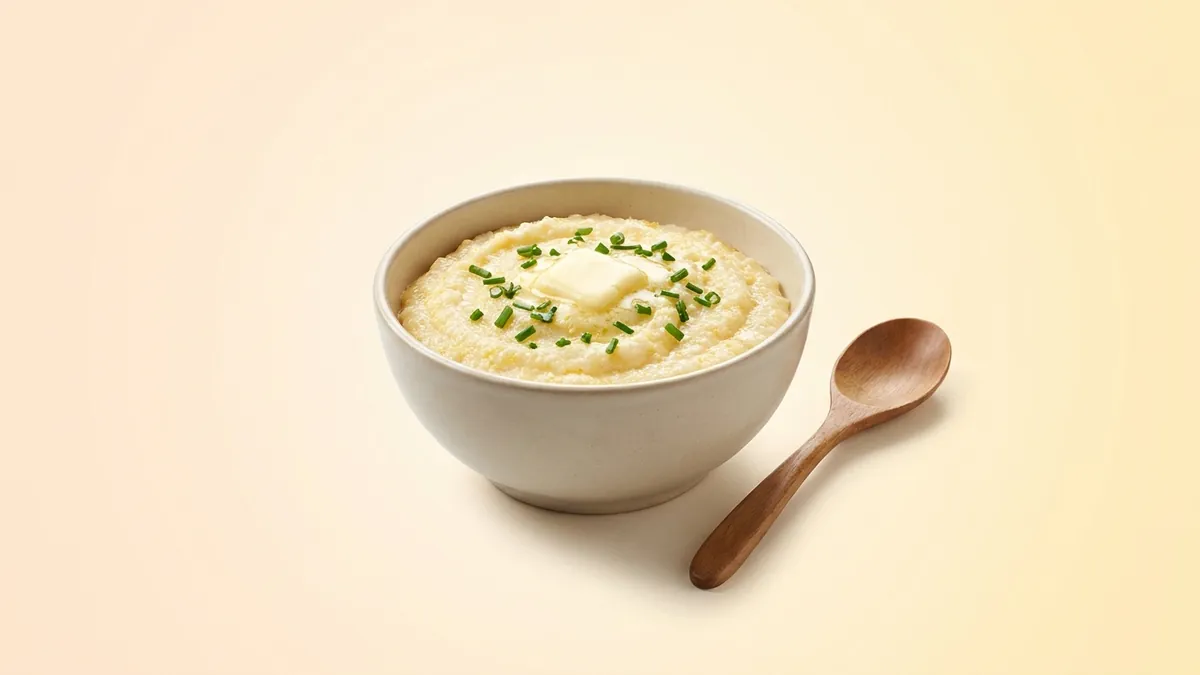
Hello there! Come on in and take a seat. It's so nice to see you in the clinic today. You know, during a routine chat with a patient last week, we were talking about comforting breakfast foods, and the conversation drifted toward corn-based porridges like grits. They looked at me and asked, "Doc, I keep hearing about grits, but are they actually good for my body, or are they just empty carbs?" Sounds familiar, right? Have you ever wondered the same thing while walking down the grocery store cereal aisle? Let's take a closer look together and break down everything you need to know about grits, from their nutrition facts to how to prepare them in a healthy way.
📌 Key Takeaways
- Grits are made from ground corn kernels and offer a comforting, creamy texture that can be enjoyed savory or sweet.
- They are naturally gluten-free, making them a great option for people with celiac disease or gluten sensitivities.
- Whole-grain and stone-ground varieties provide helpful fiber, iron, and antioxidants like lutein and zeaxanthin for eye health.
- Their overall health impact depends heavily on how they are prepared; heavy additions like lots of butter, cheese, or sugar can turn a healthy bowl into a calorie-dense meal.
- Choosing simple cooking methods with low-fat milk, water, or broth keeps your meal heart-healthy and blood-sugar friendly.
Simply put, what are grits?
Grits are a traditional comfort food made from ground corn kernels that are typically simmered with water, milk, or broth until they reach a thick, warm, and creamy consistency.
Just think about it for a second—corn is one of those wonderful grains that has sustained communities for generations. When you eat grits, the primary flavor starts with that earthy, sweet taste of fresh corn. But here is the beauty of it: grits act like a blank canvas. Depending on where you live or what you grew up eating, you might prefer them savory with a pinch of sea salt, black pepper, and sharp cheddar cheese, or perhaps sweet with a drizzle of honey and fresh berries. Pretty versatile, right?
The difference between grits and other similar foods
You have probably heard names like polenta, cornmeal, or Cream of Wheat tossed around, and it can get a bit confusing. Let's clear that up so you can spot the differences easily.
- Grits vs. Polenta: Polenta is also made from ground corn, but it typically uses a different variety of corn (often flint corn) and is ground differently. While polenta is traditionally cooled, sliced, and baked or fried, grits are usually served hot and creamy right out of the pot.
- Grits vs. Cornmeal: Both come from corn, but cornmeal is ground into a much finer texture, almost like baking flour or breadcrumbs. We usually use cornmeal for baking cornbread or coating fish before frying, whereas grits have a coarser, chunkier grind.
- Grits vs. Cream of Wheat: This one is entirely different! Cream of Wheat is a smooth porridge made from wheat flour, so it has a completely different taste, grain source, and gluten content compared to corn-based grits.
The most important thing to remember is that grits can easily be part of a balanced diet, especially when you choose whole-grain varieties that retain more of the natural grain's goodness.
What are the types of grits?
Have you ever noticed how some grits cook in five minutes while others take nearly an hour? That is because of how the corn kernel is processed. A whole corn kernel has three main parts: the outer hull, the nutrient-dense germ, and the starchy inner endosperm.
- Stone-Ground Grits: These are made by grinding corn kernels between large millstones. Because they retain parts of the germ and hull, they offer a richer corn flavor, more fiber, and a more robust nutritional profile, though they take about 30 to 45 minutes to simmer.
- Quick and Instant Grits: These are processed and finely milled to speed up cooking time. While they are very convenient for busy weekday mornings, some of the fiber and natural nutrients are lost during milling, though many brands are enriched with added vitamins and iron.
- Hominy Grits: These are made from corn kernels that have been soaked in an alkaline solution (a process called nixtamalization). This traditional method actually unlocks bound niacin (Vitamin B3) and calcium, making them easier for your body to absorb.
Are grits really good for health?
Yes, absolutely! When prepared thoughtfully, grits offer several wonderful health perks:
- Gluten-Free Option: Because they are made from corn, grits are naturally gluten-free. This makes them a fantastic, comforting alternative for anyone managing celiac disease or a non-celiac gluten sensitivity.
- Rich in Antioxidants: Corn contains beneficial plant compounds and antioxidants like carotenoids. These help neutralize unstable molecules called free radicals that can cause cell damage. Diets rich in antioxidants support overall long-term wellness.
- Support for Eye Health: Grits contain specific carotenoids known as lutein and zeaxanthin. These antioxidants concentrate in the tissues of your eyes and help protect against age-related macular degeneration and cataracts. Just keep in mind that deep-frying or drenching them in heavy fats won't help your eyes—keeping things balanced is key!
- Guarding Against Anemia: Whole-grain and fortified grits provide a helpful boost of dietary iron. Iron is essential for making hemoglobin, the protein in your red blood cells that carries oxygen all through your body. This is especially important for menstruating women, growing teenagers, and vegetarians.
How is the nutritional value of grits?
To give you a clear picture, let's look at what you get in a standard serving. Below is the average nutritional breakdown for about 1/4 cup of dry regular grits (which expands to roughly 1 cup cooked in water without added butter or salt).
| Nutritional Component (Per 1/4 Cup Dry Grits) | Approximate Value & What It Means for You |
|---|---|
| Calories | ~140 kcal — Provides steady energy to start your morning without weighing you down. |
| Carbohydrates | ~31 grams — Primarily complex starches that digest at a moderate pace, especially in whole-grain options. |
| Dietary Fiber | ~1 to 2 grams (higher in stone-ground) — Supports healthy digestion and keeps you feeling full longer. |
| Protein | ~3 grams — A modest plant-based protein boost that you can easily enhance by cooking in milk or serving with beans. |
| B Vitamins (Folate, Niacin, Thiamin) | Varying percentages of your daily recommended intake — Crucial for energy production, brain function, and cellular health. |
Think about these things too
Be honest, you've tried loading up a warm bowl of porridge with butter and sugar before, haven't you? We all have! But here is where we need to be mindful. The health benefits of grits can be easily overshadowed by what we mix into them.
If you are trying to manage your weight, look after your heart health, or keep your blood sugar steady, you will want to avoid drowning your grits in heavy cream, excessive butter, mountains of cheddar cheese, or heaps of table sugar, and limit pairing them constantly with processed meats like bacon or heavy sausage.
Instead, try these healthy, doctor-approved swaps:
See? Making small, smart adjustments means you don't have to give up the foods you love. Makes sense, right?
How do you make grits?
Making a great pot of grits is simpler than you might think. Here is a foolproof way to whip them up in your own kitchen:
- Check the Ratio: A standard starting ratio is 1 cup of grits to 4 cups of liquid (water, milk, or broth). However, always check the back of your specific package, as stone-ground and instant varieties absorb liquid differently.
- Simmer Slowly: Bring your liquid and a pinch of salt to a boil, then slowly whisk in your grits to prevent lumps from forming. Reduce the heat to low, cover the pot, and let them simmer.
- Stir Occasionally: Stone-ground grits will need about 30 to 45 minutes of gentle simmering and occasional stirring so they don't stick to the bottom. Quick-cooking or instant varieties will be ready in under 10 minutes.
- Finish and Serve: Once creamy and tender, remove from heat and stir in your favorite healthy toppings before enjoying warm.
✔️ Do's and ❌ Don'ts
- Do choose stone-ground or whole-grain grits whenever possible for an extra boost of fiber and nutrients.
- Do experiment with savory herbs, garlic, or vegetable broth for a flavorful meal without excess calories.
- Do consult your primary care doctor if you have diabetes or heart disease to ensure your portion sizes fit your nutritional plan.
- Don't rely heavily on instant flavored packets that may contain hidden sodium and added sugars.
- Don't overload your bowl with excessive butter, heavy cream, or processed meats on a daily basis.
🚨 When to Seek Emergency Care (Red Flags)
If you notice any of these warning signs, don't wait — call your local emergency number right away (911 in the US/Canada, 999 in the UK, 112 in Europe, or 000 in Australia) or go to the nearest hospital Emergency Department (ER / A&E):
- Sudden facial swelling, hives, or trouble breathing after eating corn or grain products, which may indicate a severe food allergy (anaphylaxis).
- Severe, sharp abdominal pain accompanied by persistent vomiting or inability to keep fluids down.
- Chest pain, sudden dizziness, or shortness of breath that comes on suddenly and unexpectedly.
💡 Take-Home Message
- Grits are a wholesome, comforting grain dish made from ground corn that can easily fit into a healthy, balanced lifestyle.
- They are naturally gluten-free and provide valuable antioxidants, B vitamins, and iron.
- Opt for stone-ground or whole-grain varieties to maximize your fiber intake.
- Keep your toppings light and nutritious by using broths, low-fat milk, fresh fruit, or vegetables rather than heavy fats and sugars.






No comments yet. Be the first to share your question or experience below.