
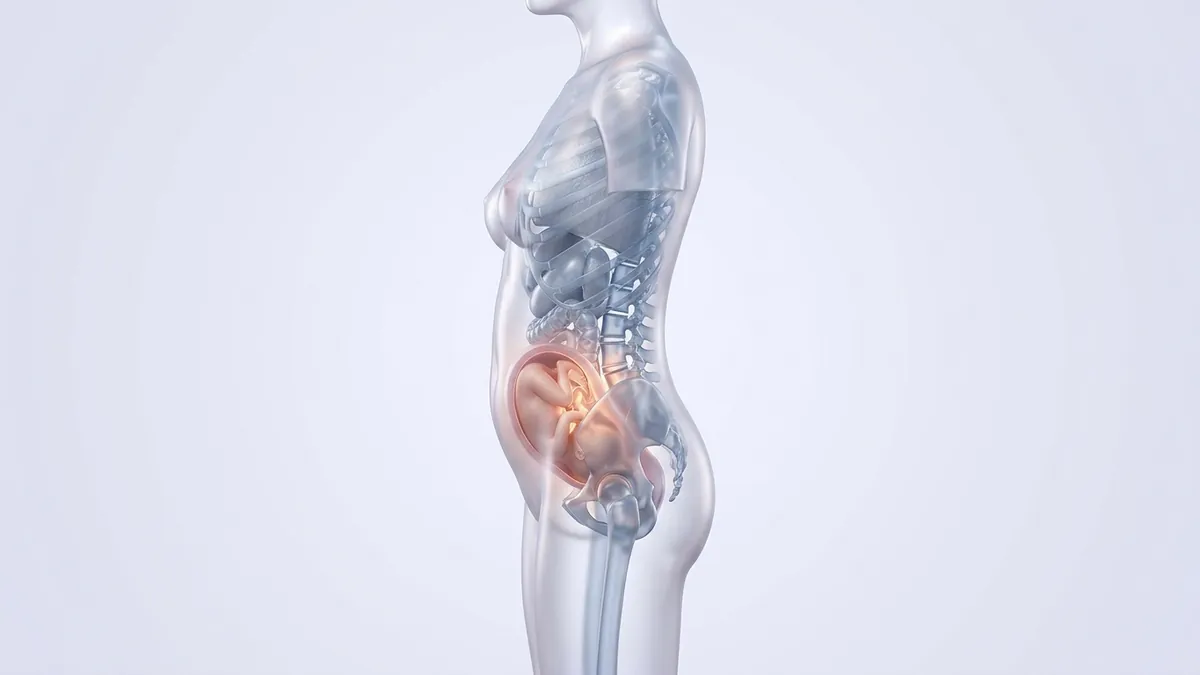
Come on in and take a seat. I know you might be feeling a bit stressed, confused, or even overwhelmed right now—especially if something feels slightly off with your body and you are wondering whether you could actually be expecting without realizing it. Believe it or not, this is a conversation I have with patients in the exam room far more often than most people assume. Let's sit down together, walk through what a cryptic pregnancy really is, and unpack why it happens, which subtle clues matter, and how we can get you clear answers. Pretty surprising that a whole pregnancy can stay under the radar, right? Let's take it step by step.
📌 Key Takeaways at a Glance
- What it is: A cryptic pregnancy (hidden pregnancy) happens when a person carries a pregnancy for several months—or even right up until childbirth—without realizing they are expecting.
- Why it gets missed: Irregular cycles from conditions like Polycystic Ovary Syndrome (PCOS), perimenopause, postpartum breastfeeding, low pregnancy hormone levels, and an anterior placenta can all mask classic symptoms.
- Home tests are not infallible: Over-the-counter urine strips can occasionally show a false-negative result if hormone levels are unusually low, urine is diluted, or the test is taken at the wrong time.
- How we confirm it: A quantitative blood test (serum beta-hCG assay) and a formal pelvic ultrasound scan at your Primary Care Physician (PCP) or family GP clinic provide definitive answers.
- When to get checked: If your intuition tells you something has changed in your body despite negative home tests, book a routine appointment with your doctor for peace of mind and proper care.
Free pregnancy due date calculator. Enter your last period date or conception date to find your EDD, current trimester, and key milestones.
What Is a Cryptic Pregnancy? Can You Be Pregnant Without Knowing?
A cryptic pregnancy (also called a hidden or stealth pregnancy) occurs when a person is pregnant without knowing it for months—sometimes right up until labor begins. Unlike a typical pregnancy, obvious warning signs like missed periods, morning sickness, or a noticeable baby bump are absent, mild, or mistaken for everyday health issues.
Have you ever wondered how someone could carry a growing baby for twenty, thirty, or even forty weeks without a clue? When you think about pregnancy, you probably picture positive pink lines, a prominent round belly, and unmistakable kicks, right? In reality, every body responds differently to pregnancy hormones.
When we doctors talk about a cryptic pregnancy, we are describing a genuine medical phenomenon where gestation progresses quietly in the background. In some cases, even a routine physical exam might not immediately raise suspicion if the patient has no classic complaints and continues experiencing light monthly bleeding. Instead of standing out as a clear milestone, the subtle changes blend seamlessly into normal daily life—whether that is work stress, digestive sluggishness, or weight fluctuations.
Who Is More Likely to Experience a Hidden Pregnancy?
While anyone of reproductive age can theoretically experience an unrecognized pregnancy, we doctors notice clear patterns in who is most likely to be caught off guard. Think about it for a second: if your body already gives you unpredictable signals every month, a new change is much harder to spot. Here are the groups most commonly affected:
- People who recently gave birth: After having a baby, it often takes months for your menstrual cycle to settle back into a predictable rhythm. If you are breastfeeding, elevated prolactin hormones suppress ovulation—but never with 100% certainty. Because you ovulate roughly two weeks before your first postpartum period arrives, you can conceive again without ever seeing a period in between.
- People living with Polycystic Ovary Syndrome (PCOS): If you have Polycystic Ovary Syndrome (a hormonal condition that causes irregular or infrequent ovulation), skipping periods for three or four months at a time might feel completely normal. When a missed period is your usual baseline, it rarely triggers an immediate trip to the pharmacy for a test.
- People using reliable birth control: No contraceptive method—whether the daily pill, a hormonal patch, an implant, or an intrauterine device (IUD)—is 100% foolproof. When you trust your contraception, pregnancy is the last thing on your mind if you feel a little tired or bloated.
- People entering perimenopause: During your 40s, fluctuating estrogen and progesterone levels routinely cause missed periods, hot flashes, sleep disruption, and midsection weight gain. It is completely natural to chalk up pregnancy symptoms to "the change of life."
- First-time pregnancies and high-stress lifestyles: If you have never been pregnant before, you have no personal reference point for what early pregnancy feels like. Combine that with a demanding job, athletic training, or chronic stress, and subtle bodily shifts are easily brushed aside.
How Common Is a Cryptic Pregnancy?
Just how often does this actually happen in everyday life? Statistically, a full-term cryptic pregnancy is uncommon, though not nearly as rare as television dramas make it seem. Medical studies from Europe and North America show that roughly 1 in every 475 pregnancies goes unrecognized until at least 20 weeks of gestation (the halfway mark). Furthermore, about 1 in every 2,500 pregnancies remains completely undetected until the person goes into active labor.
What do you think happens when someone reaches 38 or 40 weeks without knowing? In real life, those patients often walk into a local Urgent Care center or a hospital Emergency Room (ER / A&E) complaining of severe lower back spasms, intense trapped gas, or suspected kidney stones—only for the medical team to discover they are fully dilated and ready to deliver. Pretty wild to imagine, isn't it?
When Does Pregnancy Show Up on a Test, and Why Can Tests Miss It?
One of the first questions patients ask us in the clinic is: "If I was pregnant, wouldn't a home test turn positive right away?" Usually, yes—most home urine strips detect pregnancy around the first day of a missed period, roughly 10 to 14 days after conception. However, home tests are not infallible, and false-negative results happen more often than people realize.
Look at what actually happens inside the body here. Over-the-counter tests look for a specific hormone called human chorionic gonadotropin (hCG—a hormone produced by the developing placenta). A home strip can miss a real pregnancy for several reasons:
- Unusually low or slow-rising hCG levels: Some pregnancies naturally produce lower concentrations of hCG in the urine, keeping the level just below the test strip's detection threshold (typically 20 to 25 mIU/mL).
- Diluted urine samples: If you drink plenty of water or iced tea throughout the day and test in the afternoon, your urine may be too diluted to register a faint positive line.
- Testing too early or misreading the window: Checking a strip before implantation finishes, or glancing at it too quickly before the dye develops, easily yields a false negative.
- The "hook effect" later in pregnancy: Rarely, if someone takes a urine test much later in the first or second trimester when hCG levels are sky-high, overwhelming hormone fragments can actually jam the test antibodies and produce a misleading negative or faint result.
Remember how we mentioned that home tests only check urine? If your gut tells you something is going on despite a negative pharmacy strip, visiting your Primary Care Physician (PCP) or family GP clinic for a quantitative blood test (serum beta-hCG assay) clears up the mystery immediately.
Can You Still Have Periods During a Cryptic Pregnancy?
This part sounds almost impossible at first glance, doesn't it? How can someone bleed every month and still be carrying a baby? Here is the physiological truth: true menstrual periods—where the entire uterine lining sheds because no egg was fertilized—do stop during pregnancy. If your uterus shed its full lining, a pregnancy could not continue.
However, vaginal bleeding during pregnancy is surprisingly common, especially during the first trimester. Many individuals experience light spotting when the fertilized egg implants into the uterine wall, hormonal breakthrough bleeding around the time their period would normally arrive, or minor bleeding from a sensitive, blood-rich cervix. Small pockets of blood near the gestational sac, known as a subchorionic hematoma (a harmless collection of blood between the uterine wall and the pregnancy membrane), can also cause periodic bleeding.
If you are used to light, irregular, or unpredictable periods anyway, seeing a few days of spotting each month tricks your brain into thinking, "Great, I got my period—definitely not pregnant." Makes sense why that throws so many people off, right?
Why Does a Cryptic Pregnancy Happen? The Main Reasons
When we doctors look closely at cryptic pregnancy cases, it is rarely just one single factor at play. Instead, it is usually a "perfect storm" of subtle biology and everyday psychology working together:
- Minimal or absent physical symptoms: Roughly one in four pregnant individuals never experiences classic morning sickness. Without nausea or food aversions, there is no obvious daily alarm bell ringing.
- Misattributing symptoms to everyday conditions: Mild heartburn feels like last night's takeout dinner. Fatigue feels like working overtime. Bloating feels like irritable bowel syndrome (IBS) or fluid retention before a period.
- Minimal visible weight gain or baby bump: Tall stature, strong core muscles, a tilted uterus (retroverted uterus), or carrying weight differently can keep a growing uterus tucked inward toward the spine rather than pushing outward.
- Psychological stress or subconscious denial: High emotional stress, fear of pregnancy, or major life upheaval can cause the brain to genuinely filter out or rationalize physical cues—a well-documented medical phenomenon called non-psychotic denial of pregnancy.
What Are the Subtle and Extremely Early Signs of a Cryptic Pregnancy?
Patients often search online looking for extremely early signs of pregnancy or wondering how to tell if they are pregnant without taking a test. While no physical symptom can ever replace a clinical test, looking closely at subtle patterns helps you know when to speak with your doctor.
In a hidden pregnancy, the clues are usually quiet whispers rather than loud shouts:
- Persistent, unexplained fatigue: Rising progesterone acts like a gentle natural sedative, leaving you exhausted even after a full night's sleep.
- Subtle pelvic fullness or lower belly firmness: Rather than a distinct round bump, your lower abdomen may simply feel firmer or heavier when you lie flat on your back.
- Muffled or unnoticed fetal movements: Most people feel their baby flutter around 18 to 20 weeks. However, if you have an anterior placenta (a placenta attached to the front wall of your uterus rather than the back), it acts like a thick pillow cushioning the kicks. Gentle movements feel just like normal digestive bubbles or gas.
- Frequent urination or mild breast tenderness: Needing to wake up once or twice at night to use the bathroom, or noticing darker areolas and fuller breasts, often gets blamed on caffeine or premenstrual syndrome (PMS).
Be honest—if you felt a tiny flutter in your stomach after lunch, wouldn't you assume it was just digestion? Almost anyone would.
How Long Can a Hidden Pregnancy Last?
A cryptic pregnancy does not follow a single timeline. In many cases, the truth comes to light during the second trimester—perhaps during a routine wellness checkup, an abdominal ultrasound ordered for suspected gallbladder or ovarian pain, or when fetal movements suddenly become too strong to ignore around 24 to 28 weeks.
In rarer situations, the pregnancy stays hidden well into the third trimester—32, 36, or even 40 weeks—until spontaneous contractions start. Discovering you are about to become a parent in the span of a few hours at the hospital is an intense physical and emotional shock, which is why compassionate medical and emotional support is so vital right from the moment of diagnosis.
How Do Doctors Confirm a Cryptic Pregnancy? (Diagnosis)
If you walk into your Primary Care Physician (PCP) or family GP clinic because something feels off, we will never dismiss your concerns—even if you tell us you had three negative home tests. We use a straightforward, step-by-step clinical approach to give you a 100% certain answer:
- A thorough, judgment-free conversation: We review your menstrual patterns, birth control history, recent medications, and every subtle change you have noticed over the past few months.
- A gentle abdominal and pelvic examination: By feeling the abdomen, we doctors check the height and firmness of the uterus above the pubic bone, which often gives an immediate clue about gestational size.
- Quantitative blood work (serum beta-hCG): Unlike a pharmacy urine strip that only gives a "yes" or "no," a lab blood test measures the exact numerical concentration of hCG in your bloodstream.
- A formal pelvic or obstetric ultrasound scan: This is the gold standard. Using safe sound waves, a sonographer looks directly inside the uterus to confirm a pregnancy, measure the baby's size to calculate an accurate due date, and check the heartbeat.
What Happens After Diagnosis? Care and Next Steps
When a cryptic pregnancy is confirmed, "treatment" simply means shifting immediately into supportive, protective prenatal care so both you and the baby stay healthy from that moment onward. Remember how we talked about getting baseline answers first? Once the ultrasound confirms how many weeks along you are, your healthcare team will focus on a few immediate priorities:
- Comprehensive prenatal blood panels: We check your blood type, iron levels (hemoglobin), immunity to infections, and screen for gestational diabetes so nothing gets missed.
- Starting prenatal vitamins right away: Beginning a daily prenatal supplement containing folic acid, iron, and vitamin D immediately supports ongoing fetal growth and maternal energy.
- Everyday nutrition and hydration: You do not need complicated diets—focusing on balanced local staples like fortified oatmeal or whole-grain toast, eggs, Greek yogurt, leafy greens, beans, and wild-caught low-mercury fish like salmon nourishes both of you reliably.
- Connecting you with an obstetrician (OB-GYN) or midwife: Your family doctor will arrange a prompt referral to your local maternity hospital or obstetrics team to map out your delivery plan and emotional support resources.
Can You Prevent a Cryptic Pregnancy?
While you cannot always control how strongly your body displays pregnancy hormones, you can drastically lower the chances of a pregnancy catching you by surprise:
- Log your cycles consistently: Using a simple calendar or period-tracking app helps you spot gradual shifts in cycle length or bleeding heaviness—especially helpful if you have PCOS or are approaching perimenopause.
- Use contraception consistently and know its limits: Take birth control pills at the same time daily, check IUD strings if recommended, and use backup protection after stomach bugs or certain antibiotics.
- Trust your body over a single home test: If you feel persistent fatigue, pelvic fullness, or unusual abdominal fluttering for more than two weeks, ask your PCP or GP for a quick blood test rather than relying solely on pharmacy strips.
What Complications Can a Hidden Pregnancy Cause?
Many babies born after a cryptic pregnancy arrive completely healthy, which is genuinely reassuring. Still, carrying an unmonitored pregnancy carries real medical risks that we doctors work quickly to address once discovered:
- Missed early prenatal care: Without routine screenings, conditions like gestational diabetes, anemia, or pre-eclampsia (pregnancy-related high blood pressure) can develop silently without early management.
- Unintentional lifestyle exposures: Not knowing you are pregnant means you may have continued drinking alcohol, smoking, taking prescription medications unsafe in pregnancy, or undergoing diagnostic X-rays.
- Preterm birth or low birth weight: Lack of prenatal nutrition and medical monitoring slightly increases the odds of delivering early or having a smaller baby.
- Acute psychological shock and lack of preparation: Having only days—or hours—to prepare emotionally, practically, and financially for a newborn can trigger severe anxiety or postpartum mood struggles, making early counseling and family support essential.
Quick Comparison: Cryptic Pregnancy Clues vs. Everyday Health Issues
Because the signs of a hidden pregnancy overlap so closely with common digestive and hormonal complaints, it helps to compare them side by side. Look at how subtle symptoms differ—and what practical step you should take if you notice them:
| Symptom or Body Clue | Clinical Explanation & Next Step |
|---|---|
| Light Monthly Bleeding or Spotting | True periods stop in pregnancy, but implantation spotting, cervical sensitivity, or hormonal breakthrough bleeding can mimic a light period—especially if your normal cycles are irregular. What you should do: Note the color, flow, and duration, and take a morning urine test or ask your PCP / GP for a blood hCG check. |
| Persistent Bloating & Midsection Weight Gain | Everyday bloating fluctuates throughout the day with meals, whereas pregnancy causes a gradual, firm fullness starting low in the pelvis that does not flatten out overnight. What you should do: Gently feel your lower belly while lying flat; if you notice a firm lower ridge, schedule a clinical abdominal exam. |
| Missed Periods with PCOS or Perimenopause | Both conditions delay ovulation, making it easy to assume a three-month gap is normal—yet occasional ovulation still occurs unexpectedly. What you should do: Do not assume infertility; test every 4 to 6 weeks if sexually active without reliable contraception. |
| Gentle Abdominal Flutters | Gas bubbles shift around quickly and ease after passing wind, whereas fetal movements (often muted by an anterior placenta) repeat gently in the lower belly over weeks. What you should do: Track whether flutters happen daily at rest and book an ultrasound referral through your family doctor. |
| Ongoing Fatigue & Mild Nausea | Stress, poor sleep, or mild acid reflux cause similar tiredness, while pregnancy fatigue feels heavy and persistent alongside heightened smell sensitivity. What you should do: Avoid guessing or taking unprescribed herbal remedies—get a simple clinic blood test first. |
✔️ What You Should Do & ❌ What to Avoid
- ✔️ Do test with first-morning urine: If you use a home pregnancy strip, test right when you wake up, when hCG concentration is highest.
- ✔️ Do request a quantitative blood test: Ask your Primary Care Physician or family GP clinic for a serum beta-hCG test if your symptoms persist despite negative urine strips.
- ✔️ Do start a daily prenatal vitamin: If there is any reasonable chance you could be pregnant, taking 400 mcg of folic acid daily is completely safe and protects early fetal development.
- ❌ Don't ignore persistent bodily changes: Never dismiss months of unexplained pelvic firmness, missed periods, or repetitive abdominal fluttering just because a single home test was negative.
- ❌ Don't consume alcohol or unverified medications while uncertain: Pause alcohol, nicotine, and non-essential over-the-counter drugs until your doctor rules out pregnancy.
- ❌ Don't blame yourself if a pregnancy went unnoticed: Cryptic pregnancy is a recognized biological and clinical reality—never feel embarrassed to seek compassionate medical care.
🚨 When to Seek Immediate Emergency Care (Red-Flag Symptoms)
If you or someone near you develops any of these red-flag symptoms, do not wait — call 911 (or 999 in the UK / 000 in Australia) immediately or go straight to the nearest hospital Emergency Room (ER / A&E):
- Severe, sharp, or one-sided lower abdominal or pelvic pain: Especially if accompanied by dizziness or shoulder tip pain, which can signal a life-threatening ectopic pregnancy (a pregnancy implanting outside the uterus).
- Heavy vaginal bleeding: Soaking through one or more sanitary pads per hour, passing large clots, or bleeding paired with severe cramping.
- Rhythmic, worsening lower back or abdominal contractions: Regular waves of tightening or a sudden gush of fluid from the vagina, which may indicate active labor.
- Fainting, severe lightheadedness, or shortness of breath: Signs of significant internal blood loss or acute cardiovascular strain.
- Severe headache, blurred vision, or sudden swelling of the face and hands: Warning signs of dangerously high blood pressure in late pregnancy (pre-eclampsia).
💡 Key Take-Home Message
- A cryptic pregnancy is a real medical occurrence where gestation progresses quietly for months—or even until delivery—without typical warning signs.
- Irregular cycles, perimenopause, postpartum breastfeeding, low hormone levels, and an anterior placenta commonly mask the usual clues.
- Negative home urine tests do not 100% rule out pregnancy when clinical symptoms persist.
- A quick blood test and ultrasound scan through your family doctor provide certainty and connect you immediately with supportive prenatal care.






No comments yet. Be the first to share your question or experience below.