

🤔 What is Mastitis? (What is Mastitis?)
Mastitis is an inflammation, or swelling, of the breasts of breastfeeding mothers , especially the milk ducts and glands. This can happen due to cracked nipples or blocked ducts due to poor milk flow. This allows germs from outside the breast to enter and grow in the milk.
🤒 What are the symptoms of mastitis? (What are the Symptoms?)
At first, you may feel a lump in your breast. Then the area starts to hurt. Then it becomes red, swollen, and painful to touch (see diagram). You may also have fever, fatigue , weakness, and muscle aches and pains (just like you have the flu).
😟 What are the risks? (What are the Risks?)
If treated quickly and properly, mastitis will start to get better within 48 hours. However, doctors consider this a serious problem that needs to be treated quickly. Because if not treated quickly, a breast abscess can develop. In such cases, needle aspiration or surgery may be necessary. In addition to abscesses, a bacterial infection , such as candida ( yeast infection – Thrush), can also develop. This often happens after taking antibiotics . Candida infection causes a lot of pain in the breasts. It feels like a hot knife stabbing you. This is often felt during and after breastfeeding. An ultrasound examination is the only way to find out if there is a breast abscess .
💊 What is the treatment for this? (What is the Treatment?)
- Antibiotics: Your doctor will give you antibiotics for about 10 days. If you are allergic to penicillin, tell your doctor.
- Painkillers : Take aspirin or paracetamol for pain and fever.
- Feed frequently from the breast that is in pain.
- Breastfeed frequently: Breastfeed frequently. Start breastfeeding on the side that hurts first. This will not cause any problems.
- Check to see if the baby is latching on properly. Also, try feeding in different positions. This will ensure that the milk comes out in all directions.
- Before breastfeeding, warm up the sore spot: take a hot bath, or place something on it, such as a hot towel or hot water bottle.
- After you've finished breastfeeding, let your breasts cool down a bit: Place a towel in the freezer.
- When you're done feeding, you can wash and put a cabbage leaf in the fridge (this is not mandatory).
- While breastfeeding, massage the sore area by moving the nipple to the side.
- If necessary, squeeze the milk out by hand.
- Get plenty of rest: Take breaks when you feel tired. Find someone to help with household chores.
- Eat a well-balanced diet and drink plenty of water.
🛡️ How can this be prevented? (How can it be prevented?)
Breast engorgement and cracked nipples are things to watch out for. Check to see if your breasts are letting milk out properly. There are several reasons why your milk may not be coming out properly. Overproduction of milk, not breastfeeding at the right time, not emptying the breast completely (for example, breastfeeding too quickly, not latching on properly, breastfeeding in the wrong position), fatigue, nutritional deficiencies , and breast engorgement (for example, wearing a tight bra, sleeping on your back).
Empty the milk from the breasts, either by expressing with your hand, or if the baby sleeps a lot, wake him up and feed him. If there seems to be a lot of milk, feed only from one side at a time. It is also a good idea to reduce caffeine and smoking (if the baby's father drinks, tell him not to drink).
Remember: 'Heat the breast, which means remove the excess milk.'
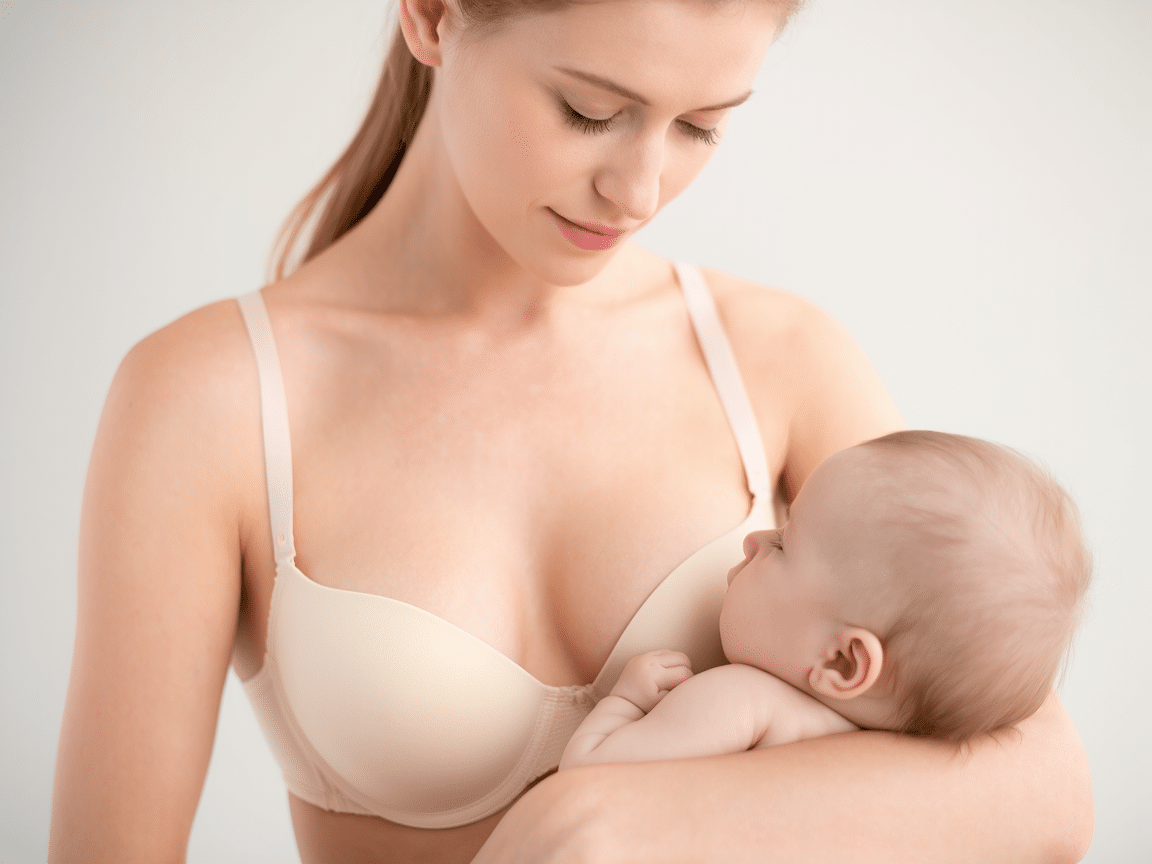
NB: There is nothing wrong with breastfeeding from the affected breast, as long as your doctor says no.
❓ Frequently Asked Questions (FAQs) – Mastitis
How do I know when I have mastitis?
You will first feel a tightness in your breast. Then the area will start to hurt. It may become red and swollen. You may also experience fever, body aches, and fatigue. It feels like you have a cold or flu-like illness.
Should I stop breastfeeding if I develop mastitis?
No. You don't have to stop. If possible, start breastfeeding on the hard side first. This is best done by breastfeeding more often. But if your doctor tells you otherwise, do it that way.
What can you do if you develop mastitis?
Heat the area that hurts. Take a warm bath or place a warm towel on it. You can also apply an ice pack after breastfeeding. If your doctor tells you to, take a painkiller. Squeeze out as much milk as you can with your hands.
Is it difficult to breastfeed a baby when you have mastitis?
No. There's nothing wrong with that. Breastfeeding from a hard breast won't hurt the baby.
What can you do to prevent mastitis?
Don't let your breasts become engorged. Feed your baby whenever he wants. Don't let your nipples get cracked. If you notice anything wrong, see a doctor right away. Learn how to breastfeed properly. Don't overwork yourself, eat and drink well.
How long can mastitis last and be treated at home?
If there is no significant improvement after about 24 hours, definitely see a doctor.
Do you have to take antibiotics when you have mastitis?
No. Sometimes it gets better by doing the things I mentioned earlier. But most of the time, a doctor will prescribe antibiotics.
Is mastitis contagious?
No. This is not contagious.
Is there a link between mastitis and breast cancer?
No. Mastitis does not cause breast cancer. However, if you feel something is wrong with your breasts, see a doctor without delay.
Can I stop breastfeeding and give milk packets when I develop mastitis?
Don't do that. If you stop breastfeeding suddenly, it can be even harder for you. It can cause more problems. To get rid of mastitis, you need to continue breastfeeding.
What are the risk factors for developing mastitis?
– If you have had mastitis before
– If the nipples are cracked or injured
– If you don't breastfeed properly
– If the baby is not latching on properly and is not sucking
– If you give less milk at once
– If you are very tired, if you don't eat or drink properly
– If you wear a tight bra
These are some of the most frequently asked questions about mastitis. If you have any more questions, ask your family health worker or doctor. They will be able to tell you exactly what to do. 😊👍


💬 Comments (0)
No comments yet. Be the first to share your thoughts here.
Add Your Comment