
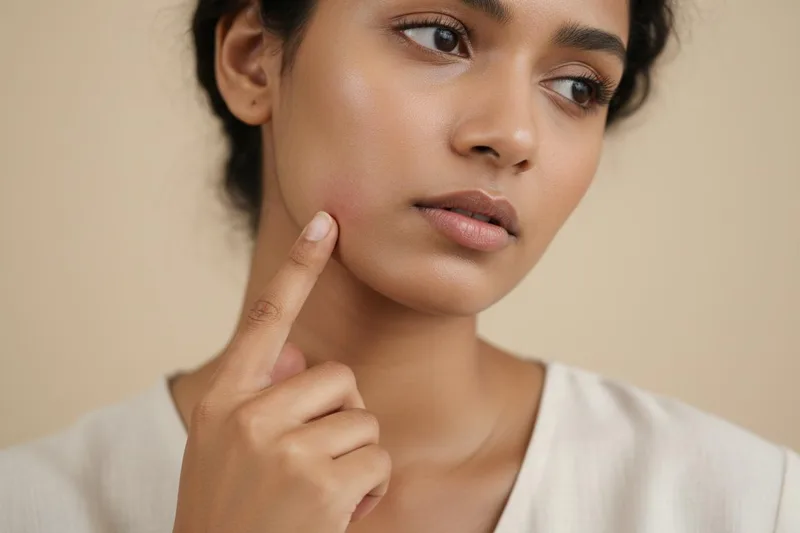
What is dermatitis? How does it look?
Simply put, 'derma' means skin, and 'itis' means inflammation. So, dermatitis is an inflammation of the skin. It can be caused by many factors, such as genetics, overactivity of the immune system, infections, allergies, and irritating substances. Common symptoms include dry skin, redness, and itching. This eczema can sometimes start small and become severe. It can also cause a variety of problems depending on the cause.The most important thing is that dermatitis does not cause serious damage to your body. It is not contagious. It does not mean that your skin is dirty or infected. There are treatments and medications to help manage your symptoms.
What are the main types of dermatitis?
There are different types of dermatitis. Let's look at some of the main types:- Atopic dermatitis : This is what we often call 'eczema' .
- Contact dermatitis: Occurs when something (e.g. soap, chemicals, certain plants) comes into contact with the skin.
- Diaper dermatitis: A rash caused by diaper rash in young babies.
- Dyshidrotic dermatitis: Small, water-filled blisters appear on the palms, soles, and edges of the fingers.
- Neurodermatitis: A condition in which the nerve endings in the skin become irritated due to excessive scratching.
- Nummular dermatitis: Round, itchy spots in the shape of a coin appear.
- Perioral/Periorificial dermatitis: A pimple-like rash that appears around the mouth, nose, eyes, and sometimes the genital area.
- Seborrheic dermatitis: A scaly rash on the scalp, also known as 'cradle cap' in babies.
- Stasis dermatitis: Swelling, itching , and burning in the legs, especially around the ankles, due to poor blood circulation .Wounds .
Who can develop this dermatitis?
In fact, anyone from a small baby to an elderly person can develop dermatitis. Here are a few examples:- Your little one may get cradle cap and diaper rash.
- Atopic dermatitis, or eczema, usually begins in childhood, but can develop in people of any age.
- Contact dermatitis is caused by contact with something that irritates the skin, so anyone can develop it. For example, some people get it when they wear jewelry that contains nickel.
- People with celiac disease are more likely to develop a type of dermatitis herpetiformis.
What are the risk factors for developing dermatitis?
Some people are more likely to develop this. Let's take a look at what it is:- Atopic dermatitis risk factors :
- If anyone in the family has dermatitis, hay fever, or asthma .
- Being a woman.
- Some genetic conditions and skin types.
- Risk factors for contact dermatitis:
- If you work with chemicals (e.g. in a factory, restaurant, gardening, beauty salon).
- Periorificial dermatitis risk factors:
- Being a woman.
- Be between 15 and 45 years of age.
- Dyshidrotic dermatitis risk factors:
- If you have someone who makes you sweat a lot.
- Prolonged exposure to water and/or skin irritants.
- If you live in a hot climate.
What is the first sign of dermatitis?
Itching and redness of the skin are often the first signs of dermatitis.Where on the body does dermatitis occur?
It varies by type. For example, atopic dermatitis can appear anywhere on the body. But in young people and adults, it is most common on the hands, inside of the elbows, neck, behind the knees, ankles, feet, and around the eyes. Seborrheic dermatitis and cradle cap are usually seen on the scalp, face, and ears. Periorificial dermatitis is seen around the mouth, eyes, nostrils, and sometimes the genital area.How common is dermatitis?
Some types are very common, while others are a little less common. Atopic dermatitis affects about 2%-3% of adults and 25% of children. Contact dermatitis affects about 15%-20% of people at some point in their lives. So you can imagine that this is something that affects a lot of people.Is dermatitis contagious?
No, no type of dermatitis is contagious. This is something you need to remember. So there is no reason to isolate or fear someone with this condition.What is the difference between Dermatitis and Psoriasis?
Sometimes both can look the same, especially seborrheic dermatitis. Both cause redness and flaking of the skin. However, psoriasis usually has thicker scales and clearly visible edges. Sometimes there is a condition called 'sebopsoriasis', in which you can see both of these symptoms together. It's best to talk to a doctor to find out exactly which condition you have.Are dermatitis and eczema the same thing?
Actually, eczema is also a type of dermatitis. That's why, as we mentioned earlier, it's also called atopic dermatitis.What is the difference between dermatitis and rosacea ?
Rosacea can also cause redness of the skin, which can look like dermatitis. However, rosacea can also cause acne-like breakouts, and the redness is most noticeable on the forehead, nose, chin, and cheeks. It's important to see a doctor to find out exactly what's causing it.Does this cause pain or inflammation?
Some people may experience pain. Others may only experience itching, or both itching and burning. This varies from person to person and depending on the type of dermatitis.What causes this dermatitis?
There are several main factors that contribute to the development of dermatitis. These include the functioning of our immune system, genetic influences, and certain things in the environment.- Immune system: Sometimes our body's immune system overreacts to even the smallest things. For example, in a person with atopic dermatitis, the immune system overreacts to something that is normally harmless and causes inflammation of the skin.
- Genetics: Researchers have found that if someone in your family has dermatitis, you are more likely to develop it. They have also identified variations in genes that control a protein that helps maintain healthy skin. Without normal levels of this protein, skin cannot stay healthy.
- Environment: Some things in your environment can cause your immune system to change the protective layer of your skin. This can cause your skin to lose more moisture, which can lead to dermatitis. Examples include cigarette smoke, some air pollutants, and the fragrances in some skin care products and soaps.
- Exposure: Some types of dermatitis are caused by exposure to chemicals and other irritants. For example, perioral dermatitis can be caused by exposure to fluoride in water or toothpaste.
- Insomnia
- Depression
- Anxiety
- Asthma
- Allergies
What are the symptoms of dermatitis?
It varies from type to type. You may have one type or several types. Common symptoms include:- Itching (this is the main symptom!)
- Red rash and blisters
- Rash that feels and looks like it's been burned
- Dry skin
- Water-filled blisters (especially in dyshidrotic dermatitis)
- Skin thickening, tightness, swelling
- Skin peeling, cracking
- Painful wounds
- When you bite, fluid oozes or bleeds.
Some of the most common types of dermatitis include:
- Atopic dermatitis (eczema): This is a condition where the protective layer of the skin is damaged. The skin becomes inflamed, red, dry, and itchy, with blisters.
- Contact dermatitis: This is a painful or itchy rash that is caused by an allergic reaction or an irritant reaction. As the name suggests, it occurs when the skin comes into contact with an allergen – for example, wild yams, nickel in artificial jewelry, some perfumes – or a chemical that irritates the skin.
- Cradle cap (Infant seborrheic dermatitis):A harmless condition seen on the scalp of young babies. It appears as yellow, scaly patches surrounded by a red rash.
- Diaper dermatitis (nappy rash): As the name suggests, this rash can appear anywhere a baby's diaper covers. The skin is damaged by moisture, friction from movement, and urine and feces.
- Dyshidrotic dermatitis: This type of dermatitis causes itchy blisters on the fingertips, palms, soles, and edges of the joints. These blisters can be painful.
- Neurodermatitis: This is caused by excessive itching that stimulates the nerve endings in the skin. If you keep scratching the same spot, the skin may thicken and change color.
- Nummular dermatitis: If you have round, itchy patches on your skin, it could be nummular dermatitis. The skin may be dry, scaly, and possibly even sore.
- Perioral/Periorificial dermatitis: This looks like acne or rosacea. It occurs around the mouth, eyes, nostrils, and sometimes the genital area.
- Seborrheic dermatitis (dandruff): Seborrheic dermatitis, which we call 'dandruff' when it occurs on the scalp, causes the skin on the scalp and other parts of the body (e.g., eyebrows, sides of the nose, chest) to become red, dry, flaky, and itchy.
- Stasis dermatitis: This type of dermatitis is caused by a problem with blood flow in the veins. The ankles may swell, and there may also be peeling, itching, pain, and sores.
Does stress cause dermatitis?
Yes. Stress can cause or worsen some skin conditions, including dermatitis. Your body responds to stress. Check to see if you have any of these symptoms:- Mental/emotional characteristics:
- Constant anxiety, fear, and a feeling of heaviness in the head.
- Difficulty concentrating.
- Getting angry quickly, mood swings frequently.
- Depression.
- Lack of self-confidence.
- Difficulty relaxing, or seeking comfort in alcohol, cigarettes, or drugs.
- Physical characteristics:
- Muscle stiffness, body aches.
- Bloating or constipation.
- Sleeping too much or not sleeping enough.
- Decreased sexual desire.
- Feeling nauseous and dizzy.
- Take a deep breath. Count to ten.
- Don't try to do everything perfectly. Accept that you can't control everything.
- Exercise every day.
- Sleep well.
- Limit coffee and alcohol.
- Eat nutritious food.
- Keep smiling and try to think positively.
- Write a diary.
- Talk to friends, family, and, if necessary, a counselor.
What causes dermatitis? What are the triggers?
You have to find out for yourself what triggers your dermatitis. Remember, this varies from person to person. Think about,* Is it because of a cleaning chemical you use?
* Is it because of a pet that your relatives have at home?
* Did you start scratching your head after using a new shampoo?
* Did the rash appear after applying a new perfume to the inside of your wrist?
* Does dermatitis get better or worse with excessive sun exposure?
* Do you always itch when wearing rough clothes like some wool?Remember that dermatitis can also be aggravated by stress, hot baths, allergens like pollen and pet dander. Find out what triggers you and stay away from them as much as possible.
How does a doctor recognize this?
Your doctor will examine your skin carefully. They will look for common signs of dermatitis, such as redness, scaling, and dryness. They will ask you about your symptoms. Does it itch? Does it feel like your skin is burning? Is your skin dry? Have you come into contact with anything that might be irritating your skin?What other questions can I ask, doctor?
- Where is your dermatitis?
- What did you use to treat this?
- What other illnesses do you have? Allergies? Asthma? Celiac disease?
- How long have these dermatitis symptoms been present?
- Do you bathe in hot water?
- Is there anything that makes the symptoms worse?
- Are you exposed to chemicals?
- Have you noticed that this increases due to things like soap? detergent? cigarette smoke?
- Is there so much pain or itching that you can't sleep, work, or live a normal life?
What kind of tests are done to identify this exactly?
In most cases, a doctor can diagnose dermatitis by examining the skin. However, if in doubt, the following tests can be done:- Blood tests: Check for other causes of eczema that are not related to dermatitis.
- Skin biopsy: To differentiate one type of dermatitis from another.
- Allergy skin test.
How is this treated? What kind of medication is used?
The type of treatment depends on the type of dermatitis and where it is located. The first step is to find out what triggers the dermatitis and avoid it.It could be stress, a chemical, cigarette smoke, or anything else you're allergic to. The second step is to try home remedies. The third step is to take medication prescribed by your doctor.What treatments can be done at home?
- Things to do only with medical advice:
- Ultraviolet light therapy: Ultraviolet A or B light waves can help your skin.
- Wet wrap therapy: This increases skin moisture.
- Bleach baths: Bleach is diluted and should not be used more than twice a week. Always consult a doctor before trying this treatment.
- Here are some other treatments you can do at home without medical supervision:
- Use a moisturizer: Apply moisturizer to your skin within a few minutes after bathing or getting wet. This will help to retain moisture in your skin.
- Don't get too hot: Keep your space cool and avoid excessive humidity.
- Protect your skin: Stay away from things that can irritate your skin. This includes rough clothing like wool.
- Reduce stress: As mentioned earlier, take steps to reduce stress.
- Bathe in lukewarm water: Use lukewarm water instead of hot water. Do not bathe more than once a day, and do not bathe for more than 10-15 minutes.
- Use a mild, unscented soap: Use a fragrance-free soap or cleanser.
- Don't scratch: Scratching dermatitis can make it worse. It can damage the skin and lead to infections. Keep your nails short. If you scratch at night, sleep with socks on your hands.
Types of medications prescribed by the doctor:
Your doctor may prescribe one or more of these medications:- Moisturizing creams: Creams that moisturize the skin and help rebuild the skin's protective layer.
- Calcineurin inhibitors: These are skin-thinning medications that reduce inflammation. (Ex: Tacrolimus, Pimecrolimus)
- Corticosteroid creams and ointments: Corticosteroids are also powerful medications that reduce inflammation. These should be used only as directed by your doctor, and only for the duration of the treatment.
- Phosphodiesterase-4 inhibitors: This is also a new class of medication that helps with inflammation. (Example: Crisaborole)
- Biologics:This is an injection. It stops some of the immune system's actions that cause dermatitis. (Example: Dupilumab)
- Oral medications: Medications that reduce the immune response that causes dermatitis (e.g., corticosteroids, cyclosporine). These should also be taken under the close supervision of a doctor.
- Antihistamines: These help reduce itching, especially at night, and can help you sleep.
- Antibiotics : These may be given for conditions such as perioral dermatitis, if there is a bacterial infection of the skin.
Is there a permanent cure for this?
No treatment can cure dermatitis 100% of the time. Treatments only control the symptoms. Success rates vary. Talk to your doctor about the best treatment for you.Should I see a dermatologist?
Yes, if your general practitioner can't help you with your dermatitis, or if it's severe, it's a good idea to see a dermatologist. They are specialists in skin diseases.How long does it take to heal?
It depends on the type of dermatitis and the treatment you receive. Sometimes it can get better in a few weeks. However, some types, such as atopic dermatitis, can be lifelong, but with treatment, the symptoms can be well controlled and you can live a normal life.Can dermatitis cause permanent skin damage?
If you scratch your skin too hard, it can cause damage, infection, and possibly scarring . It can also thicken and discolor your skin over time.How can I reduce the risk of, if not prevent, dermatitis?
- Find out what triggers your dermatitis and stay away from them as much as possible.
- Always apply moisturizer to your skin, especially after bathing.
- Don't get too hot.
- Use a humidifier to reduce air dryness, especially in rooms with AC.
- Don't scream.
- Reduce stress.
- Use mild, unscented soaps and detergents.
- Wear soft clothes like cotton.
What foods should I eat or avoid to reduce the risk of dermatitis?
If you have food allergies, one reason to avoid that food is that it can cause or worsen dermatitis. About 25% of people with dermatitis herpetiformis also have celiac disease, a sensitivity to gluten. Examples of common food allergies include peanuts, dairy, eggs, soy, wheat, sugar, and alcohol. Be careful about what you eat. If your dermatitis gets worse after eating a certain food, you may have an allergy to it.Important: Always talk to your doctor before making any dietary changes. It may also be helpful to see a dietitian. They can help you create a new meal plan.
How is it to live with dermatitis?
Dermatitis is very common and normal. Many people live with it. Managing the symptoms is the most important thing when living with dermatitis. Try to keep your dermatitis 'under control' as much as possible. You can do this by following your doctor's advice, doing home care, and taking the medication that is prescribed. Sometimes there may be periods when the dermatitis is almost completely gone. This is called a 'remission' period. Other times you may have a 'flare up' , which is a period when the dermatitis is worse. The important thing is to try to reduce the occurrence of these flare ups.When should I see a doctor?
Don't wait until your skin is too uncomfortable to sleep to see a doctor about your skin problem. See him or her as soon as you start having symptoms, so you can get treatment. Especially if you think you have an infection (e.g., pus, yellow crusting, fever), or if you are in a lot of pain, see a doctor right away.What questions should I ask the doctor?
- What type of dermatitis do I have?
- How do you tell if it's that type of dermatitis?
- If I don't have dermatitis, what other skin condition could I have?
- Is there a particular moisturizer brand you recommend?
- Are there any medications, shampoos, creams, or lotions that you can prescribe?
- How often should I see a dermatologist for this condition?
- What soaps, lotions, and makeup should I avoid?
- What medications do you recommend? What are their side effects?
- What home remedies do you recommend?
What are the most important things we should take home from this story? (Take-Home Message)
Okay, so here are some of the most important things to keep in mind from what we've talked about today:- Dermatitis is an inflammation of the skin. It is not contagious and is not caused by dirt.
- Symptoms may include itching, redness, dry skin, peeling, and blistering .
- There are many types, eczema, diaper rash, and dandruff are also types of dermatitis.
- It's very important to find your triggers and stay away from them. It's a big help to your healing.
- Simple things like applying moisturizer to the skin, reducing stress, and bathing in lukewarm water can provide relief.
- If the symptoms are severe and interfere with daily activities, be sure to see a doctor. This condition can be well controlled with proper treatment.
- You are not alone, many people have this problem. So stay strong, get the right information, and manage it properly, and you too can live well with this!
` Dermatitis, Eczema, skin rash, itchy skin


💬 Comments (0)
No comments yet. Be the first to share your thoughts here.
Add Your Comment