
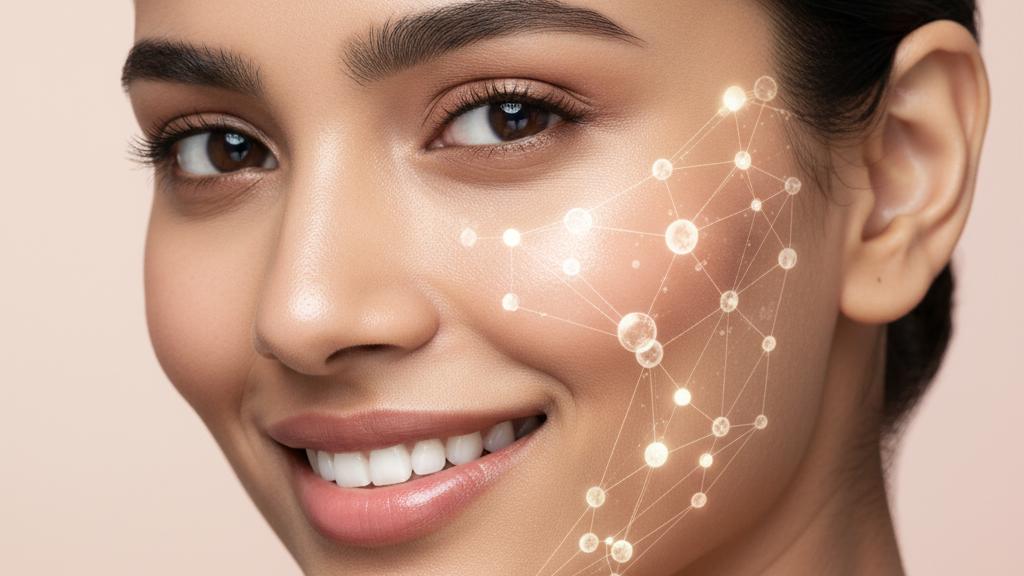
We all care about our skin, right? There is nothing we can do to keep it healthy and beautiful. But did you know that our skin is not just one layer, but an amazing organ made up of three main layers? Together, these three layers protect everything inside our body, including the organs, bones, and muscles. Today, we are talking about the very important middle layer, the dermis .
BMI Calculator
Know your body mass index (BMI) and weight classification
Simply put, what is the dermis?
It's very simple. The middle layer of your skin is called the dermis. It's sometimes called the 'corium'. It's a Latin word. It's the thickest layer of our skin.
Here are the three main layers of our skin:
- Epidermis: This is the thin, topmost layer that we can see.
- Dermis: This is the layer we're talking about today, the thickest in the middle, where most of the important things are.
- Hypodermis: This is the deepest layer. This is where most of the fat is stored.
Are there other layers within the dermis?
Yes, this middle layer called the dermis is also divided into two other main parts. These two together form the complete dermis. Let's see what those two parts are.
| Sub-layer of the dermis | A simple explanation about it |
|---|---|
| Papillary Dermis | This is the thinnest layer on top of the dermis. To be precise, this is where the epidermis, the top layer, is attached. The two layers are tightly joined together, like fingers clasped together. This layer contains blood vessels, Meissner corpuscles, and phagocytes, which fight bacteria. |
| Reticular Dermis | This is the thickest part of the dermis, underneath it. This is where our hair follicles, sweat glands, oil glands, large blood vessels, and nerves are located. This layer is surrounded by a network of collagen and elastin fibers that spread out like a mesh. These fibers give our skin its strength and elasticity. |
What is the difference between Epidermis and Dermis?
Although these are both the top two layers of the skin, there are big differences between the two. To be precise, the epidermis is like the roof of a house, and the dermis is like the walls and pillars that provide the foundation and strength for that roof, the entire house.
Think about it, the epidermis, the top layer of our skin, is very thin. But the dermis is the thickest layer of the skin. The reason for that is the proteins called collagen and elastin that it contains.
Let's understand this difference a little more clearly.
| Characteristic | Epidermis - the top layer | Dermis - middle layer |
|---|---|---|
| Thickness | The thinnest layer of skin. | The thickest layer of the skin. |
| Main functions | Protection from the sun, formation of new skin cells, production of melanin, which gives skin its color, and preservation of body moisture. | Giving skin strength and flexibility, sensation, sweat and oil production, hair production. |
| Contents | Mainly skin cells (Keratinocytes) and melanin-producing cells (Melanocytes). No blood vessels. | It contains everything from blood vessels, nerve endings, hair follicles, sweat glands, oil glands, collagen, and elastin. |
What service does the dermis provide to our body?
The dermis is not just a middle layer. It provides a huge service to our body.
- Nourishing the Epidermis: Since the epidermis does not have blood vessels, it receives the nutrients and oxygen it needs from the blood vessels in the dermis. This means that the survival of the epidermis is completely dependent on the dermis.
- Sensation: How do you feel heat, cold, pain, or pressure when someone touches your body? The nerve endings that help you feel all of these things are located in this layer of the dermis.
- Sweat production: We sweat when we are hot or stressed, right? The sweat glands that produce this sweat are located in the dermis. Sweating helps control our body temperature.
- Keeping the skin moist and shiny: The skin produces a type of oil to prevent it from drying out and to provide the skin with the necessary moisture. This oil is called sebum . The sebaceous glands that produce this oil are located in the dermis.
- Hair production: The hair on your body is produced by hair follicles. These hair follicles are located within the dermis.
Are there any diseases that affect the dermis?
Yes. There are various conditions that affect the collagen, elastin, and blood vessels in the dermis. Some of these may be genetic.
Here are some examples:
- Ehlers-Danlos syndrome: This is a genetic condition that affects the skin, joints, and blood vessel walls. The skin becomes excessively stretchy.
- Hives/Urticaria: An allergic reaction to the skin that causes swelling in the dermis, resulting in red, itchy welts on the skin surface.
- Marfan syndrome: This is also a genetic disease that affects connective tissue.
- Skin cancer (Primary dermal melanoma): Some rare types of skin cancer can start in the dermis.
- Systemic sclerosis (scleroderma): In this, the body produces too much collagen, causing the skin to thicken and harden.
What are the common symptoms of these diseases?
Symptoms of a disease affecting the dermis may include:
- Excessive stretching or thinning of the skin.
- Excessive joint mobility (hypermobility).
- Bruising over even the smallest thing.
- Swelling and red spots on the skin.
- Hard, itchy patches on the skin.
If you have these symptoms, the best thing to do is to see your doctor as soon as possible and seek advice.
How do you keep the dermis healthy?
Keeping the dermis healthy, which plays such an important role in our skin, is very important. You don't have to do anything special for it. Just follow these simple habits.
- Establish good skin care habits: Drink at least 8 glasses of water a day. This keeps your skin hydrated from within. Use a mild, non-abrasive soap to wash your body. Apply a good moisturizer after bathing.
- Clean the wound thoroughly: Even if it's a small wound, wash it thoroughly with soap and clean water. This can help prevent infection. Then, apply something like petroleum jelly and cover it with a clean bandage.
- Protect yourself from the sun: Prolonged exposure to the sun damages the collagen and elastin fibers in the dermis. This is why the skin wrinkles and ages quickly. Therefore, use a sunscreen with at least SPF 30 when going out. If possible, wear long-sleeved clothing and a hat.
If you do these things correctly, you can maintain the dermis, which protects the strength and health of your skin.
💡 Take-Home Message
- The dermis is the middle, thickest layer of our skin's three main layers.
- This layer contains collagen and elastin, which give the skin strength and elasticity.
- Every sensation we feel (heat, cold, pain), sweating, and keeping the skin moist are controlled by nerves and glands in the dermis.
- To keep your skin healthy, it's essential to drink plenty of water, protect yourself from the sun, and keep your skin moisturized.
- If you notice any unusual changes in your skin (spots, bruises, excessive dryness), it's never too late to talk to a doctor about it.





No comments yet. Be the first to share your question or experience below.