

Hearing a doctor say you have breast cancer can feel shocking and scary. Many heavy questions rush through your mind all at once. You might wonder what comes next, who you need to see, and if you will get better. These feelings are completely normal when you face such big news.
The most important thing to remember right now is that you do not fight this battle alone. A large team of skilled doctors and healthcare workers stands ready to support you. They are trained to care for you, answer your questions, and give you the best medical care possible. Let us explore who makes up this dedicated team and how they help you heal.
Key Takeaways for Your Journey
- You are never alone. A full team of medical experts guides your treatment every step of the way.
- Different specialists handle different parts of your care, from surgery and medicines to radiation and emotional health.
- Open communication with your doctors is your right. Never hesitate to ask questions about your treatment plan.
- Combining your expert medical care with strong personal support gives you the best path forward.
Understanding Your Medical Specialists
A medical specialist is a doctor who spent many years studying one specific area of medicine. They complete extra training and earn advanced postgraduate degrees, such as an MD or MS. Treating cancer requires this deep, specialized knowledge because every patient and tumor is unique.
Once tests confirm a breast cancer diagnosis, your primary care doctor will refer you to several of these specialists. These doctors form a team that meets to talk about your specific health needs. They work together to design the safest and most effective treatment plan for your body.
Working as a team right from the start helps you get the best possible health results. Every specialist brings a unique skill set to make sure nothing is missed during your healing journey.
Key Members of Your Breast Cancer Treatment Team
Treating breast cancer is never a one-person job. It takes a coordinated team effort to address every medical need. Let us look closely at the main specialists on this team and what they do for you.
| Specialist Doctor | What They Do For You |
|---|---|
| Medical Oncologist | This doctor leads your medical drug treatments. They decide if you need chemotherapy, hormone therapy, or targeted medicines. They oversee your entire cancer treatment schedule and make sure your medicines work safely. |
| Surgical Oncologist / Breast Surgeon | This surgeon removes the cancer tumor and any necessary lymph nodes under your arm. They decide whether a lumpectomy or mastectomy fits your cancer type best. They also perform initial diagnostic biopsies. |
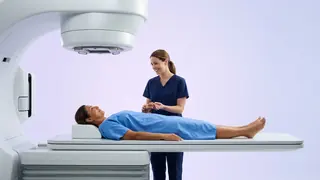
| Radiation Oncologist | This doctor plans and oversees high-energy radiation treatments. Radiation destroys any remaining cancer cells left behind after surgery. They make sure the rays target only the precise areas needed. |
| Pathologist | This doctor examines your biopsy tissue samples under a microscope. They figure out if cancer cells are present, what type they are, and how fast they grow. Your treatment plan relies heavily on their detailed laboratory report. |
| Radiologist | This doctor reads your imaging scans, such as mammograms, ultrasounds, and MRIs. They provide critical details about the exact size and location of the tumor before treatment begins. |
| Plastic Surgeon | If you choose to have breast reconstruction surgery after tumor removal, this specialist helps rebuild the breast shape. Reconstruction is optional and depends entirely on your personal choice. |
Not Just Doctors, There Are Other Experts Too
Your expert medical team includes many other caring professionals beyond your primary doctors. Every member plays an essential part in helping you recover your physical and mental strength.
Oncology nurses spend the most time with you during your hospital visits. They give you your medicines, teach you how to manage side effects, and offer a comforting listening ear when you feel stressed.
Radiation technologists operate the advanced scanning and treatment machines. They help you stay in the right position and ensure you receive the exact prescribed dose of radiation safely.
Dietitians help you manage common treatment side effects like nausea or loss of appetite. They guide you on choosing foods that keep your body strong and nourished during recovery.
Physiotherapists and rehabilitation therapists teach you gentle stretching and arm exercises. These movements help you regain normal shoulder and arm motion after surgery.
Palliative care teams focus entirely on easing physical pain, fatigue, and stress. They work alongside your cancer doctors to improve your daily comfort and quality of life.
Mental health professionals, including counselors and psychologists, support your emotional wellbeing. They help you and your family cope with anxiety, sadness, or stress during this challenging chapter.
How to Choose the Best Medical Team and Hospital
Finding the right hospital and medical team gives you peace of mind. Excellent medical care is available through major healthcare networks, specialized cancer centers, and community hospitals worldwide.
When you look for the right medical team, consider several practical factors. Ask doctors about their experience treating patients with your specific type of breast cancer.
Check hospital facilities to ensure you can receive all necessary services, such as surgery, chemotherapy, and radiation, in a coordinated environment. Trusted healthcare systems like the NHS in the UK, major US medical centers, and leading global hospitals maintain high standards of oncology care.
Your primary care doctor or referring doctor often knows the most skilled specialists in your region. Trust their professional recommendations when building your care team.
Ask about emotional support services offered by the hospital. Support groups and patient navigators make a tremendous difference in your daily experience.
⚠️ Beware of Unverified Treatments
Never trust unverified advertisements on the internet or social media promising miraculous instant cures. Always follow the medical advice given directly by your qualified cancer care team. They know your unique health condition better than anyone else.
💡 Take-Home Message
Here are the key points to keep in mind as you start your treatment journey:
- Finding out you have breast cancer is frightening, but you are never alone. A large team of experts stands ready to help you.
- Your care team includes medical oncologists, surgeons, radiation specialists, nurses, and therapists who work together for your health.
- Always ask questions when you do not understand something. Clear information helps you make confident choices.
- Emotional health is just as important as physical health. Lean on your family, friends, and professional counselors for support.
- Trust only qualified medical professionals and proven scientific guidelines rather than unverified online claims.
🚨 When to Seek Emergency Medical Help
During cancer treatment, certain symptoms require immediate emergency evaluation. Call 911 (US/Canada), 999 (UK), or go to your nearest Emergency Department (ER / A&E) right away if you experience:
- A sudden fever over 100.4°F (38°C) or shaking chills, which can indicate a dangerous infection.
- Sudden shortness of breath or chest pain.
- Severe bleeding or sudden swelling at a surgical site.
- Confusion, severe dizziness, or fainting spells.




No comments yet. Be the first to share your question or experience below.