
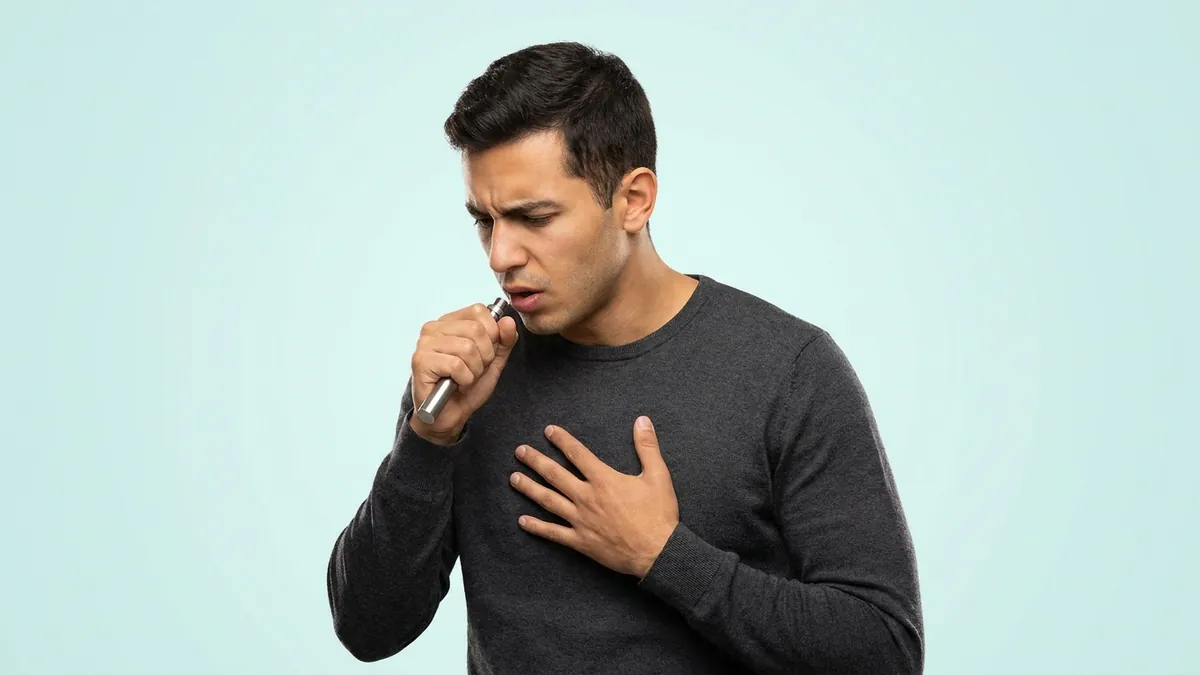
If you or someone you know uses an electronic cigarette or vape, you might think it is a safe choice. Many people believe vaping is harmless compared to regular cigarettes. However, a dangerous and fast-moving lung injury linked to vaping has doctors around the world concerned. Pretty surprising, right?
This serious condition is called evali. Understanding what it is, how it affects your body, and what warning signs to look for can save your life. Just think about it for a second—your lungs are delicate organs designed to bring fresh oxygen into your bloodstream. When foreign chemical aerosols disrupt that delicate process, things can go wrong very quickly. Let us walk through everything you need to know about this condition in clear, simple terms.
📌 Key Takeaways
- evali stands for e-cigarette or vaping product use-associated lung injury, a serious medical condition caused by inhaling vaping aerosols.
- Common warning signs include a persistent cough, sharp chest pain, and sudden shortness of breath.
- Other symptoms can mimic a stomach bug or flu, including nausea, vomiting, fever, and fatigue.
- Stopping vaping right away and getting prompt medical help at a local clinic or hospital Emergency Department is essential for a full recovery.
- Treatment often involves oxygen therapy, corticosteroids to reduce inflammation, and supportive medical care.
What Is evali?
Simply put, evali is a medical term for acute lung damage caused by vaping. The full clinical name is e-cigarette or vaping product use-associated lung injury. When you vape, you heat a liquid to create an aerosol that you inhale deep into your lungs. That aerosol is not just harmless water vapor; it contains a complex mix of liquid carriers, nicotine, cannabis extracts (like THC), and various flavoring chemicals.
These tiny liquid droplets and chemical particles can cause severe irritation, inflammation, and injury inside your delicate lung tissue. Have you ever wondered how long these substances take to cause trouble? In many cases, symptoms appear after regular use, but someone can develop evali even if they vaped up to ninety days before getting sick. This condition can start suddenly or develop slowly over several weeks. In severe cases, evali can cause permanent lung damage or even become life-threatening if left untreated.
How Serious Is evali?
evali is a very serious medical emergency. Health data from the CDC, NHS, and international health agencies shows that the vast majority of people who develop evali require immediate hospital care. Thousands of hospitalizations and numerous deaths have been linked to this condition worldwide. Makes sense, right? When your lungs lose their ability to take in enough oxygen, your entire body suffers from oxygen deprivation.
Patients often need intensive medical support, including mechanical ventilation or high-flow oxygen therapy, just to keep their blood oxygen levels stable. Taking any breathing problems related to vaping seriously is vital for protecting your long-term health and preventing permanent respiratory failure.
Is This a Long-Term Problem?
evali is a relatively modern medical condition that doctors first began diagnosing in earnest around 2019. Because it is so new, researchers are still studying its long-term effects on the human body. What do you think happens years down the road? Doctors do not yet fully understand how recovered patients will feel five or ten years later.
Ongoing medical research is actively trying to determine if former patients face permanent breathing limitations, reduced lung capacity, or chronic respiratory issues over time. Just like we said a moment ago, avoiding vaping entirely remains the best way to prevent any unknown long-term risks.
What Are the Symptoms of evali?
Recognizing the warning signs of evali early can help you get fast medical treatment. The symptoms can sometimes feel like a bad case of pneumonia or the flu, which is why people often delay seeking care. If you vape and notice any of these symptoms, talk to a doctor right away:
- Sharp, dull, or tight chest pain that makes taking a deep breath uncomfortable.
- A persistent cough that may be dry or bring up discolored mucus.
- Sudden shortness of breath or trouble catching your breath during normal activities like walking up stairs.
- A fast heartbeat or fluttering sensation in your chest (palpitations).
- Stomach aches, nausea, or vomiting that might make you think you have a stomach bug.
- Frequent bouts of diarrhea.
- Fever, chills, body aches, or sudden sweating.
- Unexplained weight loss and fatigue without any changes in your diet or exercise habits.
Remember that severe cases of evali can lead to respiratory failure and death. Never ignore persistent breathing problems.
What Causes evali?
The primary cause of evali is the inhalation of toxic substances found in e-cigarettes and vaping products. While nicotine vapes carry risks, public health investigations have heavily implicated products containing tetrahydrocannabinol (THC) and, in particular, vitamin E acetate.
Vitamin E acetate is an oily additive sometimes used as a thickening agent in illicit or unregulated THC vaping liquids. When vitamin E acetate is heated and inhaled into the lungs, it coats the delicate alveolar surfaces like heavy oil, disrupting normal lung function and triggering a severe immune and inflammatory reaction. Other chemical flavorings, heavy metals from heating coils, and thermal degradation byproducts also contribute to the tissue damage.
Can evali Be Cured?
Yes, many patients recover successfully from evali, but it is not something that simply goes away on its own without professional medical intervention. Treatment requires stopping all vaping immediately and receiving targeted hospital care to reduce inflammation and support breathing. While the acute injury can heal with proper medical therapy, some patients may experience lingering breathing sensitivities or reduced lung function, meaning early intervention is key to a complete recovery.
Who Is Most Affected by evali?
evali can affect anyone who vapes, but data shows that younger populations—particularly teenagers and young adults under the age of 35—account for the majority of diagnosed cases. This is largely due to higher rates of e-cigarette and THC vaping product use in these age groups. However, middle-aged and older adults who vape are equally susceptible to lung injury, especially if they have pre-existing health conditions like asthma, chronic bronchitis, or cardiovascular disease.
How Do Doctors Diagnose Diagnosing evali?
Diagnosing evali can be challenging because its symptoms overlap significantly with common respiratory infections, bacterial pneumonia, and the flu. When you visit your Primary Care Physician (PCP), family doctor, or head to the hospital Emergency Department (ER / A&E), we will take a detailed medical history.
We will specifically ask about your vaping habits, the types of products you use, and when your symptoms started. Because evali is largely a diagnosis of exclusion—meaning we must rule out other potential causes of lung infection—a thorough clinical evaluation is essential.
Tests Used to Identify evali
To confirm a diagnosis of evali and assess how well your lungs are working, your medical team may order several diagnostic tests:
- Chest X-ray: A standard imaging test that can reveal white patches, inflammation, or fluid buildup in both lungs.
- Chest CT Scan (Computed Tomography): A more detailed scan that gives doctors a clear, cross-sectional view of your lung tissue to check for characteristic patterns of injury.
- Blood Tests: Complete blood counts and inflammatory markers (like C-reactive protein) to check for signs of infection or severe body-wide inflammation.
- Pulse Oximetry and Arterial Blood Gas: Non-invasive or blood-based tests that measure exactly how much oxygen is circulating in your blood.
- Respiratory Viral Panels: Swab tests to rule out common flu viruses, COVID-19, or bacterial pneumonia.
How Is evali Treated?
Treatment for evali depends entirely on how severely your breathing is affected. Because many patients experience dangerously low blood oxygen levels, hospital admission is often necessary. Here is what medical management typically involves:
- Oxygen Therapy: Delivering extra oxygen via nasal cannula or face mask to keep your oxygen saturation levels safe.
- Corticosteroids: Medications like prednisone prescribed to quickly calm down and reduce the severe inflammation inside your lung tissue.
- Supportive Care: Intravenous (IV) fluids for hydration, nutritional support, and close monitoring of your vital signs.
- Breathing Support: In severe cases, mechanical ventilation or specialized high-flow nasal oxygen in an intensive care unit (ICU) may be required to rest your lungs.
- Antibiotics: Sometimes prescribed initially just in case a bacterial infection is causing your symptoms, until test results prove otherwise.
Here is a quick reference table breaking down the stages of care and clinical actions:
| Clinical Stage or Situation | What Happens & What You Should Do |
|---|---|
| Early Symptoms (Mild Cough & Shortness of Breath) | Stop vaping immediately. Schedule an appointment with your family doctor or visit an urgent care clinic for a medical evaluation. |
| Severe Distress (Chest Pain & Low Oxygen) | Call emergency services right away (e.g., 911, 999, 000). Immediate hospital admission and oxygen therapy are required. |
| Hospital Recovery Phase | Receive corticosteroid treatment, breathing monitoring, and complete cessation counselling. Prepare for follow-up scans. |
How Soon Will You Feel Better After Treatment?
Recovery time varies from person to person. For mild cases treated early with corticosteroids and oxygen, patients often begin feeling noticeable improvements within a few days of starting treatment. However, severe cases requiring intensive hospital care can take weeks or even months of gradual rehabilitation.
Your doctors will monitor your breathing tests and chest imaging before discharging you to ensure your lungs are steadily healing. Be patient with your body—lung tissue takes time to recover from severe chemical trauma.
What to Expect After Recovering from evali
Once you are discharged from the hospital or clinic, your recovery journey continues at home. You can expect scheduled follow-up visits with your doctor to repeat chest X-rays and breathing (pulmonary function) tests. It is completely normal to feel easily fatigued or experience mild shortness of breath during light physical activity for a few weeks after leaving the hospital.
Above all, absolute long-term abstinence from vaping and smoking is non-negotiable. Returning to vaping puts you at immediate risk of triggering a relapse or suffering permanent, irreversible lung destruction.
Can evali Be Prevented?
Preventing evali is straightforward: do not use e-cigarettes, vapes, or any vaping products. Because the regulatory oversight of vaping liquids—especially black-market or modified THC cartridges—can be inconsistent, avoiding these products altogether is the only 100% effective guarantee.
If you currently vape and want to quit, talk to your doctor about evidence-based cessation programs, nicotine replacement therapies, or counseling support. Making that healthy change protects your respiratory system for the future.
How to Take Care of Yourself If Diagnosed
If you have been diagnosed with evali and discharged to recover at home, self-care plays a huge role in your healing process:
- Take all prescribed medications—especially corticosteroids—exactly as your doctor directed. Never stop steroids abruptly.
- Stay well-hydrated by drinking plenty of water, herbal teas, and clear broths.
- Get plenty of rest in a comfortable, propped-up position to make breathing easier.
- Avoid all exposure to secondhand smoke, dust, chemical fumes, and outdoor air pollution.
- Attend every scheduled follow-up appointment so your doctor can track your lung healing.
When Should You See a Doctor?
Do not wait if you experience any unusual respiratory symptoms. See your family doctor or visit an urgent care clinic promptly if you develop a persistent cough, unexplained shortness of breath, low-grade fever, or chest discomfort—especially if you have a recent history of vaping.
🚨 When to Seek Emergency Care (Red Flags)
If you notice any of these warning signs, don't wait — call your local emergency number right away (911 in the US/Canada, 999 in the UK, 112 in Europe, or 000 in Australia) or go to the nearest hospital Emergency Department (ER / A&E):
- Severe, crushing, or worsening chest pain
- Sudden, severe shortness of breath or inability to catch your breath
- Blue lips, fingers, or nail beds (cyanosis)
- Confusion, dizziness, fainting, or extreme drowsiness
- Inability to speak in full sentences due to breathlessness
Questions to Ask Your Doctor
Being prepared for your medical appointments helps you take charge of your health. Consider asking your doctor these helpful questions:
- Based on my imaging and tests, how severe is my lung inflammation?
- Do I need a referral to a pulmonologist (lung specialist) for follow-up testing?
- What breathing exercises can I safely practice at home during my recovery?
- What support resources or medications can help me quit vaping permanently?
- When is it safe for me to resume light exercise or return to work?
✔️ Do's and ❌ Don'ts
- Do stop vaping and using all e-cigarette products immediately.
- Do seek prompt medical care if you experience chest pain or breathing trouble.
- Do complete your full course of prescribed medications as directed.
- Don't ignore a persistent cough or flu-like symptoms if you vape.
- Don't assume nicotine vapes are safe just because they don't contain THC.
- Don't return to vaping even after your symptoms resolve.
💡 Take-Home Message
- evali is a dangerous, potentially life-threatening lung injury directly caused by vaping.
- Recognizing early symptoms like chest pain, cough, and shortness of breath can save your life.
- Stopping vaping permanently and seeking immediate medical care is the single most important step you can take for your lungs.






No comments yet. Be the first to share your question or experience below.