

Have you ever noticed an unusual pulsing sensation or a strange lump near the crease where your leg meets your body, and wondered what might be going on beneath the surface? We know that discovering anything out of the ordinary with your body can feel unsettling, especially when it involves your blood vessels. Today, we are going to walk through a very specific condition together: the femoral artery aneurysm. When people search for information about this, they often look up terms like groin aneurysm symptoms to figure out if what they are feeling needs attention. Sounds familiar, right? We want to make sure you have all the facts, spoken in plain, everyday language, so you can feel confident, informed, and empowered about your health.
📌 Key Takeaways
- A femoral artery aneurysm is a localized bulge or swelling in the major artery supplying blood to your leg.
- The most common search query for this condition is groin aneurysm symptoms, which typically include a pulsing lump, localized pain, or swelling.
- Atherosclerosis, high blood pressure, and smoking are major contributing factors that weaken blood vessel walls over time.
- Diagnosis often involves non-invasive imaging tests like ultrasound, performed by your Primary Care Physician (PCP), Family Doctor, or NHS GP clinic, followed by a referral to a vascular specialist.
- Treatment ranges from careful monitoring and lifestyle adjustments to surgical repair or endovascular procedures depending on the size and risk of complications.
What exactly is a femoral artery aneurysm?
Let's start from the very beginning. Your circulatory system is like an intricate, bustling highway network of blood vessels that delivers oxygen-rich blood from your heart to every single corner of your body. The main highway traveling down through your torso and branching into each of your legs is called the aorta, and as it enters your thigh, it becomes the femoral artery. This is a large, sturdy blood vessel that carries a massive volume of blood with every single heartbeat.
Now, what happens when a section of this sturdy vessel wall loses its strength and starts to stretch outward like an over-inflated balloon? That abnormal bulge or ballooning is what we call an aneurysm. When it happens in the femoral artery located in your upper thigh or groin crease, we call it a femoral artery aneurysm. Just think about it for a second—because this artery carries blood under high pressure down into your leg, any weakening in its wall means that pressure pushes outward against that vulnerable spot day in and day out. Pretty surprising how resilient our bodies are until they need a little extra medical help, right?
Are there types of these swellings based on where they occur?
Yes, absolutely! Not all bulges in this blood vessel happen in the exact same spot. Depending on where the weakness develops along the vessel highway, we classify them into a few distinct types:
- Common Femoral Artery Aneurysms: These occur along the main trunk of the femoral artery before it splits into its major branches. This is actually the most common site for true femoral aneurysms.
- Superficial Femoral Artery Aneurysms: These develop further down along the branch that travels down the length of your thigh toward your knee.
- Profunda Femoral Artery Aneurysms: These form on the deep branch of the femoral artery that helps supply blood to the muscles deep inside your upper leg. These are less common, but they still require careful medical attention.
Do you recall what we mentioned a moment ago about blood flow? Because each branch handles a different pathway of blood into your leg muscles and lower extremities, the exact location of the bulge helps your vascular team decide the best way to monitor or treat it.
Who is most likely to develop this condition?
Have you ever wondered why certain conditions tend to affect some people more than others? When it comes to femoral artery aneurysms, medical science and clinical data show that certain risk factors make a person more susceptible. Let's look at who is most commonly affected:
- Age and Gender: This condition is significantly more common in men than in women, and the risk increases notably for individuals over the age of 70.
- Tobacco Product Use: Whether you smoke cigarettes, use tobacco, chew betel nuts, or consume other tobacco products, the chemicals damage the inner lining of your blood vessels, making them far more prone to weakening.
- High Blood Pressure (Hypertension): If your blood pressure runs consistently high, your arteries are subjected to constant, elevated force with every heartbeat, gradually wearing down their elasticity.
- High Cholesterol: Elevated levels of fats and cholesterol in your blood can lead to plaque buildup, which damages the structural integrity of your arterial walls.
- Atherosclerosis: This is the hardening and narrowing of arteries due to plaque accumulation. If you have experienced heart trouble or peripheral artery disease in your legs, your risk is higher.
- Connective Tissue Diseases: Rare genetic conditions that affect the proteins in your body's tissues—such as Marfan syndrome or Ehlers-Danlos syndrome—can make blood vessel walls inherently more fragile.
- Family History: If close relatives, like a parent or sibling, have had aneurysms, you might carry a genetic predisposition.
How common is this condition?
To put things into perspective, peripheral aneurysms (meaning aneurysms outside the main chest and belly aorta) are relatively uncommon compared to abdominal aortic aneurysms, and femoral artery aneurysms make up a significant portion of those peripheral cases. They are still considered rare in the general population, predominantly appearing in older adult males who have a history of smoking or vascular disease. But just because something is uncommon doesn't mean we shouldn't talk about it openly! Being aware of what happens in our bodies helps us catch things early.
What happens to the body when these blood vessels dilate?
When an artery dilates and balloons outward, the physics of blood flow inside that vessel change. Think of it like a garden hose: if a section of the hose balloons out, the water slows down inside that wider pocket and creates swirling currents. Inside your blood vessel, this slowing and swirling of blood can cause a couple of major issues:
- Stasis and Clotting: Because the blood doesn't flow as smoothly through the widened section, small blood clots can form along the inner wall of the aneurysm.
- Embolization: If a piece of that blood clot breaks free, it can travel downstream into smaller blood vessels in your calf or foot, potentially blocking blood flow to your toes or lower leg.
- Pressure on Surrounding Structures: As the bulge grows, it can press against nearby nerves and veins in your groin, causing discomfort, numbness, or swelling in your leg.
Makes sense, right? The smooth, streamlined flow of blood is disrupted, which triggers defensive or pathological reactions in the vascular system.
What are the symptoms of this?
Now let's talk about the exact groin aneurysm symptoms that prompt people to visit their doctor. Many small aneurysms don't cause any symptoms at all and are discovered completely by accident during an imaging scan done for another reason. However, as they grow or if they start causing trouble, you might notice:
- A Lump in Your Groin: You might feel a distinct mass or swelling in your groin area. Often, this lump feels like it's throbbing or pulsating in time with your heartbeat.
- Pain or Pressure: A dull ache, sharp pain, or a feeling of heavy pressure in your groin, upper thigh, or lower leg. This happens when the bulge stretches tissues or presses on nearby nerves.
- Swelling of the Lower Leg: If the aneurysm presses on the nearby femoral vein, it can block blood from returning smoothly from your leg, leading to noticeable swelling in your lower calf or ankle.
- Ischemic Symptoms (Blood Clots): If a clot forms inside the aneurysm and blocks blood flow downstream, your lower leg or foot might suddenly feel unusually cold, appear pale, or cause severe pain and numbness.
- Acute Rupture Symptoms: Though rare, if the wall gives way completely, it causes a medical emergency with sudden, severe pain, heavy internal bleeding, and a dangerous drop in blood pressure.
What causes this?
Let's summarize the root causes clearly so you can see the big picture. Why do these blood vessels give way? It usually boils down to a combination of structural wear and tear:
- Atherosclerosis: The primary culprit. Fatty deposits harden and stiffen the arterial walls, destroying elastic fibers until the wall gives in to blood pressure and bulges.
- Hypertension: Chronic high pressure acts like a constant high-pressure hose weakening a fragile rubber tube.
- Trauma or Injury: Sudden physical impact from car accidents, sports injuries, or even previous medical procedures (like catheter insertions in the groin) can injure the arterial wall, sometimes leading to a related condition called a pseudoaneurysm.
- Connective Tissue Disorders: Inherited weaknesses in collagen and elastin.
- Inflammatory Conditions: Diseases like Behçet's disease that cause chronic inflammation in blood vessel walls.
How do doctors detect this?
If you visit your Primary Care Physician (PCP), Family Doctor, or NHS GP clinic mentioning unusual groin discomfort or a pulsing lump, how do we investigate? We start with a thorough conversation and physical exam:
- Clinical History and Examination: We will ask about your symptoms, medical history, smoking habits, and family health background. During the physical exam, we gently feel your abdomen and groin to check for pulsating masses.
- Duplex Ultrasound: This is usually the first and best imaging test. It uses harmless sound waves to visualize the blood vessel, measure its exact diameter, and check blood flow velocity using Doppler technology.
- CT Angiography (CTA) or MR Angiography: If we need a more detailed road map of your blood vessels—especially if surgery is being planned—we may arrange a specialized CT scan with contrast dye to get a crystal-clear 3D view of the aneurysm and its surrounding branches.
| Condition Stage or Feature | Clinical Explanation & Recommended Action |
|---|---|
| Small, Asymptomatic Aneurysm | Often discovered incidentally. Risk of rupture is low. Recommended action: Regular ultrasound monitoring with your doctor and managing risk factors like blood pressure. |
| Symptomatic or Enlarging Aneurysm | Causes pain, throbbing lump, or leg swelling due to pressure or minor clots. Recommended action: Prompt vascular surgery consultation for elective repair before complications arise. |
| Acute Complication / Thrombosis / Rupture | Sudden cold leg, severe pain, or bleeding. This is a life-threatening emergency. Recommended action: Call emergency services immediately (911, 999, 112, or 000) for urgent hospital intervention. |
How do you treat these swollen blood vessels in your legs?
When we detect a femoral artery aneurysm, the treatment plan depends entirely on its size, whether it is causing symptoms, and your overall health. Here is how vascular specialists approach treatment:
- Active Surveillance (Watchful Waiting): If the aneurysm is small (usually under 2.5 to 3 centimeters) and causes no symptoms, we might not operate immediately. Instead, we schedule regular ultrasound check-ups every 6 to 12 months to monitor its size, combined with strict blood pressure control and smoking cessation programs.
- Surgical Repair (Open Surgery): If the aneurysm is large, growing rapidly, or causing pain and blood clots, your vascular surgeon will likely recommend surgical repair. In this procedure, an incision is made in the groin, the weakened section of the artery is opened, and a synthetic graft (a strong fabric tube) is sewn into place to restore normal, safe blood flow.
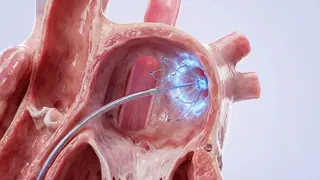
- Endovascular Stent-Graft Placement: In certain cases, doctors can use a minimally invasive approach. Through a tiny puncture in the blood vessel, a catheter guides a folded stent-graft into the aneurysm site, where it is expanded to line the artery wall from the inside, shielding the weak spot from blood pressure.
What complications can occur after this surgery?
Like any medical procedure, treatment for a femoral artery aneurysm carries potential risks that your surgical team will discuss with you beforehand. These can include:
- Bleeding or hematoma formation at the incision site in the groin.
- Wound infection, which is carefully managed with sterile techniques and antibiotics if needed.
- Blood clots forming in the leg (deep vein thrombosis or graft occlusion).
- Temporary or rare permanent nerve irritation around the groin crease causing numbness in the skin of the thigh.
Your care team will monitor you closely in the hospital and provide clear instructions to minimize these risks.
How long does it take to recover after this treatment?
Recovery depends on whether you had open surgery or a minimally invasive endovascular procedure. For an endovascular repair, recovery is often quite quick—many patients go home within 24 to 48 hours and return to light activities within a week. For open surgical repair, expect a hospital stay of a few days, followed by several weeks of taking it easy at home. You will be advised to avoid heavy lifting, strenuous exercise, and vigorous bending at the hip for a few weeks while your groin incision heals properly. Sounds manageable when you take it one day at a time, doesn't it?
What can I do to reduce this risk?
Even if you cannot change your genetics, there are powerful lifestyle choices you can make to protect your entire cardiovascular system:
- Quit Smoking: This is single-handedly the most impactful step you can take. Quitting halts further damage to your arterial walls and dramatically improves your overall vascular health.
- Manage Blood Pressure: Keep your blood pressure in a healthy range through regular check-ups, prescribed medications, balanced eating, and reducing sodium intake.
- Eat Heart-Healthy Foods: Focus on fresh vegetables, fruits, whole grains like oatmeal and whole-grain toast, lean proteins, and healthy fats, while minimizing processed foods and saturated fats.
- Stay Active: Engage in regular, moderate exercise—such as brisk walking—as advised by your doctor to keep your circulation strong and flexible.
If I have bloating like this, what should I expect?
Sometimes patients confuse a groin bulge with abdominal bloating or a hernia. If you feel a swelling in your lower abdomen or groin, expect your doctor to perform a careful physical examination. They will determine whether the lump is a hernia (a protrusion of bowel tissue through the muscle wall), an enlarged lymph node, or a vascular issue like a femoral artery aneurysm. Getting an accurate diagnosis is the most important first step so you know exactly what you are dealing with.
How can I take care of myself?
Taking care of yourself means partnering closely with your healthcare team. Attend all your follow-up appointments, take any prescribed medications for blood pressure or cholesterol exactly as directed, and listen to your body. If you notice any changes—such as increasing pain, new swelling, or a cold foot—reach out to your doctor right away rather than waiting.
✔️ Do's and ❌ Don'ts
- Do attend all scheduled vascular ultrasound follow-ups to track aneurysm stability.
- Do keep your blood pressure and cholesterol levels well-managed with your doctor's guidance.
- Do seek professional support if you need help quitting smoking or using tobacco products.
- Don't ignore new, sharp pain, throbbing sensations, or sudden coldness in your leg.
- Don't engage in heavy lifting or strenuous physical strain immediately after surgery until your surgeon gives you the green light.
🚨 When to Seek Emergency Care (Red Flags)
If you notice any of these warning signs, don't wait—call your local emergency number right away (911 in the US/Canada, 999 in the UK, 112 in Europe, or 000 in Australia) or go to the nearest hospital Emergency Department (ER / A&E):
- Sudden, severe, tearing pain in your groin, abdomen, or back.
- A leg or foot that suddenly turns pale, feels ice-cold to the touch, and becomes numb or paralyzed.
- Rapidly expanding, painful swelling or a pulsatile mass in the groin accompanied by dizziness, lightheadedness, or fainting.
What questions should I ask the doctor?
When you sit down with your doctor or vascular specialist, having a few questions ready can help guide a meaningful conversation. Here are some great ones to write down and bring with you:
- "What is the exact size and location of my femoral artery aneurysm?"
- "Do we need immediate surgical treatment, or is active surveillance with regular ultrasounds safe for me?"
- "What specific lifestyle changes or blood pressure targets should I focus on right now?"
- "What warning signs should I watch for at home that mean I need to call you or go to the emergency department?"
What is the difference between Femoral Artery Aneurysm and Pseudoaneurysm?
This is a fantastic clinical question that often comes up! A true femoral artery aneurysm involves the stretching and weakening of all three normal layers of the artery wall, usually caused by long-term wear, tear, and atherosclerosis. In contrast, a pseudoaneurysm (or false aneurysm) occurs when the inner layers of the artery wall are damaged—often from trauma, an accident, or a previous medical procedure involving catheter insertion—causing blood to leak out into the surrounding tissue, where it is contained only by a capsule of surrounding connective tissue. Both conditions involve a bulging pocket of blood in the groin, but their causes and treatment approaches can differ significantly.
💡 Take-Home Message
- A femoral artery aneurysm is a localized bulge in the main leg artery that requires professional medical evaluation.
- Being aware of groin aneurysm symptoms like a pulsing lump or leg pain empowers you to seek timely care.
- With modern diagnostic tools and advanced vascular treatments, patients have excellent options for managing this condition safely.




No comments yet. Be the first to share your question or experience below.