
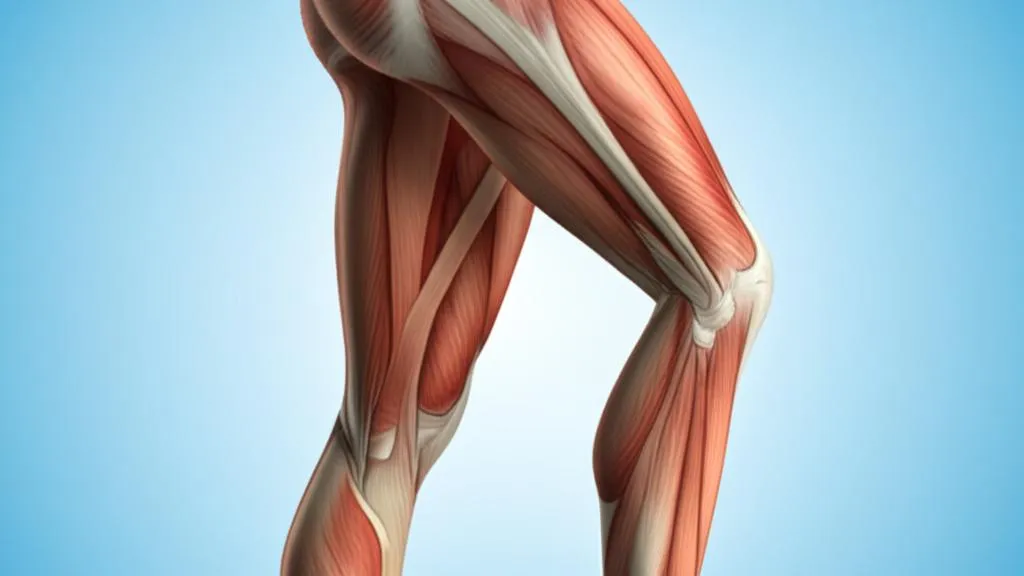
Come on in, make yourself comfortable. Have you ever wondered what bone in your body is the longest, heaviest, and absolute strongest? It is the long bone located right in your upper leg, running straight down from your hip to your knee. In medical terms, we doctors call this powerful bone the femur bone, or simply your thigh bone.
Your femur is so remarkably strong that it is very difficult to break under normal daily conditions. In fact, experts note that your femur can withstand forces and weights many times greater than your total body weight. Pretty surprising, right? This incredible bone acts as the central pillar of your lower body, making it possible for you to stand upright, walk with ease, and run across a field.
Today, we are going to explore this mighty bone in detail. We will look at its vital roles, its internal structure, common medical conditions that affect it, and practical steps you can take every single day to keep your bones healthy and strong throughout your life. Sound good? Let's dive right in.
📌 Key Takeaways
- The Strongest Bone: The femur is the longest, heaviest, and strongest skeletal structure in the human body.
- Extreme Weight Bearing: It supports your entire upper body weight during daily activities like walking, running, and jumping.
- Complex Anatomy: It features a ball-shaped head at the top, a sturdy shaft in the middle, and a wide lower end forming your knee joint.
- Blood Production: The inner bone marrow produces essential red blood cells, white blood cells, and platelets.
- Prevention Matters: Eating calcium-rich foods like whole-grain toast with cheese, leafy greens, and yogurt, while staying active, protects your femur from conditions like osteoporosis as you age.
What Is the Role of the Femur Bone?
Put simply, the femur bone is a cornerstone of your body's structural framework. Without it, you could not maintain an upright posture or move your legs with precision. It performs several critical functions every single moment of the day, whether you are relaxing on the couch or sprinting to catch a bus.
First and foremost, your femur provides crucial weight-bearing support. Whenever you stand up, climb stairs, or walk down the sidewalk, your femurs bear the brunt of your physical weight and absorb the downward force of gravity. Just think about it for a second—every step you take places forces on your legs that equal multiple times your body weight, and your femur handles that pressure effortlessly.
Second, your femur serves as a major anchor for your muscular and connective systems. Powerful muscles in your hips, thighs, and knees connect directly to your femur. Tough bands of tissue called tendons and ligaments also attach securely to this bone, allowing you to bend, straighten, and rotate your legs smoothly. Have you ever tried doing squats at the gym? Every time you do, you are actively putting your femur and its surrounding muscle attachments to work.
Third, your femur provides essential stability for your entire lower body. It helps you keep your balance so you do not fall over easily when walking on uneven ground or pivoting quickly during sports. Makes sense, right?
Beyond physical movement, your femur holds a vital biological secret deep inside its hollow core. That secret is bone marrow, which acts as a busy factory for your blood supply. There are two primary types of bone marrow found inside healthy bones:
- Red Bone Marrow: Produces the red blood cells that carry oxygen through your body, the white blood cells that fight off infections, and the platelets that help your blood clot when you get a cut.
- Yellow Bone Marrow: Stores fat reserves that provide stored energy and support the healthy growth of surrounding bone, cartilage, and muscle tissue.
Let's Look at the Structure and Parts of the Femur
Your femur is the only bone located in your upper leg region. Thick layers of powerful thigh muscles, including your hamstrings and quadriceps, surround and cushion the bone on all sides. For an average adult, a healthy femur measures about 18 inches in length, though this varies based on your height.
To understand how this bone functions, we doctors divide it into several distinct anatomical sections:
- The Femoral Head: This is the smooth, round, ball-shaped portion at the very top of the bone. It fits snugly into a cup-shaped socket in your pelvis to form your hip joint, creating a classic ball-and-socket joint that allows fluid, multi-directional movement.
- The Femoral Neck: This is the narrow section of bone just beneath the rounded head. Because it bridges the gap between the hip ball and the main shaft, long-distance runners sometimes experience tiny, hairline stress fractures in this delicate area from repetitive impact. Do you recall what we mentioned earlier about how much weight this bone supports? That repetitive pounding can add up over time.
- The Femoral Shaft: This is the long, straight central cylinder of the bone. The shaft bears the primary load of your body weight and gives your thigh its firm shape and structural rigidity.
- The Distal End: This is the wide, flared bottom portion of the femur that meets your lower leg. It forms the upper part of your knee joint, connecting smoothly with your shinbone (tibia) and your kneecap (patella) to coordinate smooth leg bending.
What Health Conditions Affect the Femur Bone?
Even though your femur is remarkably tough and resilient, certain injuries, medical conditions, and natural aging processes can cause serious damage. Let us look at the three most common medical issues affecting the femur bone.
1. Femur Fractures
A femur fracture is a severe break or crack in your thigh bone. Because the bone is exceptionally strong, breaking it requires an enormous amount of physical force. Common causes include high-speed motor vehicle accidents, severe sports collisions, or major falls from significant heights.
When someone suffers a femur fracture, they experience intense, unbearable pain right away. Other warning signs include:
- Rapid swelling and severe tenderness in the thigh area.
- Complete inability to bear weight or stand on the injured leg.
- The injured leg appearing noticeably shorter or misaligned compared to the healthy leg.
- Deep bruising, skin discoloration, and visible deformity under the skin.
If you suspect a femur fracture, you must seek emergency medical care right away by calling emergency services. A doctor will examine the leg and order an X-ray imaging test to confirm the exact break. In complex cases, a CT scan or MRI scan may be necessary to view soft tissue damage.
Treating a broken femur almost always requires surgical intervention. Orthopedic surgeons use strong metal plates, specialized screws, or long titanium rods inserted down the center of the bone to hold the pieces securely in place. After surgery, patients require dedicated physical therapy at a local rehabilitation clinic or outpatient facility to regain strength and learn to walk again.
Here is a quick clinical comparison of common femur injuries and conditions we see in practice:
| Condition or Injury | Clinical Explanation & What You Should Do |
|---|---|
| Femur Shaft Fracture | A complete break across the long middle shaft, usually caused by high-impact trauma. Requires immediate emergency care, surgical stabilization with a rod or plates, and extensive physical therapy. |
| Femoral Neck Stress Fracture | A hairline crack near the top of the bone caused by repetitive overuse, common in runners or military recruits. Requires prompt rest, crutches, and evaluation by your Primary Care Physician (PCP) or an orthopedic specialist. |
| Osteoporosis of the Femur | Gradual loss of bone mineral density, making the upper femur fragile and prone to hip fractures from minor falls. Managed through DEXA screening, calcium-rich diets, Vitamin D, and bone-strengthening medications. |
| Patellofemoral Pain Syndrome | Irritation of the cartilage behind the kneecap where it glides against the lower femur. Causes dull front-knee pain when climbing stairs or squatting; managed with targeted physical therapy and rest. |
2. Osteoporosis
Osteoporosis is a common condition that develops as people age. Bones gradually lose their internal density and structural strength, becoming porous and fragile like honeycomb. When osteoporosis affects your femur, the risk of having a fracture from a simple fall increases dramatically. Be honest, have you ever thought about how your bones change as you get older? It is something we talk about often during routine wellness visits.
If you or an older loved one have concerns about bone density, your doctor may recommend a specialized screening test called a DEXA (DXA) scan. This painless scan measures bone mineral density and helps doctors catch osteoporosis early before a dangerous break happens.
3. Patellofemoral Pain Syndrome
This condition is often nicknamed runner's knee because it frequently affects runners, jumpers, and active sports participants. It occurs when friction develops between your kneecap (patella) and the lower end of your femur bone.
Patellofemoral pain syndrome causes a dull, aching pain in the front of your knee. This discomfort often worsens when you climb stairs, walk down hills, kneel, squat down, or sit with your knees bent for long periods of time. If you experience this, resting, applying ice packs, and doing gentle stretching exercises recommended by a physical therapist usually help ease the strain.
✔️ Do's and ❌ Don'ts
- DO eat a balanced diet rich in calcium and vitamin D, including dairy products like yogurt and milk, fortified whole-grain cereals, or leafy green vegetables.
- DO engage in regular weight-bearing exercises like brisk walking, jogging, or dancing to stimulate bone strength.
- DO schedule routine checkups with your Family Doctor or Primary Care Physician (PCP) to discuss your bone health and screening options.
- DON'T ignore persistent hip, thigh, or knee pain, especially if it interferes with your ability to walk or climb stairs.
- DON'T smoke or use tobacco products, as nicotine and tobacco smoke interfere with your body's ability to absorb calcium and maintain bone density.
- DON'T rush back into high-impact sports after a leg injury without getting clearance from your healthcare provider or physical therapist first.
🚨 When to Seek Emergency Care (Red Flags)
If you notice any of these warning signs, don't wait — call your local emergency number right away (911 in the US/Canada, 999 in the UK, 112 in Europe, or 000 in Australia) or go to the nearest hospital Emergency Department (ER / A&E):
- Sudden, severe thigh or hip pain after a fall, motor vehicle accident, or sports injury.
- Complete inability to stand, walk, or put any weight on your leg.
- Visible bone deformity, or a leg that looks noticeably crooked, twisted, or shortened compared to the other side.
- Open wounds near the thigh with exposed bone fragments or heavy bleeding.
- Numbness, tingling, or a pale, cold foot indicating potential blood vessel or nerve compression.
How to Keep Your Femur Bone Healthy and Strong
Your skeletal system is living tissue that constantly rebuilds itself. Building strong bones during your youth and maintaining them as you age is essential for lifelong mobility. While natural bone loss happens as you grow older, you can take active steps to protect your femur.
Here are the best habits to build strong, healthy bones:
- Eat Calcium-Rich Foods: Include dairy products like milk, yogurt, and cheese, as well as green leafy vegetables (like kale and spinach) and small edible fish, in your daily meals. Talk to your family doctor if you need a calcium or vitamin supplement.
- Maintain Adequate Vitamin D Levels: Your body needs Vitamin D to absorb calcium properly. Safe morning sunlight exposure, fatty fish, and fortified foods help maintain healthy levels.
- Engage in Weight-Bearing Exercise: Activities like brisk walking, jogging, dancing, and light weight training place healthy stress on your bones, stimulating them to grow denser and stronger.
- Avoid Smoking and Heavy Alcohol: Both tobacco use and excessive alcohol consumption interfere with your body's ability to absorb calcium and maintain bone mass.
💡 Take-Home Message
- Your femur is an engineering masterpiece that acts as the strongest bone in the body, supporting your weight and anchoring your leg muscles.
- While incredibly tough, major trauma can cause severe femur fractures requiring emergency care and surgery.
- Aging and bone density loss (osteoporosis) can weaken the femur, making routine screenings and healthy lifestyle habits essential.
- Eating nutritious foods, staying active, and listening to your body will help keep your bones strong for decades to come.



No comments yet. Be the first to share your question or experience below.