

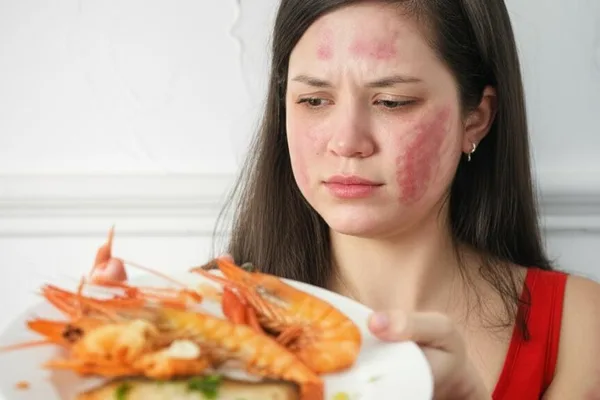
Some people experience itching, rashes, swelling of the lips, and sometimes difficulty breathing when they eat things like shrimp, squid, or crab. Do you also have a seafood allergy like this? Then this article will be very important for you. Because sometimes we think, 'Where is the fish in this?' and the things we eat and drink may contain these harmful seafood. So today, let's talk about how to live safely with this seafood allergy .
Seafood hidden in places we least expect
If you have a sensitivity to one type of seafood, your doctor may have advised you to avoid the others. But the problem is, sometimes we don't even know that the foods we eat contain seafood. This is what we call 'hidden ingredients.'
Imagine you're buying a bottle of sauce from the store. Do you think it might contain fish? Yes, some sauces contain fish, such as halibut. So, it's very important to read the label.
Be especially careful about food and drinks like this.
| Food type / product | Seafood that may be hidden |
|---|---|
| Worcestershire sauce and barbecue sauces that use it | May contain small fish such as anchovies. |
| Caesar salad and dressing | A sparrow paste is often used to prepare this. |
| Some types of sushi | Surimi is an artificial fish that looks like crab meat. This is also made from fish. |
| Fish sauce, fish oil and fish gelatin | As the name suggests, these are products made directly from fish. |
| Foods with added Omega-3 | Omega-3s are added to some eggs, yogurt, milk, soy drinks, and fruit drinks. The source is often fish oil. Check the label. |
| Caviar and fish roe | These are things that are obtained directly from fish. |
6 simple ways to avoid seafood allergies
Living with this allergy can be a challenge, but with a little care, you can stay safe. Here are some simple tips.
1. Be very careful when eating at the store.
Avoid going to seafood restaurants as much as possible. Because even if you order another dish, such as chicken, and they cook your dish in the same pan, spoon, or oil that they used to cook the seafood, a small amount of that seafood could end up in your food. We call this cross-contamination .
When going to any restaurant, clearly inform the person taking your order (the waiter) about your allergy . Please ask for separate, clean utensils (plates, spoons) and a separate area when preparing your food.
2. Stop bringing home and cooking seafood.
This may be a bit difficult. But it is important for your safety. Go to the store and choose the seafood yourself, bring it home, clean it, and do not cook it. If possible, ask someone else in the house to do this. Because some people can develop allergic symptoms even if they touch seafood or inhale the fumes from cooking it .
3. Don't try anything without asking your doctor.
This is the most important thing. Ask your doctor, "Is there a safe type of fish or seafood I can eat?" It may be possible for people who are allergic to only one type to eat another type.
However, never try a new type of fish on your own. It can cause severe allergic reactions , making it difficult to breathe, and can even be life-threatening. Talk to your doctor about everything and only do it on his or her advice.
4. Think twice before taking fish oil pills.
Many people take fish oil supplements because they think they are good for their health. But if you have a seafood allergy, be sure to ask your doctor before taking these. He or she will tell you whether it is right for you or not.
5. Find other ways to get Omega-3
Omega-3 is a fatty acid that is very beneficial for our heart and brain. We can get these not only from fish oil, but also from other plant foods.
- Dark green leafy vegetables like spinach
- Walnuts
- Flaxseed Oil
- Soy oil
- Canola oil
- Some types of microalgae (Microa LGA e), for example Spirulina (Spirulina)
Talk to your doctor or nutritionist about adding these things to your diet.
6. Make it a habit to read labels
Read the 'Ingredients' section of every food package or bottle you buy from the store. Sometimes, we might not expect these to be in biscuits, sauces, and snacks. Not only food, but also some skin creams (lotions), cosmetics, and some medicines may contain things like fish oil. So if you have any doubts, research the product before using it.
If you have a severe allergy, it can be a life-saving measure to always carry a prescription for emergency use, such as an adrenaline injection (such as an EpiPen), and make sure you and your family know how to use it. If you have a severe allergy, go to the nearest hospital emergency department (ETU) immediately.
Take-Home Message
- Read the label of every food you buy from the store carefully. Look for words like 'fish', 'shellfish', 'anchovies'.
- If you are eating out, make your allergies clear to the cooks and servers. Ask them to avoid cross-contact.
- Never try a new type of seafood without your doctor's advice. It can be dangerous.
- Your doctor is your best advisor when it comes to your diet, supplements, and how to protect yourself. Talk to him about everything.




💬 Comments (0)
No comments yet. Be the first to share your thoughts here.
Add Your Comment