
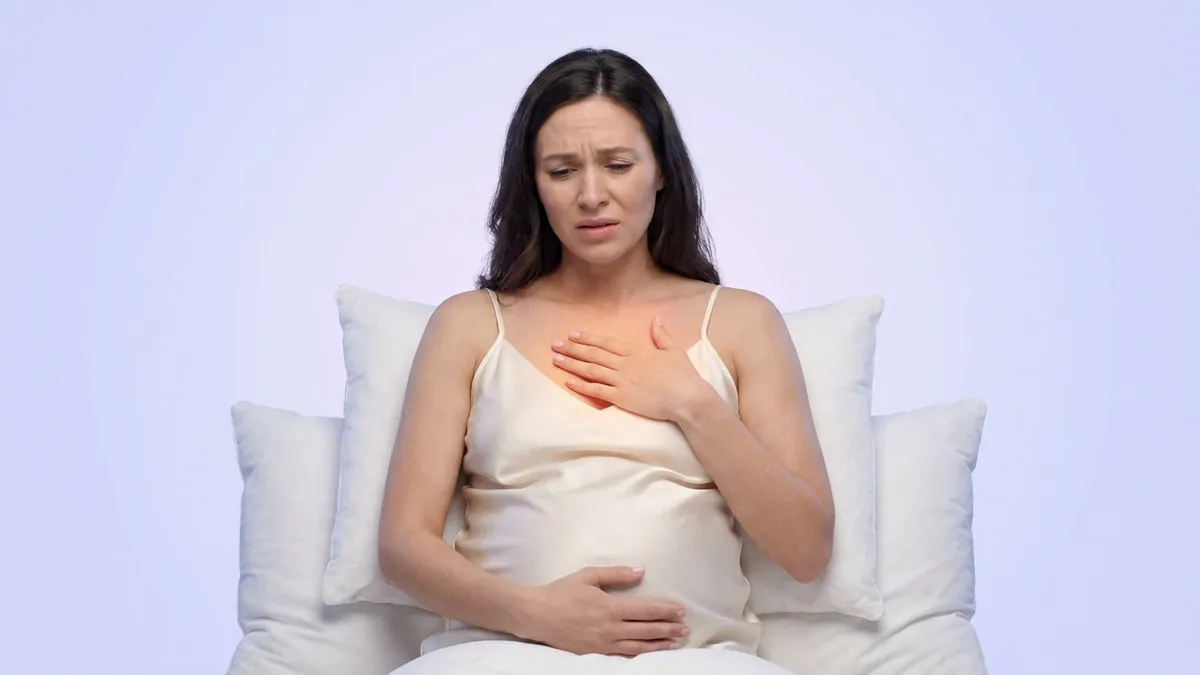
Are you familiar with the feeling of a burning sensation in your chest and a sour taste in your throat after eating while you are expecting a baby? Sometimes this can be so annoying that it wakes you up at night. This is common for many expectant mothers. Although it is medically called 'heartburn', it has nothing to do with your heart, so try not to worry. Let's talk about this in a simple, clear, and comforting way today, sitting face-to-face as we would in our clinic.
📌 Key Takeaways at a Glance
- Heartburn during pregnancy affects a large percentage of expectant mothers, especially as the pregnancy progresses into the third trimester.
- It is primarily triggered by hormonal changes (like increased progesterone) and physical pressure from your growing uterus.
- Simple dietary adjustments, eating smaller meals, and avoiding lying down right after eating can provide significant relief.
- Always consult your Primary Care Physician (PCP), family GP clinic, or obstetrician before taking over-the-counter antacids or medications.
- Seek immediate medical evaluation if you experience severe, unrelenting chest pain, breathing difficulties, or symptoms accompanied by high blood pressure.
Free pregnancy due date calculator. Enter your last period date or conception date to find your EDD, current trimester, and key milestones.
Heartburn During Pregnancy: What Exactly Is It?
Heartburn during pregnancy is a common digestive discomfort where stomach acids flow upward into the esophagus, creating a burning sensation in the chest and throat, typically driven by hormonal relaxation of the lower esophageal sphincter and increasing abdominal pressure.
Simply put, this happens when the acids in our stomach flow upward into the food pipe, known medically as the esophagus. This is what we call 'acid reflux'. When these strong digestive acids hit the lining of the esophagus, we feel that uncomfortable burning sensation right behind the breastbone.
This condition can occur in anyone, but it is much more likely to happen during pregnancy due to hormonal changes in our bodies and the physical pressure placed on the stomach as the baby grows. Medical studies show that between 30% and 80% of pregnant women experience heartburn at some point. This means you are definitely not alone in feeling this. If you had heartburn in a previous pregnancy, or experienced similar issues before becoming pregnant, you are more likely to encounter it this time around. However, for many mothers-to-be, this is completely new territory.
At What Stage of Pregnancy Is Heartburn Most Felt?
You can experience this burning sensation in your chest at any time during your pregnancy journey. Having said that, it is most frequently felt in the third trimester—the final three months. Think about it for a second: your uterus is at its largest size during this phase, putting direct pressure on your stomach and pushing stomach contents upward. As your pregnancy progresses week by week, you might notice that the frequency and intensity of this discomfort increase. Pretty surprising how much our anatomy shifts, right?
What Are the Symptoms of Chest Inflammation?
These symptoms usually make an appearance within 30 minutes to an hour after finishing a meal, though they can sometimes show up later. The discomfort often changes depending on your posture. For instance, you will likely notice that the burning sensation flares up significantly if you bend over to pick something up or lie flat down on your bed right after eating. Have you ever noticed how quickly symptoms flare up the moment you lie down? That is a classic indicator.
| Symptom / Stage | Clinical Explanation & Recommended Action |
|---|---|
| Burning sensation behind the breastbone | Occurs when stomach acid irritates the esophageal lining. Relief can often be found by staying upright after meals and elevating your upper body while sleeping. |
| Sour or bitter taste in the mouth | Caused by gastric fluids reaching the back of the throat. Rinse your mouth with water and avoid acidic or spicy foods that trigger this reaction. |
| Worsening symptoms in the third trimester | Driven by maximum uterine size pressing against the stomach. Transition to eating five or six smaller, frequent meals throughout the day rather than three large ones. |
| Nighttime coughing or throat irritation | Triggered by acid migration while lying flat. Use extra pillows or a wedge pillow to keep your head and shoulders elevated during sleep. |
Although this inflammation can be quite painful and annoying, it is usually harmless to your overall health and your baby's development. But what exactly causes it deep down inside our bodies? Let's take a closer look.
Why Does This Happen During Pregnancy? What Are the Causes?
This discomfort is mainly due to the wonderful, necessary changes that occur in our bodies to help our baby grow strong and healthy. Let's break down the primary culprits:
- Hormonal changes: During pregnancy, our hormone levels shift dramatically. In particular, the hormone progesterone surges. Progesterone acts as a smooth muscle relaxant, slowing down our entire digestive system so that nutrients can be absorbed more efficiently by the baby. However, when food takes longer to digest, it naturally leads to bloating, heartburn, and constipation. Makes sense, right?
- Lower Esophageal Sphincter (LES) Relaxation: Imagine the lower esophageal sphincter as a tight gate or valve sitting right between your stomach and your esophagus. Normally, when you swallow, this gate opens to let food into the stomach and then snaps shut tightly to keep stomach acids from escaping upward. Unfortunately, that same pregnancy hormone, progesterone, causes this muscle gate to relax too much, allowing stomach acids to slip through easily.
- Enlarged uterus: As your baby grows day by day, your uterus expands right along with them. This growing uterus places physical pressure on all your abdominal organs, especially your stomach. This crowding pushes stomach contents upward toward your chest. This is precisely why heartburn tends to peak during the third trimester.
What Can Be Done to Relieve This Discomfort?
If you need quick relief from that nagging burn, there are several safe, practical steps you can take at home:
- Eat smaller, frequent meals: Instead of three large meals that fill your stomach to the brim, try grazing on five or six smaller portions throughout the day. This keeps your stomach from becoming overly full and reduces pressure on that relaxed valve.
- Stay upright after eating: Resist the urge to lie down or take a nap right after lunch or dinner. Give your body at least two to three hours to digest your food before reclining.
- Elevate your head during sleep: Use an extra pillow or a specialized wedge pillow to raise your upper body by about six to eight inches when sleeping. Gravity will naturally help keep stomach acids where they belong.
- Wear loose, comfortable clothing: Avoid tight belts, waistbands, or restrictive maternity wear that puts extra squeeze on your abdomen.
Can I Take Antacids That I Can Buy at the Pharmacy?
You might be wondering if you can just pop over to your local pharmacy in the US, UK, Canada, or Australia and pick up some over-the-counter antacids. Many antacids containing calcium or magnesium are generally considered safe during pregnancy and can neutralize stomach acid quickly. However, we always advise you to check with your Primary Care Physician (PCP), family GP, or midwife before taking any over-the-counter medications, herbal remedies, or supplements. Some medications may contain ingredients or sodium levels that are not ideal during pregnancy, so a quick chat with your healthcare provider ensures complete safety for you and your little one.
What Can I Do to Prevent This Chest Pain?
Prevention is often the best medicine when it comes to pregnancy heartburn. Here are some everyday adjustments you can easily build into your routine:
- Identify and avoid your personal triggers: Common culprits include spicy foods, citrus fruits, tomatoes, chocolate, peppermint, and caffeinated or carbonated drinks. What do you think your main triggers are? Pay attention after meals and note what sets off the burn.
- Drink fluids between meals rather than during them: Chugging large glasses of water right alongside your food can stretch your stomach and provoke acid reflux. Instead, sip fluids steadily between meals.
- Try a soothing cup of ginger or chamomile tea: Many mothers find that warm, non-caffeinated herbal teas help calm their digestive tract.
✔️ What You Should Do & ❌ What to Avoid
- Do eat slowly and chew your food thoroughly to aid digestion.
- Do keep a food and symptom diary to track what triggers your heartburn.
- Do consult your family doctor or obstetrician before taking any pharmacy medications.
- Don't lie down flat immediately after eating a meal.
- Don't consume large, heavy meals right before bedtime.
- Don't rely heavily on spicy, greasy, or highly acidic foods.
When Should You See a Doctor?
While heartburn is a normal and expected part of many pregnancies, there are times when you should reach out to your clinic. If your heartburn is severe, persistent, wakes you up regularly at night, does not respond to basic lifestyle changes, or causes difficulty swallowing, make sure to schedule an appointment with your Primary Care Physician (PCP) or family GP clinic. We can evaluate your symptoms and recommend safe, prescription-strength options if necessary.
Is There a Connection Between Heartburn and Preeclampsia?
Many expectant mothers worry whether severe upper abdominal discomfort or burning could be linked to more serious conditions like preeclampsia. While standard heartburn is a localized burning sensation in the chest and throat caused by acid reflux, upper abdominal pain—specifically pain in the right upper quadrant just below your ribs—can sometimes be a symptom of preeclampsia (a pregnancy-related condition involving high blood pressure and potential organ stress). If your discomfort feels less like a burning chest sensation and more like a sharp, persistent pain or pressure in your upper abdomen, accompanied by severe headaches, vision changes, or sudden swelling in your face and hands, do not hesitate to contact your doctor immediately.
🚨 When to Seek Immediate Emergency Care (Red-Flag Symptoms)
If you or someone near you develops any of these red-flag symptoms, do not wait — call 911 (or 999 in the UK / 000 in Australia) immediately or go straight to the nearest hospital Emergency Room (ER / A&E):
- Severe, crushing, or unrelenting chest pain that radiates to your arm, neck, or jaw.
- Sudden shortness of breath, severe difficulty breathing, or dizziness and fainting.
- Vomiting blood or passing black, tarry stools.
- Severe upper abdominal pain accompanied by a sudden headache, vision blurring, or rapid swelling (potential signs of preeclampsia).
💡 Key Take-Home Message
- Heartburn during pregnancy is extremely common and usually harmless, stemming from normal hormonal shifts and physical pressure from your growing baby.
- Making simple lifestyle adjustments, such as eating smaller meals, avoiding late-night snacking, and elevating your head while sleeping, offers wonderful relief.
- Always speak with your doctor or midwife before taking any over-the-counter medications or antacids to ensure they are safe for your pregnancy.






No comments yet. Be the first to share your question or experience below.