
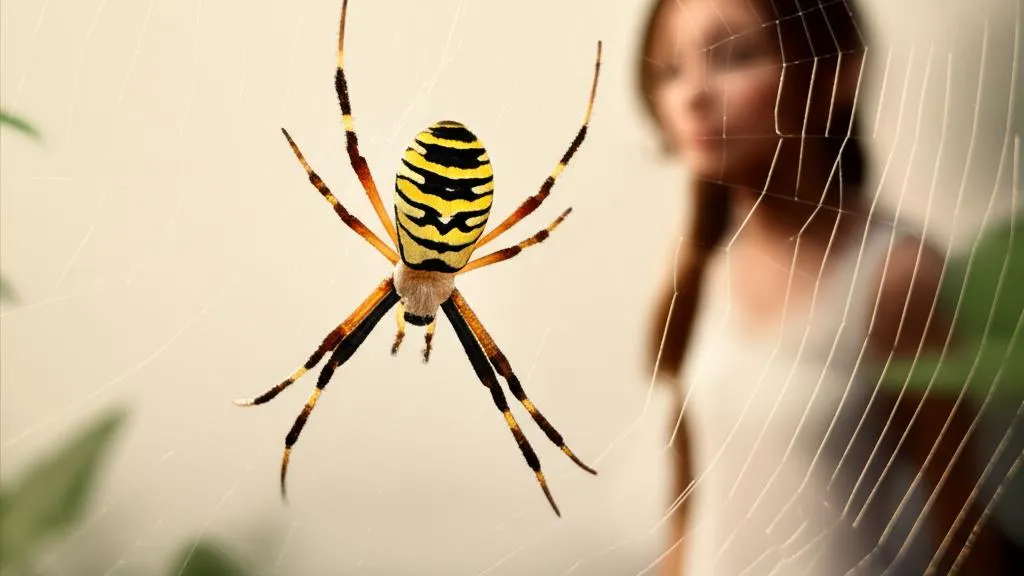
Just last week in my family clinic, a worried father brought in his eight-year-old son after the boy accidentally brushed against a massive circular web in their tomato patch and felt a sharp pinch on his forearm. Held tightly in a glass jar in the dad's hand was a striking, thumb-sized yellow and black spider, and his very first words to me were, "Doctor, are garden spiders venomous, and is my son in danger?" As I examined the boy's arm—which showed only a tiny red bump no worse than a mild bee sting—I was able to immediately put them both at ease. It is completely natural for your heart to skip a beat when you spot an intimidatingly large spider right outside your back door, isn't it? Yet once we separate backyard myths from medical reality, you will see why these remarkable creatures are actually some of the safest and most helpful neighbors you could ask for.
📌 Key Takeaways at a Glance
- Venomous vs. Dangerous: While garden spiders do produce mild venom to paralyze tiny flying insects, their venom is not toxic or medically dangerous to humans or family pets.
- Extremely Shy Nature: Also known as writing spiders or zipper spiders, these orb weavers are timid and only bite if they are accidentally pinched, trapped against skin, or grabbed.
- Mild Symptoms Only: A rare defensive bite feels like a brief pinprick or mild bee sting, causing slight redness and localized swelling that fades within a couple of days.
- Simple Home Care Works: Washing the area with mild soap and water, applying a cold compress, and using an over-the-counter antihistamine or hydrocortisone cream is almost always enough.
- Natural Pest Control: Leaving garden spiders alone in your yard helps eliminate hundreds of disease-carrying mosquitoes, flies, and garden pests every week.
Are Garden Spiders Venomous or Harmful to Humans?
Yes, garden spiders are technically venomous because they use mild venom glands to paralyze insect prey, but they are not harmful or dangerous to humans. Their prey-specific neurotoxins cannot damage human tissue or nervous systems, meaning an accidental bite typically causes only minor, short-lived redness similar to a bee sting.
When patients ask us doctors, "Are garden spiders venomous or poisonous?", it helps to clear up a common mix-up in everyday language. Almost all spiders on Earth possess tiny venom glands connected to their fangs (chelicerae) so they can subdue bugs for dinner. However, "venomous" does not automatically mean "deadly to people." Now that makes a lot of sense when you think about it, right?
The venom produced by common garden spiders contains specialized proteins designed exclusively to immobilize small invertebrates like grasshoppers and flies. In human beings, this fluid lacks the chemical potency required to cause systemic poisoning (toxidrome) or skin breakdown (dermonecrosis). Even if a large female garden spider manages to pierce your skin, the medical effect is strictly local and self-limiting. Unless a person has a rare, severe allergy to arthropod venoms, a garden spider poses zero threat to your long-term health.
Who Is the Garden Spider? (Identifying Yellow, Black, and White Spiders)
Have you ever walked outside on a dewy late-summer morning, looked between your hydrangeas or porch railings, and wondered, "What spider is this?" What most people call the common garden spider belongs to the orb-weaver family (Araneidae), most notably the yellow and black garden spider (Argiope aurantia) in North America, the St Andrew's Cross spider in Australia, and the wasp spider or European garden spider (Argiope bruennichi and Araneus diadematus) across the UK and Europe.
You will often hear folks call them "writing spiders," "zipper spiders," or "corn spiders." Why so many nicknames? When they finish spinning their wide circular web, they weave a thick, bright white zig-zag ribbon of silk right down the center (known scientifically as a stabilimentum) that looks just like a coat zipper or handwritten letters. Pretty fascinating, isn't it?
Are Small Yellow Spiders, White Spiders, or Black Spiders in the Garden Dangerous?
Because spiders come in so many striking colors, patients frequently ask us if specific shades signal danger. Let us break down what those colors really mean in your yard:
- Yellow and Black Striped Spiders: In the insect world, bright yellow and black stripes mimic wasps to scare away hungry birds. On an orb-weaving spider, these bold colors are purely a visual bluff—the spider itself is completely harmless.
- White or Pale Yellow Flower Spiders: If you spot a small white or pale yellow spider hiding inside a rose or daisy, you are almost certainly looking at a goldenrod crab spider (Misumena vatia). These clever little hunters can slowly change their body color between white and yellow to camouflage with flower petals, and their tiny fangs cannot even pierce human skin. Small indoor yellow sac spiders (Cheiracanthium) can occasionally give a sharp, stinging nip if trapped in bedding, though research confirms they do not cause dangerous tissue decay.
- Shiny Black Spiders (Garden Spider vs. Black Widow): This is the one color where we doctors advise extra caution. While harmless black jumping spiders and dark house spiders are everywhere, you should never touch a glossy, jet-black spider with a rounded, bulbous abdomen hiding in dark woodpiles, meter boxes, or shed corners. In the US and Canada, the Black Widow (Latrodectus species) displays a reddish-orange hourglass on its underside; in Australia, its close cousin the Redback spider has a red stripe on its back. Unlike garden spiders that hang proudly in the middle of sunny, open webs, widow spiders build messy, tangled cobwebs low to the ground in dark crevices.
What Do Garden Spiders Eat—and Are There Health Benefits to Having Them Around?
Think about it for a second: why does a garden spider build its web right next to your patio lights or vegetable beds? Simply put, that is where the buffet is! Their large, wheel-shaped webs act as highly efficient biological air filters for your yard.
Every single day, a garden spider traps and consumes mosquitoes, biting midges, houseflies, aphids, wasps, and grasshoppers. When an insect hits the sticky spiral threads, the spider rushes over, delivers a quick immobilizing bite, and wraps the bug tightly in silk. By naturally reducing the population of mosquitoes around your home, these spiders indirectly help lower your family's exposure to mosquito-borne illnesses like West Nile virus or Ross River virus.
What about people who search online asking if there are direct "benefits of a spider bite"? Let us clear that myth up right away! Getting bitten by a spider does not give you superpowers or health benefits in real life. However, scientists in pharmacology labs are actively studying orb-weaver silk for surgical sutures and investigating isolated spider venom peptides to see if they might one day help create non-addictive pain medications. So while you definitely do not want to get bitten on purpose, these arachnids are genuine allies to human medicine and backyard health.
Do Garden Spiders Bite People? (Understanding the "Zipper Spider Bite")
Remember how we talked earlier about that eight-year-old boy who brushed into a web in his dad's tomato garden? His story illustrates the only scenario in which a zipper spider bite ever happens: accidental physical compression.
Garden spiders have zero interest in biting humans. We are far too large to be food, and biting us wastes precious venom that takes energy for the spider to produce. When you walk near their web, a garden spider's first instinct is to either drop on a safety thread into the grass below or rapidly vibrate its web back and forth to blur its outline so predators cannot see it clearly. Have you ever seen a spider shake its web like that when you got too close?
A defensive bite occurs only when the spider is trapped directly against your skin—for example, if you reach deep into denseberry bushes without gloves, carry an armful of pruned branches, or accidentally sit on one. Even then, many "dry bites" occur where the spider strikes defensively without injecting any venom at all.
Garden Spider Bite vs. Medically Significant Spider Bites: How to Tell the Difference
When you find an itchy or sore bump on your skin after working outside, it is natural to wonder whether it came from a harmless orb weaver or something that requires a doctor's visit. This side-by-side clinical comparison shows what we doctors look for during an exam:
| Spider Type & Bite Feature | Clinical Symptoms & Action Steps |
|---|---|
| Common Garden / Zipper Spider Bite (Argiope & Araneus species) |
Causes an immediate, mild pinprick or stinging sensation similar to a bee or wasp sting. You may see a small red bump, slight localized swelling, and mild itching or tenderness that fades within 24 to 48 hours. What you should do: Wash gently with soap and cool water, apply an ice pack wrapped in a cloth for 10 minutes, and manage itchiness with an over-the-counter antihistamine or hydrocortisone cream. |
| Widow / Redback Spider Bite (Latrodectus species) |
Often starts as a sharp pinprick followed by two tiny fang marks and pale redness. Within 30 to 120 minutes, neurotoxic venom (latrodectism) can cause dull aching that spreads to the back, chest, or abdomen, accompanied by painful muscle cramps, heavy sweating at the bite site, nausea, and restlessness. What you should do: Keep calm, apply a cold pack (or follow Australian Redback first-aid guidelines), and seek prompt medical assessment at your nearest hospital Emergency Room (ER / A&E) for pain control and possible antivenom evaluation. |
| Recluse Spider Bite (Loxosceles species — specific US regions) |
Usually painless at first or feels like a minor sting. Over 24 to 72 hours, the area may develop a "bull's-eye" appearance with a pale or bluish center surrounded by redness, occasionally progressing to a slow-healing skin ulcer (loxoscelism). What you should do: Clean the skin, elevate the limb, apply a cool compress, and visit your Primary Care Physician (PCP) / family GP clinic or local Urgent Care center within 24 hours for wound monitoring. |
| Australian Funnel-Web Spider Bite (Atrax & Hadronyche species — Australia only) |
Causes immediate, severe pain from large fangs, quickly followed by tingling around the mouth, tongue twitching, profuse sweating, excess saliva, and rapid systemic illness. What you should do: Treat as a life-threatening emergency. Apply a firm Pressure Immobilisation Bandage (PIB) immediately, keep the person completely still, and call 000 for an ambulance right away. |
| Secondary Skin Infection (Often Mistaken for a Bite) (Bacterial cellulitis or MRSA) |
Many patients come to our clinic blaming a spider when the culprit is actually a scratched bug bite or tiny thorn prick that became infected with skin bacteria. The area grows progressively hotter, redder, more swollen, and throbbing after day two, sometimes leaking pus or causing a fever. What you should do: Outline the red border with a pen to track spreading and see your family GP or Urgent Care center promptly, as you may need a course of prescription oral antibiotics. |
What Should You Do If a Garden Spider Bites You? (Step-by-Step First Aid)
If you or your child gets nipped by a garden spider while tending the yard, take a slow, deep breath. You can handle 99% of these bites right at home with items already sitting in your bathroom cabinet. Follow these simple medical steps:
- Clean the Bite Site Thoroughly: Wash the skin gently with mild household soap and lukewarm running water for at least 30 seconds. Spiders walk across soil and decaying insects, so washing away surface bacteria is the best way to prevent a secondary skin infection (cellulitis).
- Apply a Cool Compress: Wrap an ice pack or a bag of frozen peas in a clean kitchen towel and rest it over the bite for 10 to 15 minutes at a time. Cold narrows local blood vessels (vasoconstriction), which quickly calms down swelling, redness, and that warm, throbbing sensation.
- Elevate the Area: If the bite is on a hand, arm, foot, or lower leg, propping it up on a pillow while you relax on the couch helps drain excess fluid swelling (edema).
- Soothe the Itch and Ache: If the bump becomes itchy like a mosquito bite, dab on a small amount of over-the-counter 1% hydrocortisone cream or take a non-drowsy oral antihistamine such as cetirizine or loratadine. For mild soreness, standard paracetamol / acetaminophen or ibuprofen taken according to package directions works wonders.
- Check Your Tetanus Status: Because any break in outdoor skin can theoretically introduce soil bacteria, we doctors always recommend making sure your routine tetanus booster is up to date (within the last 10 years). If you cannot remember your last shot, simply check in with your Primary Care Physician (PCP) / family GP clinic during regular hours.
✔️ What You Should Do & ❌ What to Avoid
- ✔️ DO snap a quick, safe photo of the spider from a distance: If you were bitten and are unsure what kind of spider it was, taking a clear smartphone photo helps your doctor identify it quickly without putting anyone at risk of a second bite.
- ✔️ DO keep fingernails trimmed and clean: Especially with young kids, scratching an itchy bite breaks the protective skin barrier and invites staph or strep bacteria in.
- ❌ DON'T ever cut the skin or try to "suck out" spider venom: Old movies love showing this trick, but in real life it does zero good, damages delicate tissue, and introduces mouth bacteria straight into the wound.
- ❌ DON'T apply tourniquets or tight bands for garden spider bites: Cutting off blood flow can cause serious tissue injury. (Note: In Australia, a firm elastic Pressure Immobilisation Bandage is used only for suspected Funnel-Web or Mouse spider bites, never for common garden orb weavers or Redbacks).
- ❌ DON'T put butter, toothpaste, or harsh chemicals on the bite: Stick to soap, water, cold packs, and pharmacy-approved soothing creams.
🚨 When to Seek Immediate Emergency Care (Red-Flag Symptoms)
While a common garden spider bite is harmless, severe allergic reactions (anaphylaxis) can rarely occur with any venom, and dangerous spiders can sometimes be misidentified in dim light. If you or someone near you develops any of these red-flag symptoms, do not wait — call 911 (US & Canada), 999 or 111 (UK), or 000 (Australia) immediately or go straight to the nearest hospital Emergency Room (ER / A&E):
- Signs of a severe allergic reaction (anaphylaxis): Difficulty breathing, wheezing, shortness of breath, tightness in the throat, hoarse voice, or trouble swallowing.
- Rapid facial swelling: Visible swelling of the lips, tongue, eyelids, or face shortly after the bite.
- Whole-body (systemic) neurotoxic symptoms: Severe, spreading muscle cramps or rigidity in the stomach, back, or chest, profuse sweating, tremors, or intense nausea and vomiting.
- Dizziness or fainting: Feeling lightheaded, confused, weak, or experiencing a sudden drop in blood pressure.
- Worsening skin changes after 48 hours: An expanding area of hot, angry redness, red streaks traveling up the arm or leg, pus draining from the site, a dark purple or black center forming on the skin, or a new fever and chills.
Why Are Spiders in My House and Yard—and Do You Need to Remove Them?
Have you ever noticed that late August through October seems to bring a sudden boom in large spiders around your porch and windows? Many people ask us why spiders suddenly appear around their home and whether an exterminator is needed.
Here is what is actually happening: baby garden spiders hatch from their silk egg sacs in the spring when they are tiny as a grain of rice. All summer long, they quietly eat pests and grow bigger. By late summer and early autumn, they reach full adult size and spin larger webs to prepare for mating season—which is simply why you finally notice them! Meanwhile, the common brown house spiders you see scurrying across your living room carpet in autumn are usually mature males wandering indoors in search of a mate, or following indoor insects drawn to your house lights.
Do you need to spray pesticides or remove garden spiders from your yard? Not at all. In fact, spraying broad-spectrum chemical insecticides around your garden kills beneficial pollinators like honeybees and wipes out the very spiders that keep mosquitoes at bay. If a garden spider builds her web right across your front steps, mailbox, or kids' playset, you can relocate her in less than a minute:
- Put on a pair of thick gardening gloves and use a long broom handle or leafy branch to gently wind up the web and lift the spider onto a bush or hedge along the edge of your yard.
- Alternatively, wait until evening or early morning, gently sweep down the empty web with a broom without harming the spider, and she will naturally take the hint and rebuild her new home in a quieter spot the very next day.
- To keep wandering spiders out of your living room, simply seal gaps under exterior doors with weatherstripping, repair torn window screens, and switch outdoor porch bulbs to warm yellow "bug lights" that attract fewer flying insects.
💡 Key Take-Home Message
- Fear Not the Zipper Web: Large yellow and black garden spiders look dramatic, but they are docile, non-aggressive neighbors whose venom cannot seriously harm humans or pets.
- Respect Their Space: Wear gardening gloves when reaching into thick shrubs, woodpiles, or tall grass to avoid startling a hidden spider into a defensive nip.
- Keep First Aid Simple: Soap, water, a cold pack, and an over-the-counter antihistamine are all you need for a routine garden spider bite.
- Know Your Local Exceptions: Learn to recognize the few genuinely medical spiders in your region (such as the Black Widow or Brown Recluse in North America, or the Redback and Funnel-Web in Australia) and seek medical care if systemic or infectious symptoms appear.



No comments yet. Be the first to share your question or experience below.