

Have you ever eaten a meal and felt unusually uncomfortable, heavily bloated, or full even after eating only a tiny amount? Do you often experience sudden waves of nausea or vomiting shortly after you finish eating? If these signs sound familiar, you might benefit from learning about a medical condition called gastroparesis. Let us explore this topic in plain, simple English so you can understand exactly what happens inside your body.
BMI Calculator
Know your body mass index (BMI) and weight classification
What Is Gastroparesis? Simply Put...
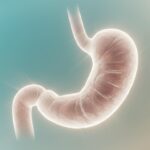
Gastroparesis is a medical term that essentially means your stomach is underactive and slow to empty. Specifically, it is a condition that affects the nerves and muscles inside your stomach. When you eat food, your stomach muscles normally contract and relax in a coordinated wave to break down food and push it onward into your small intestine. This normal muscle movement is called peristalsis. When you have gastroparesis, your stomach nerves and muscles do not work properly. As a result, food gets stuck in your stomach and fails to empty as it should, disrupting your entire digestive process.
Think of it like a water motor. If the switch does not work or if the motor itself is broken, the water cannot flow into your tank. That is very similar to how your stomach works when digestion slows down.
People with this condition face daily physical discomfort and potential long-term health challenges. You might experience a complete lack of appetite, poor nutrient absorption, and significant difficulty managing your blood sugar levels. Sometimes, even after food leaves the stomach, partially digested bits can remain behind. Over time, these leftover food pieces can clump together and harden into a solid mass known as a bezoar, which can cause further digestive blockages.
Are There Different Types of Gastroparesis?
Yes, medical professionals generally classify this condition based on its underlying cause.
- Diabetes-related Gastroparesis: A secondary complication that can develop in people living with diabetes mellitus.
- Post-surgical Gastroparesis: A condition that arises as a complication following stomach or abdominal surgery.
- Idiopathic Gastroparesis: A diagnosis given when doctors cannot find a clear, clear cause for the condition.
Which Type Is Most Common?
In many cases, about one quarter to half of all gastroparesis patients fall into the idiopathic category. This means doctors cannot pinpoint the exact root cause of the slowdown. However, some of these cases may involve underlying factors that simply went undetected. Diabetes remains the single leading known cause of this condition, accounting for roughly one third of all diagnosed patients.
Key Takeaways About Gastroparesis.
- Gastroparesis occurs when your stomach muscles and nerves slow down, delaying normal stomach emptying.
- Common signs include severe bloating, early fullness, nausea, and unpredictable blood sugar swings.
- Diabetes and prior abdominal surgeries are among the most frequent recognized causes of the condition.
- Doctors use specialized tests like gastric emptying scans to confirm the diagnosis.
- Dietary adjustments, medicines, and lifestyle changes can help you manage symptoms and improve your quality of life.
What Are the Symptoms of Gastroparesis?
When you have this condition, you may experience one or more of the following physical signs:
- Indigestion: A persistent feeling that your food is simply not digesting properly.
- Bloated stomach: Your abdomen feels swollen, tight, and distended throughout the day.
- Early fullness and prolonged discomfort: You feel full after eating just a few bites, and that heavy feeling lingers for hours. Imagine eating a small bowl of rice in the morning and still feeling completely stuffed by lunchtime.
- Upper abdominal pain: A dull or sharp ache in the upper region of your belly.
- Nausea and vomiting: Waves of sickness that may include expelling undigested food particles.
- Regurgitating whole pieces of undigested food: Food comes back up into your mouth hours after eating.
- Loss of appetite: A complete disinterest in eating because your stomach never feels empty.
- Acid reflux and heartburn: Stomach acid flowing upward into your throat and causing a burning sensation.
- Blood sugar fluctuations: Unpredictable spikes and drops in your glucose levels.
- Constipation: Infrequent or difficult bowel movements linked to overall slow digestion.
How Does Gastroparesis Feel on a Daily Basis?
Because your stomach muscles fail to function normally, food stays inside your stomach for a very long time after you eat. You might experience a sudden sensation of fullness as soon as you start your meal, and that feeling stays with you for hours. Stomach cramps, nausea, and vomiting can appear unexpectedly. Your abdomen may feel tight and bloated. This acid reflux can trigger painful heartburn as stomach acid travels up your esophagus.
Is This a Painful Condition?
Gastroparesis symptoms vary greatly from person to person. A small group of patients reports ongoing abdominal pain so severe that it interferes with daily activities. However, researchers have found no direct correlation between the intensity of pain a person feels and the actual severity of the gastroparesis or the exact speed of stomach emptying. Some people experience greater pain due to heightened nerve sensitivity or specific underlying causes.
How Does Gastroparesis Affect Bowel Movements?
Because gastroparesis slows down your entire digestive tract, bowel movements can also become delayed and sluggish. Large, undigested food particles can pass into your intestines, making them difficult to eliminate comfortably. While gastroparesis does not directly impair intestinal muscle movement, many underlying conditions that cause gastroparesis also affect the lower gut. so, many people experience gastroparesis and constipation at the same time.
What Is the Primary Cause of Gastroparesis?
Put simply, damage to the nerves that control your stomach muscles is the primary cause of gastroparesis. In rarer cases, damage to the muscle tissue itself can be responsible. Ultimately, the result is weak stomach contractions that fail to mash food and push it downward. This leads to delayed gastric emptying, meaning food stays trapped in your stomach for much longer than normal.
What Are the Specific Causes of Gastroparesis?
Medical science has identified several specific triggers and underlying conditions associated with this disorder:
1. Diabetes Mellitus.
Roughly one third of people living with diabetes eventually develop gastroparesis. This occurs due to diabetic neuropathy, where long-term high blood sugar levels damage nerve fibers throughout the body. also, high glucose levels damage the tiny blood vessels that supply oxygen to your tissues. This dual damage impacts both the nerves and the muscles of your stomach.
2. Surgery.
Surgeries performed on or near your stomach can accidentally injure the vagus nerve, which runs down your digestive tract and coordinates stomach movement. This complication can appear right away after surgery or manifest months and years later. Procedures associated with this risk include:
- Nissen fundoplication (anti-reflux surgery) .
- Gastrectomy (partial or total removal of the stomach) .
- Pancreatectomy (partial or total removal of the pancreas) .
- Vagotomy (cutting the vagus nerve) .
- Cholecystectomy (removal of the gallbladder) .
3. Infections.
Digestive tract infections, especially viral illnesses (such as norovirus or rotavirus) and certain bacterial infections, can trigger gastroparesis. Scientists believe these infections may directly harm stomach nerves, or that an overactive immune response fighting the infection accidentally damages nearby nerve cells.
4. Autoimmune Disease.
In autoimmune conditions, your body’s immune system mistakenly produces autoantibodies that attack healthy cells. Recent research shows these autoantibodies can target and damage stomach nerves. Even if you have no other autoimmune symptoms, this immune reaction can still lead to gastroparesis.
5. Drugs and medicines.
Certain prescription drugs, over-the-counter medicines, and substances can block the nerve signals that control stomach muscles, causing temporary or long-lasting gastroparesis. If you have been diagnosed with gastroparesis, doctors will typically advise you to avoid these substances:
- Opioids (narcotic pain medicines) .
- Nicotine found in tobacco products .
- Marijuana and cannabis products .
- Tricyclic antidepressants .
- Progesterone hormones .
- Anticholinergic allergy and bladder medicines .
- Calcium channel blockers for high blood pressure .
- Amylin analogs and GLP-1 receptor agonists used for type 2 diabetes .
- Cyclosporine (anti-rejection medicine after organ transplants) .
- Clonidine for blood pressure management .
- Lithium for bipolar disorder .
- Certain antipsychotic medicines .
6. Other Less Common Causes.
Rare conditions that can contribute to delayed stomach emptying include:
- Neurological diseases: Parkinson’s disease, multiple sclerosis, and autonomic dysfunction can impair stomach nerve signaling.
- Collagen-vascular diseases: Amyloidosis, scleroderma, lupus, and Ehlers-Danlos syndrome can weaken smooth muscle tissue.
- Endocrine disorders: Thyroid disease, adrenal issues, electrolyte imbalances, and kidney failure can disrupt the chemical balance required for nerve function.
- Cystic fibrosis: Thick mucus buildup slows down the entire digestive tract, and studies show roughly one third of cystic fibrosis patients also experience gastroparesis.
What Are the Possible Complications of Gastroparesis?
Unmanaged gastroparesis can lead to several serious health complications:
- Weight loss, malnutrition, and dehydration: Ongoing nausea, vomiting, and loss of appetite can cause severe weight loss and nutritional deficiencies. Frequent vomiting can also lead to dehydration and dangerous electrolyte imbalances, sometimes requiring hospital care for intravenous fluids and nutrition.
- Acid reflux complications: Stomach bloating increases pressure, making it easy for stomach acid to wash back up into your esophagus. Over time, chronic acid exposure causes esophageal irritation and inflammation known as esophagitis.
- Blood sugar management challenges: Because food remains in your stomach unpredictably, glucose enters your bloodstream at irregular times. Delayed stomach emptying often causes low blood sugar, while sudden food release causes sharp blood sugar spikes. These fluctuations complicate diabetes management and can worsen gastroparesis symptoms.
- Bezoars and gastric outlet obstruction: A bezoar is a solid mass of trapped food and fibers inside the stomach formed from leftover food particles. If a bezoar grows too large, it can block the exit path at the bottom of your stomach, preventing any food from passing through. Doctors must dissolve or surgically remove these blockages.
How Is Gastroparesis Diagnosed?
A doctor will begin by reviewing your symptoms, medical history, and potential risk factors such as diabetes or prior surgeries. Next, they will perform imaging tests to rule out any physical blockages that could cause similar symptoms. If no physical blockage is found, they will order gastric motility tests to measure how well your stomach muscles are working.
Tests Used to Diagnose Gastroparesis.
Doctors first use imaging studies to check for physical obstructions:
- Upper endoscopy: Inserting a thin, lighted tube with a camera down your throat to inspect your stomach lining.
- Upper GI series: Drinking a barium contrast liquid while taking X-ray images of your digestive tract.
- CT scan: Detailed cross-sectional imaging of your abdomen.
- MRI: Advanced magnetic imaging of internal organs.
- Abdominal ultrasound: Sound wave imaging of your upper abdominal organs.
If imaging tests reveal no physical blockages, doctors evaluate stomach motility using specific gastric emptying studies:
- Gastric emptying scintigraphy (GES): A nuclear medicine test where you eat a meal or drink containing a harmless radioactive tracer so a scanner can track how fast food leaves your stomach.
- Gastric motility breath test (GEBT): A breath test measuring how quickly your body processes a special carbon-13 labeled meal by analyzing exhaled carbon dioxide (CO_2).
- Colon transit study: A test measuring how quickly material moves through your large intestine using swallowable marker capsules tracked by X-rays.
If your GES results are abnormal, your doctor may order an electrogastrogram (EGG) to record the electrical activity of your stomach muscles. Blood tests may also be ordered to check for signs of past infections or autoimmune autoantibodies.
What Are the Treatments for Gastroparesis?
Doctors cannot directly reverse nerve damage caused by gastroparesis, but they can provide treatments that stimulate stomach contractions and help empty food. medicines are typically the first line of defense. When medicines fail or are poorly tolerated, doctors explore other options like surgery. Every treatment plan is tailored to the person.
The primary goals of treatment include:
- Stimulating stomach muscle contractions and encouraging gastric emptying.
- Ensuring your body receives adequate nutrition and hydration.
- Controlling bothersome symptoms and treatment side effects.
- Managing underlying medical conditions to prevent further health decline.
Your treatment plan may include:
- Prescription medicines.
- Nutrition and fluid support.
- Surgical options when necessary.
- Targeted management of your underlying health conditions.
medicines.
Prokinetics are medicines that stimulate digestive tract movement and serve as the primary medical treatment for gastroparesis:
- Metoclopramide: Currently the only medicine approved by the US FDA for treating gastroparesis. It stimulates stomach contractions and helps reduce nausea. However, doctors monitor patients closely for neurological side effects such as tremors and muscle twitching.
- Motilin agonists: medicines such as erythromycin and azithromycin. Although primarily used as antibiotics, doctors prescribe them off-label to stimulate stomach emptying.
- Serotonin agonists: Drugs like tegaserod and prucalopride are designed to treat constipation by stimulating gut movement and are sometimes utilized for gastroparesis.
Additional supportive medicines include:
- Antiemetics to control nausea and vomiting.
- Proton pump inhibitors to manage acid reflux and heartburn.
- Pain relievers for significant abdominal discomfort.
- Specialized diabetes medicines to stabilize blood glucose levels.
Important: Never take any of these medicines without direct medical supervision. Always consult a qualified doctor to receive a personalized prescription and dosage schedule.
Nutrition.
Modifying your diet is essential. You will likely need to eat low-fat, low-fiber foods that are easier for a slow stomach to digest. If nutritional deficiencies develop, nutritional therapy may be required. Your doctor may recommend nutritional supplements, temporary tube feeding (enteral nutrition), or intravenous (IV) feeding (parenteral nutrition). IV fluids may also be necessary to correct dehydration and electrolyte imbalances.
Surgery.
Surgery is typically considered a last resort when all other medical therapies have failed. Surgical options help food pass more easily through the digestive tract:
- Pyloroplasty: A procedure that modifies your pylorus, the muscular valve at the bottom of your stomach. Surgeons cut and widen this valve to allow food to empty freely. A modern minimally invasive approach is G-POEM (gastric peroral endoscopic myotomy), performed via an endoscope inserted through your mouth without any external abdominal cuts.
- Gastric bypass: In severe cases, bypassing the lower stomach may be necessary. Surgeons create a new pathway connecting a smaller portion of the stomach directly to the small intestine (gastrojejunostomy). While gastric bypass is primarily used for weight loss and obesity-related type 2 diabetes, doctors may recommend it for severe, treatment-resistant diabetic gastroparesis.
What Is the Outlook for Gastroparesis?
Some people experience temporary gastroparesis triggered by short-term infections or temporary medicine use, and their stomach function returns completely to normal over time. However, for many people, gastroparesis is a chronic condition that cannot be cured but can be successfully managed with proper care. Finding the right combination of treatments takes time, and you may still experience occasional flare-ups. Your doctor will work closely with you to adjust your care plan as needed.
Is Gastroparesis Life-Threatening?
Gastroparesis itself is generally not life-threatening. However, severe complications—such as extreme malnutrition, dehydration, profound electrolyte imbalances, or erratic blood sugar swings in diabetes—can become dangerous if left untreated. Working closely with your healthcare team minimizes these risks. With proper medical management, most people live full, healthy lives.
How Can You Care for Yourself While Living with Gastroparesis?
Pay close attention to your symptoms and identify which foods or daily habits make you feel better or worse. Small lifestyle adjustments can make a significant difference in your daily comfort. Many patients find these self-care strategies helpful:
- Eat four to six smaller meals throughout the day instead of three large meals.
- Follow a specialized gastroparesis diet low in fat and fiber under the guidance of your doctor or a registered dietitian.
- Avoid alcohol, tobacco products, and recreational drugs, as these substances slow stomach emptying even further.
- Take a gentle walk or engage in light physical activity after meals to encourage healthy digestion.
Gastroparesis ranges from mild to severe and affects every person differently. While there is no instant cure, numerous treatment options exist to help you manage your symptoms effectively. Your doctor will partner with you to find a personalized care plan, and making thoughtful dietary and lifestyle changes will empower you along the way. Meanwhile, medical researchers continue to study new therapies to improve future care.
When to Seek Emergency Medical Care.
Call emergency services at 911 (US/Canada) or 999 (UK) or go to the nearest Emergency Department right away if you experience any of the following red flag symptoms:
- Inability to keep any fluids down for more than 24 hours due to persistent vomiting.
- Severe, sharp, or worsening abdominal pain that does not subside.
- Signs of severe dehydration, such as extreme dizziness, confusion, dark urine, or fainting.
- Vomiting blood or material that resembles dark coffee grounds.
| Management Area. | Recommended Choices (Do's). | Things to Avoid (Don'ts). |
|---|---|---|
| Meal Frequency. | Eat 4 to 6 smaller, frequent meals daily. | Avoid large, heavy meals that overload the stomach. |
| Dietary Content. | Choose low-fat and low-fiber foods that digest easily. | Avoid high-fat foods, raw vegetables, and bulky whole grains. |
| Habits & Substances. | Take gentle walks after eating to aid digestion. | Avoid smoking, alcohol, and cannabis use. |
| medicine Safety. | Review all prescriptions and supplements with your doctor. | Never take narcotic pain killers or unprescribed drugs. |
💡 Take-Home Message.
Gastroparesis is a condition where stomach emptying is greatly delayed, often caused by nerve damage linked to diabetes or prior surgery. Recognizing symptoms like severe bloating, nausea, vomiting, and upper abdominal pain is the first step toward getting professional medical help.
Do not panic. Gastroparesis can be successfully managed. With accurate diagnosis and proper medical care, you can maintain a good quality of life. Follow your doctor's guidance carefully and stay mindful of your nutrition and daily habits.





No comments yet. Be the first to share your question or experience below.