
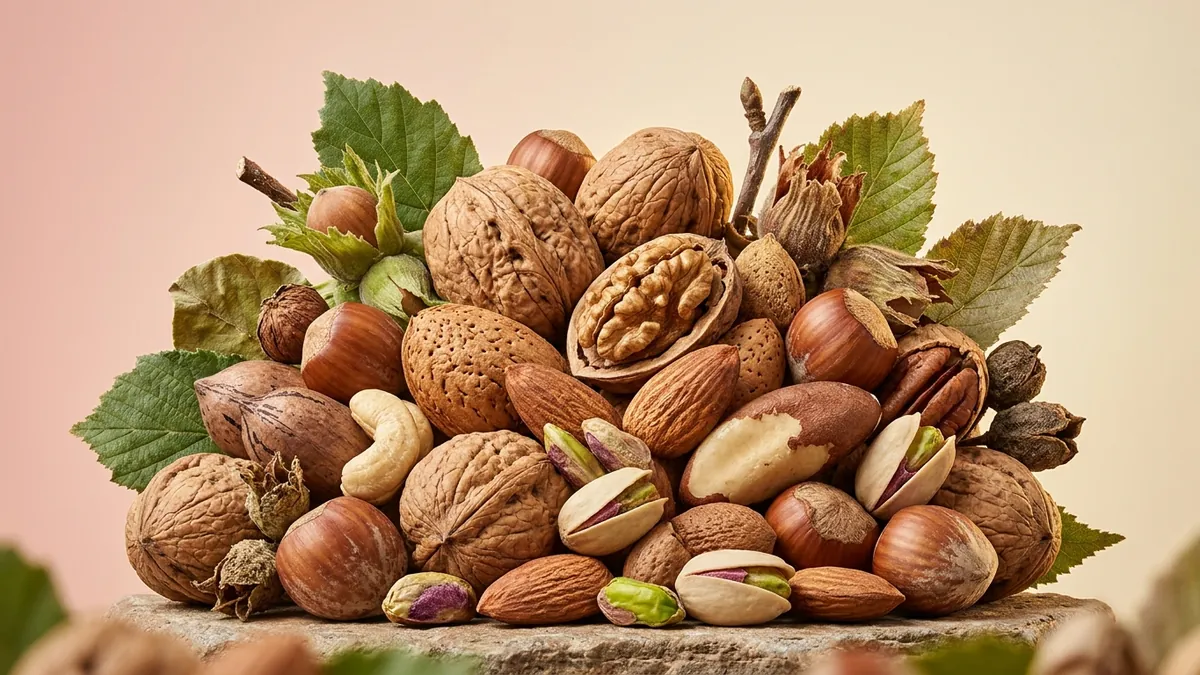
Whether we go to a store or a supermarket, nuts are something we often see. We love to eat things like cashews, peanuts, almonds, and walnuts because they taste good. But did you know that these foods not only taste good, but also have many health benefits that our bodies cannot even imagine? Simply put, nuts are not just something that tastes good, but they are a super food full of nutritional value. Today, let's talk about the real benefits of adding these nuts to our diet.
What are the benefits of eating nuts for our bodies?
Nuts are a highly nutritious food that contain many of the vitamins and minerals our bodies need. In particular, they contain a component called ALA omega-3 fatty acids . Some of the health benefits of these include helping to control conditions like rheumatoid arthritis and protecting against diseases like Alzheimer's.
In addition to this, let's look at some other key advantages.
| The main advantage | How does that happen? |
|---|---|
| Helps to lose weight. | Nuts are high in fat, which may make them unsuitable for those trying to lose weight. But they are actually high in unsaturated fats, which are good for the body. Eating them can help you feel full, which helps you avoid overeating. Studies have even shown that people who eat nuts regularly are less likely to gain weight. |
| Helps control diabetes | Research has found that people with Type 2 Diabetes who eat nuts more than five days a week can reduce their risk of heart disease by about 17%. Talk to your doctor about this. |
| Prevents heart disease | There is a strong link between nuts and heart health. People who eat nuts at least four times a week have a significantly reduced risk of coronary heart disease and myocardial infarction. |
| Controls cholesterol levels | Nuts help reduce bad cholesterol, or LDL cholesterol, and triglyceride levels in the body. When cholesterol levels are controlled, the risk of developing cardiovascular diseases like stroke is reduced. |
What nutrients are contained in nuts?
Nuts are a food rich in vitamin E. Vitamin E is a group of compounds with antioxidant properties. These help prevent cancer and protect against osteoporosis.
Simply put, nuts are not only a delicious snack, but also a nutritional bomb that strengthens our body's immune system.
In addition, nuts are also rich in the following nutrients:
- Folate
- Magnesium
- Potassium
- Calcium
- Phosphorous
What is usually included in a nut mixture?
Imagine you were eating a 1/4 cup (1/4 cup) serving of a mixture of various types of nuts. Here are the typical nutritional values it contains:
| Nutrient section | Amount contained (by weight ) |
|---|---|
| Calories | 220 |
| Protein | 6 grams |
| Fat | 19 grams |
| Carbohydrates | 8 grams |
| Fiber | 3 grams |
| Sugar | 2 grams |
How to eat the right types of nuts?
Now you understand how beneficial nuts are. But the most important thing is that not every package of nuts in the store is the same. Some have too much salt, while others have added flavorings. This can reduce the true nutritional value of nuts. Therefore, it is best to choose raw nuts with nothing added to them whenever possible.
Nuts are a great snack that can be eaten at any time of the day. It's especially good to eat some nuts to boost your energy levels during the day when you're feeling tired or sleepy.
Here are some ways you can add nuts to your diet:
- Add some chopped walnuts to the yogurt you eat.
- Make almond butter by grinding almonds at home. This is a great alternative to peanut butter.
- Make a delicious cake with bananas and nuts.
- Sprinkle nuts, such as pecans, on top of any salad you make.
- When making vegetable fried rice or chops, add some cashews.
- Add a few almonds to a protein shake made with a banana and a little milk.
- Sprinkle a mixture of ground walnuts and nuts over a piece of grilled chicken.
💡 Take-Home Message
- Nuts are a delicious and nutritious food.
- Eating nuts can provide many benefits, such as weight management, diabetes control, and heart health.
- For best results, always choose raw nuts without added salt or flavoring.
- Nuts are high in calories, so be careful about how much you eat per day. A handful is more than enough per day.
- If you have diabetes, heart disease, or any other medical condition, be sure to talk to your doctor before making any major changes to your diet.






No comments yet. Be the first to share your question or experience below.