Do you have a problem with your heart valves? (Heart Valve Disease) Let's be aware of this

Do you have a problem with your heart valves? (Heart Valve Disease) Let's be aware of this

Our hearts are like little engines that work non-stop, right? But we don't think much about the little doors inside this engine, the 'valves'. If these valves don't work properly, it can affect our entire body. That's what we call heart valve disease. Don't worry, today we'll talk about everything very simply and in a friendly way.

Simply put, what is a heart valve?

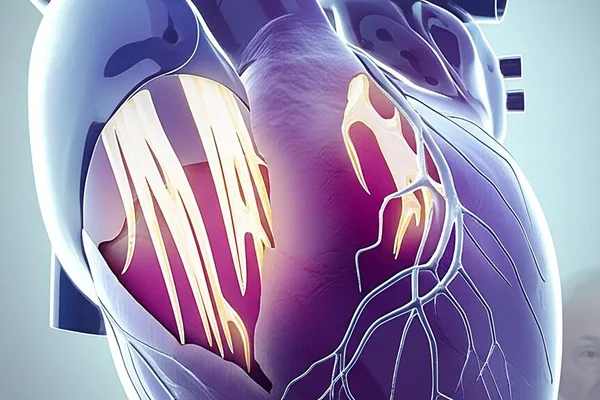
Imagine that there are a set of doors in your house that open only one way. The valves in your heart are like that. Our heart has four main chambers. These valves are located between these chambers and between the main arteries that carry blood out of the heart. Each time the heart beats, these valves open and close, helping the blood to flow in the same direction, exactly.

There are four main valves in our heart:

  • Tricuspid Valve: Between the right atrium and the right ventricle.
  • Pulmonary valve : Between the right ventricle and the pulmonary artery.
  • Mitral valve: Between the left atrium and the left ventricle .
  • Aortic valve: Between the left ventricle and the main artery (aorta) that carries blood to the body.

Problems begin when the delicate leaflets or cusps in these valves do not open and close properly.

What are the main types of heart valve disease?

These questions can be asked in three main ways.

1. Stenosis: This is a narrowing or narrowing of the valve. It's like a door not opening completely. This causes the heart to have to work harder than usual to pump blood forward.

2. Regurgitation: This is when the valve leaks . It's like a door that can't close properly and is slightly open. Then, some of the blood that should be going forward leaks backward. This also makes the heart have to work harder. The most common cause of this is a condition called Mitral Valve Prolapse .

3. Atresia: This is a more serious condition. It means that a valve is not present at birth . This is often a congenital defect.

What could be causing this situation?

Various causes can contribute to heart valve disease.

  • Congenital: Some people are born with this type of valve defect.
  • Rheumatic Fever : If strep throat is not treated properly in childhood, it can later lead to damage to the heart valves. This is a fairly common cause in our country.
  • Endocarditis: A serious infection that enters the bloodstream and damages the lining of the heart and its valves. Things like intravenous drug use increase the risk of this.
  • Other heart diseases: Conditions such as high blood pressure , heart attack, heart failure , and fatty deposits in the major blood vessels (atherosclerosis) can damage the valves.
  • Aging: As we age, calcium deposits can build up on the valves, making them stiff and less functional.
  • Other medical conditions: Autoimmune diseases such as lupus and radiation therapy for cancer can also sometimes be affected.

What are the symptoms of this disease?

In many cases, there may be no symptoms in the early stages. Sometimes, the symptoms that do appear may be overlooked as normal aging. Therefore, it is very important to be aware of these symptoms.

Patient Common symptoms
Adults
  • Shortness of breath that occurs with slight exertion (e.g., climbing stairs).
  • Dizziness or fainting .
  • Chest tightness, tightness, or pain (angina) .
  • Feeling unusually tired .
  • Feeling like your heart is beating fast or pounding (palpitations) .
  • Swelling (edema) of the legs, ankles, or abdomen.
  • Sudden weight gain in a short period of time, like a day or two.
Newborns and young children
  • Weight and height not increasing in proportion to age.
  • Difficulty drinking milk or eating.
  • Blue discoloration of the skin, lips, or fingertips. ( This is an emergency! See a doctor immediately or go to the hospital's Emergency Department (ETU)! )
  • Pale skin, cold body, and rapid heartbeat. ( This is also an emergency! )
  • The important thing is that the absence of symptoms does not mean that the disease is not serious. Therefore, it is wise to get a medical examination if there are risk factors.

    How does a doctor diagnose this disease?

    Your doctor will follow several steps to diagnose this disease.

    1. Talking about your symptoms and medical history: Asking about the discomfort you are feeling and whether anyone in your family has had similar illnesses.

    2. Physical examination: Your heart will be listened to with a stethoscope. When the valves are leaking or stuck, a distinctive sound called a 'murmur' can be heard.

    3. Special tests:

    • Echocardiogram (Echo): This is the most important and common test. It is like an ultrasound scan of the heart. It can clearly see the shape of the valves, their function, and the way blood flows.
    • ECG (Electrocardiogram): This tests the electrical activity of the heart to look for any abnormalities in the heartbeat.
    • Chest X-ray: This can be used to check for an enlarged heart and fluid in the lungs.
    • Stress Test: This tests how your heart works while you exercise (walking on a treadmill).

    What are the treatments for this?

    Treatment depends on the type and severity of the disease.

    Lifestyle changes

    First, the doctor will advise you to adopt a healthy lifestyle.

    • Eating heart-healthy foods.
    • Completely abstain from smoking.
    • Exercising regularly.
    • Weight control.
    • Stress management.

    Medication

    Your doctor may prescribe various medications to control symptoms and reduce the strain on your heart.

    • Diuretics: We call them "water pills." They remove excess water from the body and reduce swelling.
    • Beta-blockers: Control the heart rate.
    • Angiotensin-converting enzyme inhibitors (ACE inhibitors): Reduce the workload on the heart.
    • Anticoagulants: Also known as "blood thinners," they prevent blood from clotting.

    Surgery and Procedures

    If the condition cannot be controlled with medications and lifestyle changes, your doctor may recommend surgery.

    1. Valve Repair: Whenever possible, doctors try to repair the existing valve. There are various methods for this, such as ``Valvuloplasty``.

    2. Valve Replacement: If repair is not possible, the valve is removed and an artificial valve is implanted in its place.

    Valve type Advantages and disadvantages
    Mechanical Valve
    (Made of metal)
    Advantage: Very durable. Can be used for years.
    Disadvantage: You have to take anticoagulants for the rest of your life. Otherwise, blood clots can form on the valve and cause a stroke.
    Biological Valve
    (Made from animal tissue)
    Advantage: Most people do not need to take blood-thinning medications for the rest of their lives.
    Disadvantage: Doesn't last as long as mechanical valves. May need to be replaced again in about 10-15 years.

    Your doctor and surgeon will discuss with you which method is best for you.

    Take-Home Message

    • Heart valve disease is a serious, but well-controlled condition with proper treatment .
    • Never ignore symptoms like shortness of breath, chest pain, frequent fatigue, or swollen legs. See your doctor immediately.
    • If you have heart valve disease, follow your doctor's instructions and get regular check-ups. Don't skip check-ups even if you don't have symptoms.
    • Take the medicine prescribed by the doctor exactly and on time.
    • When you see any other doctor or dentist, be sure to inform them that you have heart valve disease.

    Heart Valve Disease, Heart Valve, Heart Disease, Chest Pain, Shortness of Breath, Echo Test

    ⚠️ Important: The medical articles and information on Nirogi Lanka are for general awareness only, and are by no means a substitute for professional medical advice, diagnosis, or treatment. For any medical problem you have, consult a qualified physician immediately.

    💬 Comments (0)

    No comments yet. Be the first to share your thoughts here.

    Add Your Comment

    Please calculate: 7 + 1 =
    Do you have a problem with your heart valves? (Heart Valve Disease) Let's be aware of this
    SymptomsSeptember 27, 2025

    Do you have a problem with your heart valves? (Heart Valve Disease) Let's be aware of this

    Our hearts are like little engines that work non-stop, right? But we don't think much about the little doors inside this engine, the 'valves'. If these valves don't work properly, it can affect our entire body. That's what we call heart valve disease. Don't worry, today we'll talk about everything very simply and in a friendly way.

    Simply put, what is a heart valve?

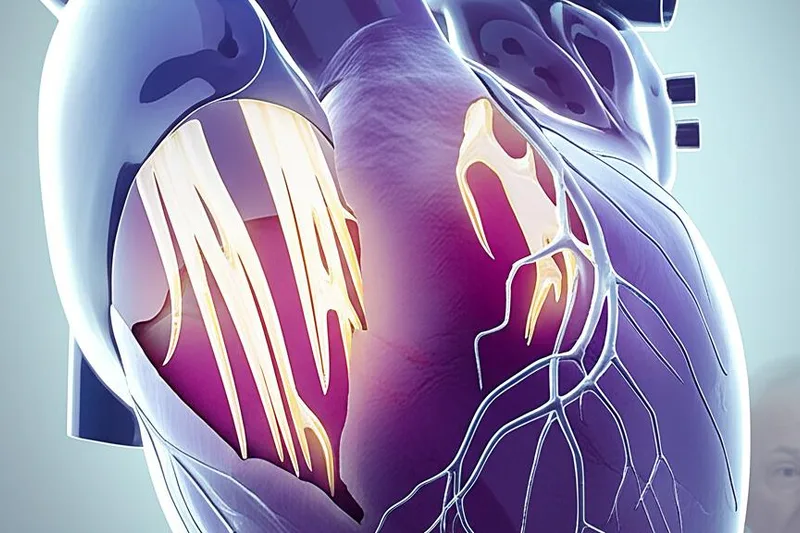
    Imagine that there are a set of doors in your house that open only one way. The valves in your heart are like that. Our heart has four main chambers. These valves are located between these chambers and between the main arteries that carry blood out of the heart. Each time the heart beats, these valves open and close, helping the blood to flow in the same direction, exactly.

    There are four main valves in our heart:

    • Tricuspid Valve: Between the right atrium and the right ventricle.
    • Pulmonary valve : Between the right ventricle and the pulmonary artery.
    • Mitral valve: Between the left atrium and the left ventricle .
    • Aortic valve: Between the left ventricle and the main artery (aorta) that carries blood to the body.

    Problems begin when the delicate leaflets or cusps in these valves do not open and close properly.

    What are the main types of heart valve disease?

    These questions can be asked in three main ways.

    1. Stenosis: This is a narrowing or narrowing of the valve. It's like a door not opening completely. This causes the heart to have to work harder than usual to pump blood forward.

    2. Regurgitation: This is when the valve leaks . It's like a door that can't close properly and is slightly open. Then, some of the blood that should be going forward leaks backward. This also makes the heart have to work harder. The most common cause of this is a condition called Mitral Valve Prolapse .

    3. Atresia: This is a more serious condition. It means that a valve is not present at birth . This is often a congenital defect.

    What could be causing this situation?

    Various causes can contribute to heart valve disease.

    • Congenital: Some people are born with this type of valve defect.
    • Rheumatic Fever : If strep throat is not treated properly in childhood, it can later lead to damage to the heart valves. This is a fairly common cause in our country.
    • Endocarditis: A serious infection that enters the bloodstream and damages the lining of the heart and its valves. Things like intravenous drug use increase the risk of this.
    • Other heart diseases: Conditions such as high blood pressure , heart attack, heart failure , and fatty deposits in the major blood vessels (atherosclerosis) can damage the valves.
    • Aging: As we age, calcium deposits can build up on the valves, making them stiff and less functional.
    • Other medical conditions: Autoimmune diseases such as lupus and radiation therapy for cancer can also sometimes be affected.

    What are the symptoms of this disease?

    In many cases, there may be no symptoms in the early stages. Sometimes, the symptoms that do appear may be overlooked as normal aging. Therefore, it is very important to be aware of these symptoms.

    Patient Common symptoms
    Adults
    • Shortness of breath that occurs with slight exertion (e.g., climbing stairs).
    • Dizziness or fainting .
    • Chest tightness, tightness, or pain (angina) .
    • Feeling unusually tired .
    • Feeling like your heart is beating fast or pounding (palpitations) .
    • Swelling (edema) of the legs, ankles, or abdomen.
    • Sudden weight gain in a short period of time, like a day or two.
    Newborns and young children
  • Weight and height not increasing in proportion to age.
  • Difficulty drinking milk or eating.
  • Blue discoloration of the skin, lips, or fingertips. ( This is an emergency! See a doctor immediately or go to the hospital's Emergency Department (ETU)! )
  • Pale skin, cold body, and rapid heartbeat. ( This is also an emergency! )
  • The important thing is that the absence of symptoms does not mean that the disease is not serious. Therefore, it is wise to get a medical examination if there are risk factors.

    How does a doctor diagnose this disease?

    Your doctor will follow several steps to diagnose this disease.

    1. Talking about your symptoms and medical history: Asking about the discomfort you are feeling and whether anyone in your family has had similar illnesses.

    2. Physical examination: Your heart will be listened to with a stethoscope. When the valves are leaking or stuck, a distinctive sound called a 'murmur' can be heard.

    3. Special tests:

    • Echocardiogram (Echo): This is the most important and common test. It is like an ultrasound scan of the heart. It can clearly see the shape of the valves, their function, and the way blood flows.
    • ECG (Electrocardiogram): This tests the electrical activity of the heart to look for any abnormalities in the heartbeat.
    • Chest X-ray: This can be used to check for an enlarged heart and fluid in the lungs.
    • Stress Test: This tests how your heart works while you exercise (walking on a treadmill).

    What are the treatments for this?

    Treatment depends on the type and severity of the disease.

    Lifestyle changes

    First, the doctor will advise you to adopt a healthy lifestyle.

    • Eating heart-healthy foods.
    • Completely abstain from smoking.
    • Exercising regularly.
    • Weight control.
    • Stress management.

    Medication

    Your doctor may prescribe various medications to control symptoms and reduce the strain on your heart.

    • Diuretics: We call them "water pills." They remove excess water from the body and reduce swelling.
    • Beta-blockers: Control the heart rate.
    • Angiotensin-converting enzyme inhibitors (ACE inhibitors): Reduce the workload on the heart.
    • Anticoagulants: Also known as "blood thinners," they prevent blood from clotting.

    Surgery and Procedures

    If the condition cannot be controlled with medications and lifestyle changes, your doctor may recommend surgery.

    1. Valve Repair: Whenever possible, doctors try to repair the existing valve. There are various methods for this, such as ``Valvuloplasty``.

    2. Valve Replacement: If repair is not possible, the valve is removed and an artificial valve is implanted in its place.

    Valve type Advantages and disadvantages
    Mechanical Valve
    (Made of metal)
    Advantage: Very durable. Can be used for years.
    Disadvantage: You have to take anticoagulants for the rest of your life. Otherwise, blood clots can form on the valve and cause a stroke.
    Biological Valve
    (Made from animal tissue)
    Advantage: Most people do not need to take blood-thinning medications for the rest of their lives.
    Disadvantage: Doesn't last as long as mechanical valves. May need to be replaced again in about 10-15 years.

    Your doctor and surgeon will discuss with you which method is best for you.

    Take-Home Message

    • Heart valve disease is a serious, but well-controlled condition with proper treatment .
    • Never ignore symptoms like shortness of breath, chest pain, frequent fatigue, or swollen legs. See your doctor immediately.
    • If you have heart valve disease, follow your doctor's instructions and get regular check-ups. Don't skip check-ups even if you don't have symptoms.
    • Take the medicine prescribed by the doctor exactly and on time.
    • When you see any other doctor or dentist, be sure to inform them that you have heart valve disease.

    Heart Valve Disease, Heart Valve, Heart Disease, Chest Pain, Shortness of Breath, Echo Test

    ⚠️ Important: The medical articles and information on Nirogi Lanka are for general awareness only, and are by no means a substitute for professional medical advice, diagnosis, or treatment. For any medical problem you have, consult a qualified physician immediately.

    💬 Comments (0)

    No comments yet. Be the first to share your thoughts here.

    Add Your Comment

    Please calculate: 7 + 1 =