

Preparing for a new baby brings endless excitement and careful planning. You wash tiny clothes, set up a cozy crib, and stock up on diapers. You carefully research the best products to keep your newborn safe and healthy.
Yet, many parents overlook one critical safety item in their vehicle. You would never give your child expired food or out-of-date medicine. Did you know that your baby's car seat also has a strict expiration date?
Most parents feel quite surprised when they first learn about this rule. Understanding why car seats expire helps you protect your child on every single journey. Let us explore everything you need to know about car seat safety and expiration dates.
Key Takeaways for Parents
- Always check the printed expiration date or manufacturing label on your child car seat.
- Never use expired, visibly cracked, or previously crashed car seats under any circumstances.
- Always choose rear-facing car seats for infants and toddlers to protect their developing spines.
- Ensure your car seat moves less than one inch when you install it correctly.
- Always purchase a brand-new car seat to guarantee full structural integrity and safety.
Know your body mass index (BMI) and weight classification
Why Do Car Seats Have Expiration Dates?
Manufacturers do not place expiration dates on car seats just to make you buy new ones. Every single expiration guideline exists solely to protect your growing child. Several important factors explain why these dates matter so much.
Think about everyday wear and tear on your car seat materials. Your car seat contains durable plastics, sturdy fabrics, woven harness webbing, and energy-absorbing foam. These materials face harsh conditions inside your vehicle every day.
Direct sunlight and extreme temperature swings weaken these materials over time. Summer heat and winter cold cause plastics to expand and contract repeatedly. This constant stress creates microscopic cracks that you cannot see with your naked eye.
When a sudden vehicle crash happens, weakened plastic fails to absorb the impact energy. An expired seat cannot secure your child properly during a high-speed collision. Therefore, manufacturers set strict limits on how long materials remain safe.
Safety standards also improve as vehicle engineering and research advance rapidly. Government agencies and medical experts constantly update safety guidelines based on new crash test data. Modern car seats offer vastly superior protection compared to models made ten years ago.
Testing limits also restrict how long a manufacturer can guarantee safety. Engineers test car seat models for specific structural lifespans, usually ranging from six to ten years. After this testing window expires, the manufacturer can no longer guarantee structural reliability.
How to Find Your Car Seat Expiration Date
Finding the expiration date on your car seat is actually very simple. Look along the sides, the bottom base, or the back shell of the seat. Manufacturers always place a clear sticker or embossed stamp showing important details.
You will typically find both the exact manufacturing date and the expiration date printed clearly. If you cannot find a specific expiration date, apply the standard six-year rule. Most car seats expire six years from the exact date of manufacture.
Some heavy-duty convertible models feature steel-reinforced frames that last up to ten years. Always check the manufacturer manual or product label to confirm your specific model timeline. If you still cannot find the date, visit the manufacturer website or call customer service.
Never guess or assume a seat remains safe past its expiration date. When in doubt, replace the seat right away to ensure total peace of mind.
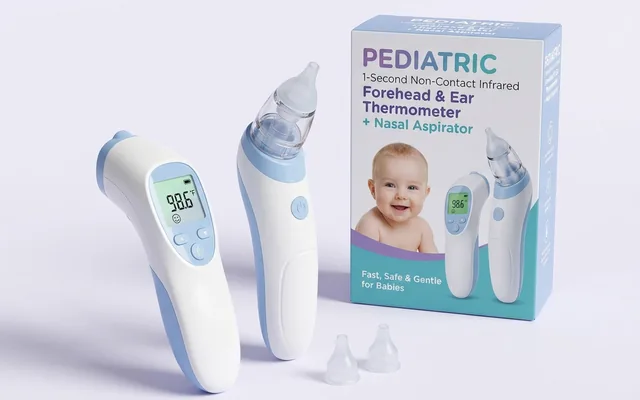
Medical dual-mode forehead/ear infrared thermometer with silent night mode and fever color alarm, bundled with a gentle pediatric nasal aspirator for baby colds.
View Clinical Details →How to Choose the Right Car Seat for Your Child
You must prepare and install a safe car seat before bringing your baby home. For newborns and young infants, you must always install car seats in a rear-facing position. Rear-facing installation protects your baby fragile head, neck, and spine during a crash.
Three primary categories of car seats cater to different developmental stages of childhood. Understanding these categories helps you make the best choice for your growing family.
| Car Seat Type | Description and Usage |
|---|---|
| Rear-Facing Only Car Seats | Designed specifically for newborns and young infants. The base stays in the car while the carrier snaps in and out easily. These often form part of convenient travel systems. Babies usually outgrow them around one year of age. |
| Convertible Car Seats | These versatile seats grow right along with your child. They start in a rear-facing position for infants and toddlers. Later, you turn them forward-facing as your child grows larger. They stay permanently installed in the vehicle. |
| All-in-One Car Seats | These robust seats transition through every single childhood phase. They begin rear-facing, convert to forward-facing harnesses, and finally transform into belt-positioning booster seats. Their larger size allows children to stay rear-facing much longer. |
When Must You Replace a Car Seat Right away?
Even if your car seat has not reached its official expiration date, certain events require immediate replacement. Safety experts advise tossing and replacing car seats under specific high-risk conditions.
If your vehicle gets involved in a moderate-to-severe crash, replace your car seat right away. Even if the plastic looks completely normal, invisible internal stress fractures may compromise structural integrity. Follow official guidelines to determine if a crash requires replacement.
- Your vehicle required towing away from the crash scene.
- Any vehicle occupant sustained physical injuries during the collision.
- The vehicle door closest to the car seat suffered structural damage.
- Vehicle airbags deployed during the impact event.
- You notice any visible cracks, stress marks, or structural warping on the plastic shell.
Beyond accidents, watch out for normal growth milestones and wear indicators. Every car seat features strict weight and height limits set by the manufacturer. If your child exceeds these limits, transition them to the next appropriate seat size.
Inspect the harness straps and buckle mechanisms regularly. Frayed webbing, sticky buckles, or damaged adjusters mean the seat is no longer safe to use. Check manufacturer recall databases often to ensure your model has no active safety recalls.
What to Do with an Expired Car Seat
Never give away, sell, or donate an expired or damaged car seat to anyone else. Handing down an unsafe seat puts another innocent child at severe risk of injury.
You must destroy and dispose of expired car seats so nobody else can reuse them. Follow these simple steps to discard your old seat safely.
- Take a pair of sharp kitchen shears or heavy scissors and cut all harness straps completely.
- Take a thick permanent marker and write "EXPIRED" or "UNSAFE - DO NOT USE" across the plastic shell.
- Place the dismantled seat parts inside a dark trash bag and take them to your local waste disposal site.
Taking these precautions ensures that dumpster divers or neighbors will never rescue and reuse a compromised seat.
A Note on Aftermarket Car Seat Protectors
Many parents purchase padded mats or protectors to place underneath car seats. These items aim to keep vehicle upholstery clean and prevent leather indentations. However, major car seat manufacturers strongly advise against using any aftermarket accessories.
Testing agencies do not test car seats with third-party padding or protectors. During a sudden crash, these extra layers can slip or compress unexpectedly. This movement changes the crash dynamics and reduces the protective capability of the seat. Skip the protectors and place the car seat directly on your vehicle seat.
When to Call Emergency Services (Red Flags)
Call 911 (US/Canada), 999 (UK), or rush your child to the nearest Emergency Department (ER / A&E) right away if your child experiences any of the following after a vehicle incident:
- Loss of consciousness, extreme drowsiness, or unresponsiveness.
- Persistent vomiting, dizziness, or confusion.
- Difficulty breathing, wheezing, or chest pain.
- Visible signs of head trauma, severe bruising, or neck stiffness.
- Incontinence or unusual neurological changes.
💡 Take-Home Message
Protecting your child on the road requires vigilance and attention to detail. Always inspect your car seat expiration label before installation. Discard expired, damaged, or crash-involved seats right away without hesitation. Choose age-appropriate rear-facing seats and install them securely every single time. Investing in proper car seat safety gives your child the best protection possible.


No comments yet. Be the first to share your question or experience below.