
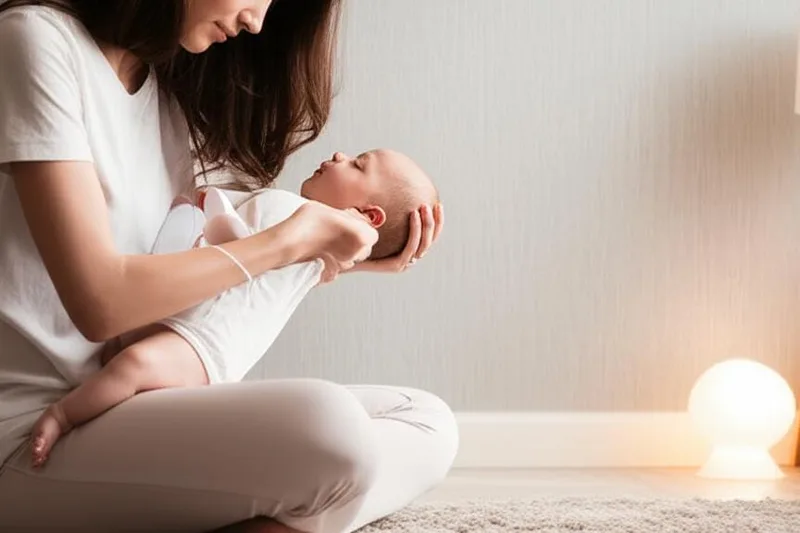
Every parent who has trouble sleeping at night and has red eyes is dreaming of their little one sleeping soundly through the night. Some people have a misconception about 'sleep training', which is teaching a baby to sleep on their own. Many people think that this is just about getting the baby to cry. But it is actually much more than that. Some studies have shown that this method strengthens the bond between mother and baby and father and baby.
What are some ways to help your baby sleep?
There are several ways to help both you and your baby get through this difficult time and get a good night's sleep. Let's take a look at what they are. The important thing is that not all of these methods are suitable for every baby . The important thing is to choose what works best for your baby and your family's system.
1. The "Cry It Out" (CIO) method
This is the most popular and most talked about method of sleep training. It involves doing the things you normally do to get your baby to sleep (like bathing and feeding), putting him down in the crib, saying goodnight, and leaving the room. This is also called "full extinction," which means you stop helping him all at once. Some mothers can't stand hearing their baby cry, so this method doesn't work for them. But other parents say that this method works within a few days, and after their baby cries for a while, they learn to soothe themselves and fall asleep on their own.
2. The Ferber Method
This method is a bit similar to the "Cry it out" method mentioned above, but this one is done a little more slowly and systematically. In this case, you also do some things to put the baby to sleep, put him in the crib and leave the room. But when the baby starts crying, you go back into the room and comfort the baby. When the baby calms down, you leave the room again. In this way , you gradually increase the time between your visits to the room . If at first it was a minute, then after 3, 5 minutes. Eventually, the baby understands that mom is nearby, so he can sleep alone without fear.
3. The Chair Method
In this method, you can stay in the room with your baby, but comfort him from a distance. You get your baby ready to sleep, and when he is sleepy (but not completely asleep), you put him in the crib. Then you sit on a chair near the crib. The most important thing is not to touch the baby or shake the crib . If the baby cries, you comfort him only with your voice, saying something like, "Mommy is here, baby, go to sleep." Every night, you gradually move your chair away from the crib, until finally it is near the door of the room, and then outside the room. This method can take about two weeks to work.
4. The “No Tears” Method
This is the gentlest of the methods. It's similar to the Ferber method, but with one big difference: You can go into the room and comfort your baby whenever he cries. But the main thing is to put him back in the crib while he's still awake . This will help your baby gain confidence in sleeping alone and break the habit of wanting to go to sleep with mom or dad.
5. The “Check and Console” Method
This is exactly what the name suggests. After the baby is ready to sleep and put down in the crib, the parents go into the room regularly and check on the baby - whether the baby is crying or not . They go in every few minutes and comfort the baby with a pat on the back or with their voice. You should gradually increase the intervals between checks. However, some babies may become more anxious when you come. So you need to see if this method works for your baby.
| Sleep habit method | Simply put... | Fits most of the time. |
|---|---|---|
| "Cry It Out" (CIO) | She leaves the room, leaving the baby in the crib. Even though the baby cries, she doesn't go back. | Parents who want quick results are brave enough to listen to their baby cry. |
| Ferber Method | I go to see my baby when he cries, but I gradually increase the intervals between visits. | For those who want to practice babysitting a little more systematically, one at a time. |
| Chair Method | Sitting in the room, but without touching the baby, she soothes him with her voice. She moves the chair away little by little. | For those who don't want to leave their baby alone, but want to help them become independent. |
| The "tears-free" method | I go and comfort the baby whenever he cries, but I only put him back in the crib when he's awake. | For parents who don't like their baby crying at all, and are very patient. |
| The method of soothing by looking | Whether the baby cries or not, they go and check on it at a set time and comfort it if necessary. | For those who want to reassure their baby that they will always be there for them. |
Consider these things before starting sleep training
It is very important to follow these steps to help your baby get a good night's sleep.
- Start at the right age: Most experts agree that 6 months is a good age to start sleep training. Some parents start at 9 months because at that age, babies don't need to wake up at night to feed, so they can sleep through the night.
- Establish a Bedtime Routine : Since babies don't understand the difference between day and night, a routine like this is essential. Think about it, bathing your baby at the same time every night, dressing him in clean clothes, giving him some milk, and putting him in the crib while singing a lullaby . When you do the same things every day in the same order, your baby's brain gets a signal that it's time to sleep.
- Choose a method that works for you: Remember, sleep training is safe . Studies have shown that these methods do not have any adverse effects on the baby, even after years of use. So choose the method that feels best for both you and your baby and stick to it.
- Be consistent: Establishing a sleep routine can take anywhere from a few days to a few weeks. Don't give up on trying it one day and not seeing results. Be patient and consistent . If your baby is fussy about going to his/her bedroom, do something positive and enjoyable during the day, like playing in that room.
What if a problem suddenly arises? (Troubleshooting)
There is no single magic formula that will make every baby sleep continuously.
Some babies like to be left alone. Others may need a reminder every 10 minutes that "Mommy is here."
Sleep training methods may not work for about 20% of babies. This could be due to something like gas in the baby's stomach. Or it could be a medical condition like acid reflux . Sometimes it could just be separation anxiety. Or some babies may not be mentally ready for this yet.
If you think your baby is constantly crying for some other medical reason, definitely talk to your doctor .
Even after you've successfully trained your baby to sleep, you may need to retrain them after a few months. Or if their environment changes, like when they travel, their sleep patterns may become disrupted again. That's normal.
Take-Home Message
- 'Sleep training' is a much safer method than simply letting your baby cry.
- It is best to start this when the baby is about 6 months old.
- It is very important to maintain a consistent, consistent bedtime routine.
- Choose the method that best suits you, your baby, and your family's lifestyle.
- Be patient. It may take a few days or weeks to see results. The most important thing is to be consistent.
- If you have any doubts or concerns about your baby's crying or health, be sure to consult your family doctor before doing anything else.


💬 Comments (0)
No comments yet. Be the first to share your thoughts here.
Add Your Comment