
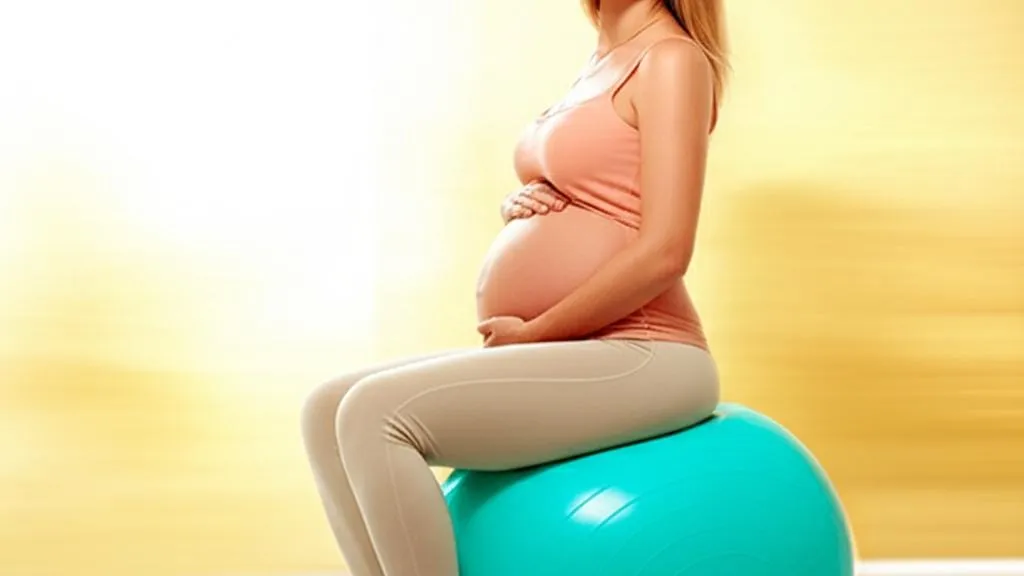
Pregnancy is a wonderful time filled with new experiences and joyful milestones. However, it is also completely normal to feel physical aches and discomforts along the way. As your baby grows larger inside your tummy, the pressure on your back, hips, and lower belly starts to build up. If you are looking for a simple way to soothe these aches, a pregnancy ball might be just what you need. Let us take a close look at what this tool is, how you can use it properly, and the amazing benefits it brings to you.
Calculate the due date based on the last menstrual period
What Is a Pregnancy Ball or Birthing Ball?
Simply put, this is a large, sturdy, and inflatable ball designed to support you throughout your pregnancy journey. It is usually larger than regular exercise balls you might find at a gym. Most importantly, it features an anti-slip finish on the surface to keep you safe from sliding around. Because of this sticky grip, you can use it with total confidence at home.
Many people also call it a birthing ball because it offers wonderful help during the actual delivery room experience. Aside from these round balls, there is another special type known as a peanut ball. This ball has a peanut shape, meaning it is wide at both ends and narrow in the middle. Nurses and doctors usually place a peanut ball between your legs during labour to help open your cervix and speed up delivery.
When Should You Start Using a Birthing Ball?
Even though people call it a birthing ball, you can use it long before delivery day and even after your baby is born. The way you use the ball changes depending on the stage you are in. Each stage brings its own unique set of benefits and relief for your changing body.
During Pregnancy
Your body changes to help your baby grow, and you will likely feel the strain in your muscles, joints, and lower back. Most of the extra weight from your baby rests directly on your hips and lower spine. Sitting and moving gently on this ball helps take that heavy pressure off your joints.
Sometimes, your baby might settle into a posterior position, which can make your back aches much worse. Gentle exercises on the ball can encourage your baby to turn into a better anterior position. Once you pass thirty-two weeks of pregnancy, the ball helps strengthen your pelvic floor, belly, and back muscles to get your body ready for birth.
During Labour
Labour is an intense time when you will feel a lot of pain and stress in your body. Staying relaxed and finding ways to ease the discomfort is very important during these hours. Sitting or rocking on a birthing ball helps reduce labour pressure, helps your cervix open faster, and lets you find comfortable positions.
After Delivery (Postpartum)
Sadly, your physical aches do not vanish the second your baby arrives in your arms. If you had a vaginal delivery, sitting down on normal chairs can cause sharp pain in your sore areas. To fix this, you can let a little air out of your ball to make it soft and use it as a comfortable seat. Sitting on a soft ball feels much better than sitting on a hard chair. It also helps you stay comfortable while you do gentle postpartum exercises to heal your body.
Important Rule to Remember:
Before you start any exercise routine after giving birth, always talk to your doctor first. Ask them if the activity is safe for your specific healing body.
What Exercises Can You Do With a Pregnancy Ball?
There are several easy ways to use this ball safely every single day. Because it has a strong and non-slip surface, almost any expecting mother can try these movements safely. You can match the exercises to how you feel each day to get the best results.
| Exercise Type | How to Do It and Benefits |
|---|---|
| Stretching | Kneel on the floor and place your arms on top of the ball. Roll your hips backward and down toward your feet. This stretch takes heavy pressure off your back and hips while easing tense muscles. It also helps calm your mind and reduce stress. |
| Bouncing and Rolling | Sit on the ball with your legs spread wide apart. Gently bounce up and down in a slow, steady rhythm. You can also roll your hips in soft circles. This movement keeps your pelvis open and relaxed, which helps guide your baby downward during labour. |
| Sitting Seat | If sitting on a normal chair hurts too much after birth, let out some air from the ball to make it soft. Sit on it gently to take direct pressure off your sensitive lower areas. It provides a much softer cushion than hard furniture. |
Can a Pregnancy Ball Actually Induce Labour?
Many expecting mothers use these balls because they heard that bouncing on them can trigger labour naturally. However, medical studies show that there is no solid scientific proof that bouncing alone starts labour. Even though it may not force labour to begin on its own, it still offers massive benefits.
Key Takeaway:
While the ball might not start contractions by itself, it makes your entire birthing journey much more comfortable and manageable by reducing pain and tension.
Is a Pregnancy Ball Right for You?
Owning a pregnancy ball is not a strict rule for every single mother. Even so, countless women find immense comfort using it across pregnancy, labour, and postpartum recovery. If you want a drug-free way to reduce pain, help your baby move into a good position, or find comfort after birth, this tool is worth trying.
The most crucial rule is to check with your doctor before trying any new stretches, bounces, or workouts on the ball to ensure it is completely safe for you and your baby.
When to Call the Doctor or Emergency Services
Stop exercising and seek medical help right away if you experience any of these warning signs:
- Sudden vaginal bleeding or fluid leaking from your vagina.
- Severe dizziness, chest pain, or trouble breathing while moving.
- Strong, regular contractions before your due date.
- Sudden or severe swelling in your face, hands, or feet.
- Call 911 (US/Canada) or 999 (UK) or go to the nearest emergency room right away if you feel severe pain or lose your balance and fall.






No comments yet. Be the first to share your question or experience below.