

What is Isolated Systolic Hypertension?
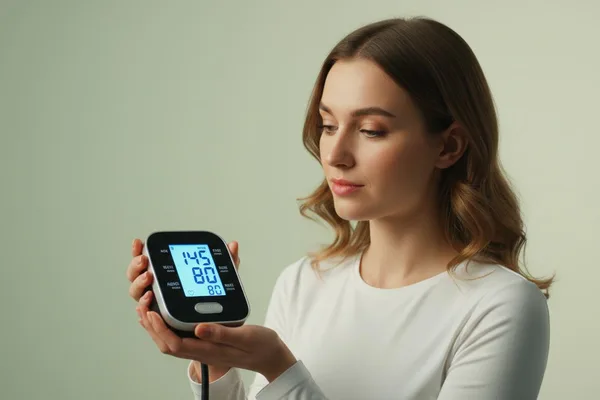
Simply put, this is when the top number of your blood pressure, the systolic number , is higher than the recommended level. The bottom number, the diastolic number, can be normal or lower. To be precise, this is when the systolic number is higher than 130 millimeters of mercury (mmHg) and the diastolic number is lower than 90 millimeters of mercury. Normally, a healthy person's blood pressure is lower than 120/80 mmHg. Do you know what systolic pressure means? When our heart beats and pumps blood throughout the body, that blood exerts pressure on the walls of our blood vessels. Diastolic pressure refers to the resistance in the blood vessels when the heart is slightly relaxed, that is, when it is not pumping blood.How common is this? Does it increase with age?
This condition is actually quite common, especially as we age. According to statistics, about 15% of people over the age of 60 have Isolated Systolic Hypertension. In fact, this is the most common type of hypertension among people over the age of 70. So it's clear that this risk increases with age, right?Is Isolated Systolic Hypertension Dangerous?
Yes, it can be dangerous if not treated properly. If left untreated, like other types of high blood pressure, it can damage various organs in your body. Just think, it is a risk factor for cardiovascular disease (i.e. diseases of the heart, blood vessels in the brain and large blood vessels throughout the body), death, and even serious conditions like kidney failure. So this is not something to take lightly.Is this an emergency?
Isolated Systolic Hypertension is usually not an emergency. However, if your systolic reading suddenly rises above 180 mmHg, it is an emergency. We call this a 'Hypertensive crisis'. If this happens, you should seek medical attention immediately.What are the symptoms of this?
Like other types of high blood pressure, this one does not show major symptoms in the early stages.Many people don't even realize they have this condition. That's why it's important to check your blood pressure regularly. But when it goes untreated for a long time and begins to damage your body's organs, some symptoms appear. They are: If you have symptoms like these, you should definitely see a doctor.Why is this happening? What are the reasons?
The main reason for this is that changes occur in our blood vessels (arteries) as we age.Aging and changes in arteries
As we age, our arteries become stiffer and less flexible. They don't stretch and contract as easily as they did when we were younger. When this happens, the pressure created when the heart pumps blood, called the systolic pressure, increases. At the same time, the arteries lose their elasticity, so the diastolic pressure drops. It's like an old rubber tube that gets stiffer but doesn't stretch as easily.Other medical conditions
Another cause is a condition called atherosclerosis. This is when substances like calcium and collagen are deposited inside the arteries, causing them to become harder and narrower. This loss of elasticity in the arteries can lead to isolated systolic hypertension.What are the risk factors?
There are several things that add further risks to this situation. They are:- High blood cholesterol levels.
- Having diabetes .
- Living a sedentary life, without any exercise. Imagine someone who works in one place all day.
- Body mass index (BMI) greater than 30 ( obesity ).
- Use of tobacco products (such as cigarettes, beedis).
- Frequent consumption of processed foods and foods high in salt and oil, such as fried rice, sausages, and packaged foods.
Can young people develop this too?
Although this is usually more common among older people, it can also occur among young people under 40 years of age.It has now been discovered that this condition, Isolated Systolic Hypertension, is becoming more common. Isn't it surprising? Most people who experience this condition at a young age:- Body mass index (BMI) is greater than 30 (which means obesity).
- Mostly men.
- Using tobacco products.
- You can also see people without health insurance.
What complications can occur if left untreated?
As we have said before, if this is not managed properly, that is, if it is not treated, dangerous complications can occur. These are:- Heart failure
- Heart attack
- Stroke
- Chronic kidney disease
- Peripheral artery disease - This is the narrowing of the arteries that supply blood to the limbs.
- Aneurysm - This is when a blood vessel weakens and bulges like a balloon.
How do you recognize this?
Before diagnosing this condition, your doctor will ask you about your family history, your diet, your activity level, and any other medical conditions you may have. As with any illness, early detection is the best way to manage it.What kind of tests are done?
Before a doctor can definitively diagnose Isolated Systolic Hypertension, they will check your blood pressure on two or three occasions. They won't just check it once and say. In addition, they may do several other tests to see how much risk you have for developing cardiovascular diseases. For example:- An ECG (electrocardiogram - EKG) test. This measures the electrical activity of the heart.
- Blood tests. Specifically, a lipid panel to check cholesterol levels.
What should I do if I am in this situation?
If your doctor tells you that you have Isolated Systolic Hypertension, the most important thing is to follow their instructions exactly. Don't panic. Most likely, they will tell you to make some changes to your daily routine, and maybe even start medication.How is it treated?
When treating this, your doctor may tell you to make lifestyle changes and, if necessary, start you on antihypertensive medications.Lifestyle changes
These are some of the most important things you can do:- Reducing the amount of salt added to food. It is recommended that you consume no more than 1.5 grams of salt per day.
- Following the DASH diet.This is a special diet plan that helps control high blood pressure.
- Eating more fresh fruits and vegetables.
- Reducing high-fat dairy foods (e.g. cheese, butter).
- Reducing foods containing saturated fats (e.g. red meat, fatty foods).
- Losing weight (if obese).
- Getting more exercise. Something like walking for at least 30 minutes a day.
- If you drink alcohol, limit it.
- Managing stress. Sometimes meditation or yoga can help.
- Trying to get more potassium from food (e.g. bananas, oranges, spinach)
- Completely stopping tobacco products.
Imagine how big an impact these small changes can have on your entire life!
Medicines
In addition to lifestyle changes, doctors prescribe medications called antihypertensives to treat Isolated Systolic Hypertension. Some of the most commonly used medications are:- Diuretics: These cause the body to excrete excess water and salt through urine, which lowers blood pressure.
- Calcium channel blockers: These relax the walls of blood vessels, making blood flow easier.
- Angiotensin-converting enzyme inhibitors (ACE inhibitors): These also control blood pressure by reducing blood vessel constriction.
- Angiotensin II Receptor Blockers (ARBs): These medications work similarly to ACE inhibitors.
Are there any side effects of the treatment?
As with any medication, some people may experience minor side effects from these treatments. Not everyone will experience them, but it's good to be aware of them.- Headache
- Dizziness
- Appetite
- Dry cough (especially from ACE inhibitors)
- Hair loss (rarely)
What can be done to reduce this risk?
We all get older. Some of the things that come with it are factors that can lead to Isolated Systolic Hypertension. However, there are many things you can do to reduce your risk of this condition. These include:- If you have diabetes, control it well.
- If you have high cholesterol, control that too.
- Exercise regularly. At least 5 days a week, 30 minutes a day.
- Keep your body mass index (BMI) below 30.
- Do not use tobacco products.
- Reduce processed foods and foods high in fat and salt as much as possible. Home-cooked meals are best.
What should you expect when living with this condition?
The best treatment is to start as soon as you are diagnosed with this condition, as any type of high blood pressure increases the risk of other health problems, such as heart attack and stroke.Can this be cured?
No, it cannot be cured completely. But don't worry! You can manage it and live a normal life by making lifestyle changes and/or taking your doctor's prescribed medication.How long will this situation last?
Isolated Systolic Hypertension is a chronic, long-term condition. This means you will need to take care of it and treat it for the rest of your life. Research has shown that treating Isolated Systolic Hypertension properly can make a huge difference. It can reduce the risk of heart disease, stroke, and death by about 30%! Isn't that a big deal?How do I take care of myself?
To manage this condition, it is essential to take your medication exactly as prescribed by your doctor, on time. Make it a habit. Maybe setting a reminder on your phone will help. Also, exercising and eating a diet low in salt and fat are very good for your blood pressure and heart health.When should I see the doctor?
If your doctor starts you on medication for this condition, he or she will probably ask you to come back in about a month. That's when he or she can see if the medication is working or if it's causing any bothersome side effects. In the meantime, you may be asked to check your blood pressure at home once a week, or more often.If you collect those readings for about a month and show them to your doctor, it will be easier for him to understand whether the medicine is working properly. Also, the doctor will look at whether your systolic value and your diastolic value are dropping too low. Because if your diastolic value drops too low, it may mean that your organs are not getting enough blood.When should you seek emergency treatment?
If you are having a 'hypertensive crisis' , meaning your blood pressure is 180/120 mmHg or higher, you should seek emergency medical care immediately. You may experience these symptoms:- Chest pain
- Difficulty breathing
- Dizziness
- Severe headache
What questions should you ask the doctor?
When you go to see the doctor, it's a good idea to ask questions like these:- How often do I need to come see you?
- How do I start an exercise program? What exercises are right for me?
- Do I need to take medication, or are lifestyle changes enough for my condition?
- What side effects can I expect from this medication?
- What values should I be concerned about when checking my blood pressure at home?
Finally, things to remember (Take-Home Message)
If you have Isolated Systolic Hypertension, you are not alone. Many people have this high blood pressure condition. Don't worry. There are many lifestyle changes that can help you. You can make those changes yourself. If necessary, there are also medications.Managing this condition is a great investment in your future health. Your future self will thank you for it!So, take care of your blood pressure, get it checked regularly, and follow your doctor's instructions. Then you can live a healthy, happy life.
` Isolated Systolic Hypertension, Blood Pressure, Systolic, Diastolic, Hypertension, Heart Health, Sri Lanka




💬 Comments (0)
No comments yet. Be the first to share your thoughts here.
Add Your Comment