
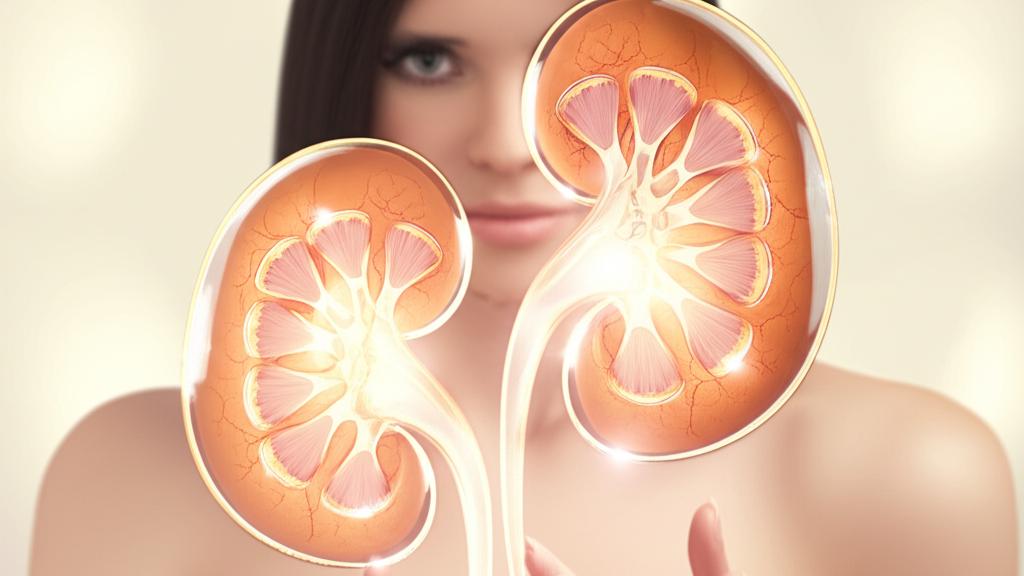
Imagine having two silent workers inside your body. They never sleep, never take a break, and work hard every single day just for you. These vital organs are your kidneys. They act like natural filters. Their main job is to clean your blood and remove waste and extra fluid.
Every single day, your kidneys filter about 180 liters of blood. That is an amazing amount of work for two fist-sized organs. Taking good care of these quiet workers is essential for your long-term health and energy. Let us look at simple steps you can take right now to keep your kidneys healthy and strong.
Key Takeaways for Kidney Health
- Your kidneys filter 180 liters of blood every day to remove toxins and waste.
- High blood pressure and high blood sugar are the top two threats to your kidney filters.
- Always talk to your doctor before taking regular painkillers like ibuprofen or naproxen.
- Limit your daily salt intake and drink enough water to keep your urine light yellow.
- Get annual blood and urine tests because early kidney disease shows no symptoms at first.
Renal function (eGFR)
Measure kidney function based on creatinine value
Watch Your Blood Pressure
High blood pressure, also known as hypertension, is a major enemy of your kidneys. Think about a water pipe carrying water under extreme pressure. Over time, that high pressure damages the walls of the pipe. The same thing happens inside your body.
When your blood pressure is high, it puts extra stress on the tiny blood vessels inside your kidneys. Over time, this damage reduces how well your kidneys can do their job. Your filters start to wear out and fail.
The scariest part about high blood pressure is that it often has no warning signs. You can feel completely fine while your blood pressure damages your organs. This is why checking your blood pressure regularly with your doctor is so important.
You can manage your blood pressure by eating healthy food, staying active, and taking your medicine on time. Keeping your blood pressure in a healthy range protects your heart and your kidneys at the same time.
Control Your Blood Sugar
Diabetes mellitus is another leading cause of kidney disease. When your blood sugar stays too high for a long time, it harms the delicate filter system inside your kidneys. Extra sugar in your blood essentially clogs up your filters.
If you have diabetes, working closely with your doctor to control your blood sugar is vital. Taking your medicine on time, following a healthy meal plan, and exercising regularly will help you keep your blood sugar stable.
Monitoring your daily blood sugar levels gives you clear feedback on how your body is responding. Small daily habits make a massive difference in protecting your kidney filters from long-term damage.
Always keep your healthcare team updated on your readings. They can help you adjust your routine to keep your kidneys safe and healthy for years to come.
Be Careful with Medicines
When you have a headache or body pain, it is easy to run to the pharmacy for over-the-counter painkillers. However, taking these medicines often and without a doctor's advice can harm your kidneys. Common painkillers known as non-steroidal anti-inflammatory drugs, or NSAIDs like ibuprofen, can reduce blood flow to your kidneys.
Certain prescription drugs can also affect your kidneys if they are not used properly. For example, medicines used for mental health conditions like lithium require careful monitoring. Illegal substances and street drugs can cause sudden and severe kidney injury.
Always talk to your doctor or pharmacist before starting any new medicine or herbal supplement. Use every prescription exactly as your doctor tells you to use it. Protecting your kidneys means being smart about every pill you swallow.
If you need pain relief for a chronic condition, ask your doctor for safer alternatives. There are many ways to manage pain without putting your vital organs at risk.
A Healthy Lifestyle is Medicine for Kidneys Too
Eating healthy food and exercising regularly is great for your heart and weight. These healthy habits also protect your blood pressure and blood sugar. When you take care of your overall body, your kidneys get a massive layer of protection.
Small lifestyle changes add up to big health wins over time. You do not need to change everything overnight. Start with simple steps like walking daily and cooking more meals at home.
Let us look at three specific lifestyle areas that make the biggest difference for your kidney health. Paying attention to salt, water, and habits will transform your well-being.
Watch Your Salt Intake
We all love tasty food, and salt makes food taste great. However, eating too much salt raises your blood pressure and strains your kidneys. Health experts recommend keeping your daily sodium intake under 2,300 milligrams. That is about one single teaspoon of salt per day.
Packaged foods, canned soups, biscuits, and fast food often hide huge amounts of salt. You might be eating way more sodium than you realize. Make a habit of checking nutrition labels before you buy packaged foods.
Stop adding extra salt to your food at the dinner table. Try using herbs, spices, and lemon juice to flavor your meals instead. Your taste buds will adjust to lower salt levels within a few weeks.
The Secret to Drinking Water
Your kidneys need water to do their filtering job properly. When your body lacks water, your kidneys struggle to flush out waste products. Drinking massive amounts of extra water will not supercharge your kidneys, but staying properly hydrated is essential.
Most healthy adults do well with about two to three liters of fluid daily. The best way to check your hydration level is to look at your urine color. Light yellow or clear urine means you are drinking enough water.
If your urine is dark yellow, your body is telling you to drink more water right away. Keep a reusable water bottle with you throughout the day to sip on steadily. Water is the absolute best drink for your kidneys.
Say No to Smoking and Alcohol
Smoking damages blood vessels all over your body, including the blood vessels supplying your kidneys. If you take medicine for high blood pressure, smoking can actually make those medicines less effective.
If you drink alcohol, do so in moderation. Health guidelines suggest limiting alcohol to one drink per day for women and up to two drinks per day for men. One standard drink equals 12 ounces of beer, 5 ounces of wine, or 1.5 ounces of liquor.
Heavy binge drinking can cause sudden and severe kidney damage known as acute kidney injury. Quitting smoking and limiting alcohol will protect your kidneys and improve your overall health.
Healthy Habits at a Glance
Here is a quick summary of how healthy daily habits protect your kidneys from damage and disease.
| Healthy Habit | Benefit for Your Kidneys |
|---|---|
| Balanced diet and regular exercise | Controls blood pressure and blood sugar levels naturally. |
| Reducing daily salt intake | Lowers high blood pressure and relieves kidney strain. |
| Drinking enough water daily | Helps flush out toxins and prevents kidney stones. |
| Quitting smoking completely | Ensures healthy blood flow to your kidneys. |
Regular Doctor Visits
You might feel completely healthy right now, but you should still see your doctor at least once a year for a routine checkup. Kidney disease is quiet in its early stages and rarely shows any warning symptoms.
Remember that kidney disease often shows no warning signs in the beginning. Routine screening tests are the only way to catch problems early.
Your doctor can run a couple of simple tests to check your kidney health:
- Blood Test (GFR): This test measures your Glomerular Filtration Rate to see how well your kidneys are filtering your blood. A normal GFR for healthy adults is usually 90 or higher. This number naturally decreases slightly as you age.
- Urine Test (Albumin): This test checks your urine for albumin, which is a type of protein. Healthy kidneys keep protein in your blood, so finding albumin in your urine is an early sign of filter damage.
If these tests show any unusual results, your doctor can guide you on next steps. Catching kidney issues early makes treatment much easier and prevents permanent damage.
🚨 When to Seek Emergency Medical Care
Kidney issues can sometimes escalate quickly. Call 911 in the US/Canada, 999 in the UK, or go to your nearest emergency department right away if you notice any of these red flags:
- Sudden and severe decrease in urine output or inability to urinate.
- Severe pain in your back or side below your ribs.
- Sudden swelling in your face, hands, ankles, or feet.
- Extreme confusion, nausea, and persistent vomiting.
💡 Take-Home Message
- Check your blood pressure and blood sugar regularly, and keep them under control. These are the top two factors in kidney health.
- Never take regular pain relievers for a long time without consulting your doctor.
- Eat a balanced diet rich in vegetables and low in salt and sugar. Exercise every day.
- Stay away from smoking completely and limit your alcohol consumption.
- Even if you feel fine, visit your doctor once a year for simple blood and urine tests to check your kidney function.






No comments yet. Be the first to share your question or experience below.