
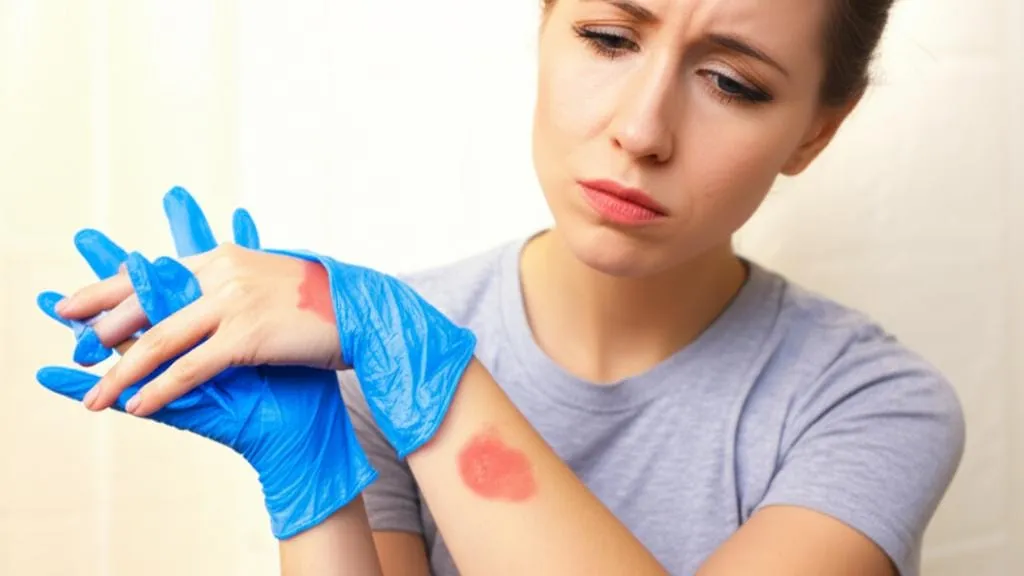
Key Takeaways at a Glance
- Latex allergy is an overreaction of your immune system to natural rubber proteins.
- Reactions range from mild skin irritation and itching to severe, life-threatening anaphylaxis.
- Healthcare workers, frequent surgery patients, and people with certain medical conditions face higher risks.
- Strict avoidance of latex products and carrying an emergency epinephrine injector are vital for safety.
- Up to half of people with latex allergies also experience cross-reactions to certain fruits like bananas and avocados.
Think about how many rubber items you use in your daily life. You might use cleaning gloves for household chores, colorful balloons for birthday parties, or various medical tools during a doctor visit. Every single one of these items connects closely with rubber.
Have you ever wondered why touching or using some of these items makes your skin red, itchy, and covered in small bumps? When this happens, you need to consider whether you are having a latex allergy.
What Is a Latex Allergy, Really?
Simply put, a latex allergy is a condition where your immune system reacts too strongly to specific proteins found in natural rubber latex. The main job of your immune system is to protect you from harmful germs that cause diseases.
However, your immune system sometimes mistakes harmless things, such as rubber proteins, for dangerous enemies. It starts fighting hard against these harmless proteins. The allergic signs appear as a direct result of that internal fight.
Doctors have not yet found a single exact cause for this condition. Even so, experts believe that continuous and repeated exposure to rubber products over time plays a major role in triggering it.
Who Is at Higher Risk of Developing This Allergy?
Anyone can develop this allergy at any point in life, but certain groups face a higher risk. Understanding your personal risk helps you protect your health before severe symptoms appear.
- Healthcare workers: Doctors, nurses, and medical staff who use rubber gloves every day face a much higher risk.
- People who undergo frequent surgeries: Needing multiple surgeries means repeated exposure to medical equipment containing rubber.
- Rubber industry workers: Employees who manufacture or process rubber products handle high volumes of latex daily.
- People with specific medical conditions: Certain health issues make your body more vulnerable to latex sensitivity.
- Bone marrow cell defects: People with specific genetic or cellular defects in their bone marrow cells.
- Urinary tract abnormalities: People born with structural differences in their bladder or urinary system.
- Long-term catheter use: Patients who rely on a urinary catheter for extended periods.
- Spina bifida: People living with the birth condition known as spina bifida.
- Existing allergies or skin conditions: People who already struggle with asthma, eczema, or other common allergies.
- Food allergies: People sensitive to specific foods such as bananas, avocados, pineapples, kiwis, raw potatoes, and tomatoes.
- Regular condom users: People who use latex condoms often for birth control or infection prevention.
What Are the Main Types of Rubber Allergies?
Reactions caused by rubber fall into three distinct categories. Knowing the difference between these types is essential for getting the right care.
| Reaction Type | Signs and Description |
|---|---|
| 1. Irritant Contact Dermatitis (Skin irritation and dryness) |
This is not a true allergy. It happens when chemical additives in rubber gloves irritate your skin through repeated contact. You may notice dry, itchy, burning, or peeling skin. Symptoms usually show up within 12 to 24 hours after touching rubber. |
| 2. Allergic Contact Dermatitis (Delayed allergic reaction) |
This is a true immune system allergy. It happens when your body reacts to chemical additives used during rubber manufacturing. Symptoms look similar to irritant dermatitis but are much more severe, spread across wider areas of skin, and last longer. Symptoms can take 1 to 4 days to appear. |
| 3. Immediate Allergic Reaction (Fast-acting severe allergy) |
This is the most dangerous and severe type of reaction. You may suddenly experience a runny nose, red eyes, watery eyes, hives, severe itching, and stomach cramps. In rare cases, it can cause a fast heartbeat, shaking, chest pain, breathing trouble, low blood pressure, and anaphylaxis—a life-threatening shock condition. |
⚠️ Emergency Red Flags
If you experience severe symptoms such as difficulty breathing, swelling of your throat or tongue, chest pain, or sudden dizziness, call 911 (US/Canada), 999 (UK), or go to your nearest Emergency Department (ER / A&E) right away.
How Is It Treated?
If you experience an allergic reaction, your doctor will choose a treatment based on how severe your symptoms are.
For Mild Skin Issues
Your doctor may recommend several simple remedies to calm your skin and reduce discomfort:
- Antihistamine medicine to block the allergic response in your body.
- Corticosteroid creams or oral pills to control swelling and redness.
- Soothing liquid applications like calamine lotion to relieve itching.
If a Severe Reaction Happens
When a severe reaction occurs, you will need immediate medical care in a hospital setting.
- An emergency injection of epinephrine to stabilize your breathing and blood pressure.
- Intravenous fluids (IV fluids) given through a vein to maintain blood circulation.
- Close monitoring by trained medical staff until your vital signs return to normal.
If you know you have a severe latex allergy, wearing a medical alert bracelet is extremely important. Your doctor may also instruct you to carry an epinephrine auto-injector with you at all times.
What Everyday Items Around Us Might Contain Rubber?
Rubber hides in many more everyday items than most people realize. If you have this allergy, you need to stay vigilant and always read product labels carefully.
Items Found Around the House
- Dishwashing gloves and heavy-duty household cleaning gloves.
- Rubber sink stoppers and drain plugs.
- Kitchen utensils with rubber grips, toothbrushes, and pens.
- Bath mats and rugs with rubber backing.
- Sanitary pads and baby diapers that contain elastic elements.
- Elastic bands inside underwear and socks.
- Party balloons and celebratory decorations.
- Rubber children toys and squeeze toys.
- Latex condoms and contraceptive diaphragms.
Items Outside the Home and in Medical Settings
- Balloons used at public events and gatherings.
- Medical examination gloves, tourniquets, and stethoscope tubing.
- Adhesive bandages and medical tape.
- Dental dams and various dental tools.
Can You Have Allergies to Certain Foods, Not Just Rubber?
Yes! This fact surprises many people. About 30% to 50% of people with a latex allergy also develop reactions to specific types of food. Doctors call this phenomenon a cross-reaction or latex-fruit syndrome.
This happens because the protein structure found in certain fruits and vegetables looks very similar to the allergy-causing proteins found in rubber. Because of this similarity, your immune system mistakes those foods for the rubber protein enemy.
Several common foods can trigger these cross-reactions:
- Avocados .
- Bananas .
- Kiwis .
- Pineapples .
- Papayas .
- Watermelons .
- Mangoes .
- Tomatoes .
- Potatoes .
If you notice that you react poorly to any of these foods, you might also have an undiagnosed latex sensitivity. Be sure to discuss this connection with your doctor or dentist.
What Should You Do When Visiting a Doctor If You Have This Allergy?
Managing your allergy during medical appointments is crucial for your personal safety. Follow these steps when planning a visit:
1. Notify in advance: Call your doctor’s office or dental clinic at least 24 hours before your appointment to report your latex allergy. This gives the staff time to prepare latex-free gloves and equipment.
2. Book the first appointment of the day: Ask for the earliest appointment available. Airborne latex particles from gloves used on previous patients can linger in the air; going early minimizes your exposure.
Do's and Don'ts for Managing Latex Allergies
| Do's (Recommended Actions) | Don'ts (Actions to Avoid) |
|---|---|
| Always read product labels and check for hidden rubber materials. | Do not assume household items or medical supplies are latex-free without checking. |
| Inform all doctors and dentists about your allergy before procedures. | Do not ignore mild skin itching or rashes after touching rubber products. |
| Wear a medical alert bracelet if you have severe latex allergies. | Do not wait to seek emergency care if you experience trouble breathing. |
| Keep emergency medicines like an epinephrine auto-injector nearby if prescribed. | Do not ignore potential cross-reactive foods if you already struggle with rubber sensitivity. |
💡 Things to Remember (Take-Home Message)
- Latex allergy is a serious condition that can worsen over time, so you should never take it lightly.
- The best treatment available is strict avoidance of all products containing natural rubber latex.
- Always check product labels carefully when shopping to spot hidden rubber materials.
- Tell all your doctors and dentists about your latex allergy before any medical visit.
- Seek emergency hospital care right away if you experience breathing difficulty, swelling, or severe reactions.
- Remember that certain foods can cause cross-reactions due to shared proteins, and discuss this with your doctor.
Sources & References:
- Mayo Clinic. (2024). Latex allergy - Symptoms and causes. Retrieved from Mayo Clinic patient care guidelines.
- Cleveland Clinic. (2023). Latex Allergy: Causes, Symptoms, Treatment & Prevention. Medical professional health library.
- National Health Service (NHS). (2023). Latex allergy overview and management. UK health guidance.
- Centers for Disease Control and Prevention (CDC). (2022). NIOSH Safety and Health Topic: Latex Allergy. US occupational health data.
- National Institutes of Health (NIH) / PubMed. (2023). Cross-reactivity between latex and common plant-derived foods. Clinical immunological reviews.





No comments yet. Be the first to share your question or experience below.