
Be honest—when you opened your online lab portal and spotted an Lp-PLA2 Activity (PLAC Test) high result flagged in bold red letters, your stomach probably dropped a little, didn't it? Even more confusing, many people get this high reading right alongside a completely "normal" standard cholesterol panel. We doctors explain this puzzle every single week in our clinics across the US, UK, Canada, and Australia, because understanding vascular plaque inflammation vs general CRP and how statins lower it can genuinely change how you protect your heart and brain.
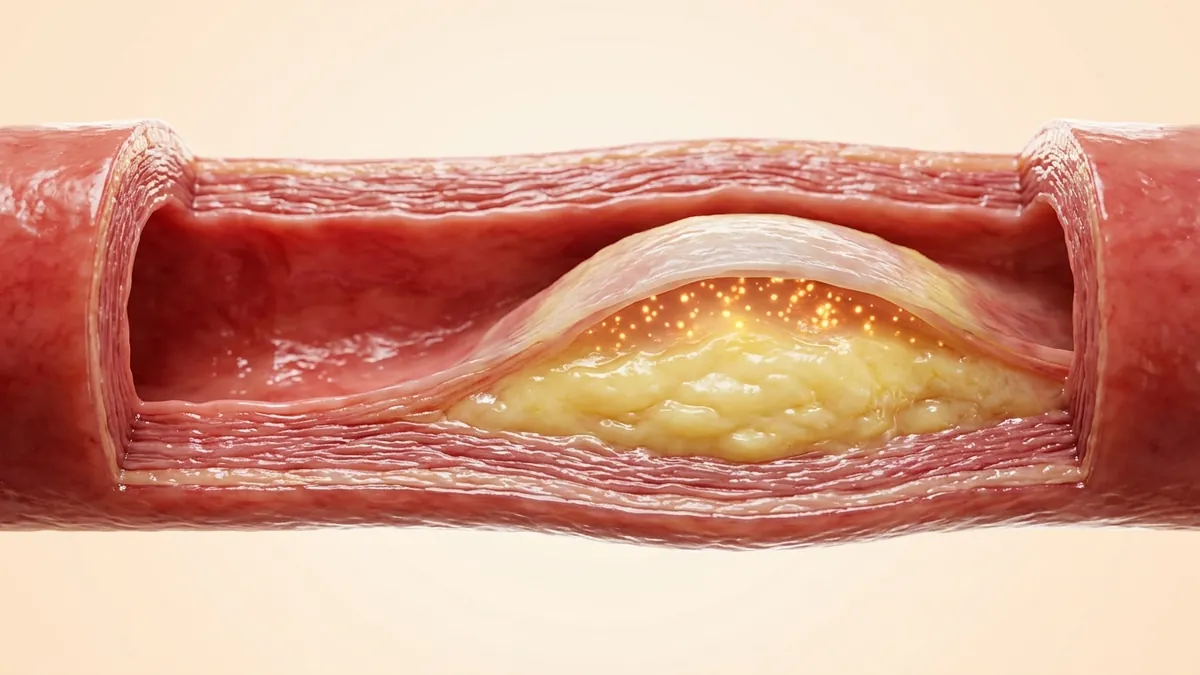
Think about it for a second: a basic cholesterol test tells us how much cholesterol is floating through your bloodstream, much like counting cars on a highway. What it cannot tell us is whether any of that cholesterol has already burrowed underneath your artery lining and sparked an active, smoldering fire. That hidden blood vessel enzyme test—officially called an artery plaque enzyme assay (lipoprotein-associated phospholipase A2 activity, or Lp-PLA2)—gives us a direct window into whether existing plaque is calm and stable or soft and irritated.
Here is the reassuring news right up front: an elevated PLAC score is an early-warning signal, not an emergency diagnosis of a heart attack. When your Primary Care Physician (PCP) or family GP clinic catches vascular inflammation early, we have remarkably effective medications and everyday food and lifestyle tools to cool that inflammation down and lock plaque safely in place.
📌 Key Takeaways at a Glance
- Vascular-Specific Radar: The PLAC test measures Lp-PLA2 enzyme activity produced directly inside inflamed artery walls, rather than general body-wide inflammation.
- Standard Lab Cutoff: Major reference labs such as Quest Diagnostics, LabCorp, and Dynacare flag 225 nmol/min/mL or higher as increased cardiovascular risk, while below 225 nmol/min/mL signals reduced risk.
- Different From General CRP: Unlike general inflammation testing (high-sensitivity C-reactive protein, or hs-CRP), Lp-PLA2 does not spike just because you caught a cold, twisted an ankle, or slept poorly.
- Statins Work Double Duty: Statin medications routinely drop Lp-PLA2 activity by 15% to 35% while thickening the protective cap over soft arterial plaque.
- Actionable Prevention: Pairing lipid-lowering therapy with Mediterranean-style meals, regular brisk walking, gum care, and quitting smoking dramatically lowers long-term heart attack and stroke risk.
Free LDL Cholesterol Calculator (mg/dL & mmol/L). Calculate LDL-C, Non-HDL, and VLDL using both the modern NIH Sampson 2020 equation and classic Friedewald formula.
What Does an Lp-PLA2 Activity (PLAC Test) High Result Mean for Your Arteries?
An Lp-PLA2 Activity (PLAC Test) high result, typically 225 nmol/min/mL or higher, shows that immune cells inside your artery walls are actively inflamed, making cholesterol plaque softer and more prone to rupture. Unlike general CRP, it pinpoints blood vessel inflammation directly, and statins reliably lower it by 15% to 35%.
Have you ever wondered why someone who jogs regularly and has "borderline" cholesterol can still suffer an unexpected heart attack (myocardial infarction) or clot-related stroke (ischemic stroke)? Look closely at what happens inside the wall of an artery during hardening of the arteries (atherosclerosis). About 80% of the Lp-PLA2 enzyme in your blood travels piggyback on "bad" LDL cholesterol particles—especially small, dense particles rich in apolipoprotein B (ApoB).
When those LDL particles slip beneath the delicate inner lining of an artery and become chemically damaged or "oxidized," your immune system sends cleanup white blood cells called macrophages to swallow them up. Inside that growing plaque pocket, macrophages pump out massive amounts of Lp-PLA2. This enzyme chops up oxidized fats into irritating chemical byproducts that eat away at the plaque's protective outer shell, creating fragile, rupture-prone plaque (thin-cap fibroatheroma). Pretty eye-opening, right? Instead of slowly clogging a pipe over twenty years, an inflamed pimple-like plaque can crack open suddenly and trigger a blood clot—which is exactly what the PLAC test helps us prevent.
How Is Vascular Plaque Inflammation on a PLAC Test Different From General CRP (hs-CRP)?
Patients often ask us in the exam room, "Doctor, didn't you already check my inflammation with a C-reactive protein test?" That is a great question, and the difference comes down to where each marker comes from in your body. Think of a general body inflammation blood test (high-sensitivity C-reactive protein, or hs-CRP) as a whole-house smoke detector, while the PLAC test acts like a heat sensor wired directly onto your kitchen stove.
Your liver manufactures CRP whenever there is irritation anywhere in your system. Did you battle a sinus infection last week, flare up an arthritic knee, burn your gums on hot pizza, or carry extra belly fat? Any of those everyday issues can send your hs-CRP shooting above 3.0 mg/L, even if your heart arteries are squeaky clean. We rarely stop to think about how noisy general inflammation tests can be, do we?
By contrast, Lp-PLA2 activity has remarkably low day-to-day biological fluctuation and stays laser-focused on your blood vessels. A head cold or sore lower back will not budge your PLAC score. Even more important, clinical studies show that when both hs-CRP (above 2.0 to 3.0 mg/L) and Lp-PLA2 activity (225 nmol/min/mL or higher) are elevated at the same time, systemic inflammation and local arterial wall irritation are feeding off each other—putting you in a priority group that benefits enormously from proactive preventive care.
What Are Normal vs High PLAC Test Reference Ranges, Lab Cutoffs, and Test Prep Rules?
Before you panic over a number on your lab printout, check the units right next to your result! Labs run two completely different versions of this test, and mixing them up causes endless unnecessary worry. Most major clinics in North America, the UK, and Australia now order the FDA-cleared enzymatic Lp-PLA2 Activity assay rather than the older Lp-PLA2 Mass immunoassay.
- Standard Lp-PLA2 Activity Cutoff (Quest Diagnostics, LabCorp, Dynacare): Below 225 nmol/min/mL (0 to 224 nmol/min/mL) indicates reduced cardiovascular event risk; 225 nmol/min/mL or higher indicates increased risk for coronary heart disease events.
- Tighter Specialty Cardiology Targets: Certain preventive heart labs use modified spectrophotometric methods or stricter optimal targets (such as 123 nmol/min/mL or lower, or 151 nmol/min/mL or lower). Always match your number against the exact reference range printed on your own lab sheet.
- Older Lp-PLA2 Mass Test (ng/mL): Measured in nanograms per milliliter, where below 200 ng/mL is considered desirable. Never compare an activity score in nmol/min/mL to a mass cutoff!
- Test Preparation & Biological Quirks: Fasting is not required for a standalone PLAC blood draw, though your family GP clinic will usually bundle it with a 9-to-12-hour fasting lipid panel. Men naturally average slightly higher baseline readings than premenopausal women, and harmless inherited variants in the PLA2G7 gene can dramatically lower enzyme activity in certain populations.
How Do Statins and Other Lipid Therapies Lower Lp-PLA2 Activity and Stabilize Plaque?
Remember how we talked earlier about LDL cholesterol particles acting like taxis that carry 80% of your Lp-PLA2 through the bloodstream? Once you picture that taxi ride, seeing how statins lower Lp-PLA2 suddenly makes complete sense, doesn't it? When we doctors prescribe a statin—such as rosuvastatin, atorvastatin, or pravastatin—the medication works on two powerful fronts at once.
First, statins switch on extra LDL receptors in your liver, sweeping ApoB and LDL particles out of circulation—and taking all the Lp-PLA2 enzymes riding on them right out of your blood too. Second, statins exert direct anti-inflammatory effects inside the artery wall itself, calming angry macrophages so they stop secreting plaque-softening enzymes. Randomized clinical trials, including the landmark LIPID study and recent meta-analyses, show that statin therapy consistently cuts Lp-PLA2 activity by 15% to 35% while thickening the fibrous cap over soft plaque so it safely scars down and stabilizes.
What if you ever heard that an experimental drug designed solely to block Lp-PLA2 (called darapladib) failed in trials years ago? Look at what that taught cardiology: blocking the enzyme alone without clearing out the underlying LDL cholesterol taxis misses the root cause! Today, if statins alone aren't enough—or if you experience muscle aches and need a tailored regimen—your doctor can combine low-dose statins with ezetimibe, PCSK9 inhibitors, fenofibrate, or prescription purified omega-3 EPA (icosapent ethyl) to drive both ApoB and vascular inflammation down together.
How Does Your Doctor Interpret Your PLAC Score Alongside Other Heart Tests?
See? A single blood marker never tells your whole story in isolation. At your Primary Care Physician (PCP) or family GP clinic, we piece your PLAC test together with your blood pressure, blood sugar (HbA1c), ApoB or LDL cholesterol, hs-CRP, and—when helpful—a quick, painless 5-minute CT scan called a heart artery calcium scan (coronary artery calcium or CAC score). Here is how we translate common test combinations into real-world action steps:
| Test Finding or Biomarker Pattern | Clinical Meaning & Next Step |
|---|---|
| Lp-PLA2 Activity below 225 nmol/min/mL + Normal Lipids | Your arterial walls show minimal plaque-related enzymatic inflammation right now, pointing to calm, lower-risk blood vessels. What you should do: Keep up your heart-healthy routine and recheck routine lipids and blood pressure at your regular annual checkup. |
| High Lp-PLA2 (225 nmol/min/mL or higher) + "Normal" LDL Cholesterol | Even with average total LDL, smaller dense LDL particles may be slipping into artery walls and fueling soft, hidden plaque irritation. What you should do: Ask your GP or PCP to check ApoB and Lipoprotein(a), and discuss whether a coronary artery calcium (CAC) scan or moderate statin makes sense. |
| High Lp-PLA2 + High hs-CRP (above 2.0 mg/L) | Both whole-body inflammation and local arterial plaque inflammation are active simultaneously, multiplying risk for plaque instability. What you should do: Rule out temporary infections first; if repeat hs-CRP stays high alongside Lp-PLA2, work closely with your doctor on intensive statin therapy and anti-inflammatory lifestyle upgrades. |
| High Lp-PLA2 + Elevated Coronary Calcium (CAC Score above 0) | Imaging confirms established calcified plaque in your coronary arteries while the PLAC test suggests active inflammation in nearby softer plaque. What you should do: Treat this proactively with your PCP or a preventive cardiologist to push LDL below 70 mg/dL (1.8 mmol/L) using statins and complementary therapies. |
| Already Taking a Statin + Follow-Up Lp-PLA2 Drops by 20%+ | Your treatment is clearing ApoB particles and cooling macrophage activity inside existing arterial plaque just as intended. What you should do: Stay consistent with your daily prescription without skipping doses, as stopping statins allows vascular inflammation to rebound quickly. |
What Everyday Diet and Lifestyle Habits Help Calm Arterial Inflammation Naturally?
Medication is only half the partnership—be honest, wouldn't you love to stop feeding that arterial fire at the dinner table every day too? Because Lp-PLA2 flourishes whenever LDL particles get oxidized inside your blood vessels, antioxidant-rich foods and steady daily movement make a measurable difference alongside your doctor's medical plan.
Next time you do your weekly grocery run, swap ultra-processed deli meats, deep-fried takeaway meals, white bread, and sugary sodas for a practical Mediterranean-style plate. Drizzle extra-virgin olive oil over roasted vegetables, start mornings with steel-cut porridge oats topped with walnuts and blueberries, and put oily fish like wild salmon, mackerel, or tinned sardines on the menu twice a week. Aim for at least 150 minutes a week of brisk neighborhood walking, cycling, or swimming—just 30 minutes after dinner helps clear blood fats and improves insulin sensitivity.
Here is one sneaky trigger people almost always overlook: bleeding or inflamed gums (periodontal disease)! Oral bacteria slip straight into your bloodstream during brushing and chew up blood vessel linings, driving up arterial inflammation. Flossing daily, seeing your dentist twice a year, quitting cigarettes or vapes completely, and getting loud snoring checked for sleep apnea all take direct pressure off your artery walls.
✔️ What You Should Do & ❌ What to Avoid
- ✔️ Do check the exact units on your report: Confirm whether your lab measured Lp-PLA2 Activity (nmol/min/mL) or Mass (ng/mL) before comparing numbers online.
- ✔️ Do ask about ApoB and Lipoprotein(a): Pairing these blood markers with your PLAC score gives your doctor a crystal-clear picture of plaque-forming particle traffic.
- ✔️ Do take prescribed statins consistently: Steady daily dosing keeps arterial plaque caps thick, cool, and stable.
- ❌ Don't ignore a high PLAC test just because you feel fit: Arterial plaque inflammation causes zero pain until a plaque cracks or narrows blood flow severely.
- ❌ Don't waste money on unproven "artery cleanse" supplements: No over-the-counter herbal pill dissolves plaque—rely on clinically proven lipid therapies and whole foods instead.
- ❌ Don't stop cholesterol medication abruptly: Quitting a statin without speaking to your GP or PCP can cause vascular inflammation to flare back up within weeks.
🚨 When to Seek Immediate Emergency Care (Red-Flag Symptoms)
If you or someone near you develops any of these red-flag symptoms, do not wait — call 911 (US & Canada), 999 or 111 (UK — dial 999 immediately for life-threatening emergencies), or 000 (Australia) immediately or go straight to the nearest hospital Emergency Room (ER / A&E):
- Chest pressure, tightness, squeezing, or burning lasting more than a few minutes, or stopping and coming back—especially with exertion or stress.
- Discomfort spreading into your left or right arm, shoulder, neck, jaw, upper back, or upper stomach (often mistaken for sudden severe indigestion).
- Sudden shortness of breath, breaking out in a cold clammy sweat, unexplained nausea, or sudden lightheadedness and fainting.
- FAST stroke warning signs: Sudden facial drooping on one side, arm weakness or numbness, slurred or confused speech, or sudden loss of vision or balance.
💡 Key Take-Home Message
- An Lp-PLA2 Activity (PLAC test) score of 225 nmol/min/mL or higher is a specialized spotlight showing active inflammation inside arterial plaque—even when a standard cholesterol panel looks ordinary.
- Unlike general CRP, it won't give false alarms from routine colds or joint aches, making it a sharp tool for refining borderline heart risk.
- Working with your family doctor to combine statin therapy, blood pressure control, and Mediterranean-style daily habits cools vascular inflammation and turns fragile plaque into stable, quiet scar tissue.



No comments yet. Be the first to share your question or experience below.