
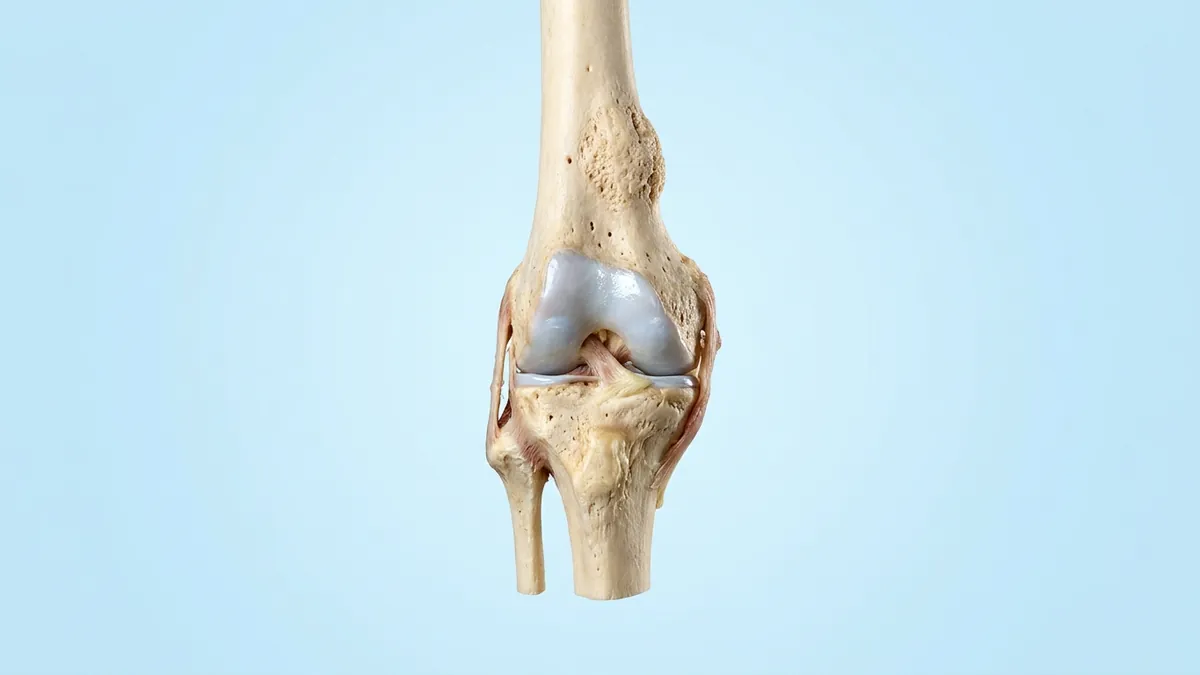
Have you ever wondered how our body manages to fix a completely snapped or cracked bone back into one solid piece? Many people mistakenly believe that once a bone breaks, doctors simply glue it together, or that calcium supplements alone do all the heavy lifting overnight. In reality, your skeleton possesses an extraordinary, built-in biological repair system that mends itself from the inside out. Pretty amazing, right? As family doctors sitting down with you today, we want to walk you through this fascinating journey of bone healing, explain what happens inside your body, and show you how to support your recovery every step of the way.
📌 Key Takeaways at a Glance
- Bone healing is a natural four-stage biological process involving inflammation, soft callus formation, hard callus bridging, and final bone remodeling.
- Recovery time depends heavily on your age, overall health, nutrition, and whether you avoid habits like smoking that restrict blood flow.
- Always consult your Primary Care Physician (PCP) or visit an Urgent Care center or hospital Emergency Room (ER / A&E) for proper X-rays and casting.
- Call 911 (or 999 in the UK / 000 in Australia) immediately if you experience severe blue discoloration of fingers/toes, unbearable pressure in a cast, or high fever.
How Does a Bone Fracture Heal? (Bone Healing Stages)
Bone fracture healing is a remarkable, self-repairing biological process where specialized cells form a temporary bridge of soft tissue and gradually transform it into hard, living bone tissue to restore complete structural strength. When you experience a broken bone fracture), your body immediately initiates a complex, multi-stage cascade of cellular repair. We don't usually think about our bones being living, breathing organs with their own blood supply, do we? But the moment a break happens, millions of cells spring into action to rebuild it.
What Exactly Is a Bone Fracture?
A bone fracture is simply a medical term for a broken or cracked bone. While bones are remarkably strong and slightly flexible, an impact, fall, or sudden twisting force greater than what the bone can absorb will cause it to snap or crack. Fractures can range from hairline cracks to complex breaks where the bone shatters into multiple pieces or pierces the skin. No matter the type, your body immediately recognizes the damage and begins a four-stage restoration project.
First Step: Inflammation and Hematoma Formation
Think about what happens right after an injury—swelling, sharp pain, and bruising. That is actually the first crucial stage of healing! When a bone breaks, the blood vessels inside the bone and surrounding tissues tear, bleeding into the fracture site and forming a clot called a fracture hematoma.
This blood clot acts as a temporary biological glue and seal. Specialized immune cells rush to the area to clear away damaged tissue, dead cells, and bacteria. Without this initial inflammatory phase, the chemical signals needed to start rebuilding would never be released. Pretty clever how our immune system doubles as a construction crew, right?
Step Two: Soft Callus Formation
Once the initial inflammation settles down over the first few days to a week, specialized cells called fibroblasts and chondrocytes take over. They begin building a soft bridge across the broken gap, made of fibrocartilage—a tough, fibrous tissue similar to what makes up the tip of your nose or your ear.
During this soft callus stage, the bone ends are still not rigidly fixed together, which is why your doctor puts you in a rigid plaster cast or splint. That cast acts like external scaffolding, keeping the soft bridge steady so it does not get disturbed while it matures.
Step Three: A Strong Bone Bridge! (Hard Callus Formation)
Next comes the most satisfying transformation: hard callus formation. Over the next few weeks, osteoblasts (bone-building cells) flood the soft cartilage bridge and deposit minerals like calcium and phosphorus into it.
Gradually, the soft fibrocartilage bridge is replaced by woven bone, forming a hard bony callus that bridges the broken ends together securely. If you were to take an X-ray at this stage, you would see a hazy, thickened lump around the fracture site. That lump proves your body is successfully welding the bone back together!
The final step: Bone Remodeling
The final phase of bone healing is called bone remodeling, and it can take several months or even up to a year. Right now, the newly formed bridge is bulky and thicker than the rest of the bone.
Cells called osteoclasts (bone-resorbing cells) and osteoblasts work together like master sculptors, shaving away excess bone and reshaping the area back to its original sleek contour, strength, and weight-bearing capacity. By the time remodeling is finished, your bone is often just as strong as it was before the injury. Isn't nature incredible?
How Long Does It Take for a Bone to Heal?
Have you ever wondered why your friend's wrist healed in six weeks while your uncle's leg fracture took several months? Recovery timelines vary widely depending on several biological and lifestyle factors:
* Your age: Young children's bones heal remarkably fast—sometimes within 3 to 4 weeks—because their bones are growing rapidly and have an abundant blood supply. As we get older, this cellular regeneration slows down.
* Type and location of the fracture: Large weight-bearing bones like the femur (thigh bone) or tibia (shin bone) take longer to mend than smaller bones like fingers or collarbones.
* Fracture pattern: Simple hairline cracks heal faster than comminuted fractures (where the bone shatters into multiple pieces) or open fractures where the skin is broken.
| Healing Stage & Factors | Clinical Explanation & What You Should Do |
|---|---|
| Stage 1: Inflammation (Days 1–5) | Blood clot (hematoma) forms; swelling and pain occur. Rest the limb, apply ice packs wrapped in a cloth, and elevate above the heart. |
| Stage 2: Soft Callus (Weeks 2–3) | Fibrocartilage replaces the blood clot, forming a soft bridge. Wear your cast or splint strictly as directed; avoid putting any weight on the limb. |
| Stage 3: Hard Callus (Weeks 4–8+) | Calcium deposits convert the soft bridge into hard woven bone. Attend follow-up appointments with your PCP for repeat X-rays. |
| Stage 4: Remodeling (Months to 1 Year) | Bone is reshaped and returns to full strength. Follow physical therapy instructions to regain muscle tone and joint mobility safely. |
What Factors Affect Bone Healing?
Just like a garden needs the right soil, water, and sunlight to grow, your bones need optimal internal and external conditions to unite properly. Several factors can either speed up or slow down your recovery:
* Good Nutrition: Eating foods rich in calcium (such as milk, cheese, yogurt, fortified plant milks, or dark green leafy vegetables), vitamin D, and lean protein provides the essential raw materials for bone matrix formation.
* Proper Medical Alignment: Having your bones correctly set and immobilized by a trained medical professional ensures the bone heals straight rather than crooked.
* Smoking and Nicotine: Smoking constricts your blood vessels significantly, starving the fracture site of vital oxygen and blood flow. Smokers experience notably slower healing times and a higher risk of non-union (where the bone fails to join).
* Underlying Health Conditions: Conditions like Osteoporosis, Diabetes Mellitus, or thyroid disorders can alter bone metabolism and delay cellular repair.
* Medications: Long-term use of certain medications, such as corticosteroids, can interfere with bone density and healing rates.
✔️ What You Should Do & ❌ What to Avoid
- DO follow your doctor's exact instructions regarding weight-bearing restrictions and cast care.
- DO eat a balanced, nutritious diet rich in calcium, protein, and vitamin D to support bone tissue regeneration.
- DO attend all scheduled follow-up visits and physical therapy sessions to restore strength and joint flexibility.
- DON'T try to remove, scratch inside, or alter your plaster cast yourself, as this can damage the healing skin or bone alignment.
- DON'T smoke or use nicotine products during your recovery, as they severely restrict blood flow to the fracture site.
- DON'T engage in heavy lifting, high-impact sports, or strenuous activity until your doctor clears you via X-ray.
Do You Always Need a Doctor? When to Worry?
Yes, absolutely. Whenever you suspect a broken bone, you must seek professional medical evaluation immediately. You need an X-ray performed at your local clinic, Urgent Care center, or hospital Emergency Room (ER / A&E) to determine the exact type, angle, and location of the break.
If a fracture is left untreated or improperly set, it can lead to malunion (healing in an incorrect position) or non-union (failing to heal at all), leading to chronic pain and long-term joint deformity.
Always watch out for red-flag symptoms during your recovery. If you notice pain worsening instead of improving, a foul odor or dampness coming from inside your cast, or a high fever, contact your doctor right away.
🚨 When to Seek Immediate Emergency Care (Red-Flag Symptoms)
If you or someone near you develops any of these red-flag symptoms, do not wait — call 911 (or 999 in the UK / 000 in Australia) immediately or go straight to the nearest hospital Emergency Room (ER / A&E):
- Your fingers or toes turn pale, blue, cold to the touch, or completely numb, indicating restricted blood circulation or nerve compression from a tight cast.
- Severe, unbearable pain and swelling inside the cast that does not subside with elevation and prescribed pain relief (a potential sign of compartment syndrome).
- Open fractures where bone fragments pierce through the skin, accompanied by heavy bleeding.
- Sudden chest pain, shortness of breath, or dizziness, which can indicate a dangerous blood clot (deep vein thrombosis or pulmonary embolism) following a fracture or immobility.
💡 Key Take-Home Message
- Bone healing is an intelligent, natural four-step regenerative process that repairs broken bone tissue from the inside out.
- Your daily habits—such as eating a calcium-rich diet, resting adequately, and avoiding smoking—play a massive role in how quickly and strongly your bones mend.
- Never attempt to self-diagnose or treat a suspected fracture at home; always seek professional evaluation from your healthcare team.




No comments yet. Be the first to share your question or experience below.