
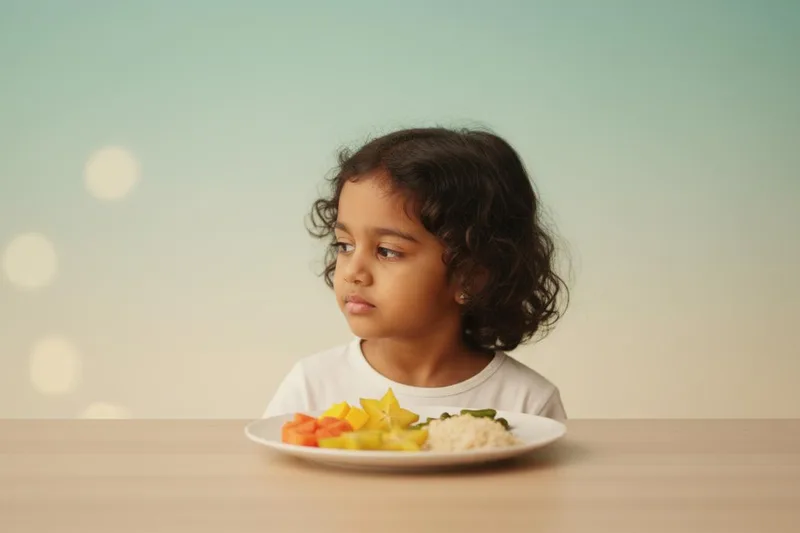
Does your child hesitate when eating? Does he or she look away at the sight of food? Or does he or she get angry even when talking about food? It may be normal for these things to happen once or twice. However, if this situation continues, the relationship with food can be very stressful for the child and the entire family. Today we will talk about these types of eating problems, or (Eating Disorders) , and how we can help as a family at times like these.
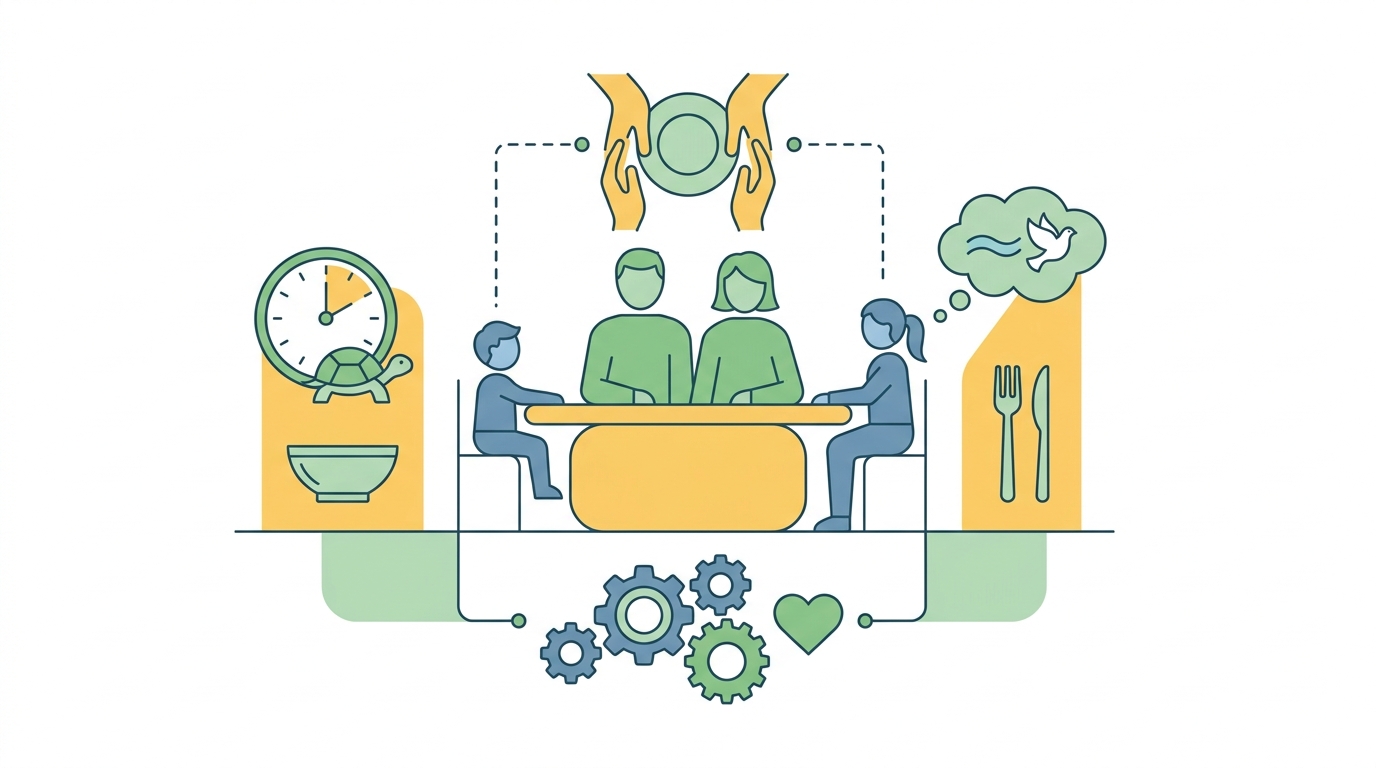
What exactly are these eating disorders?
Simply put, Eating Disorders are serious mental health conditions that involve more than just a relationship with food, but also the way a person views their body and thinks about themselves. This is not just a matter of not eating or not eating out of boredom. These conditions can cause a person to have persistent, unwanted, and distressing thoughts about food, weight, and body shape.
Imagine, in a person's mind, food can seem like an enemy. Or, they can feel very guilty about even the small amount of food they eat. These conditions start to control a person's thoughts, feelings, and behaviors. So, when that happens, it becomes very difficult for them to choose healthy foods and enjoy food. There are some main types of Eating Disorders , for example:
- (Anorexia Nervosa): In this condition, a person tries to lose weight excessively, eats very little, and is very afraid of gaining weight.
- (Bulimia Nervosa): Here, a person eats a large amount of food at once and then tries to purge it by doing various things (such as vomiting, taking laxatives) to get rid of the food.
- ( Binge Eating Disorder ): These people eat large amounts of food continuously without control, but then feel very sad and ashamed about it.
The most important thing is to understand that this is not the child's fault, nor is it something they did on purpose . This is a condition that is difficult for them to control and requires medical help.
Has mealtime become a headache for the whole family?
When a child has an eating disorder , the dinner table can be like a battlefield. You may feel very sad when the food you have prepared with love is thrown away, you get angry, or you cry. Some children may make various excuses to skip mealtimes, or they may hide or throw food. Because of this, as a parent, you often get upset, and you may even fight with your child without even realizing it. All this can cause a loss of peace in the home, and everyone may be under pressure.
So, how do we, as parents, deal with this and help?
Your love, support, and patience are invaluable to your child at a time like this. However, this is not something we can do alone. Professional support is essential.
First and foremost: seek medical help
If you notice any of these changes in your child's eating habits or behavior, please don't take it lightly. See a qualified doctor immediately. This means:
- General Practitioner
- Pediatrician
- Psychiatrist
- Dietitian
- Psychologist/Therapist
Together, these people create the most appropriate treatment plan for the child. The support we provide at home should be in addition to these professional treatments and be a strength to them. We are not doctors, but we can do many things to make the home environment healthy and to give love to the child.
Let's make the dining table a loving place: What should we do at mealtime?
Mealtime is not a punishment, it's a time for the whole family to be together and enjoy themselves. We need to work hard for this.
- Let's create a calm, stress-free environment:
- Keep things like TV, phones, and tabs away while eating. These things can distract the child from eating.
- Avoid yelling, fighting, or scolding your child at the dinner table. A calm, peaceful atmosphere is important.
- At the appointed time, have the whole family eat together:
- Whenever possible, make it a practice to eat meals together as a family. Seeing you eat healthily is a good example for your child.
- Provide regular meals (breakfast, lunch, dinner) and snacks. This will help the child's body get used to a regular nutritional pattern.
- Don't just talk about food, talk about other things too:
- Don't make the dining table a place where you criticize the food and ask questions like, "Why aren't you eating?"
- Talk about your child's daily routine, interests, school friends , and hobbies. Make mealtimes an opportunity for light, friendly conversation.
- Don't label "good food" and "bad food":
- Some parents say things like, "If you eat this, you'll get fat," and "This isn't good for your body." These kinds of comments only add more pressure to a child with eating disorders .
- Give the idea that all foods are good for the body when eaten in balance. Don't label any food as "bad."
- Don't force the child, but encourage them with love:
- Threatening and force-feeding, saying "If you don't eat this...", will only make the child more reluctant to eat and angry with you.
- Instead, encourage them in a loving way, such as, "Son/daughter, try some of this, you'll love it. "
- It's very important to understand their feelings and talk to them, like, "I know this is a little difficult for you, but let's try a little bit?"
- Follow your doctor's or dietitian 's advice about food intake:
- Professionals will provide a meal plan that is appropriate for the child. Be careful about the quantities and types of food in it.
- Don't put a large plate of food in front of your child at once. That can make them even more afraid. Give them small amounts, as much as they can handle.
Patience, patience, patience! This is not something that will heal overnight. There will be good days, there will be bad days. The most important thing is to let your child know that you are with them.
Do we need to be careful even after eating?
Yes, sometimes we have to be a little more careful after eating. Especially if a child has a condition like Bulimia Nervosa , they may vomit after eating or try to get rid of the food in other ways.
- As per medical advice, spend an hour or two with your child after eating and engage in a calming activity (e.g. reading a book, drawing, or having a light conversation).
- Don't ask questions like "Why did you eat so much?" or "Why did you eat so little?" as soon as you finish eating.
Never do these things!
When we go to help our child, we may inadvertently make mistakes. Be especially careful about these things:
- Criticizing a child's body, weight, or appearance: Saying things like "You're too thin," "You're too big" only hurts them more.
- Comparing yourself to other children: Things like, "Look how well the kid next door eats" can make a child feel even more depressed.
- Punishing people for not eating: This only makes the problem worse.
- Constantly fighting and arguing about food.
- "Oh, I can't fix this one," you say, giving up. Your hope is the child's greatest strength.
- Blaming the child or yourself: This is no one's fault. This is a medical condition.
Remember, you are not alone in this fight!
This journey is difficult, but you are not alone.
- Care Team: Your doctors, nutritionists, and counselors are always with you. Don't be afraid to ask them questions and share your concerns.
- Support Groups: There are support groups for parents of children with eating disorders . In such a place, you can learn from the experiences of others and share your pain.
- Take care of yourself: While looking after your child, think about your own mental and physical health. Only if you are well can you help your child.
Is it possible to get out of this situation? Is there any hope?
Absolutely yes! Eating Disorders are completely curable with proper treatment and the right support from the family. This will take time and a lot of patience. But, never give up hope. The day will definitely come when the child will live a happy, healthy life again. Our goal should be to ensure not only the child's weight, but also his overall health, happiness and mental well-being .
So, let's keep this in mind (Take-Home Message)
In short, if your child is suffering from an eating disorder, these are the most important things you can do:
- Seek professional help immediately. Follow the advice of doctors and other specialists.
- Be patient and loving. Let the child know that you are there for them.
- Make mealtime a calm, friendly experience. Avoid forcing or criticizing.
- Try to understand your child's feelings. Talk to him, listen to what he says.
- Always encourage, but don't pressure.
- Stay strong, too. Get support if you need it.
- Never give up hope! Recovery is possible.
Your love, patience, and proper guidance will be a great strength for your child to overcome this challenge.
`Anorexia, Eating Disorders Sinhala, Food Problems, Child Nutrition, Mental Health, Parental Support, Meal Support
Doctor's Note
Meal support is a very important stage of treatment for children with eating disorders. Instead of turning the dining table into a battlefield, create a calm and loving environment. Avoid making frequent comments about how much the child is eating. After meals, spend at least 30 minutes with the child and take steps to distract them (eg, play a game or talk). This prevents them from feeling the urge to vomit or regret after eating.
❓ Some more questions you may encounter (FAQ)
How to support children with eating disorders at the dinner table?▼
Instead of arguing about how much to put on the child's plate, the family can sit together and talk about pleasant topics and observe the child while eating.
Why is it important to spend time with the baby after meals?▼
It helps to prevent the child from purging and reduce their anxiety due to strong guilty thoughts after eating.
What should be done if the child is very upset at mealtime?▼
It is essential that parents remain calm. Instead of punishing or threatening the child, understand their discomfort and support them to eat slowly.


💬 Comments (0)
No comments yet. Be the first to share your thoughts here.
Add Your Comment